Serving Chesapeake, VA & nearby
(757) 384-0604
Chesapeake, VA

Why Chesapeake's Garage Doors Fail the Way They Do

Most Chesapeake garages came up in the 1980s and 90s with bare steel doors and no insulation layer. Here's how that stock actually fails and what the seasons do to it.

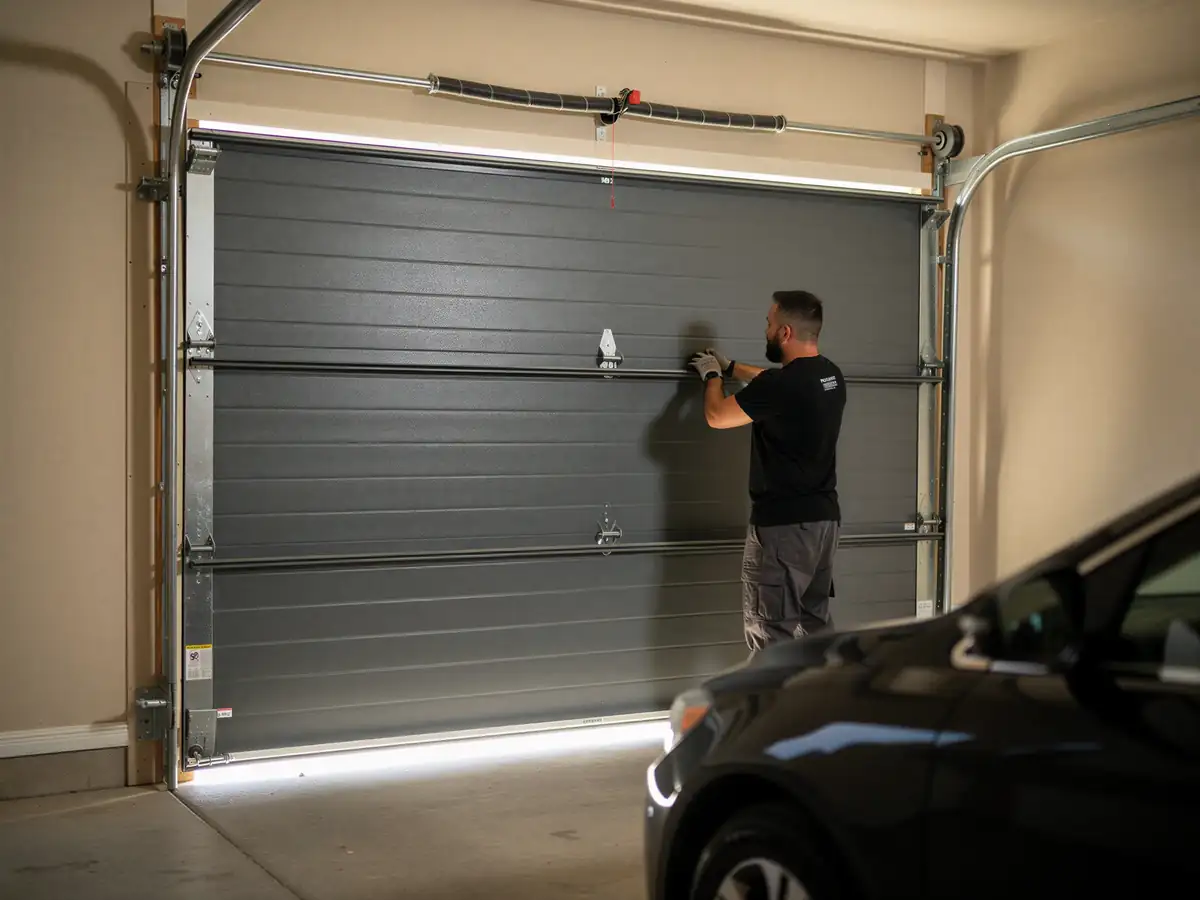
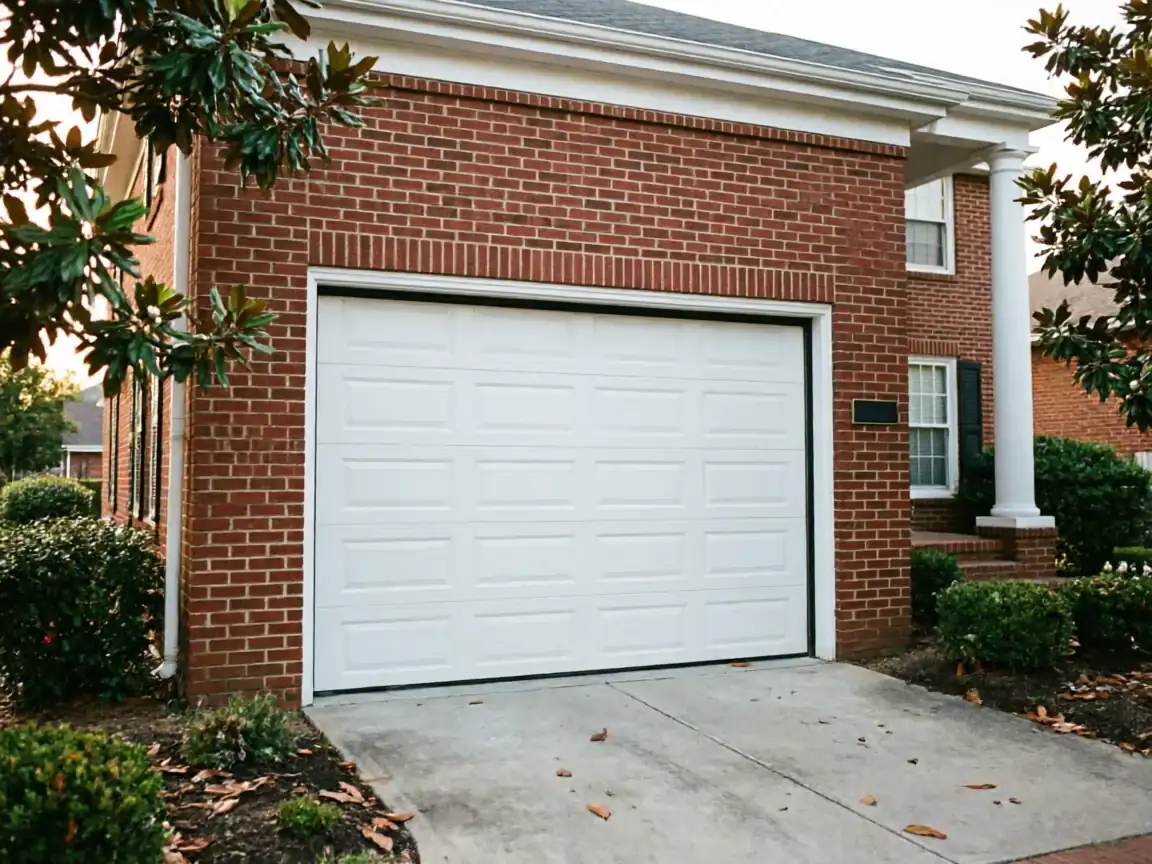
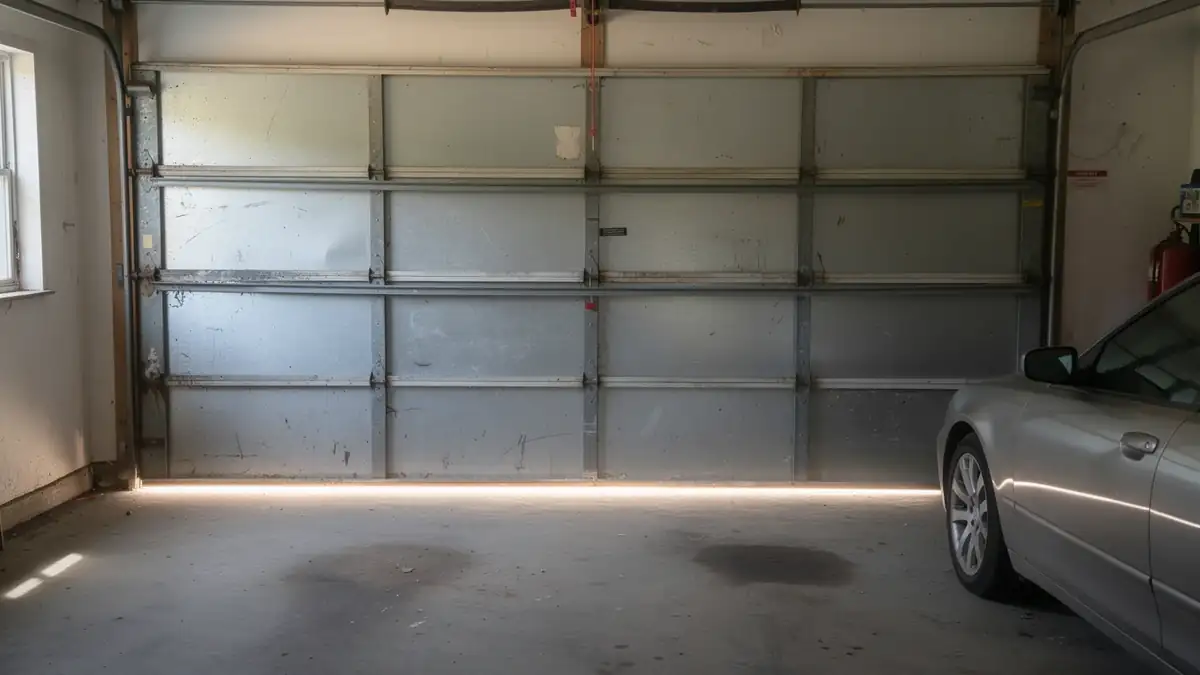
The garage door is closed with a gap at the bottom, and a car is parked inside.

The Common Mistake

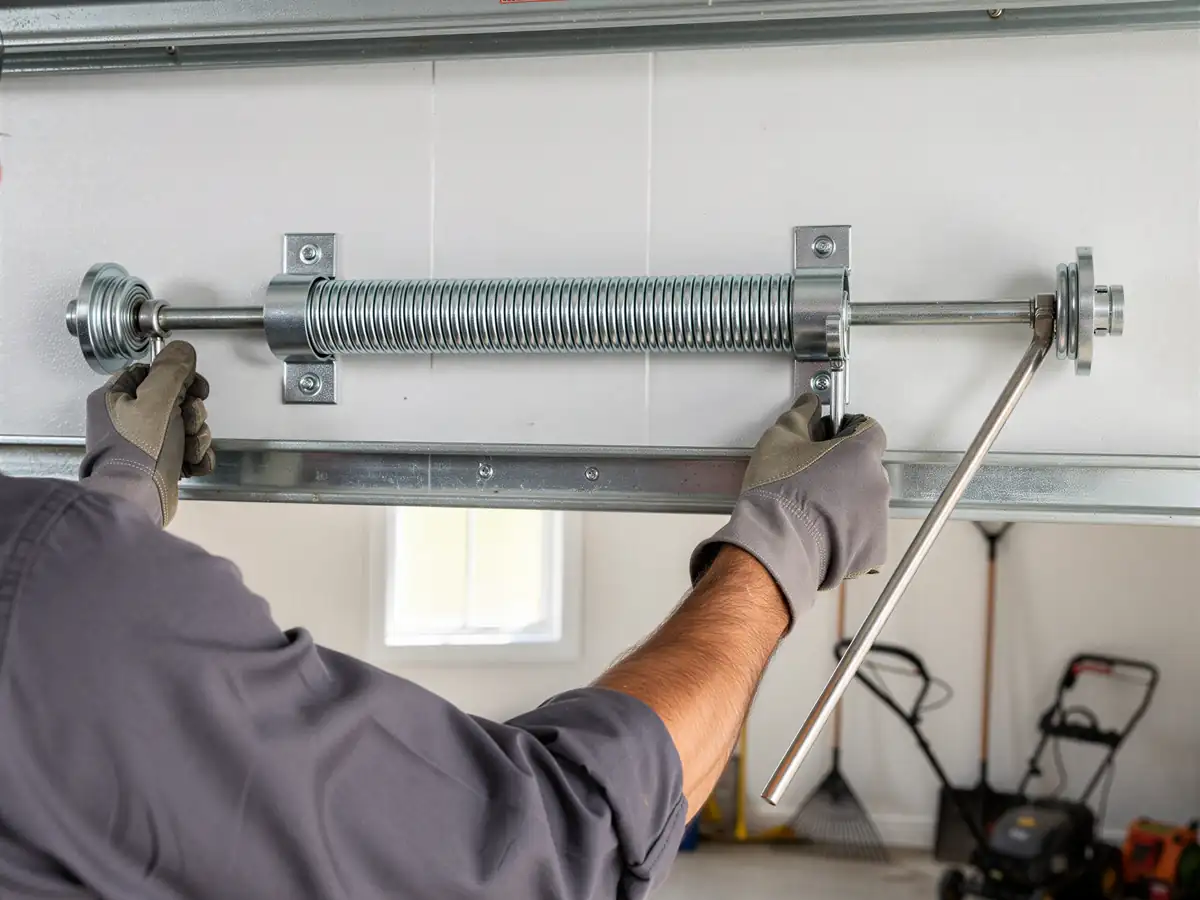
The mistake we see most is treating a garage door like it's one part instead of a system that was built to a standard that's thirty or forty years old. Most houses in this part of Chesapeake went up in the 1980s and 90s, which means single-layer steel doors with no insulation layer at all - just a sheet of steel, a track, and a torsion spring sized for that bare panel. Owners call us about a noisy opener or a slow close and we find the real issue is the door itself: it's heavier than it should be from rust at the bottom panel, or it's been fighting moisture swings for decades with a spring that was never rated for the extra drag. Swapping the opener fixes nothing if the door underneath is the problem. The other mistake is waiting. A single-layer steel door with no thermal break doesn't fail all at once - it sags a little, binds a little, and the opener starts working harder each month until something lets go, usually the spring, usually on the coldest morning of the year. If your house falls into that same build era, which a lot of this area does, the door is worth a real look before the opener takes the blame.

Season by Season

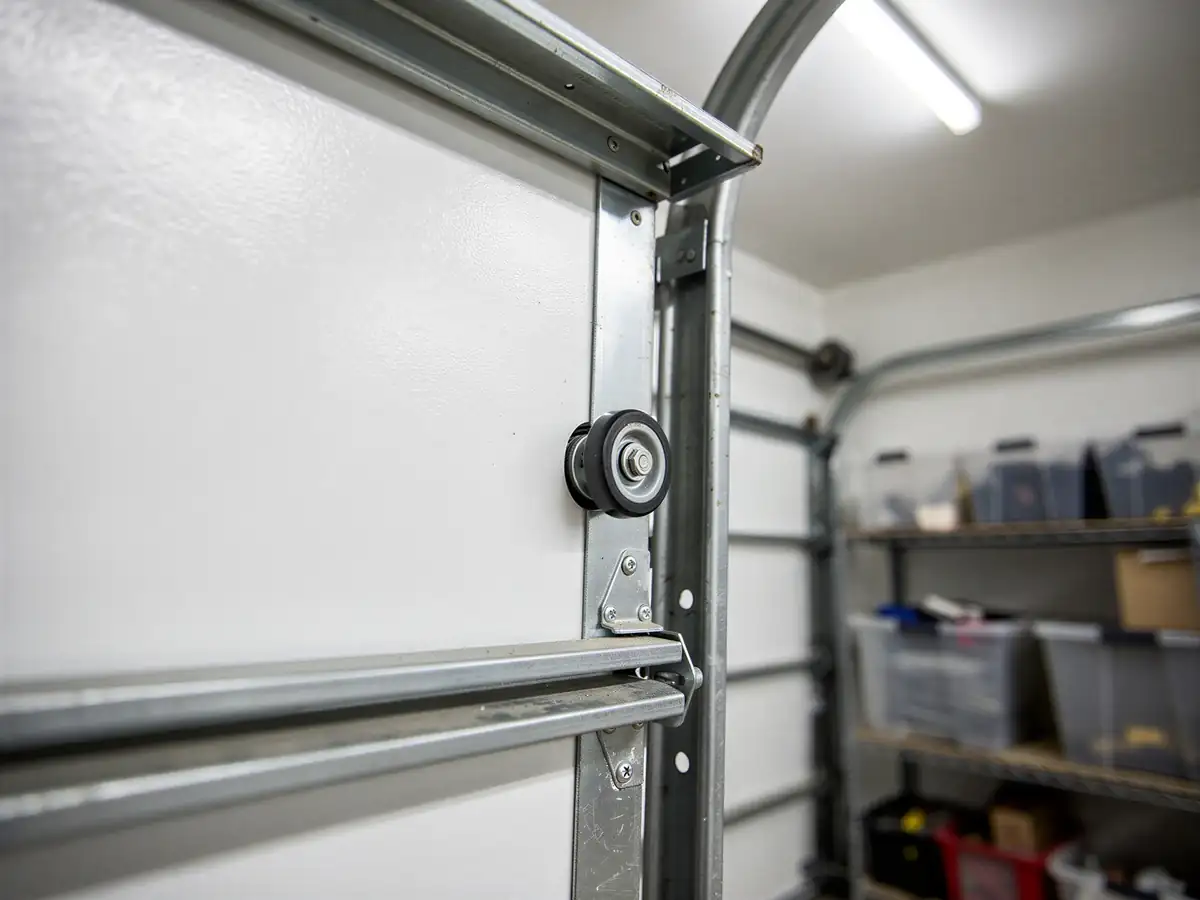
Chesapeake sits in a cold-moderate climate band, which means the door isn't dealing with deep freezes but it is dealing with real swings - damp, humid summers into cooler, sometimes frosty winters, and a lot of days in between where moisture is the constant. For a steel door with no insulation layer, that swing matters more than it would on an insulated panel, because the metal expands and contracts with every temperature change and there's nothing buffering it. Summer humidity swells wood jambs and trim around the door opening, which tightens tolerances on tracks that were already set decades ago. Winter cold stiffens the torsion spring's steel and thickens any old grease on the rollers, so the door that closed fine in August suddenly groans and drags in January. Neither extreme is dramatic on its own, but on a door that's been cycling through these swings for thirty-plus years without insulation to buffer the shifts, the cumulative wear shows up as cable fray, roller wear, and spring fatigue well before a newer, insulated door built to current standards would show the same symptoms. That's the pattern we actually see on service calls here, not a generic seasonal checklist.

What Local Conditions Do

Drive out toward three miles east-northeast, four miles north-northwest, and you'll see the same era of door on block after block - the 1980s and 90s stock that makes up most of this area. Out toward five miles south, nine miles east, the same pattern repeats: bare steel panels, original hardware, no insulation layer, all absorbing the same cold-moderate humidity swings year after year. What that combination does, specifically, is accelerate corrosion at the bottom panel seam where condensation collects, and it fatigues torsion springs faster than a dry, stable climate would, because the steel is working through more expansion-contraction cycles per year. With 15,020 owner-occupied houses across the service area and a median household income of $58,972, most owners here are weighing a $200 repair against a job that could run into the thousands, and that math only gets worse the longer a worn spring or rusted track is pushed past its limit. This isn't a coastal-storm story - it's a slow, steady wear story built from decades of ordinary humidity doing ordinary damage to doors that were never insulated to begin with.

The Problem

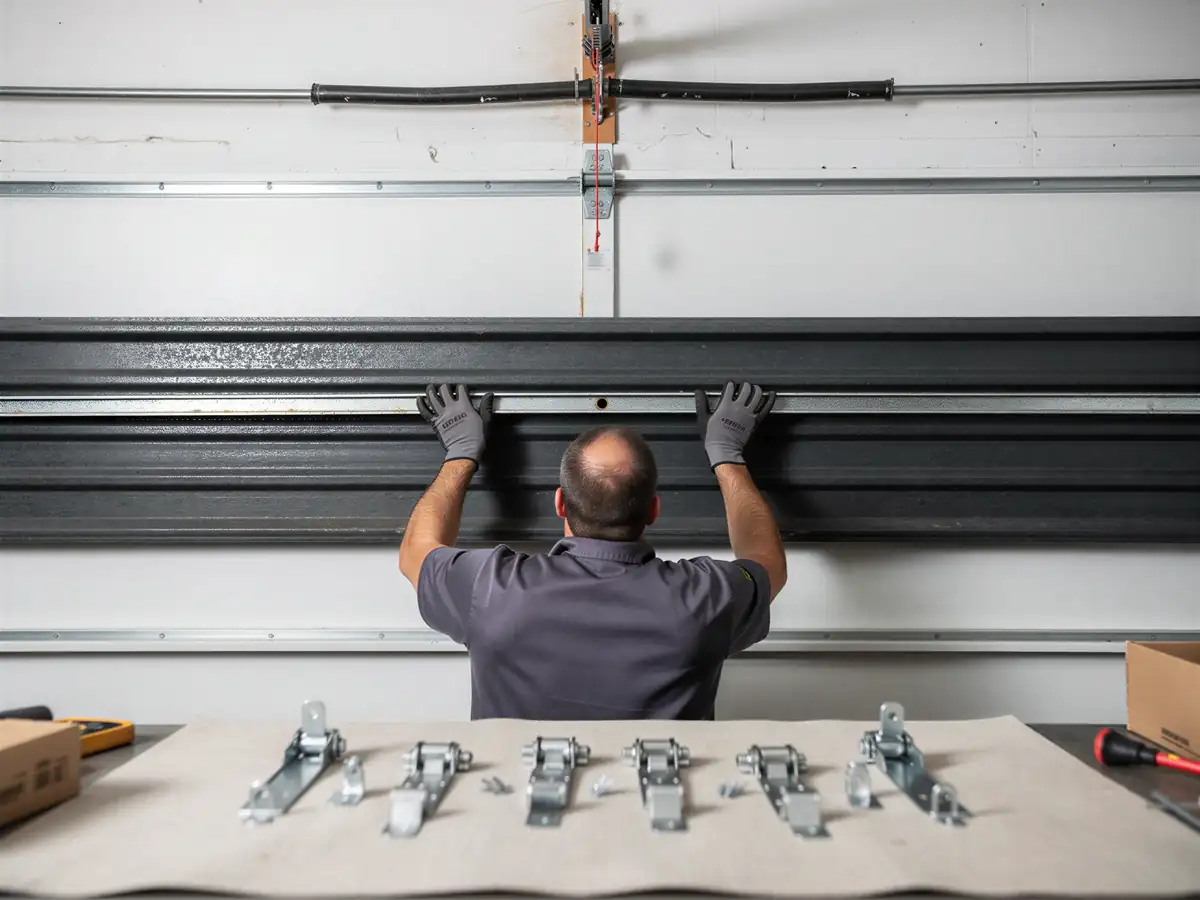
Here's the honest part: we can't retrofit real insulation into an old single-layer steel door for cheap. You can add a foam kit to the back of the panel and it helps a little with noise and a little with temperature, but it doesn't change the fact that the door, the track, and the spring were all sized for a build standard from the 1980s and 90s, not for today's expectations of a quiet, thermally stable garage. For a door still in decent shape - straight panels, no rust through, hardware that's just old rather than failing - a tune-up and a spring swap make sense and we'll tell you that straight. For a door that's past that point, patching it is just delaying a bigger bill, and on a bare steel panel that's been cycling through Chesapeake's humidity swings for three decades, that point arrives sooner than most owners expect. We'd rather tell you a repair isn't worth it than sell you one that fails again in a year.
How it works

From “it’s stuck” to “it’s fixed”

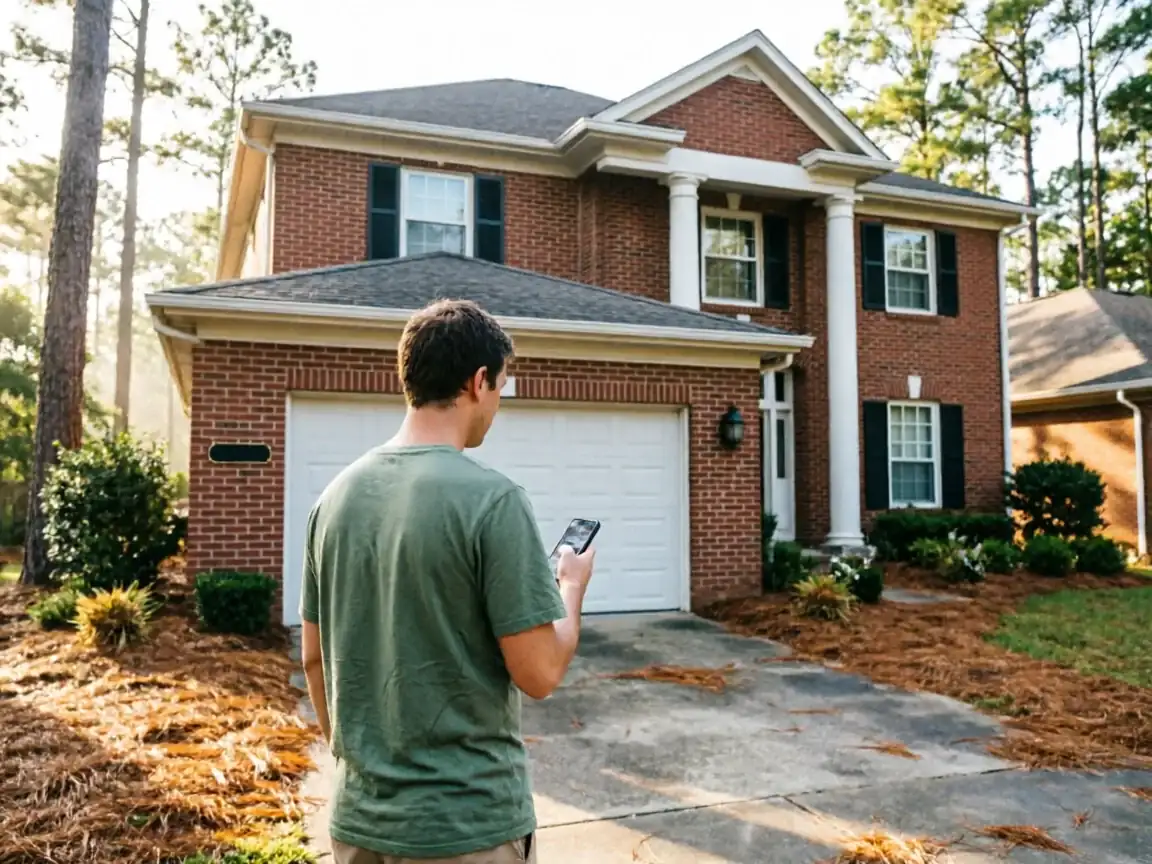
A man stands in a driveway looking at his phone in front of a brick house.

Tell us what’s wrong

Describe the symptom - won’t open, loud bang, opener runs but the door won’t move.

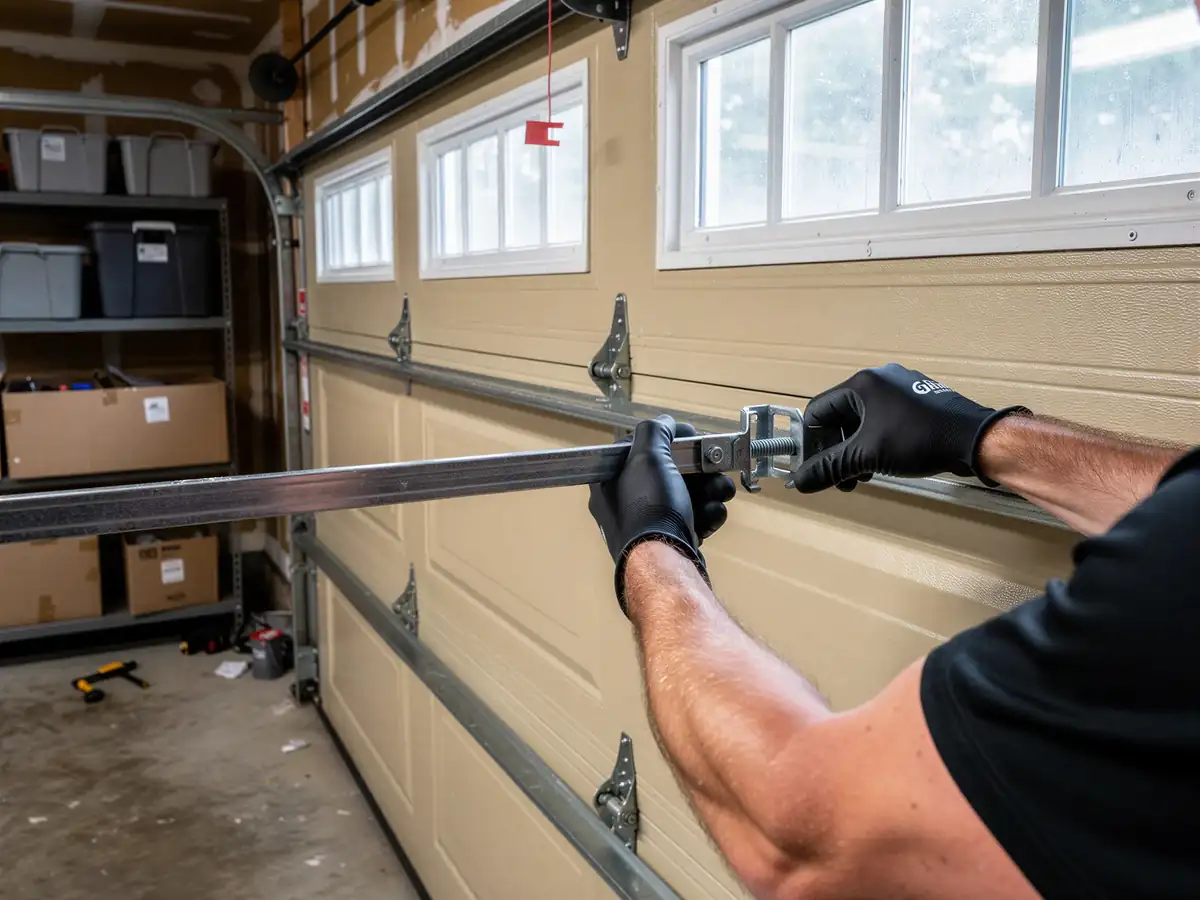
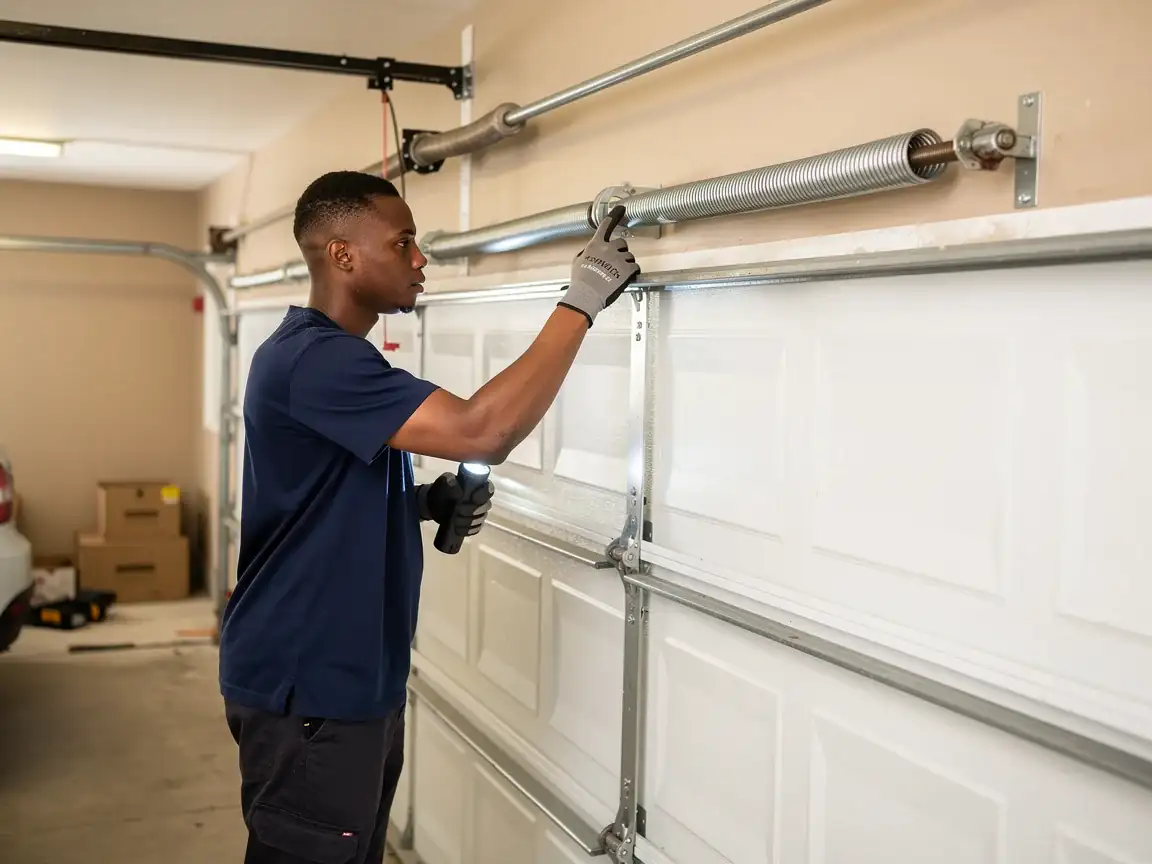
A technician inspects a garage door torsion spring with a flashlight.

On-site diagnosis

A technician tests the door under power and by hand and finds what actually failed.

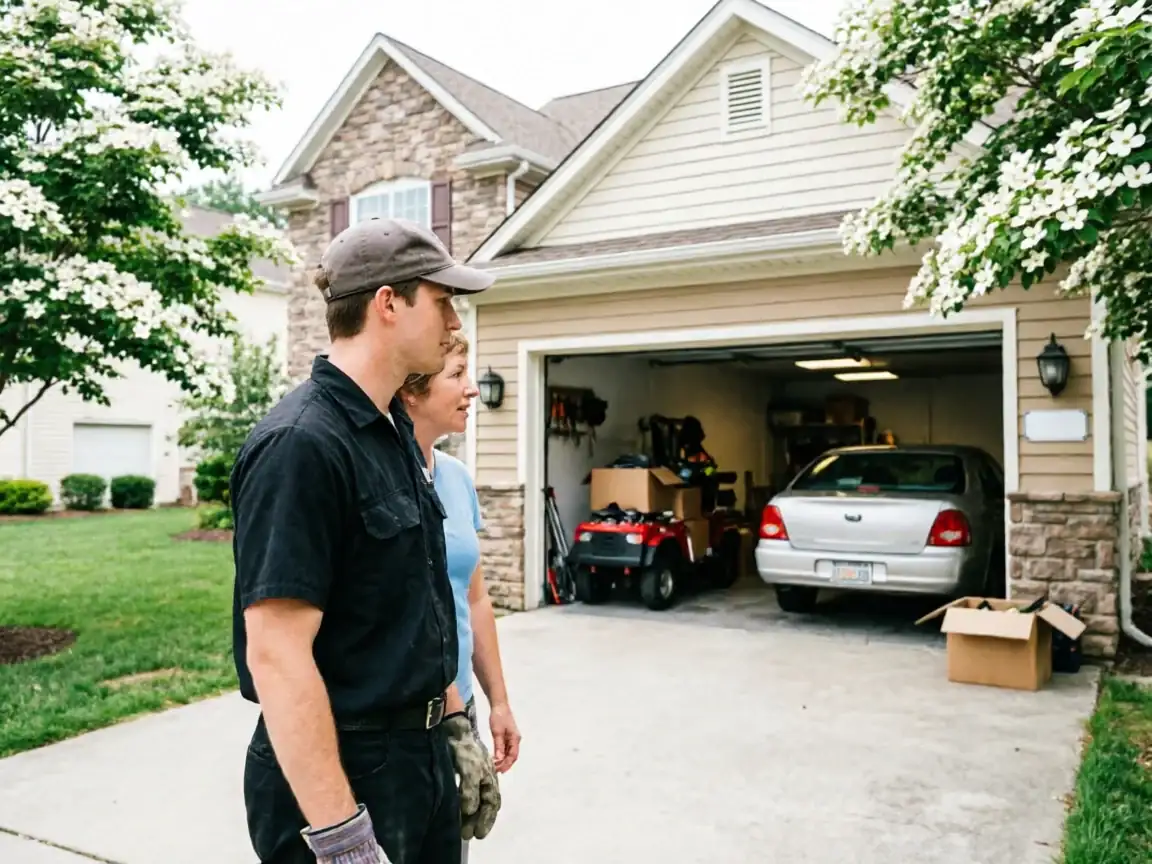
A technician and a woman stand in front of an open garage with a car inside.

Clear, up-front plan

You get the fix that’s needed and what drives the cost - before any work starts.

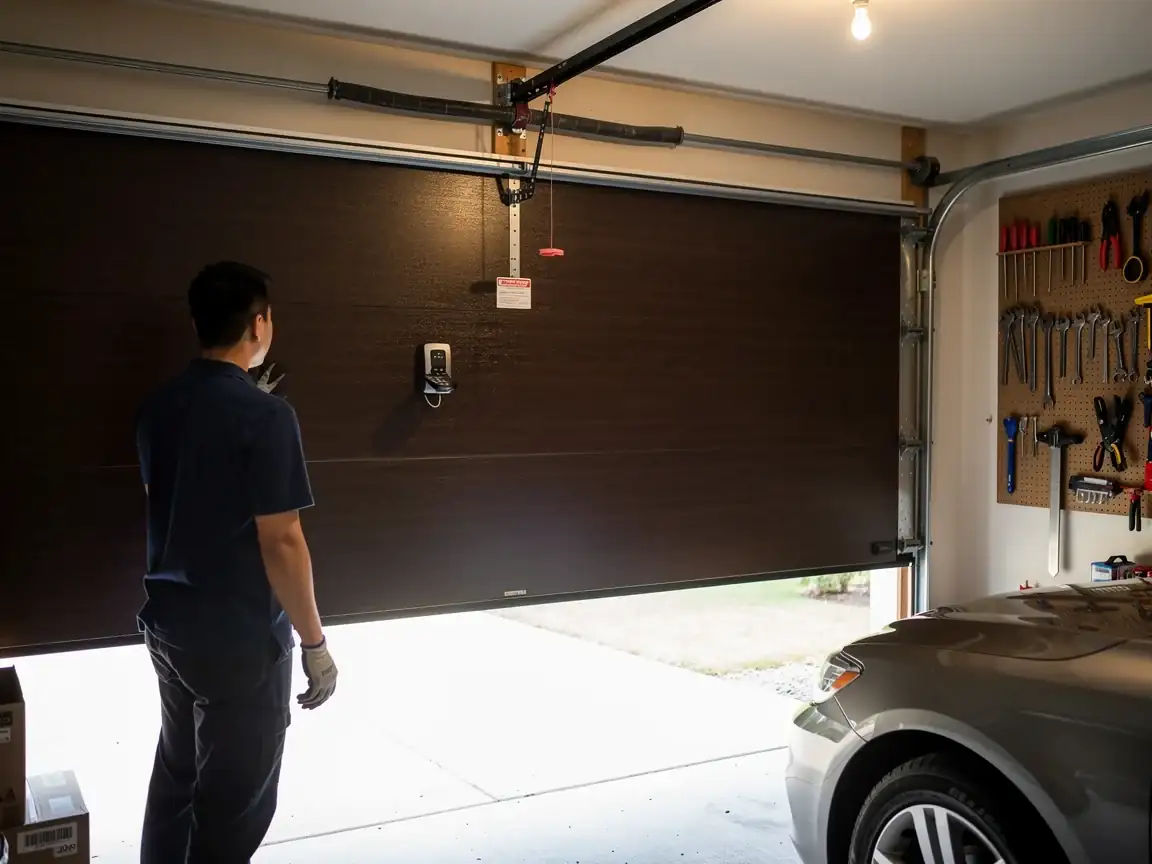
A technician stands in a garage looking at a brown garage door.

Repaired & tested

The repair is done, the door is set true and tested, and the work area left clean.

Not sure which repair your door needs in Chesapeake, VA? Describe what it’s doing - every job starts with a diagnosis.

3areas covered
How we work

What to expect

Diagnosis firstEvery visit starts by finding what actually failed - not a pre-written parts list.
The right part for the doorSprings and openers matched to the door’s weight and age, so the fix holds up.
Straight answersWhen a repair makes more sense than a replacement - or the reverse - you hear it plainly.
Clean, careful workTension released safely, hardware set true, the door tested under power before we leave.
What we do

Garage Door Services

Repair and installation work for Chesapeake homes and businesses.

Questions

Frequently asked

Straight answers about garage door repair in Chesapeake. Still unsure? Ask us directly.

Why does my garage door get so much harder to open in winter?

Cold stiffens the torsion spring's steel and thickens old grease on the rollers, so a door that worked fine in warmer months drags or binds once temperatures drop. On a bare steel door from the 1980s or 90s with no insulation layer, that stiffness shows up more than it would on a newer, insulated door.

Is it worth insulating my old garage door?

Adding a foam kit to an existing single-layer steel panel helps a little with noise and temperature, but it doesn't bring the door up to current standards. If the panel and hardware are otherwise sound, it can be worth it. If the door is already rusting or sagging, that money is better spent on a tune-up or replacement.

How do I know if it's the spring or the opener failing?

If the opener motor runs but the door barely moves, or moves unevenly, the spring is usually losing tension, not the motor. On original hardware from the 1980s-90s build era common in this area, a tired torsion spring is the more common failure point than the opener itself.

Ready to get your garage door sorted?

Tell us what it’s doing and where you are in Chesapeake - we’ll take it from there.

Request a QuoteCall