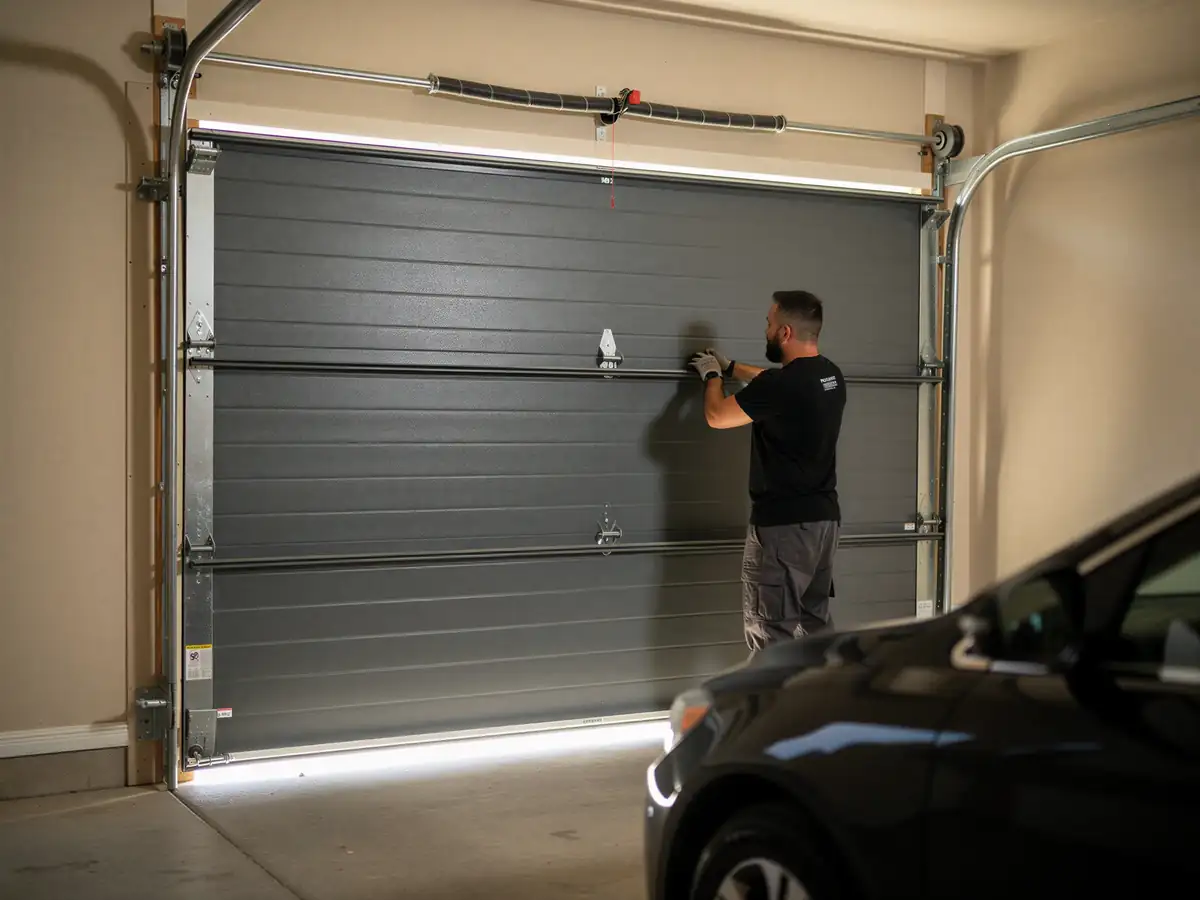
How Long It Takes
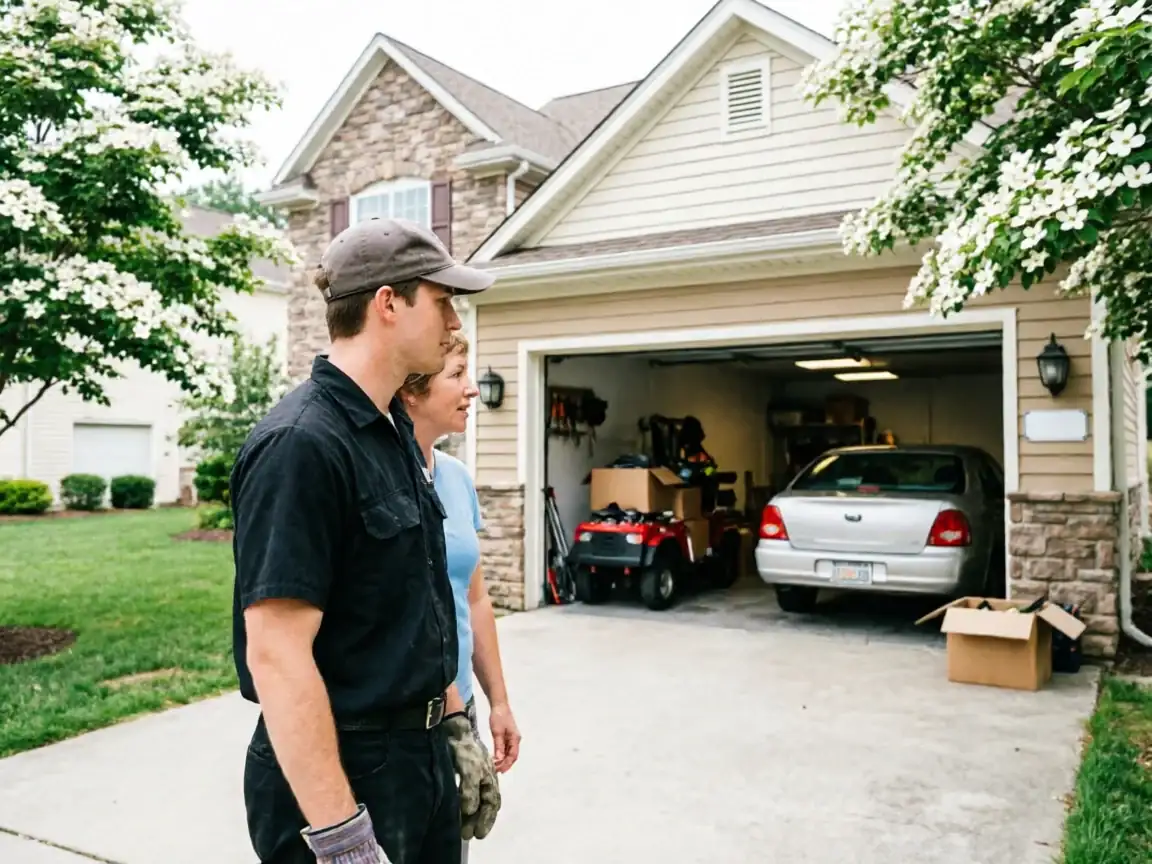
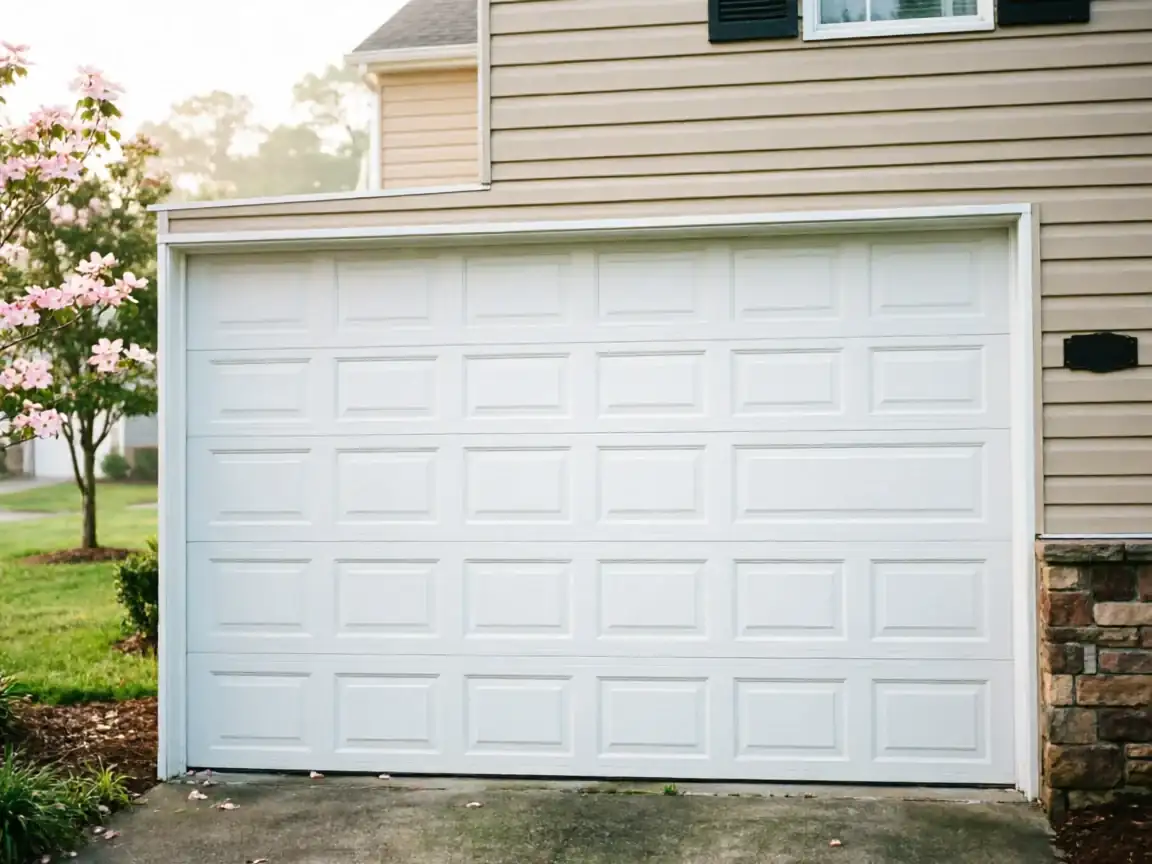
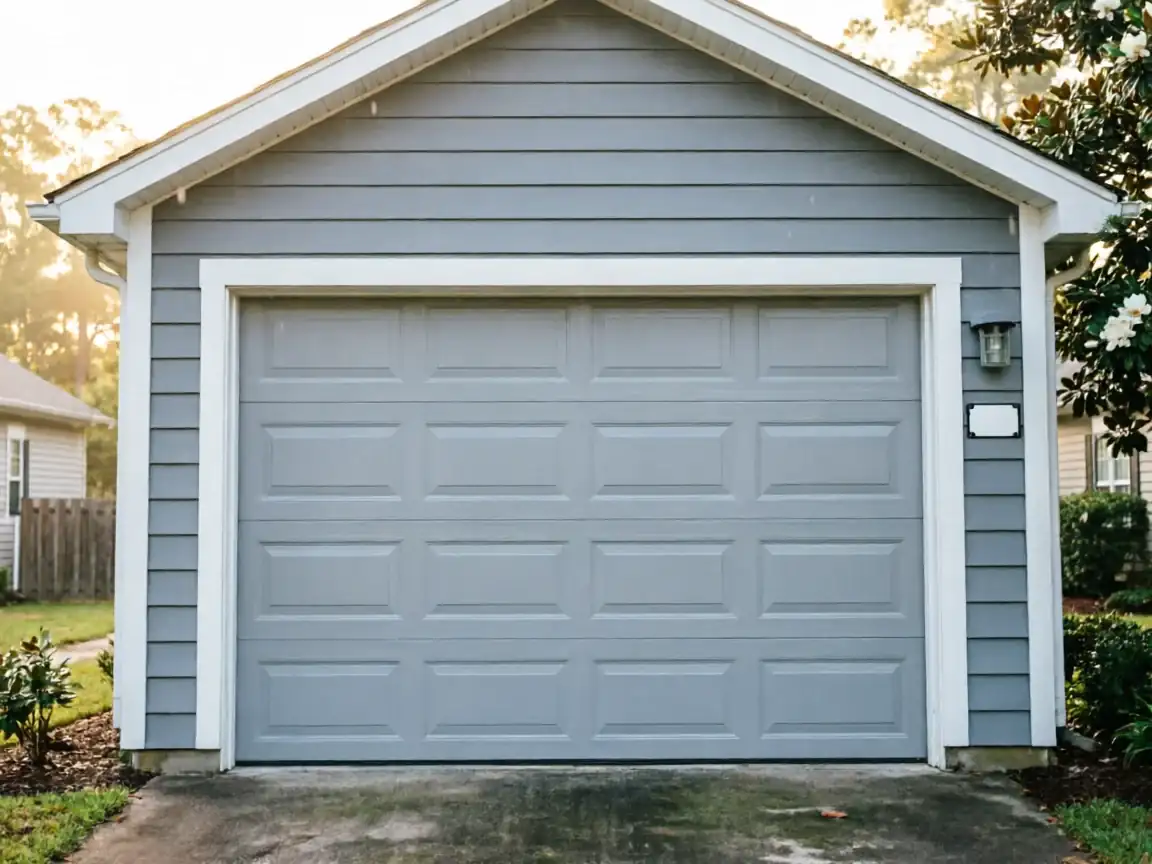
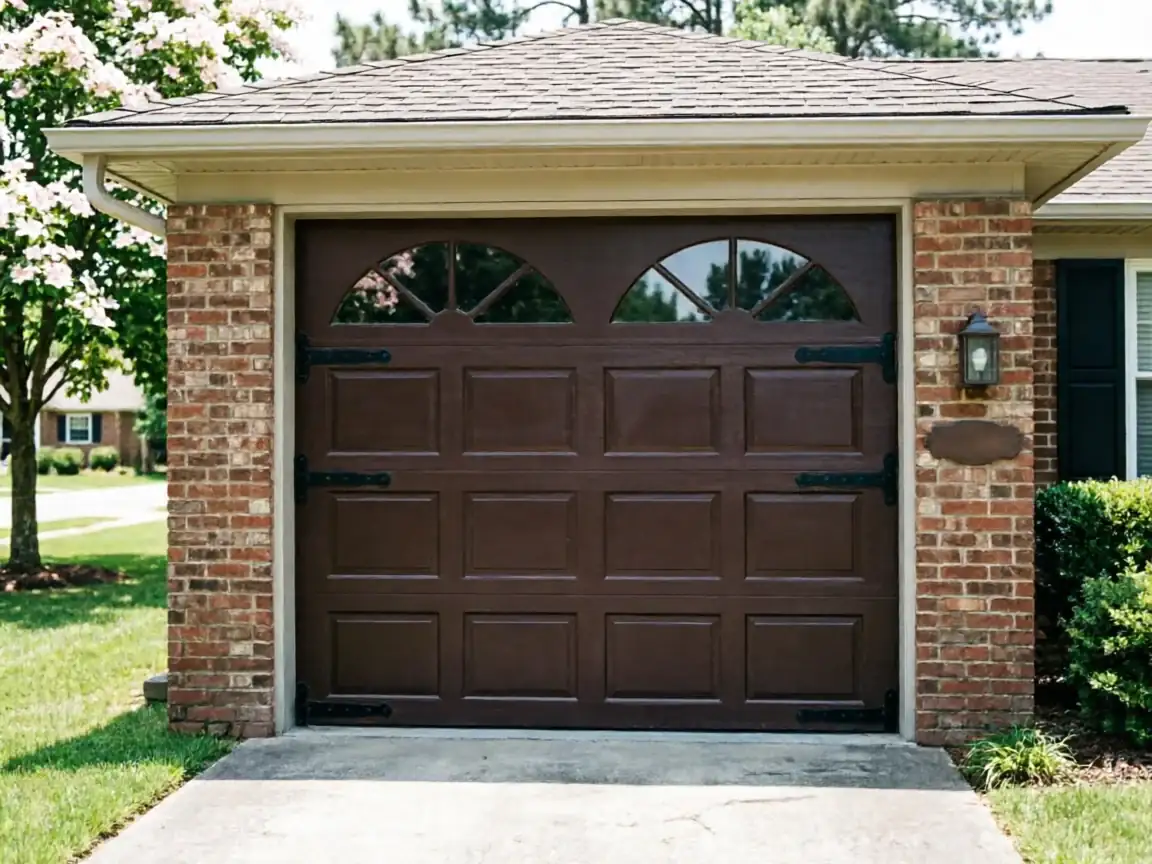
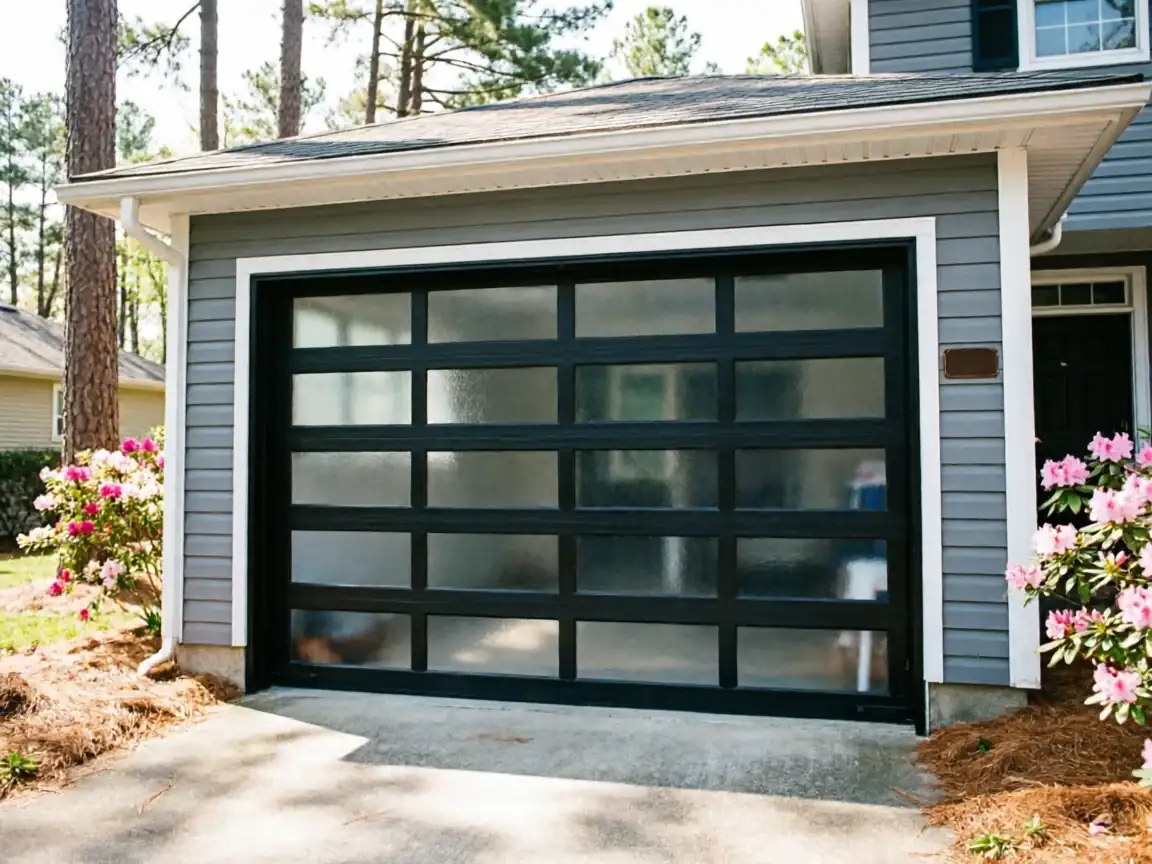
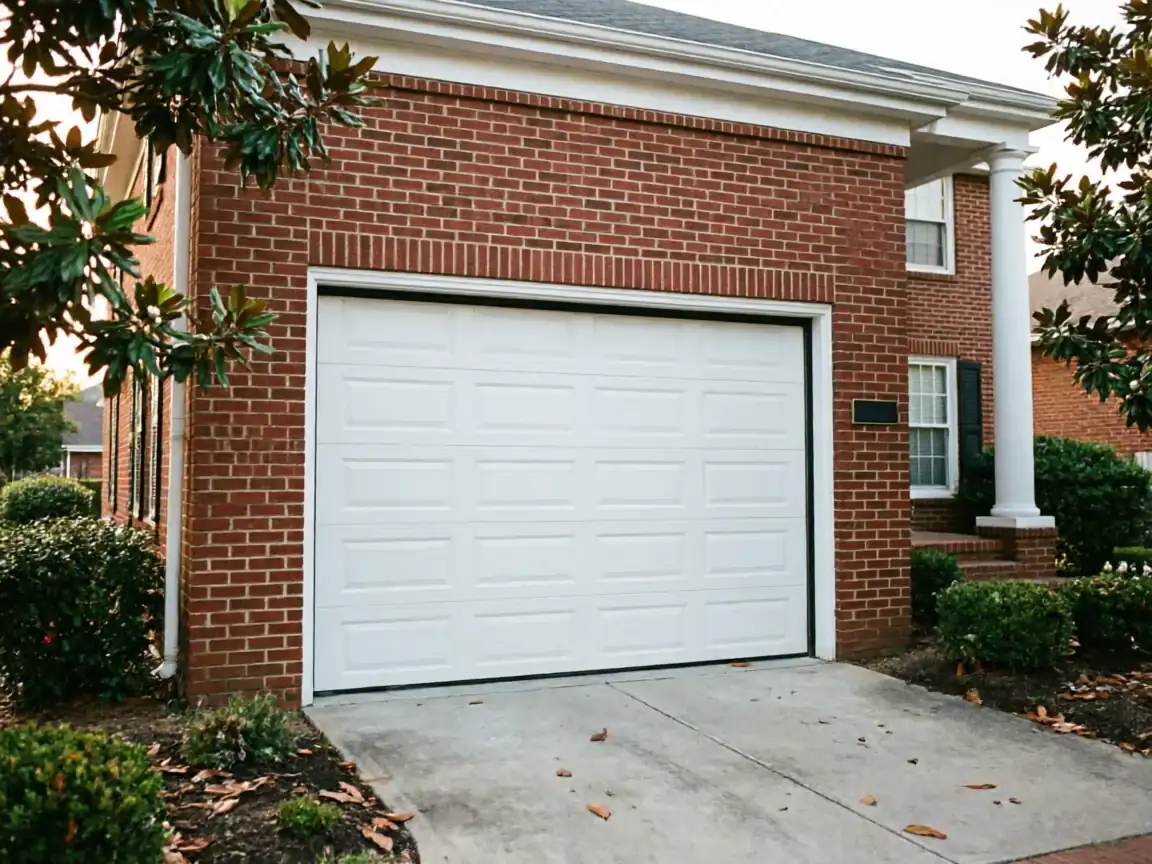
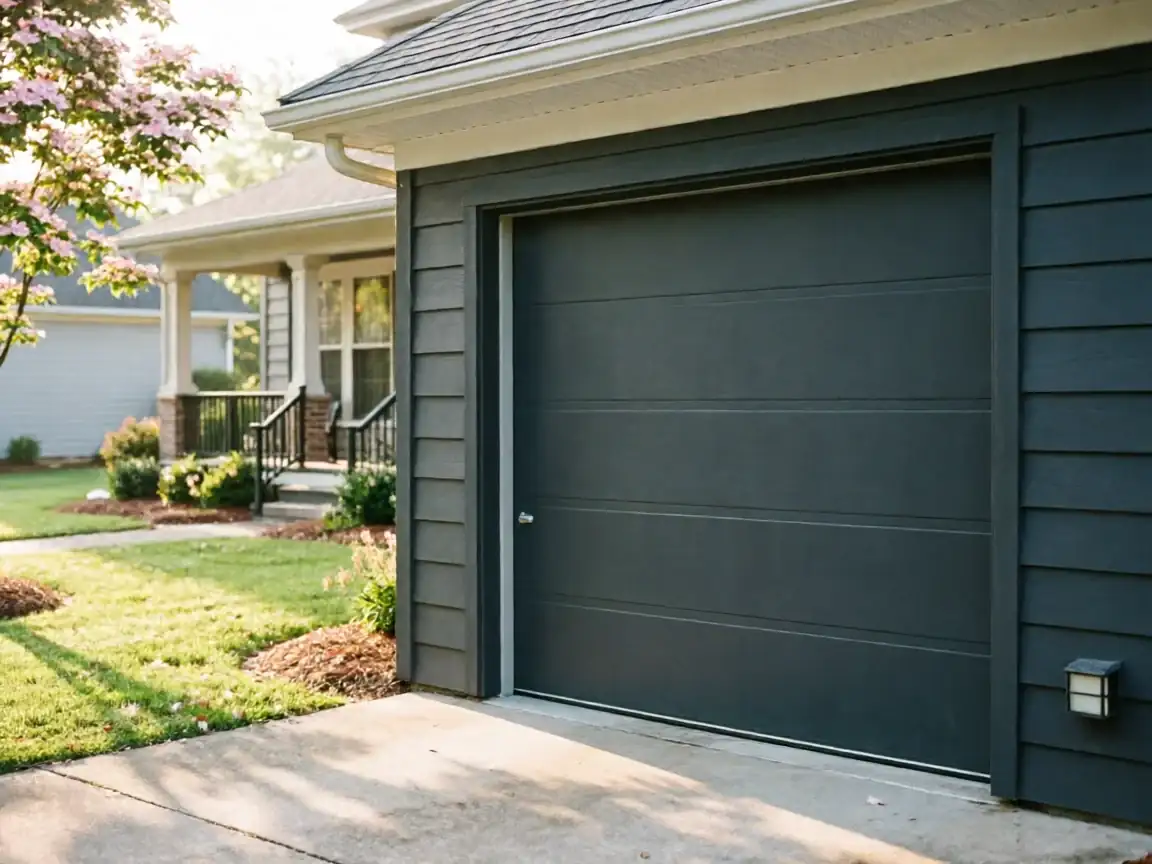
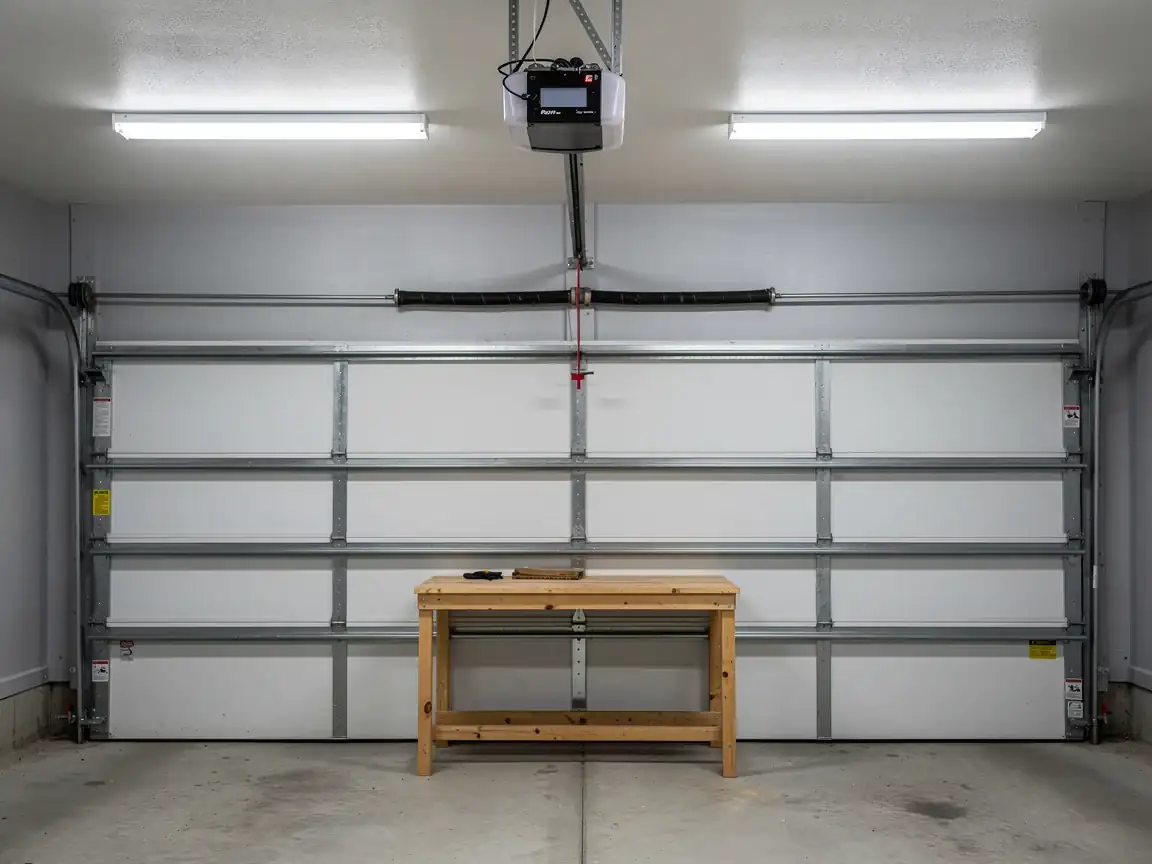
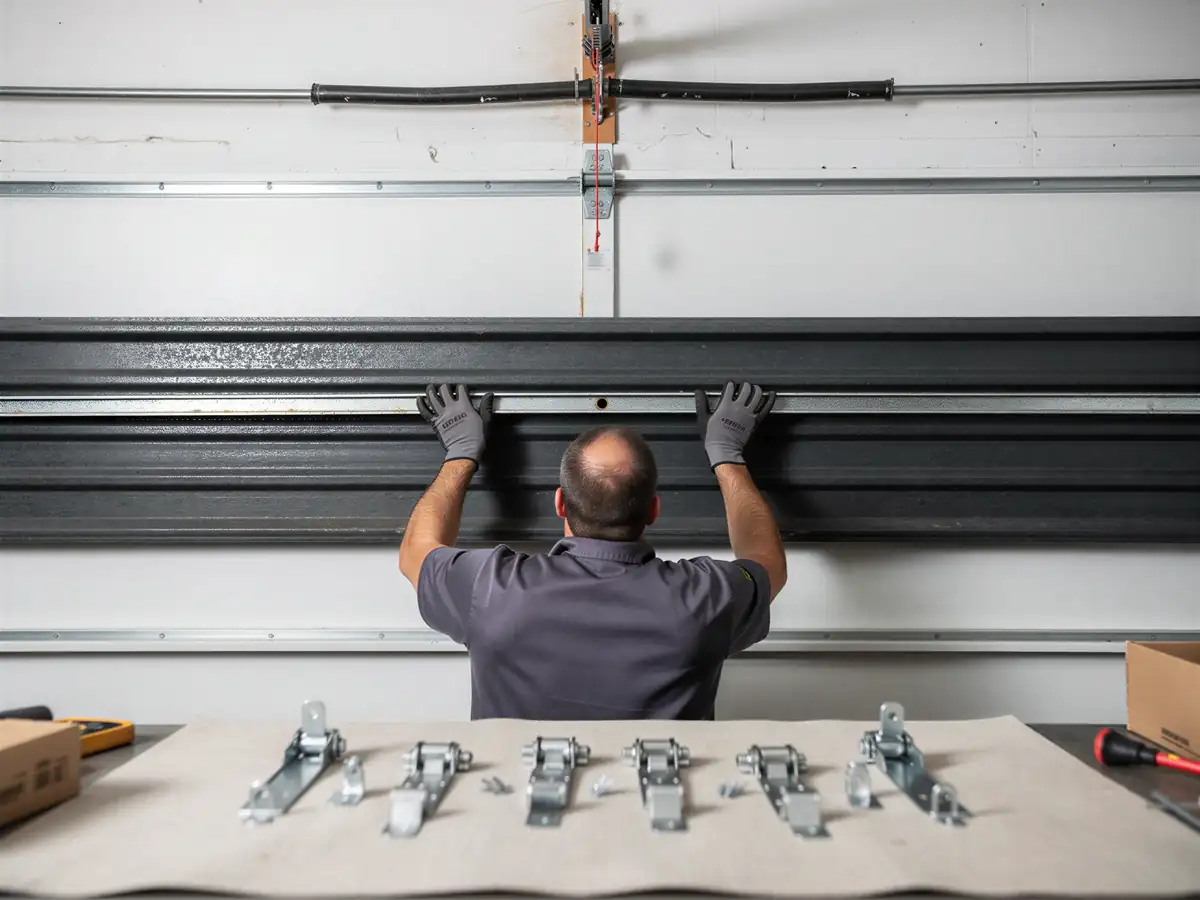
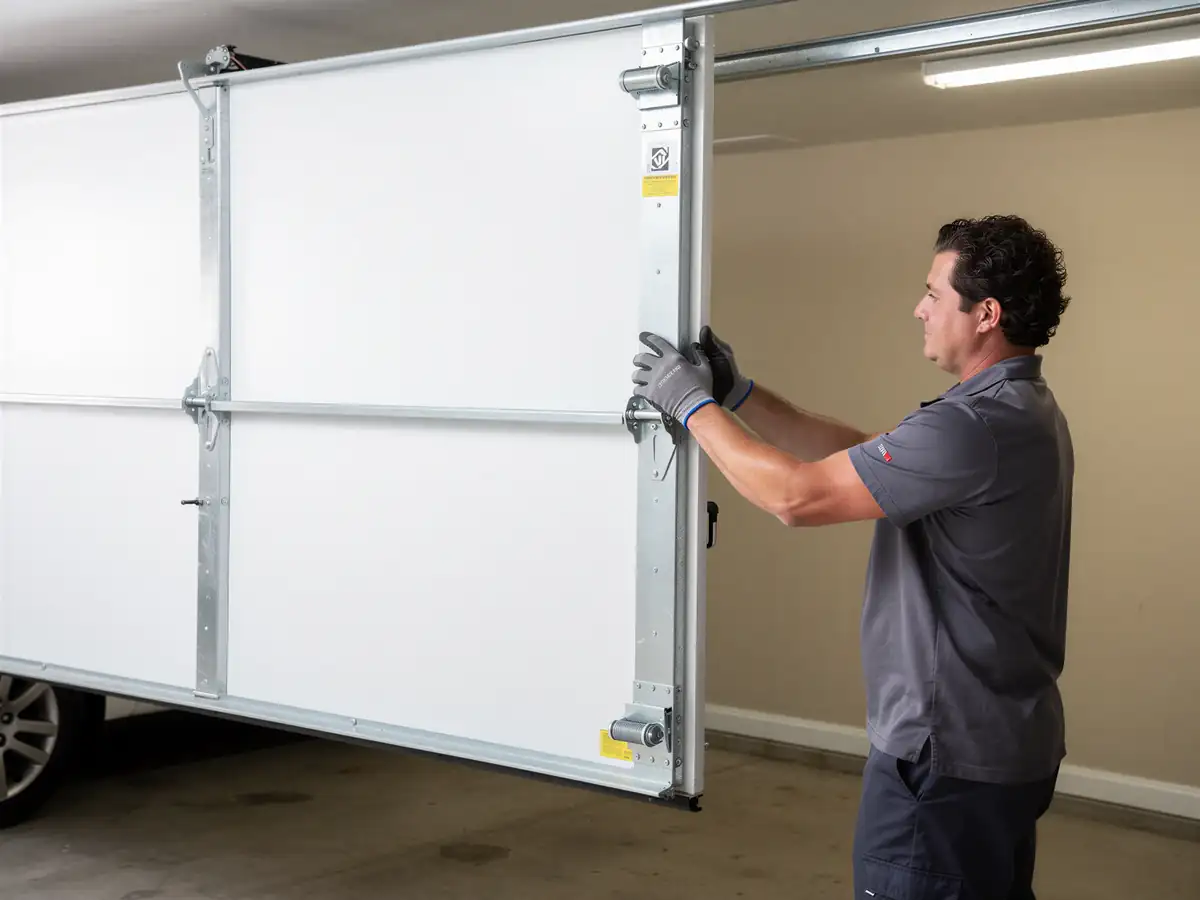
A single garage door, stripped out and replaced with a new one on existing track, usually runs a half day start to finish. Add a second door on the same visit and you're looking at a full day, since the opener, track alignment, and balance check all have to happen twice. If the old jamb or header is rotted or out of square - which turns up more than you'd expect on houses from the 1980s and 90s around Chesapeake - plan on extra time to shim and reframe before the new door ever goes up. We won't rush that part. A door that's hung slightly out of square will bind on the rollers within a year, and then you're paying for the install twice. If you're swapping a single door for an insulated double-skin model, the opener often needs to come out too, since older chain-drive units aren't matched to the added weight.
What the Repair Takes
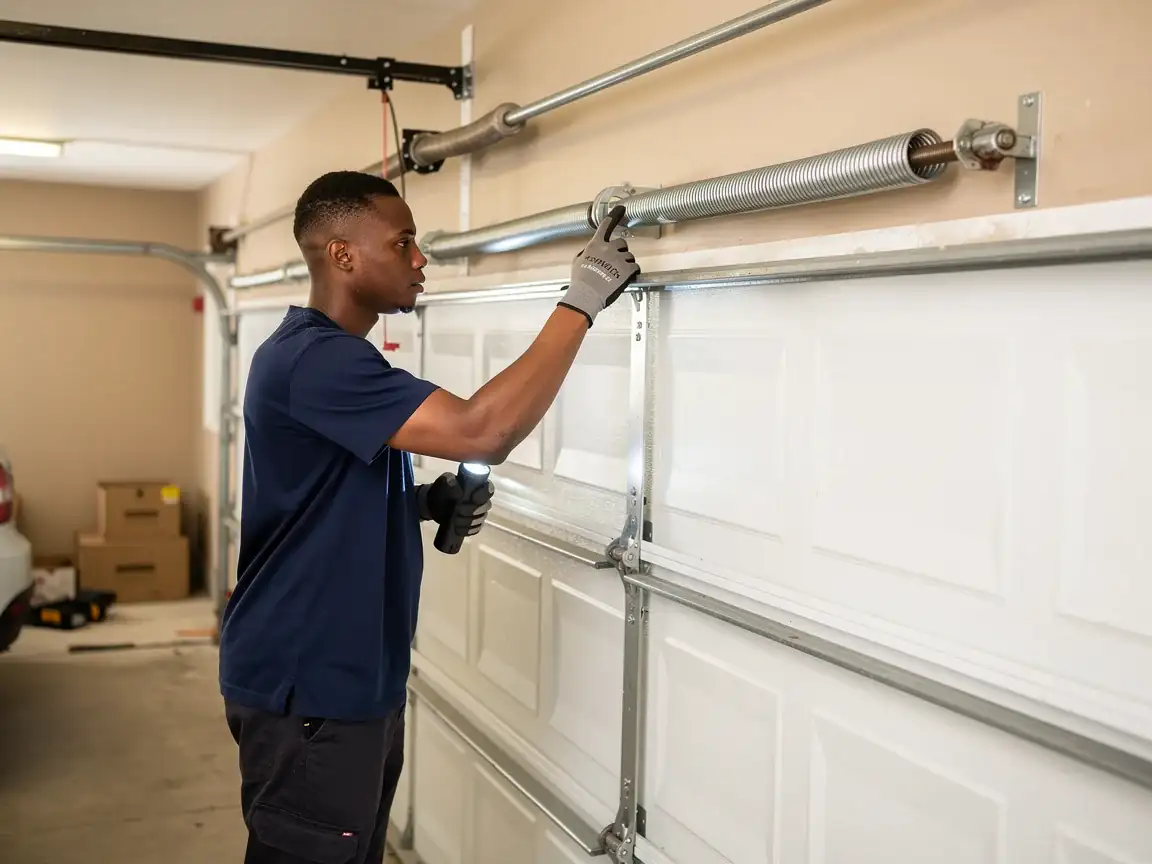
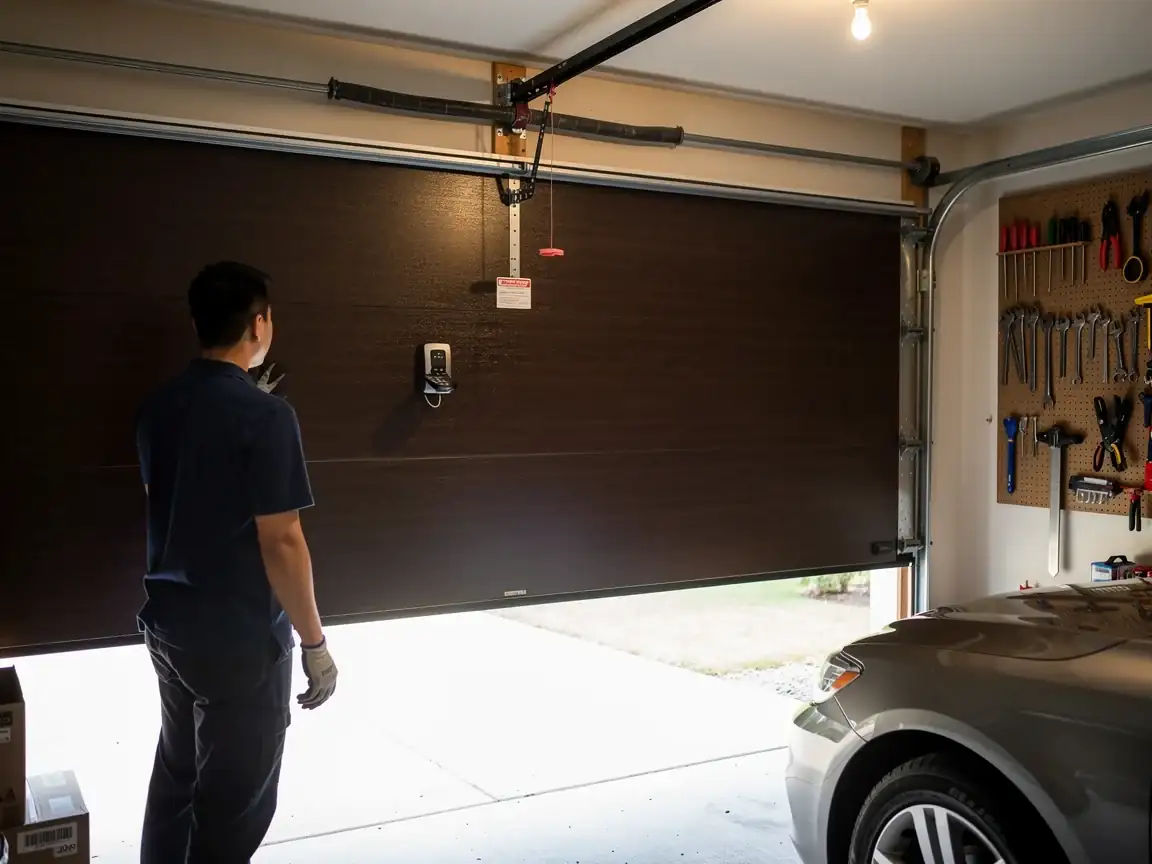
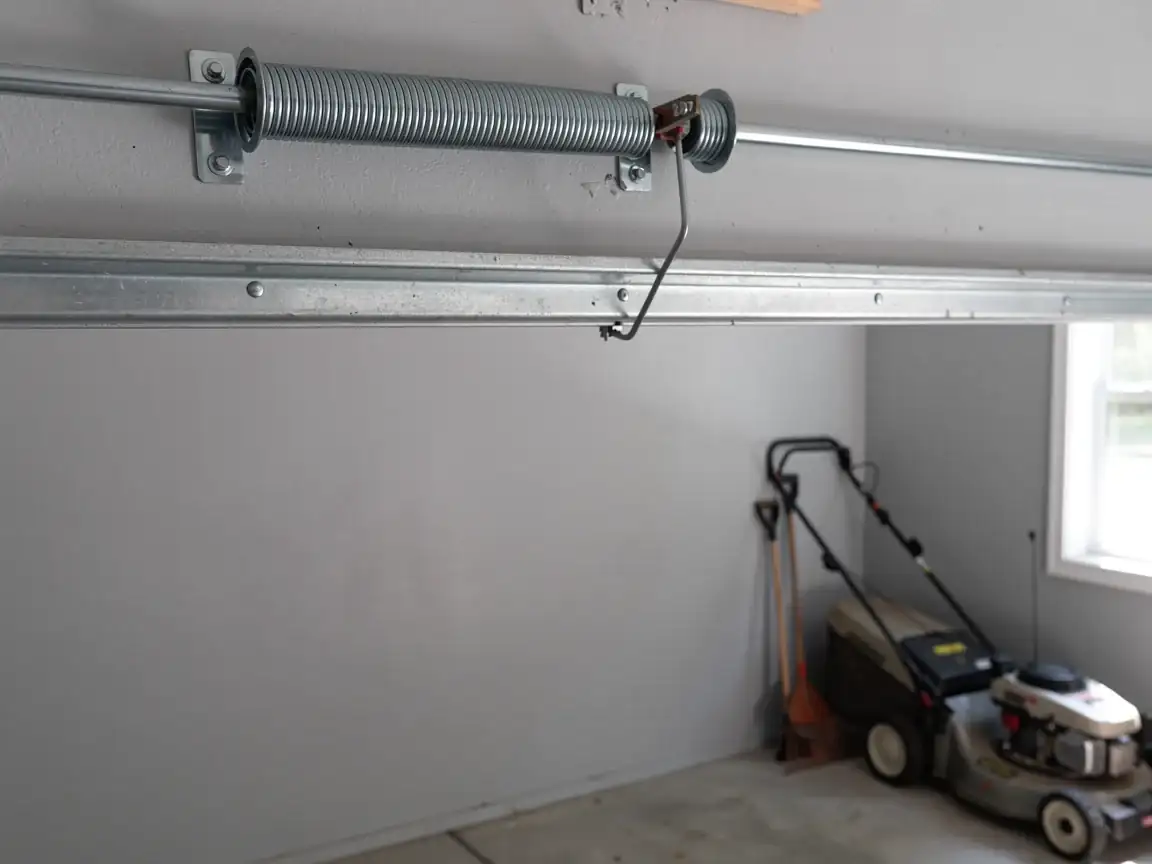
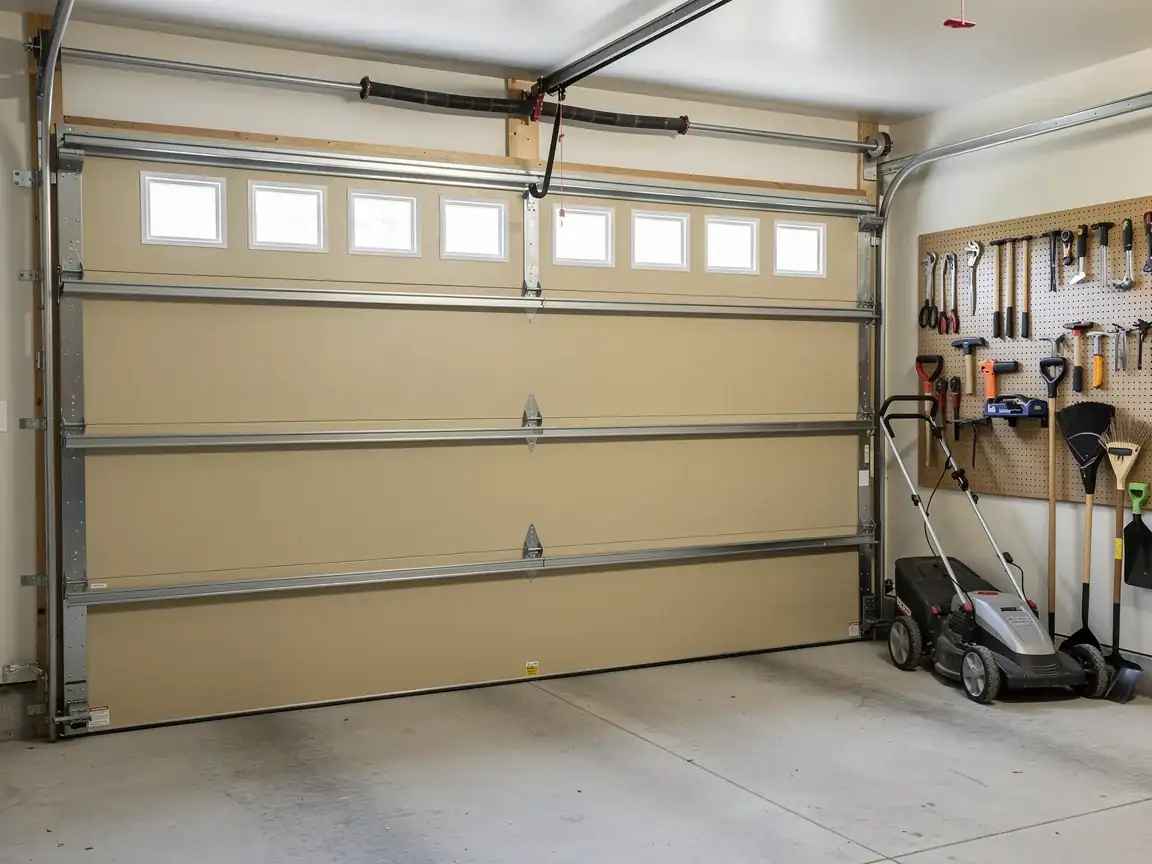
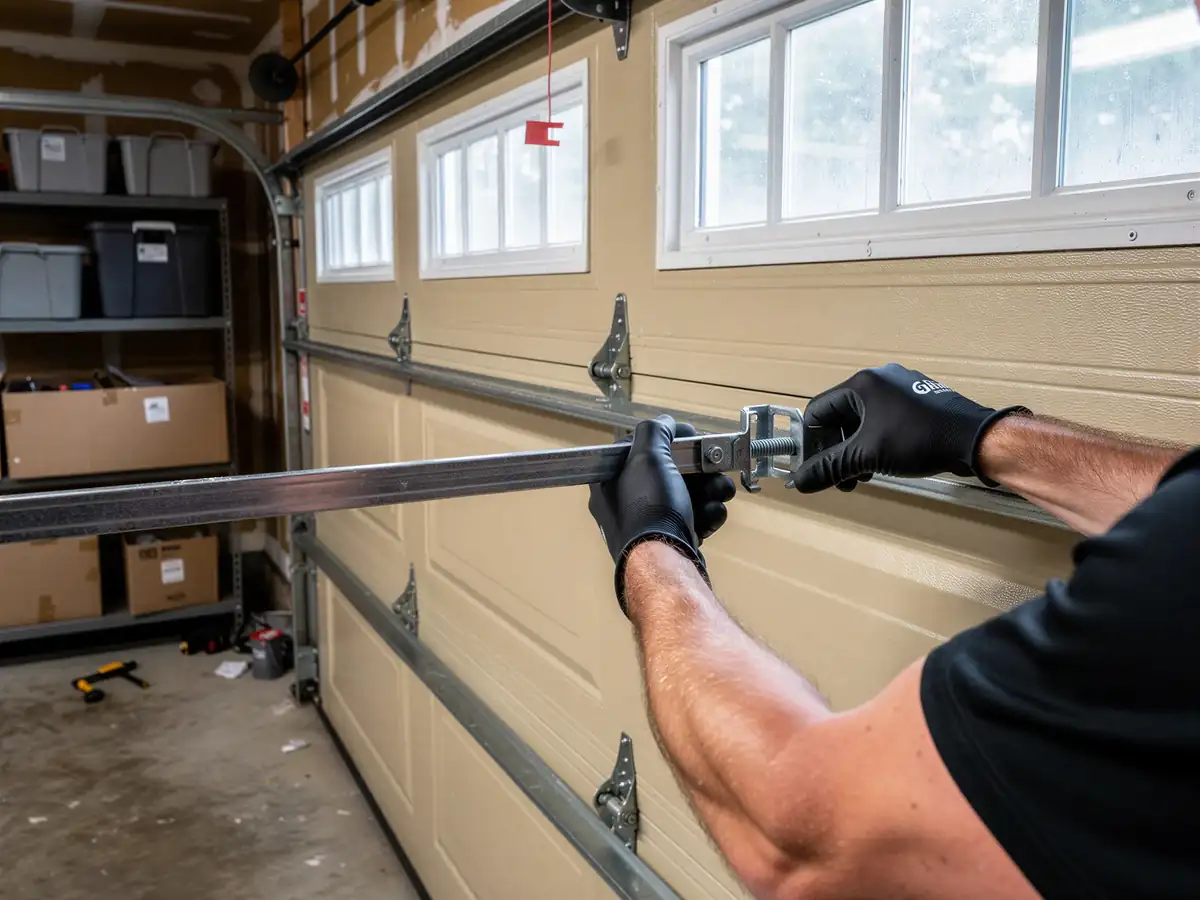
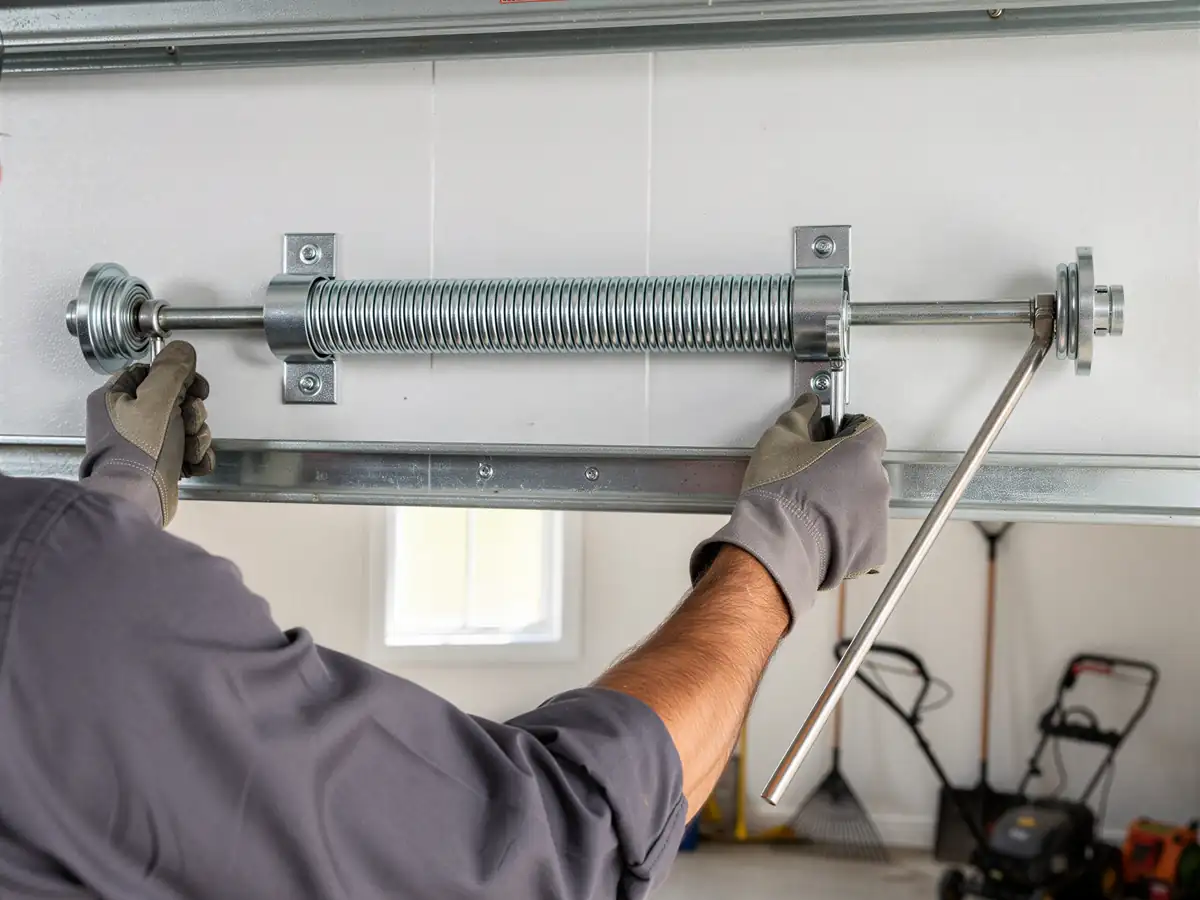
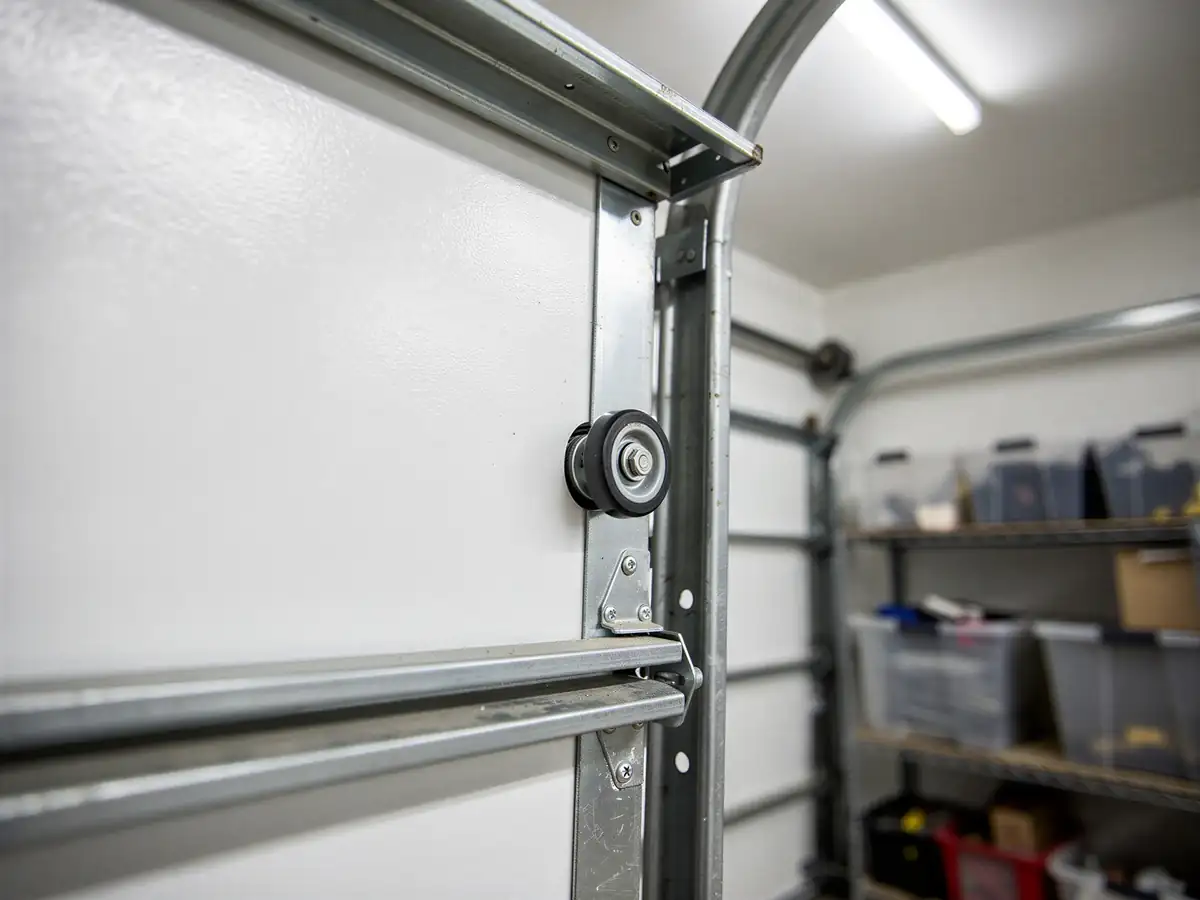
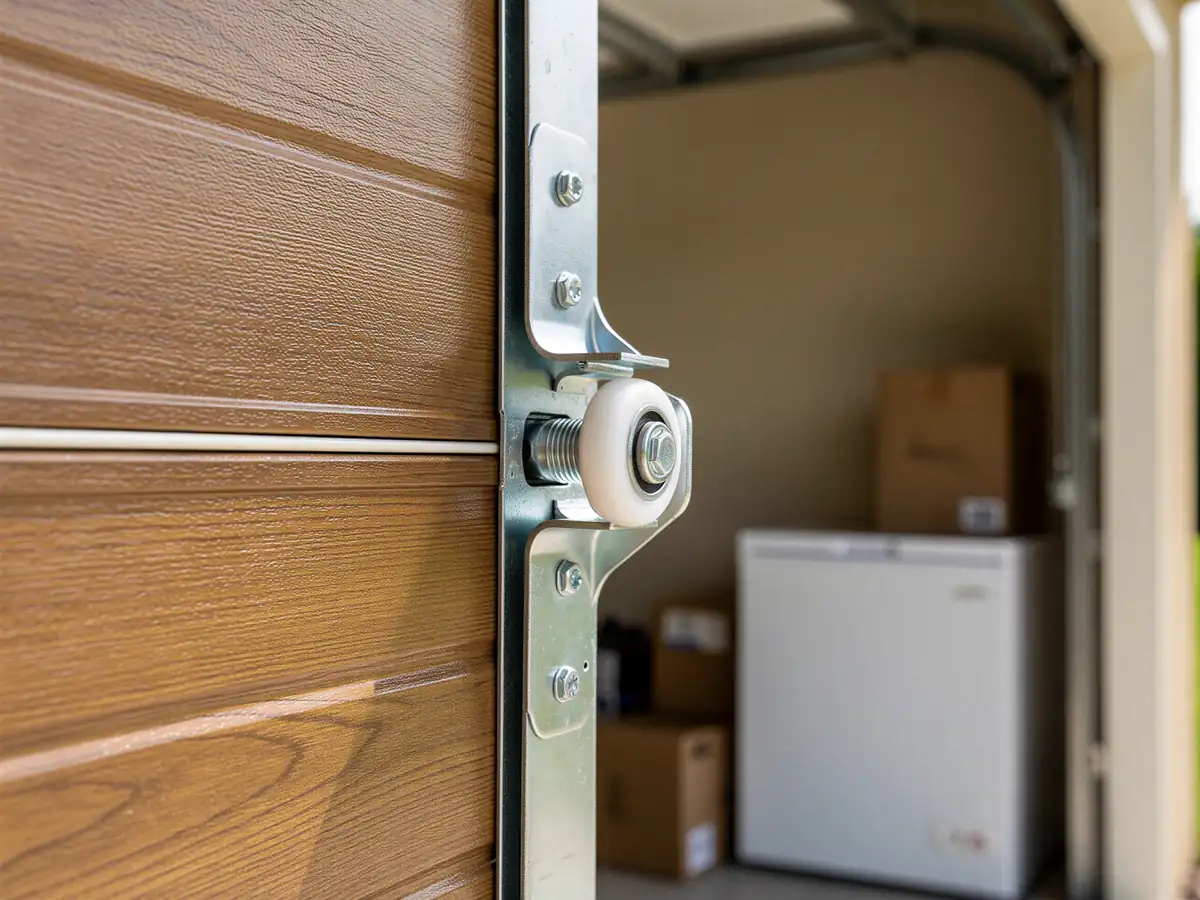
Installation isn't just hanging a new slab. We pull the old door, inspect the track and jamb for rot or rust (common on houses from the 1980s and 90s where the original flashing has worn thin), and resize the new track and springs to match the actual weight of the door you're putting in - not the one that's coming out. Torsion springs get set to the new door's exact weight, not eyeballed, because an under-sprung door will slam and an over-sprung one will shoot up and wear the cables fast. If you're upgrading to an insulated door, which makes sense given the area's cold-moderate winters and the age of most of the original uninsulated stock, we also check whether the existing opener can handle the added weight before deciding whether it's worth reusing. One honest limit: if the framing around the opening is badly out of square or rotted past the header, that's a carpentry job before it's a door job, and we'll tell you that rather than hang a door on bad wood.
The Symptom
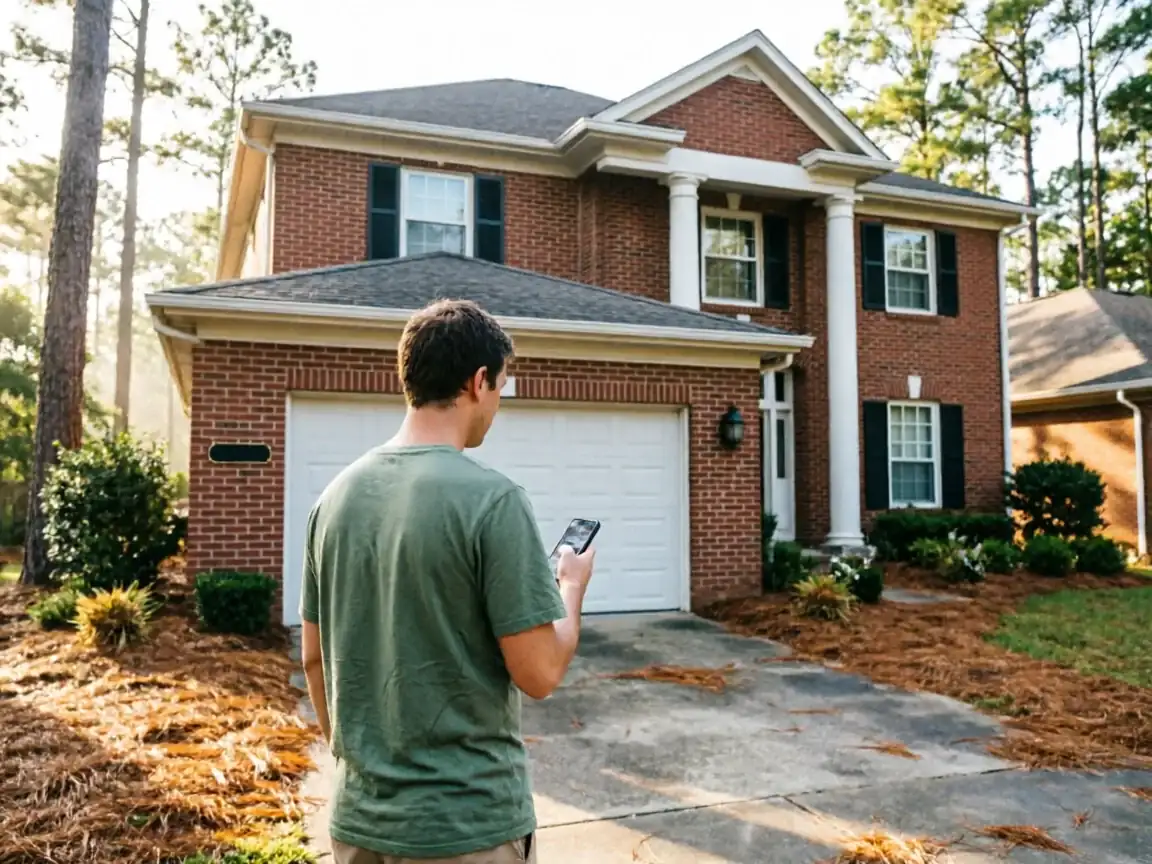
The giveaway isn't usually a door that won't open. It's a door that still works but tells you it's tired: a bottom panel that's started to bow, rust freckling along the bottom seam, a door that feels heavier to lift by hand than it used to, or a noticeable temperature difference in the garage compared to a few years back. On a house built in the 1980s or 90s stock that makes up most of Chesapeake, those are all signs of an original door reaching the end of its run rather than a single part failing. If you're weighing a patch repair against full installation, the age of the door matters more than the symptom - a thirty-five-year-old single-layer steel door with a bad panel usually isn't worth patching. You can see our other services at /.