How Long It Takes
Most torsion spring and cable jobs we run in Chesapeake get done in a single visit, start to finish, once we're on site with the right spring size for your door. The honest limitation: if your opener is an older or less common model, the circuit board or gear kit sometimes isn't something we carry on the truck, and that part has to be ordered in. We'll tell you on the spot whether your job is a same-visit fix or a parts-order situation, instead of guessing and leaving you waiting around.
What slows a job down almost never has to do with the actual wrench work. It's diagnosis - figuring out whether a door that won't open is a dead spring, a stripped gear in the opener, or a bent track from someone backing into it. We check all three before we quote anything, because replacing a spring on a door that actually has a track problem doesn't fix the symptom you called about.
For straightforward torsion spring swaps, which make up a good chunk of our calls across the service area's older subdivisions, the repair itself takes less time than people expect. The waiting is usually just us confirming we've got the correct spring wind and wire gauge for your specific door weight.
What Causes It Around Here
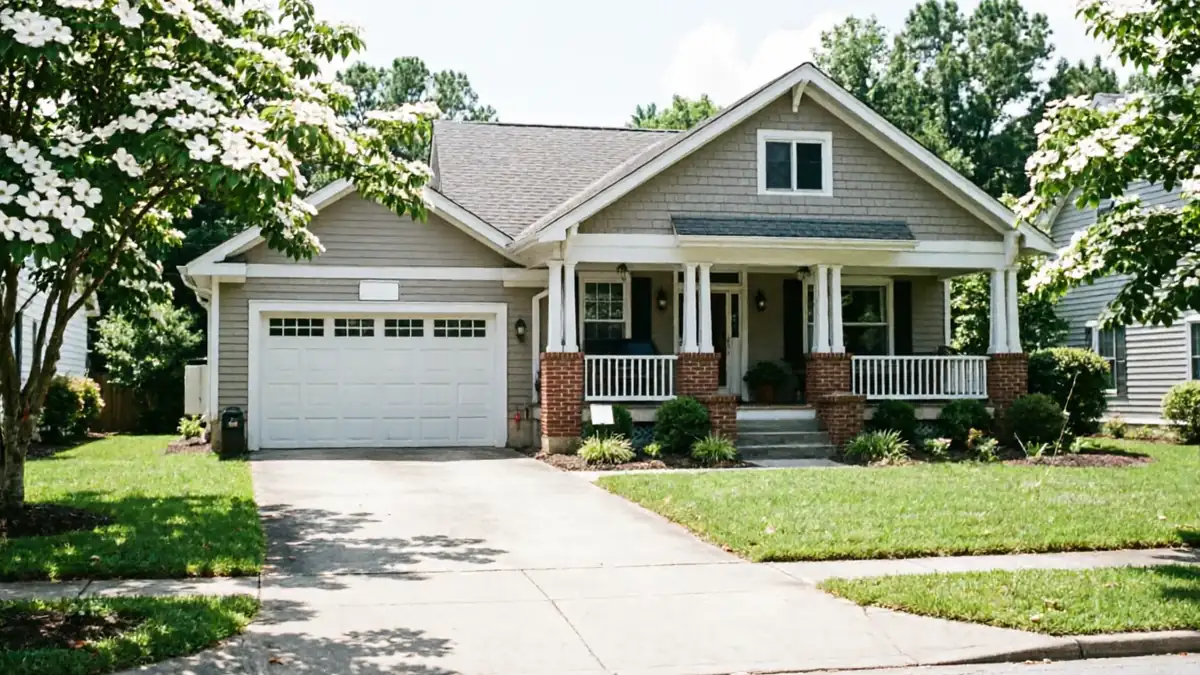
A lot of the housing stock in this part of Chesapeake dates to the 1980s and 90s
And that matters more than people think. Doors installed in that window are reaching, or have already blown past, the cycle life printed on the original torsion spring. Nobody replaces a spring on a schedule - it just lets go one morning, usually on the coldest or most humid day of the stretch.
That's where the climate comes
Chesapeake sits in a cold-moderate band, which means springs here aren't baking in constant dry heat and they aren't frozen solid for months either - they're cycling through damp, salt-tinged air and swinging temperatures. That combination corrodes galvanized coating on torsion springs faster than a drier, steadier climate would, and it's a big reason a 30-plus-year-old spring on a Chesapeake door gives out before the cycle count says it should.
We see the same pattern whether we're out in three miles east
Or in toward - subdivisions built in that same general era share the same aging hardware and the same corrosion exposure. It's not bad luck. It's the age of the stock plus what the air does to steel.
What the Repair Takes
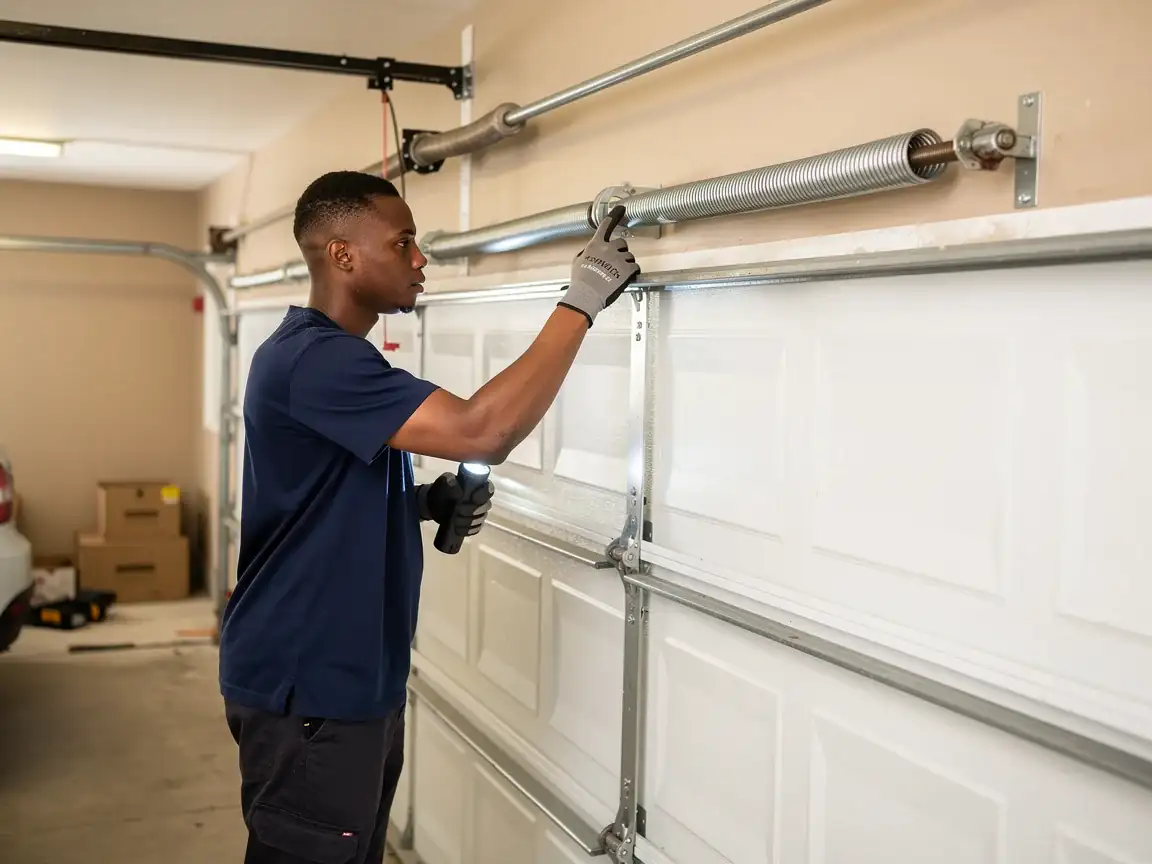
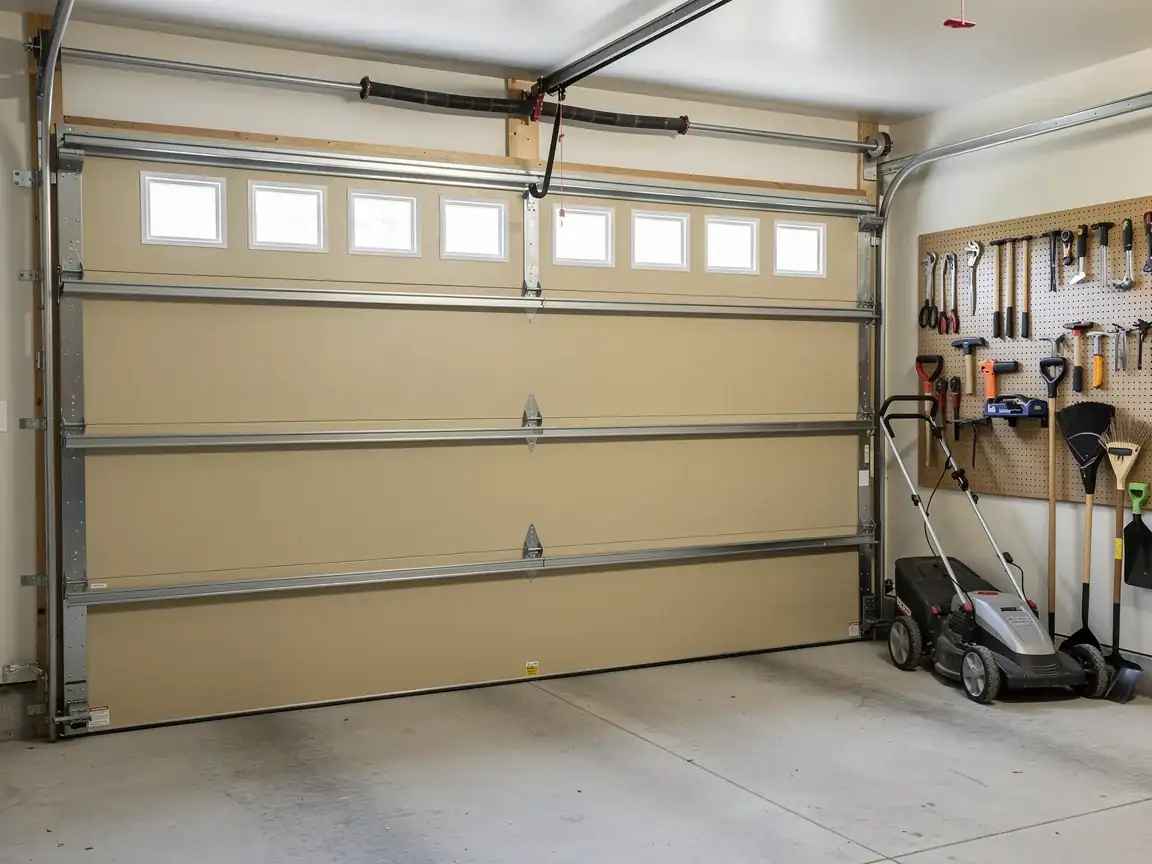
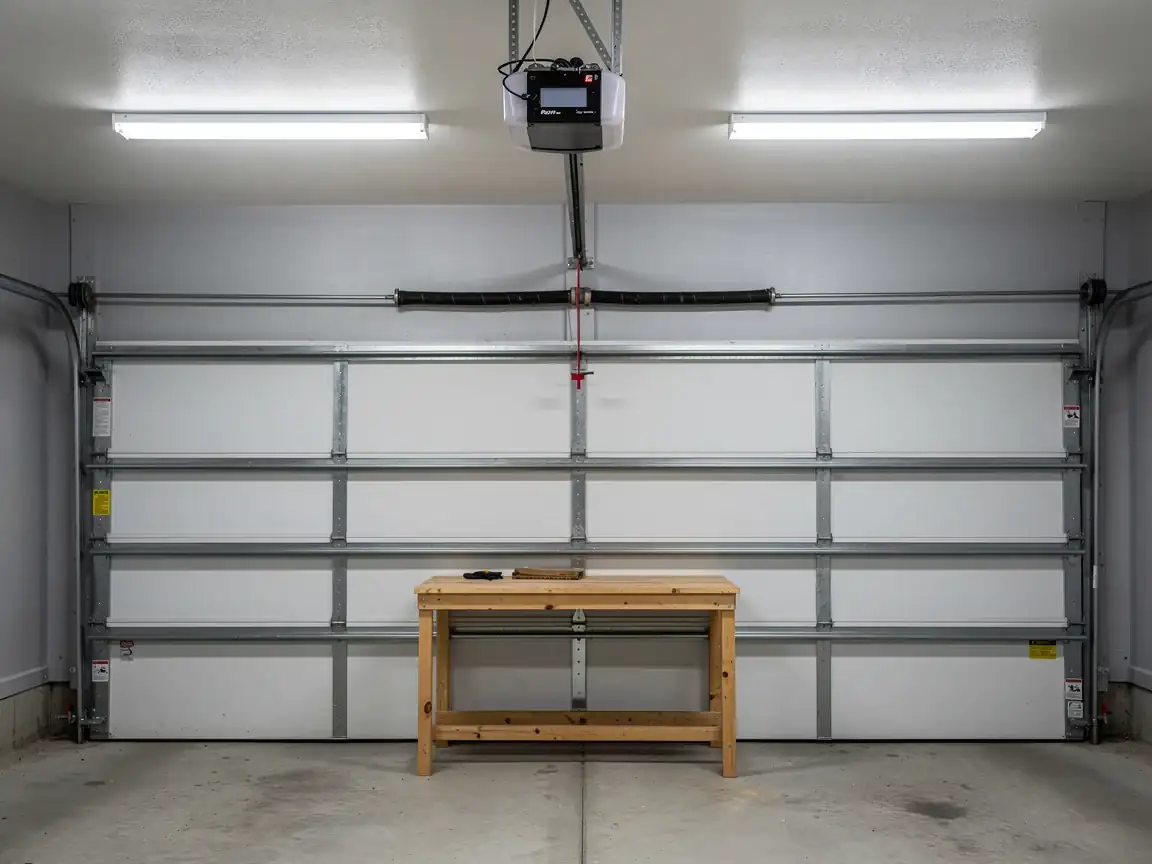
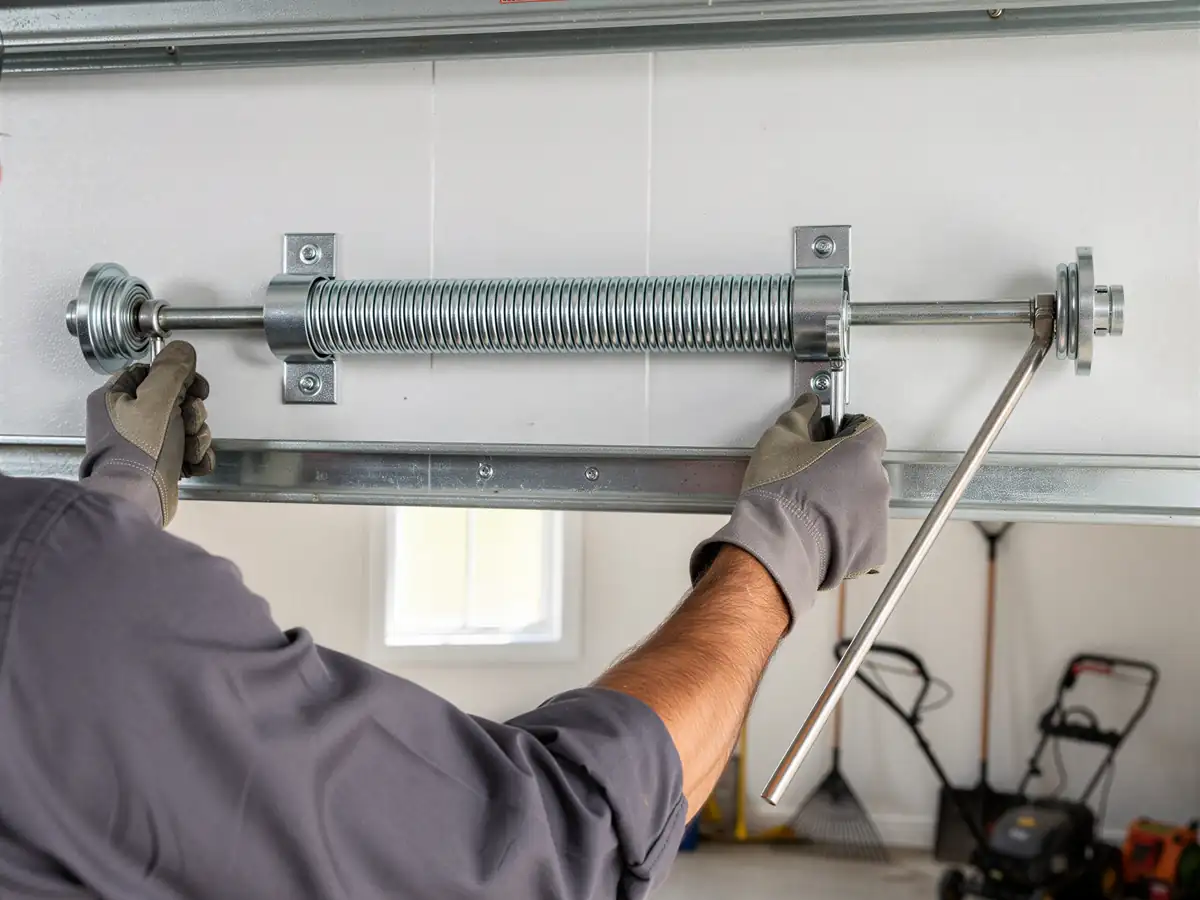
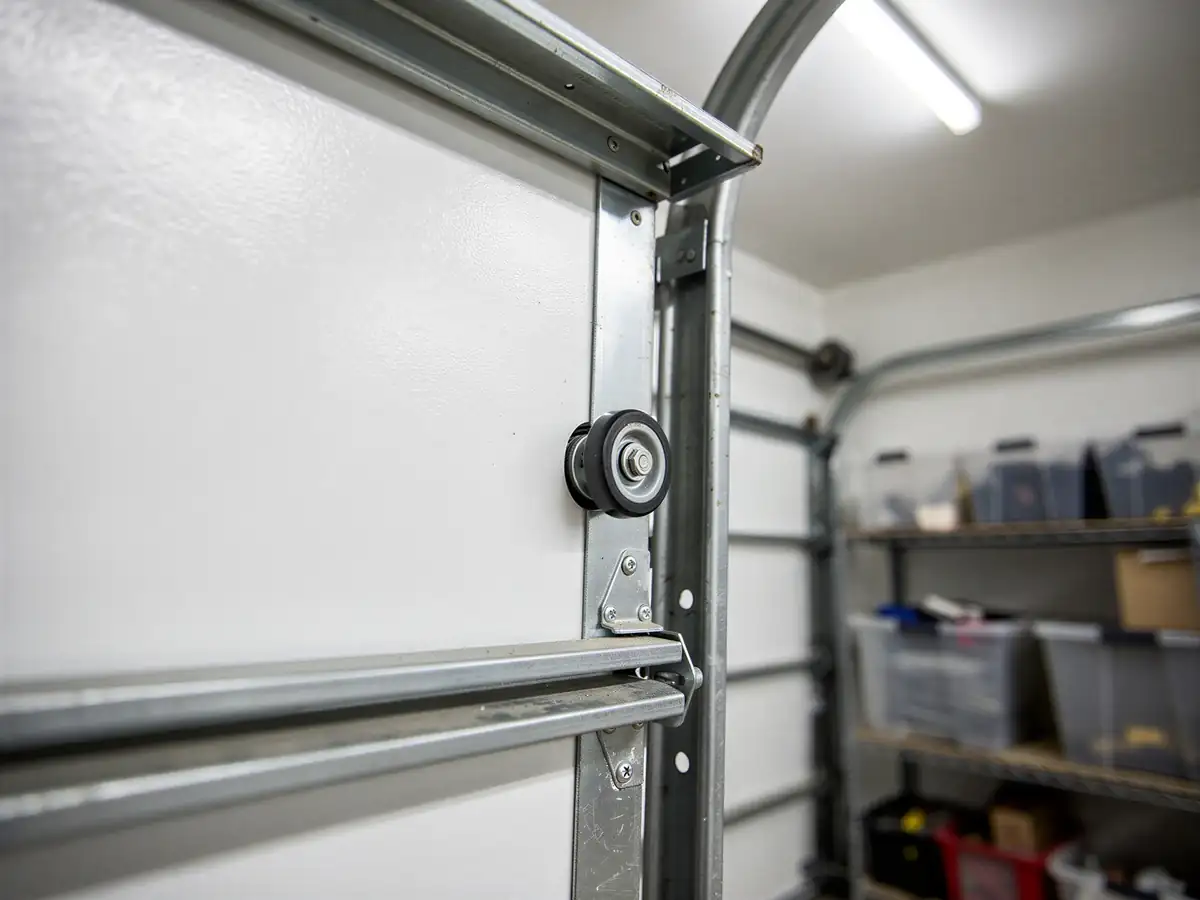
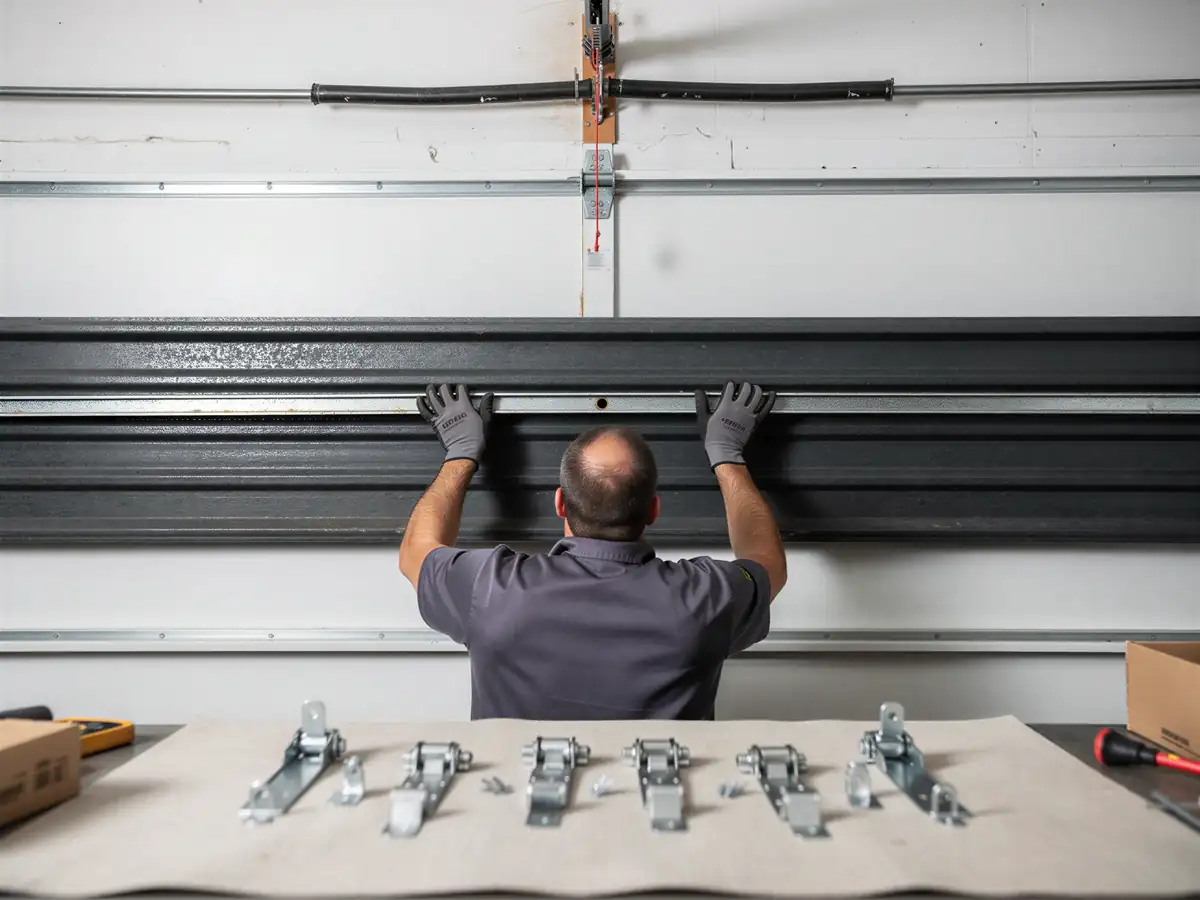
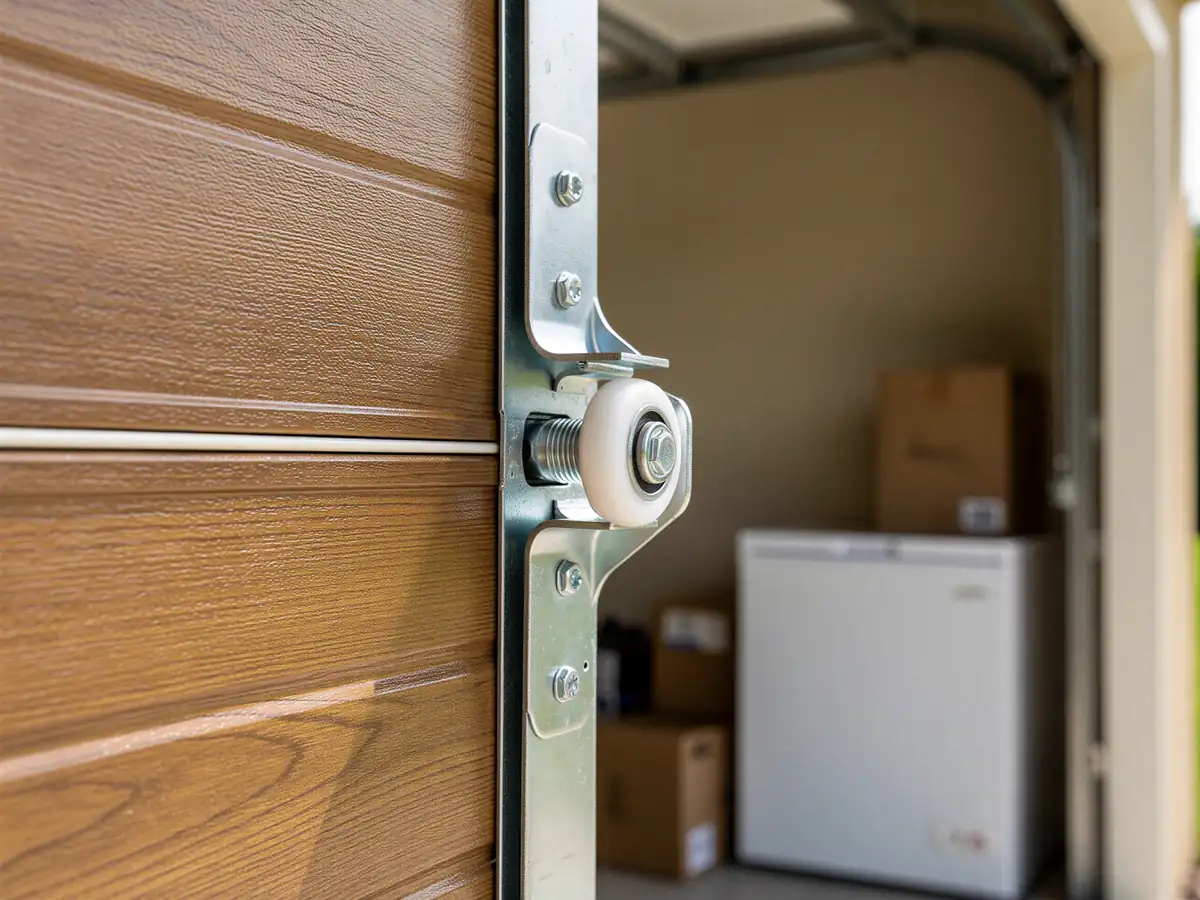
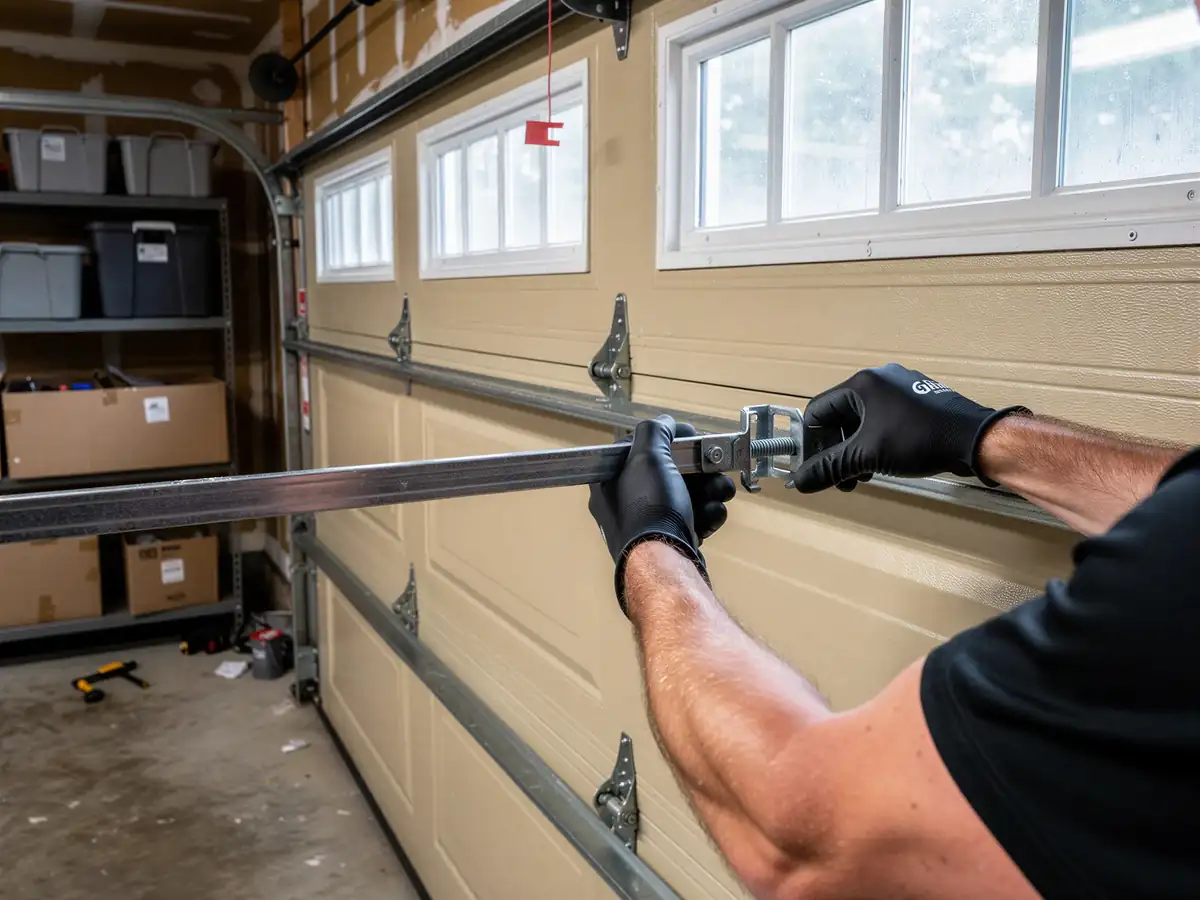
A standard torsion spring replacement means winding down the old spring safely, pulling the worn cones, measuring the drum and cable for wear, and installing a matched spring pair sized to your door's actual weight - not just whatever was on the shelf. If the cables or rollers show wear, which they often do on doors from the same build era as the spring, we replace those at the same time rather than sending you a bill again in six months for a part that was already failing.
For a double door especially, we check both springs even if only one broke, because the surviving spring on a door from the 1980s or 90s is usually close behind it in cycle life. Replacing one and leaving the other is a short-term fix that just moves the next call a few weeks down the road.
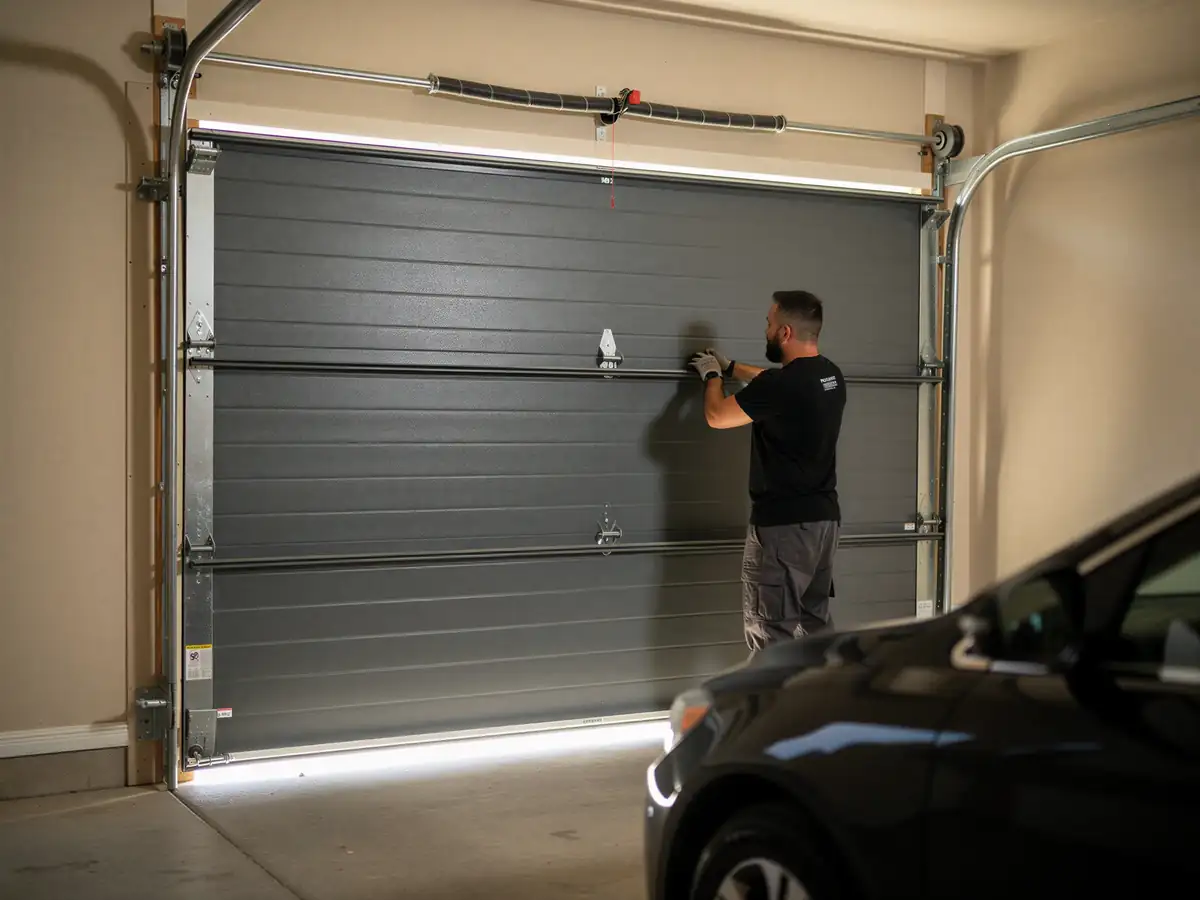
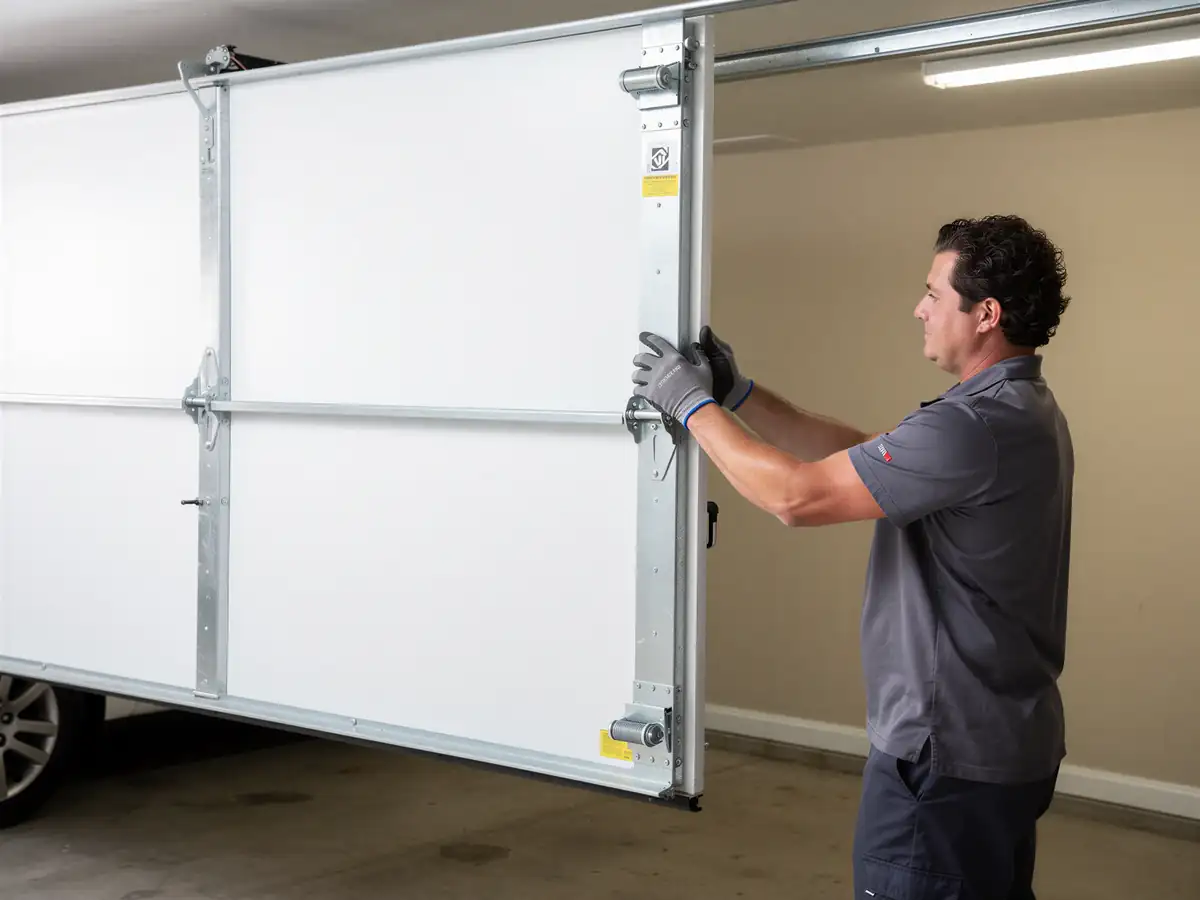
We also check the bottom brackets and the track alignment while the door is open and unloaded, since that's the easiest time to catch a bent track or a loose hinge before it turns into its own service call. None of this is exotic work. It's careful, correctly-sized hardware installed by someone who's done it enough times to know which shortcuts cost the homeowner money later.
The Symptom
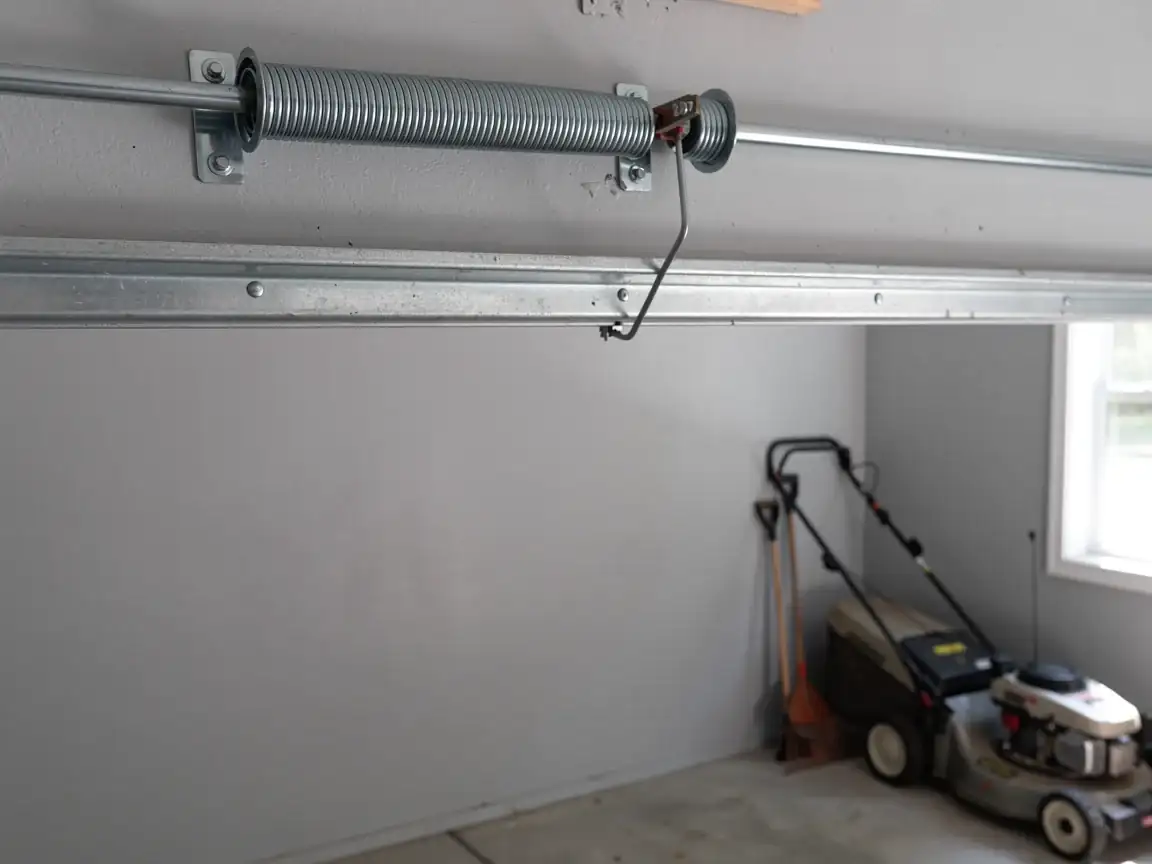
The call usually starts the same way: the door won't budge, or it opened partway and then stopped with a loud bang from overhead. That bang is almost always a torsion spring letting go - the metal coil above the door that does the actual lifting work, not the opener motor, which just pulls a chain or belt once the spring has done the heavy lifting.
With 15,020 owner-occupied houses across this service area, and a large share of them built in that same 1980s-90s stretch, a snapped torsion spring is one of the most common reasons we get called out. Homeowners sometimes think the opener has died because the door won't move when they press the remote, but an opener isn't built to lift a door's full weight without spring assistance - it'll just strain the gear and trip the safety reverse.
Other times the symptom is quieter: a door that's gotten heavier to lift by hand, or one side visibly sagging lower than the other. That's usually a spring that's weakening but hasn't fully broken yet - worth a call before it lets go completely, especially with a median household income of $58,972 across the area, where most folks we talk to would rather schedule the fix than deal with it as an emergency.