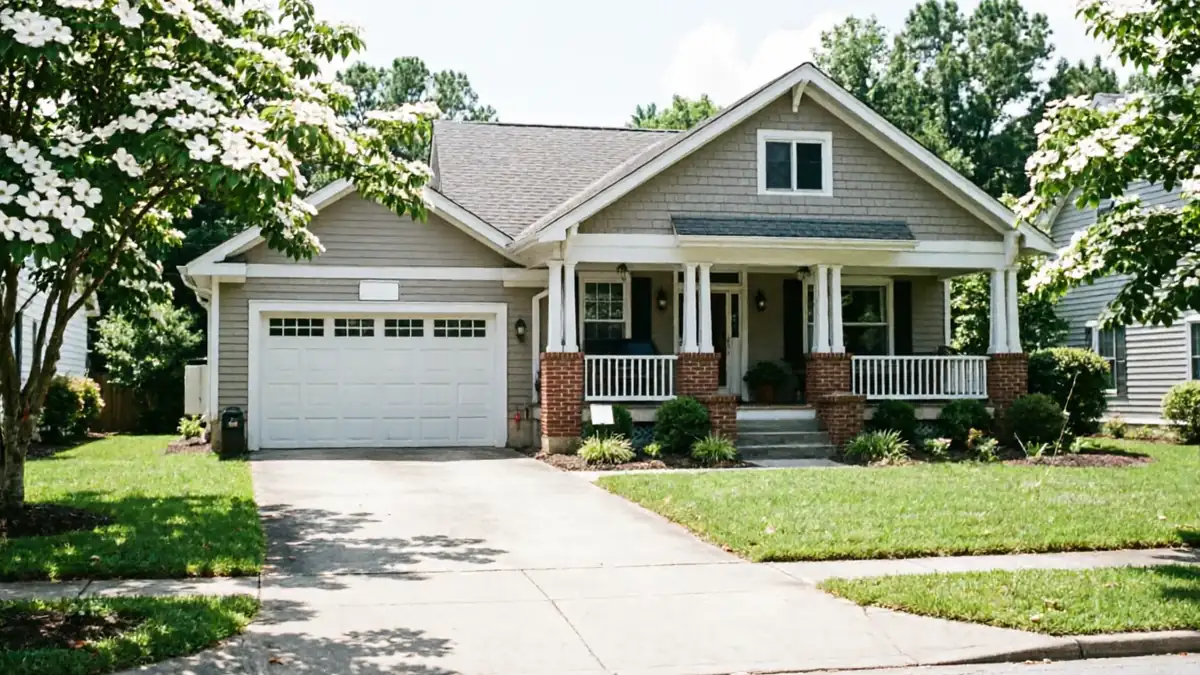
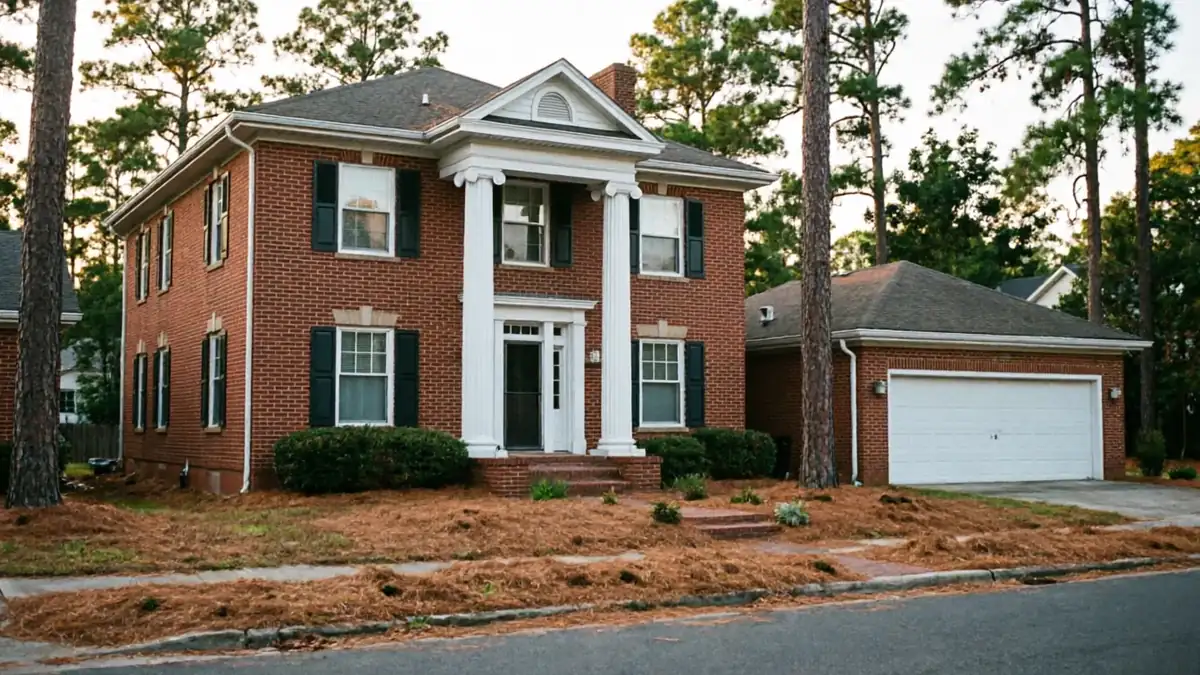
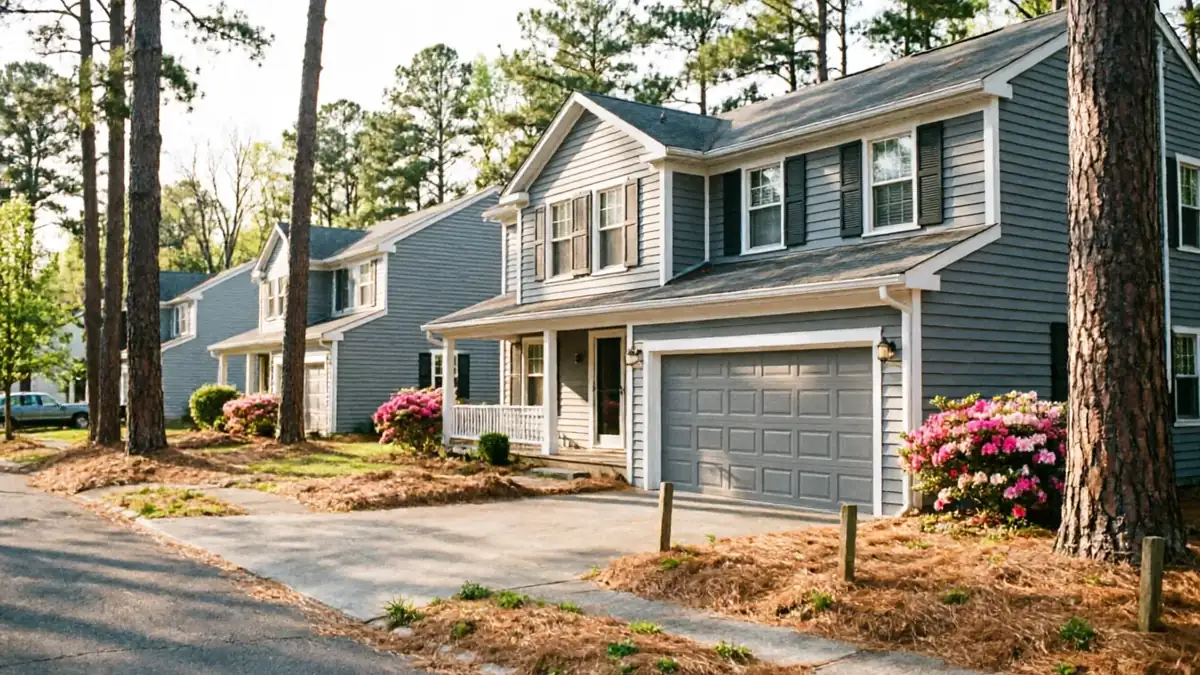
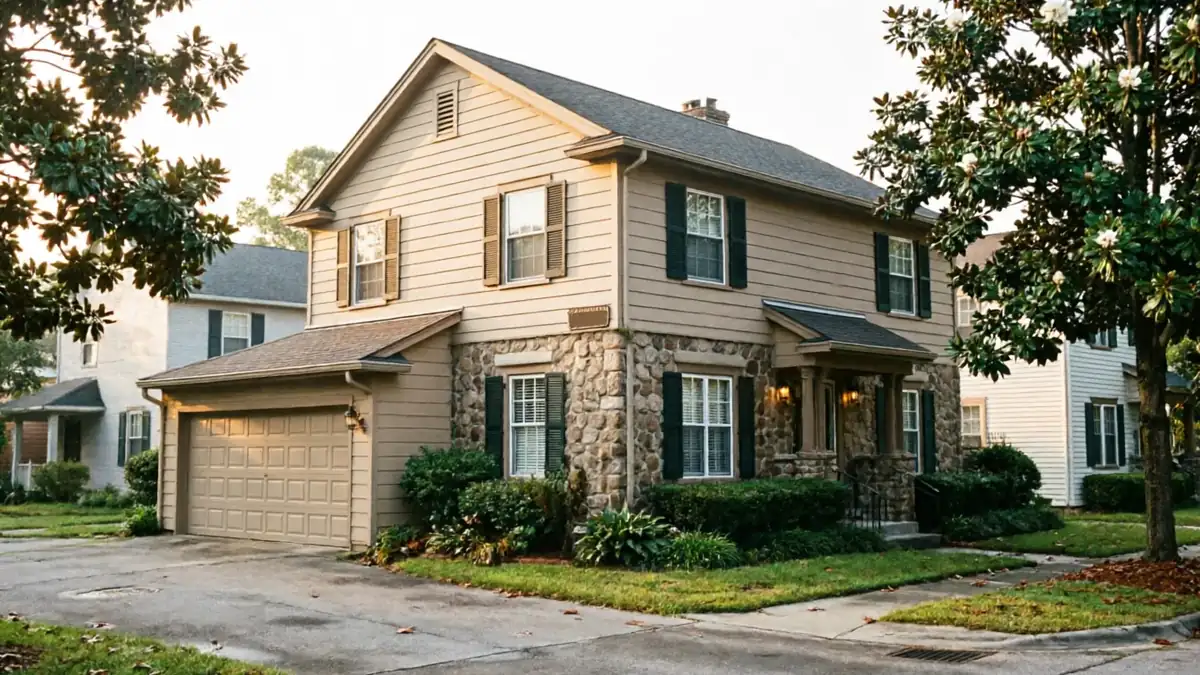
What That Means for Doors
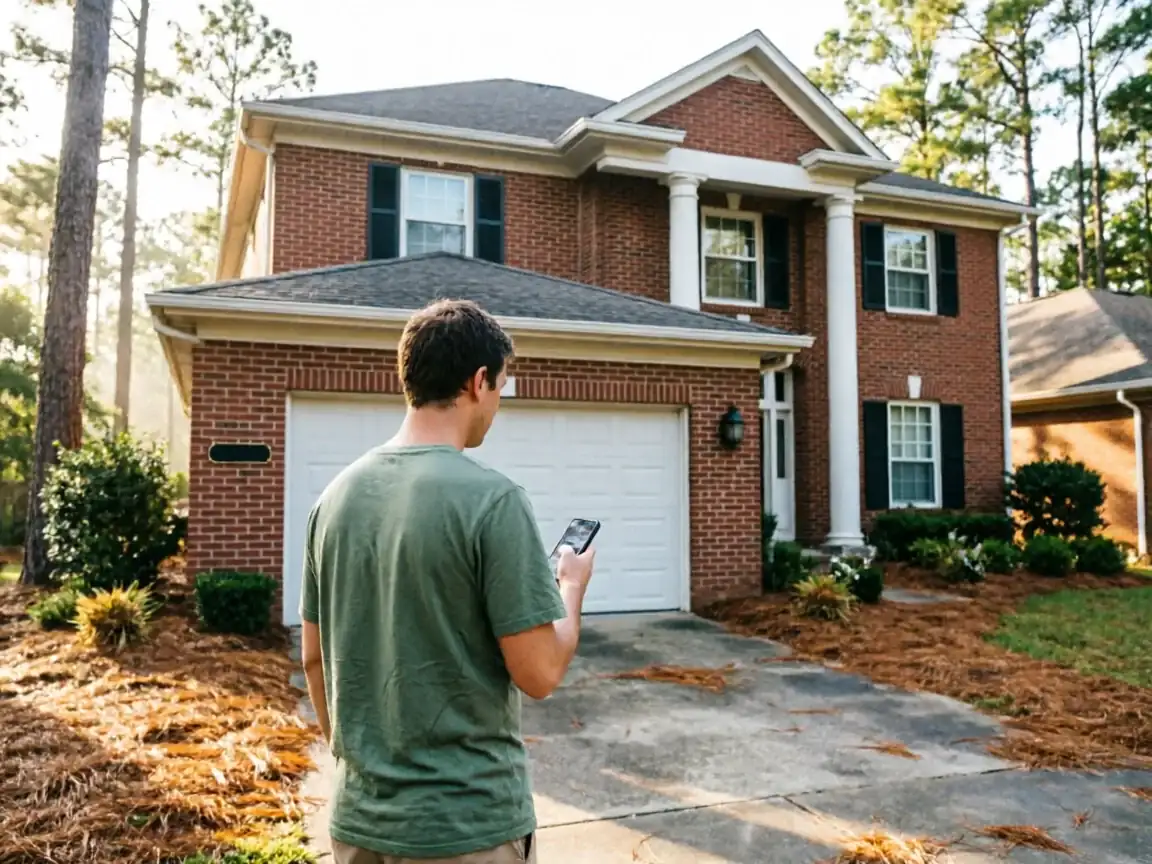
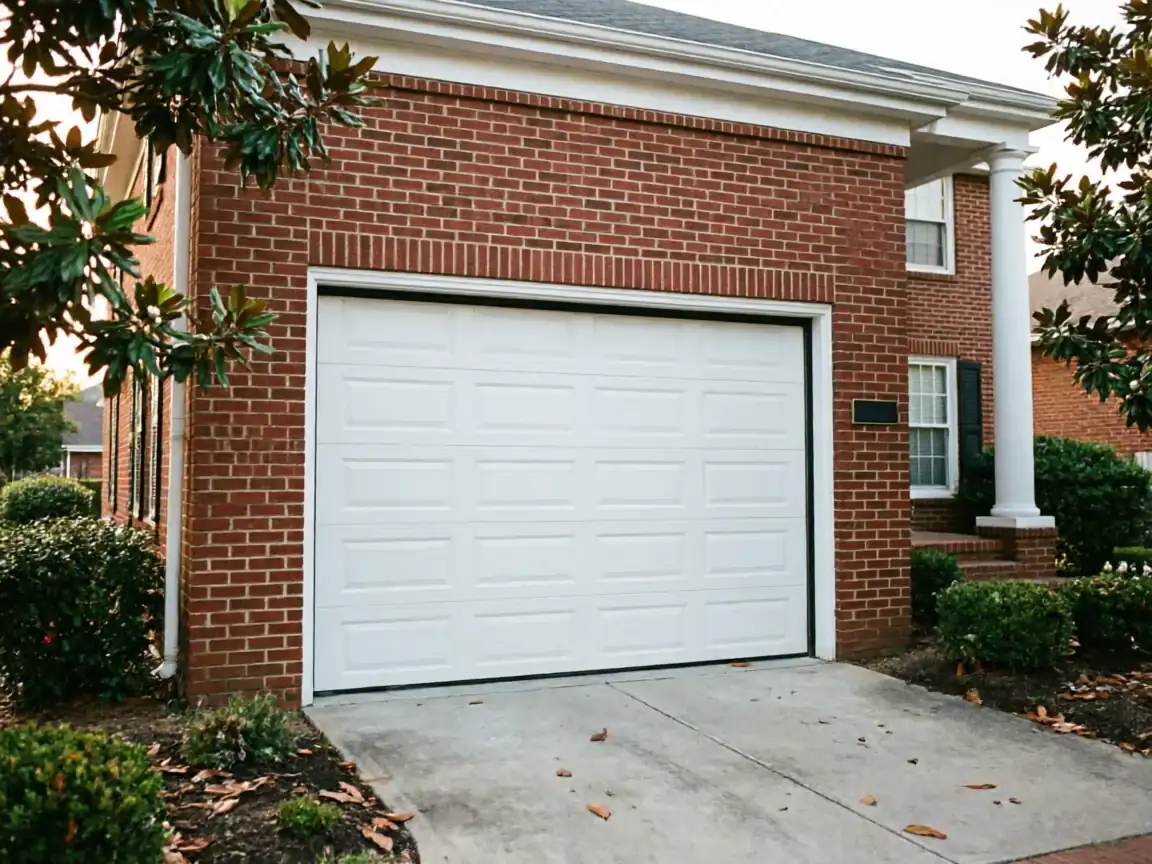
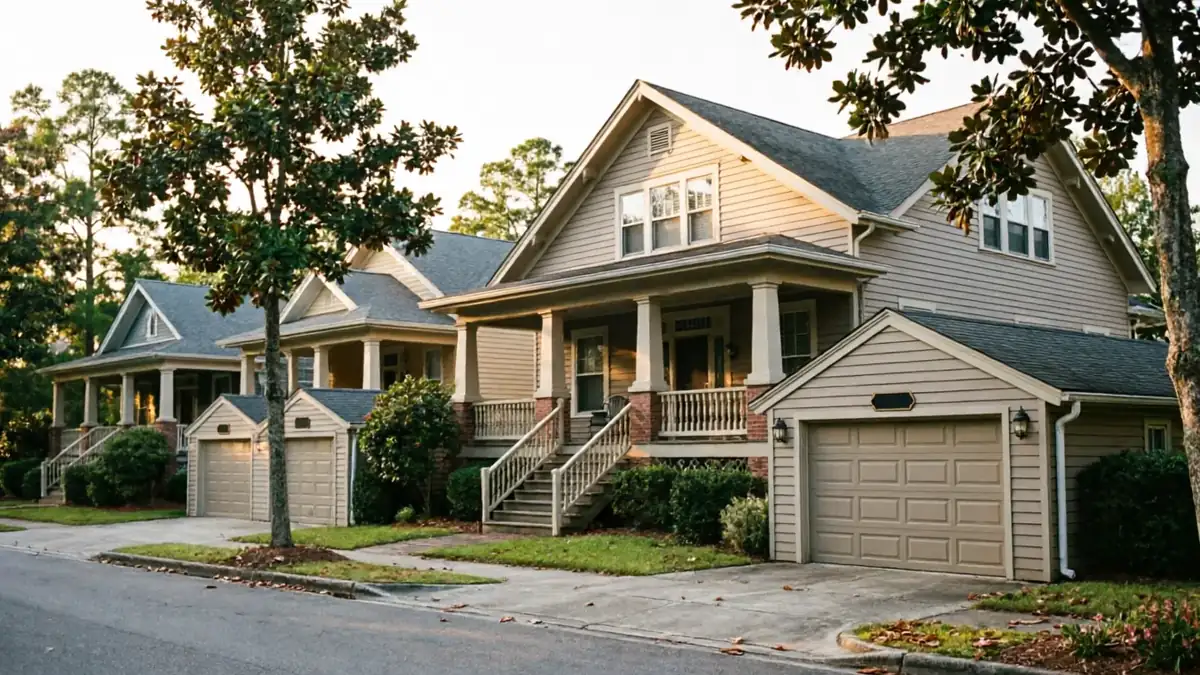
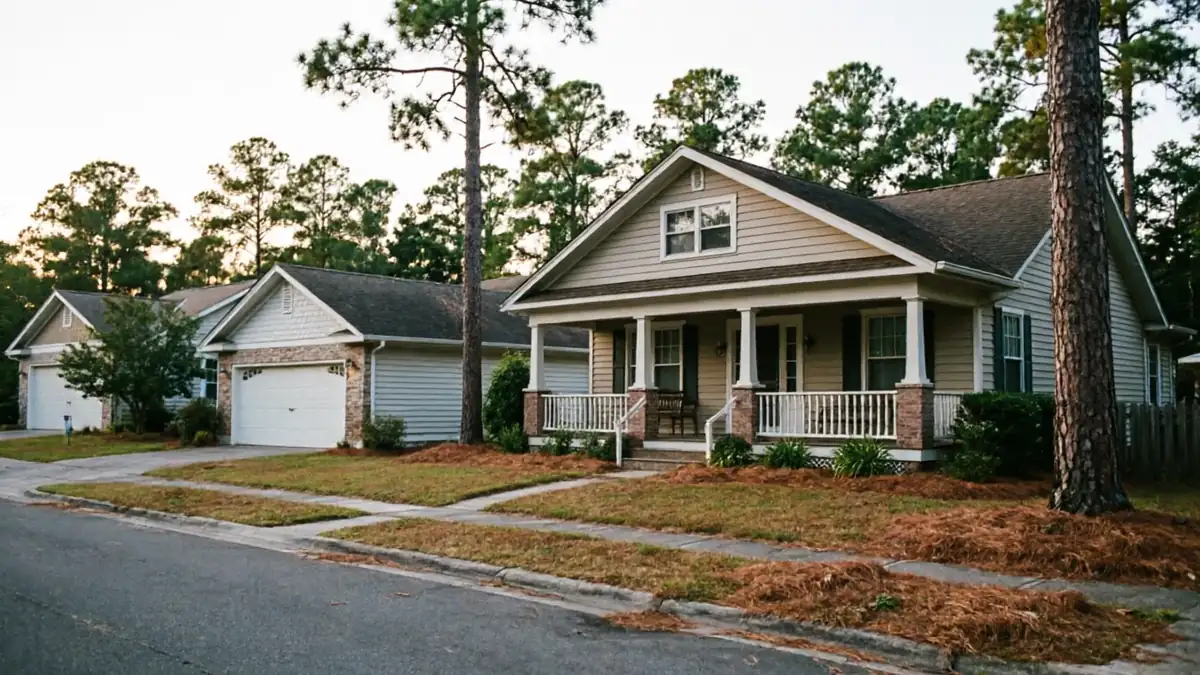
Moyock's houses are younger than what we see across most of the Chesapeake service area. The median year built here lands around 2002, roughly two decades newer than the 1980s-90s stock that dominates closer in. That gap matters because it changes what breaks and why.
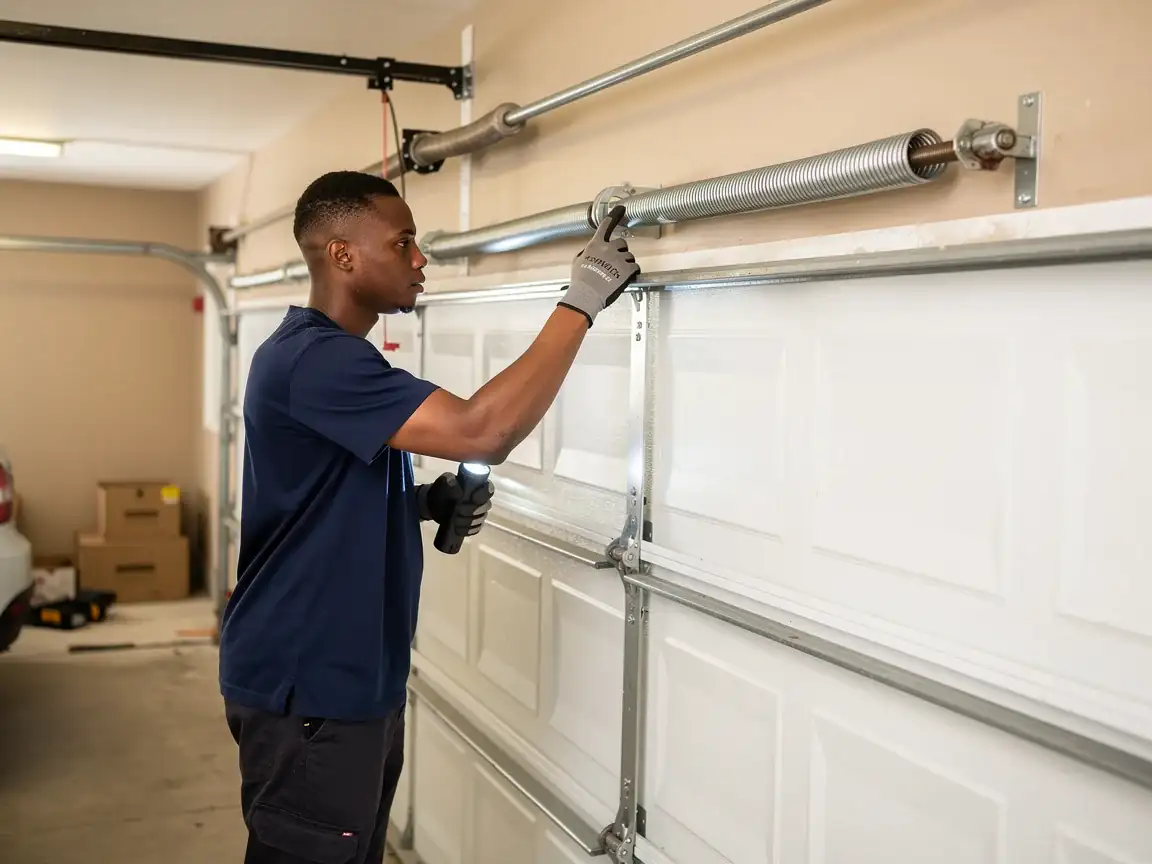
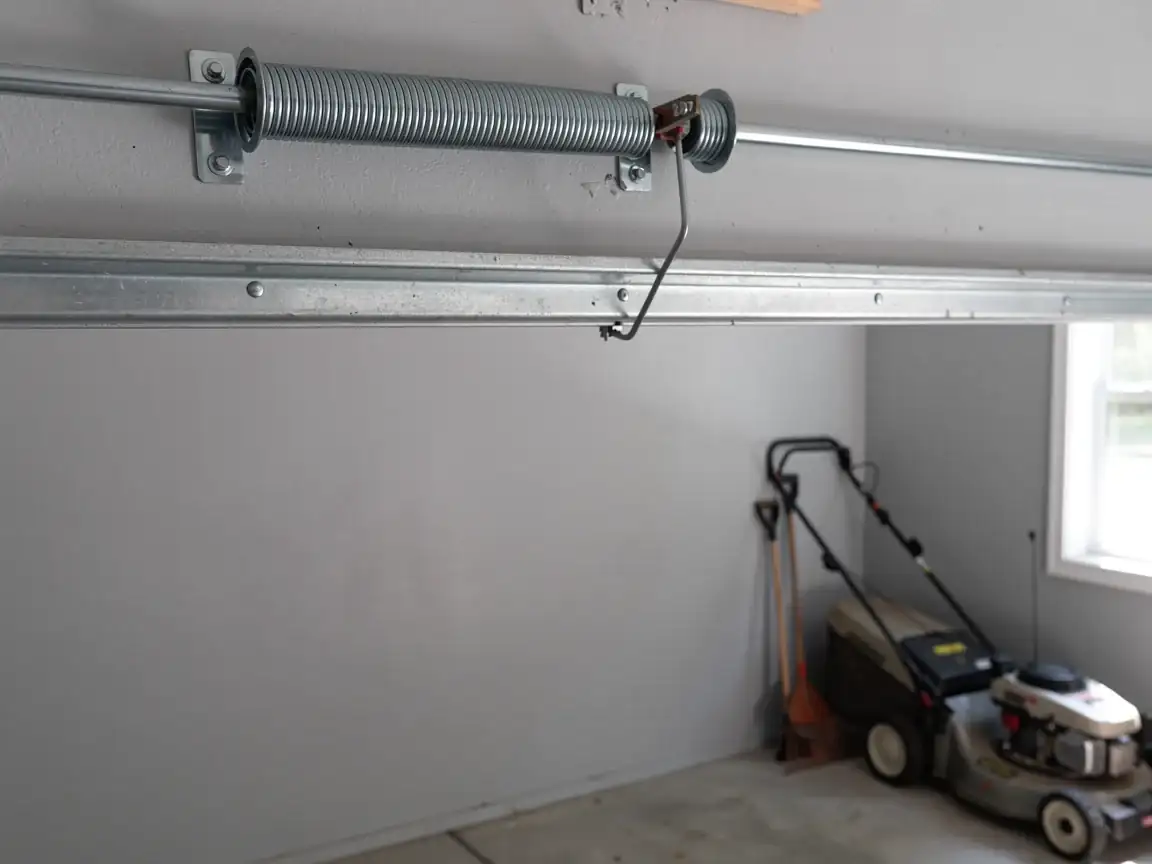
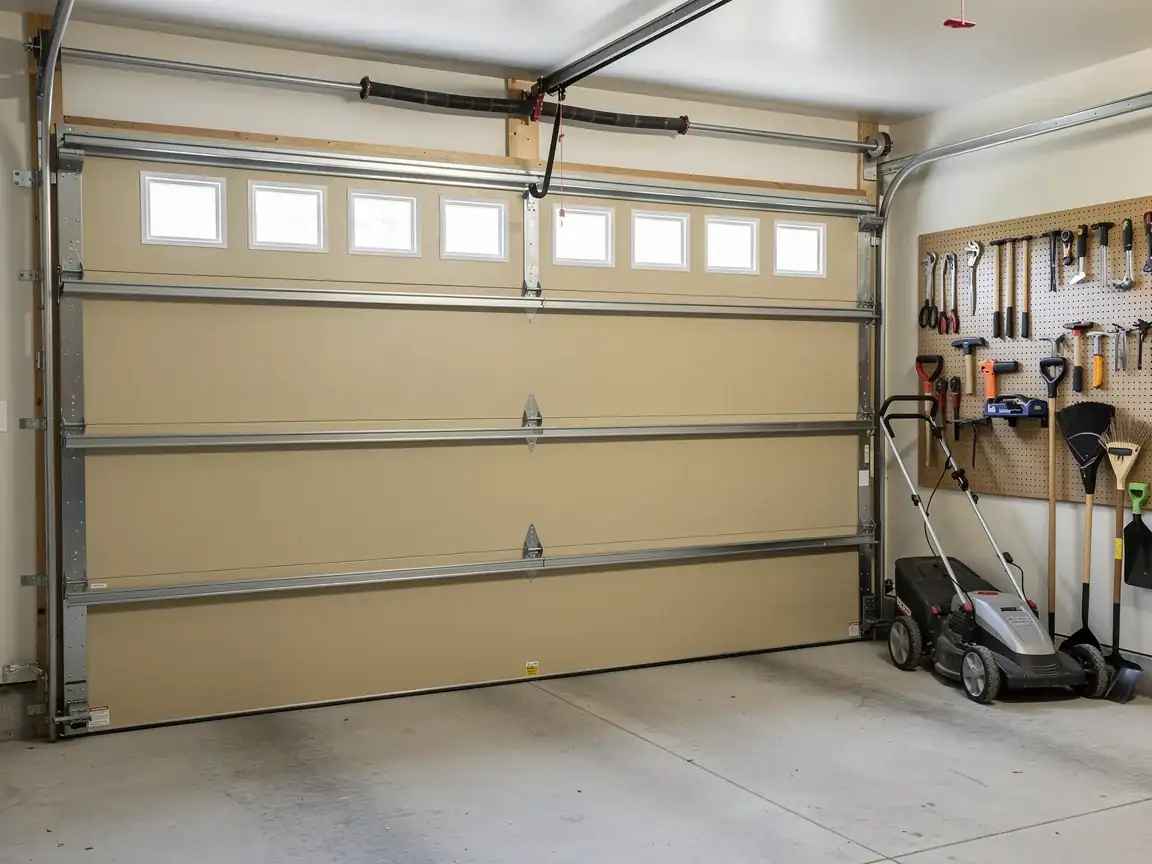
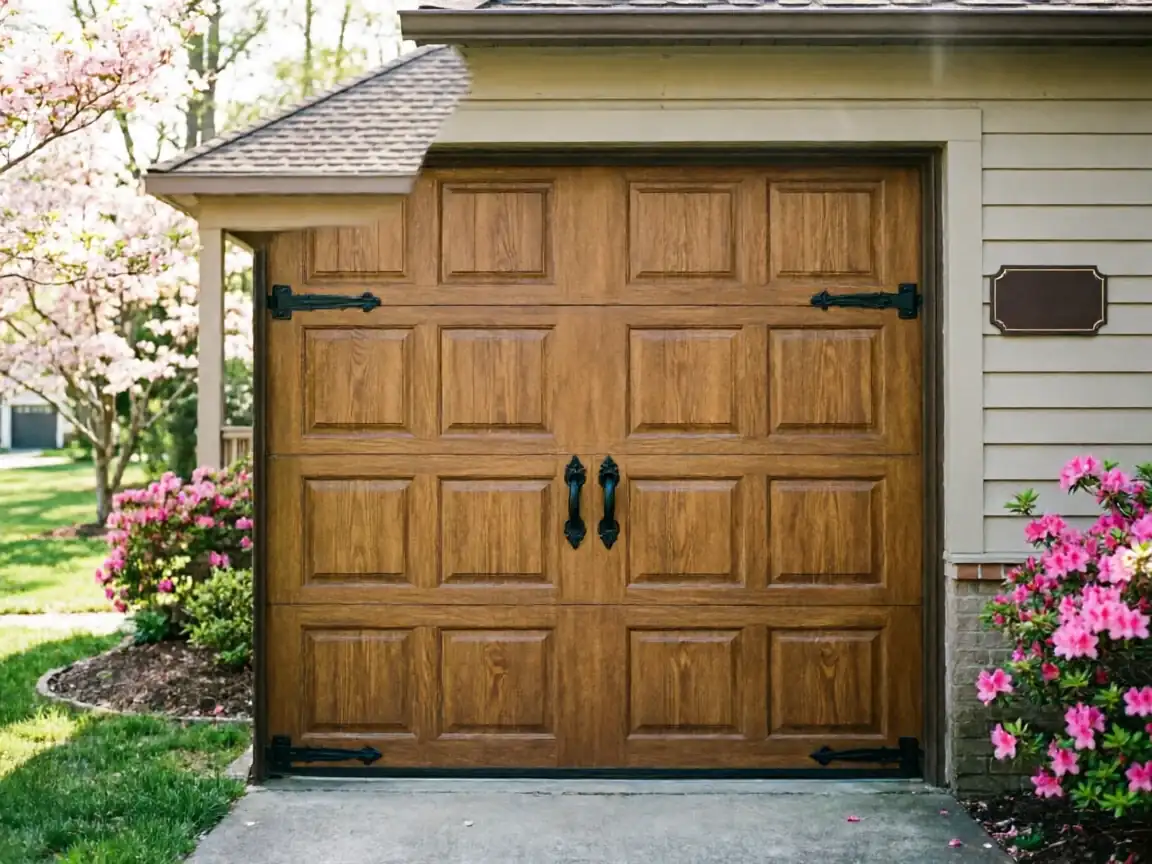
A door and opener from 2002 is still mechanical. Springs wear out on a cycle count, not a calendar, so age doesn't exempt these doors from failure - but the failure points are different. You're less likely to find the single-piece doors or the obsolete side-mount torsion hardware that show up on older houses. You're more likely to find standard extension or torsion springs on steel sectional doors, with chain or belt-drive openers that are still serviceable with common parts.
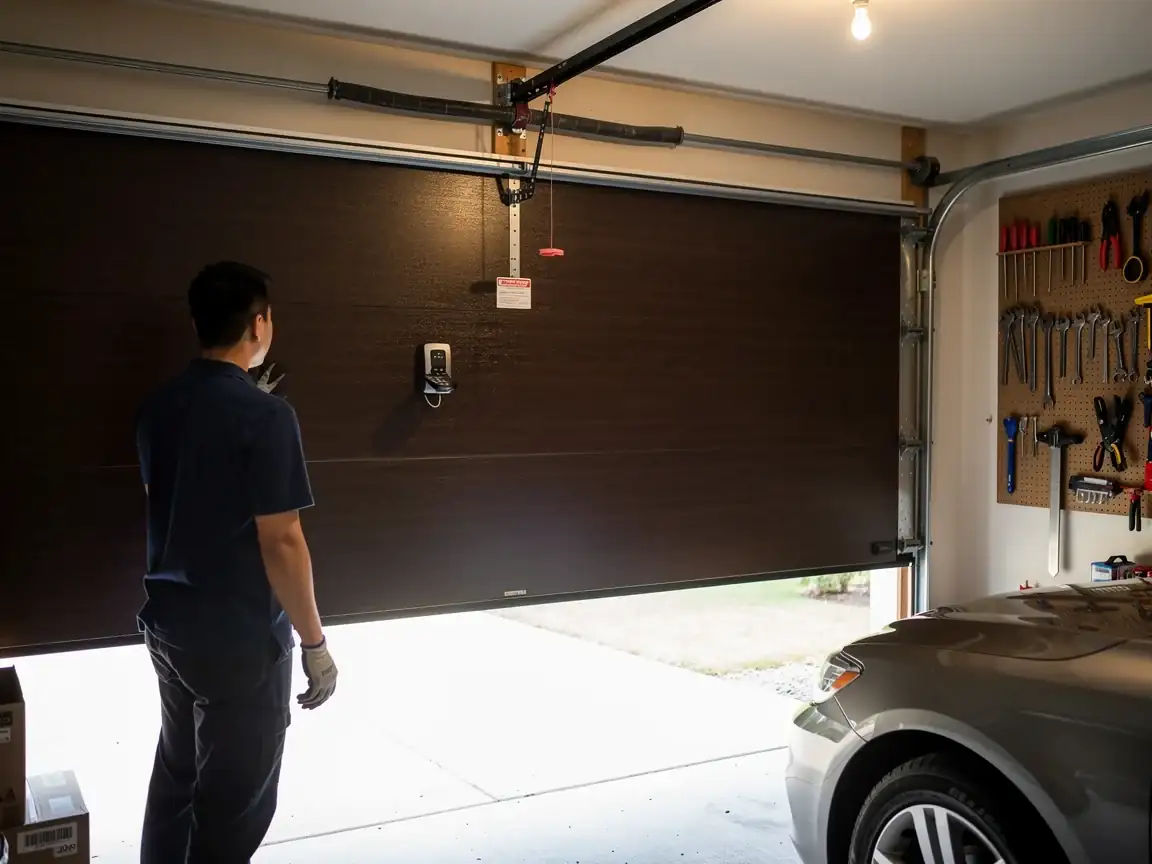
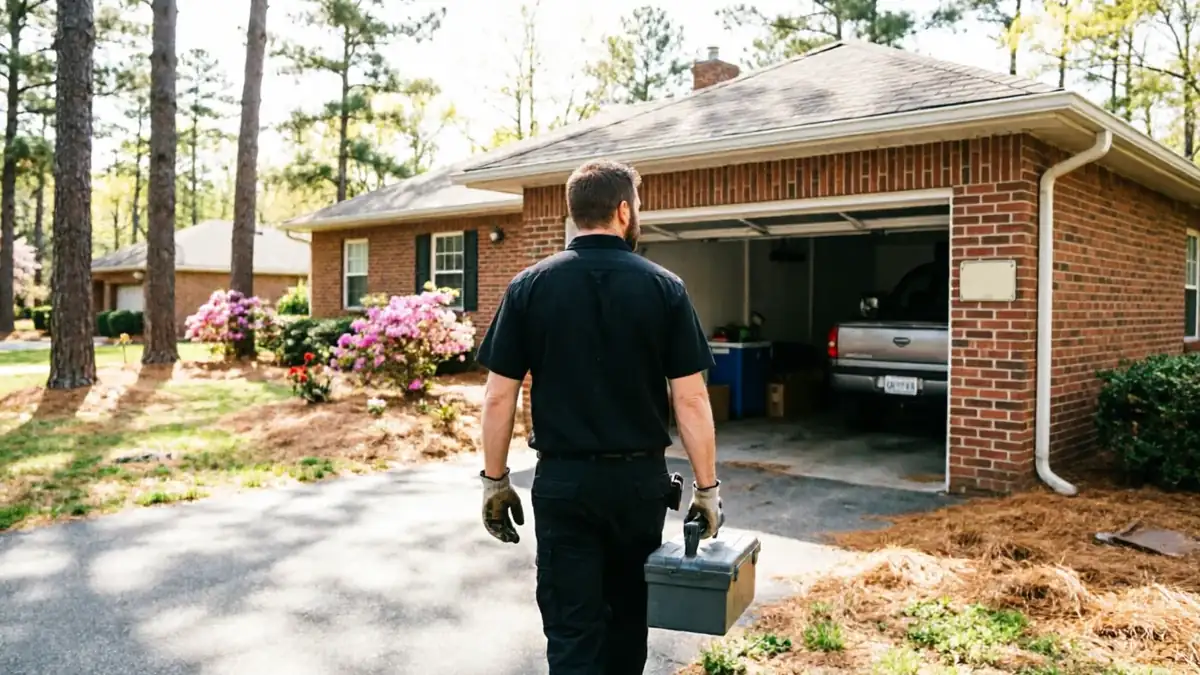
The practical upshot: when something fails on a Moyock door, it's usually a part we carry on the truck rather than something we have to special-order or improvise around. That's not true everywhere in our coverage area, and it's worth saying plainly instead of pretending every job looks the same.
The Split Between Old and New
Across the broader service area, most housing went up in the 1980s and 90s
Moyock sits apart from that pattern - its housing is concentrated in the early 2000s, which puts it on the newer edge of what we cover.
That split shows up in the calls we get
Older housing stock tends toward worn-out torsion springs on doors that have seen thirty-plus years of cycles, sometimes paired with openers that are long past parts support. Newer stock like Moyock's tends toward openers that are still in production families, doors with standard track and roller sizing, and failures that are more likely to be a single broken part than a whole system past its service life.
We don't treat these the same
And we don't pretend Moyock's doors are identical to a 1985 house twenty minutes away. The age of the stock changes the diagnosis before we even open the toolbox.
How Soon We Can Come Out
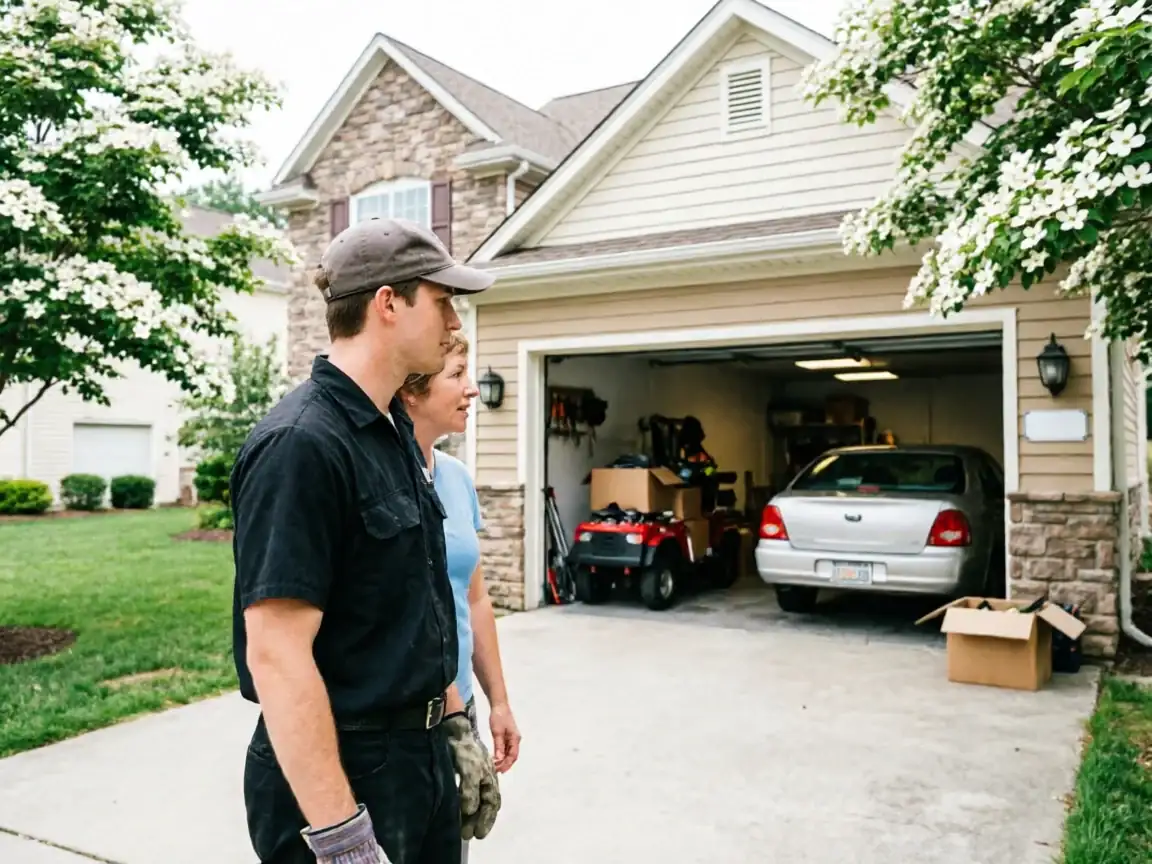
We run out of Chesapeake, and Moyock is about 23 miles from there - the farthest point in our regular coverage. We don't keep a depot or crew stationed in Moyock, and we won't pretend otherwise. What we can tell you is that it's a standard trip for us, not a special dispatch, and we plan routes with that distance in mind rather than treating it as an afterthought.
The area climate here falls in the cold-moderate band, which means winter cold snaps are real but not severe enough to demand the insulation upgrades you'd see further north. That affects which doors make sense as replacements more than it affects emergency timing.
If you need an exact window for a same-day call, that's a scheduling conversation, not something we'll guess at here. What we won't do is promise a response time we can't back up in writing.
What Was Built Here
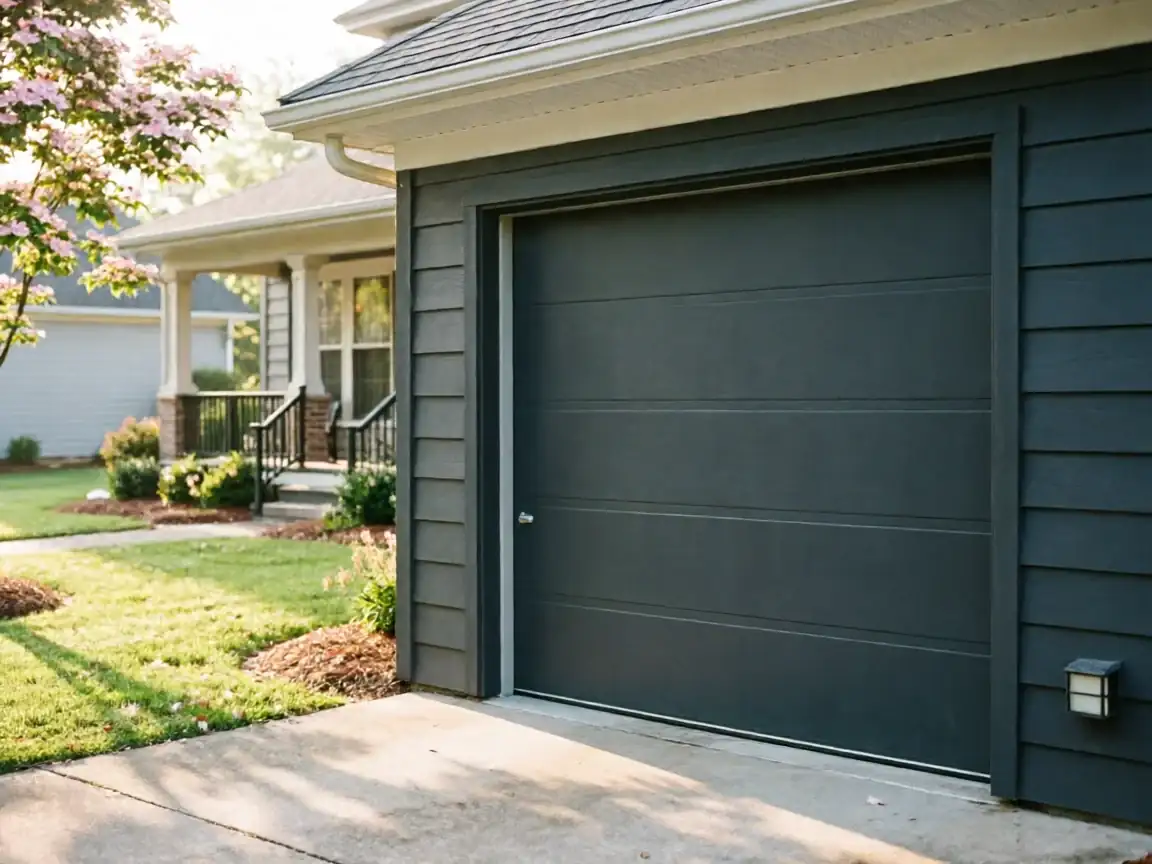
Moyock has around 2,104 households, a smaller footprint than the city proper, and a median household income near $109,700 - well above the roughly $58,972 median across the wider service area. That income gap tends to line up with newer construction and larger doors: more two-car and oversized openings, fewer of the narrow single-bay setups common on older city blocks.
Because the median year built here is around 2002, most of what we're called out for isn't a door nearing the end of its life - it's a broken spring, a sensor knocked out of alignment, a worn roller, or an opener logic board giving out years before the door itself needs replacing. Full door replacement is less common here than repair, simply because the doors haven't had time to wear out the way older stock has.
We don't inflate that story. Plenty of 2002-era doors still fail in ordinary ways, and a newer house doesn't mean a newer garage door if someone swapped it out cheap at some point. We check before we quote.