How Long It Takes
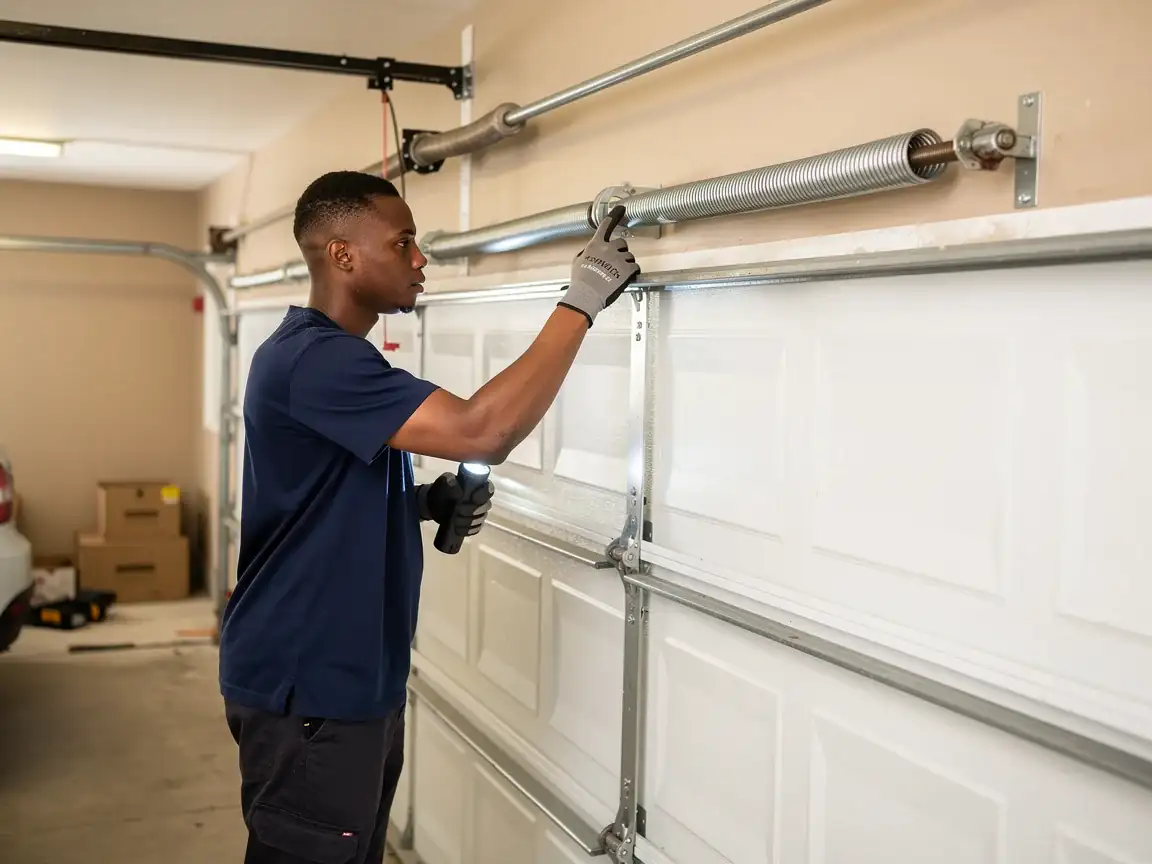
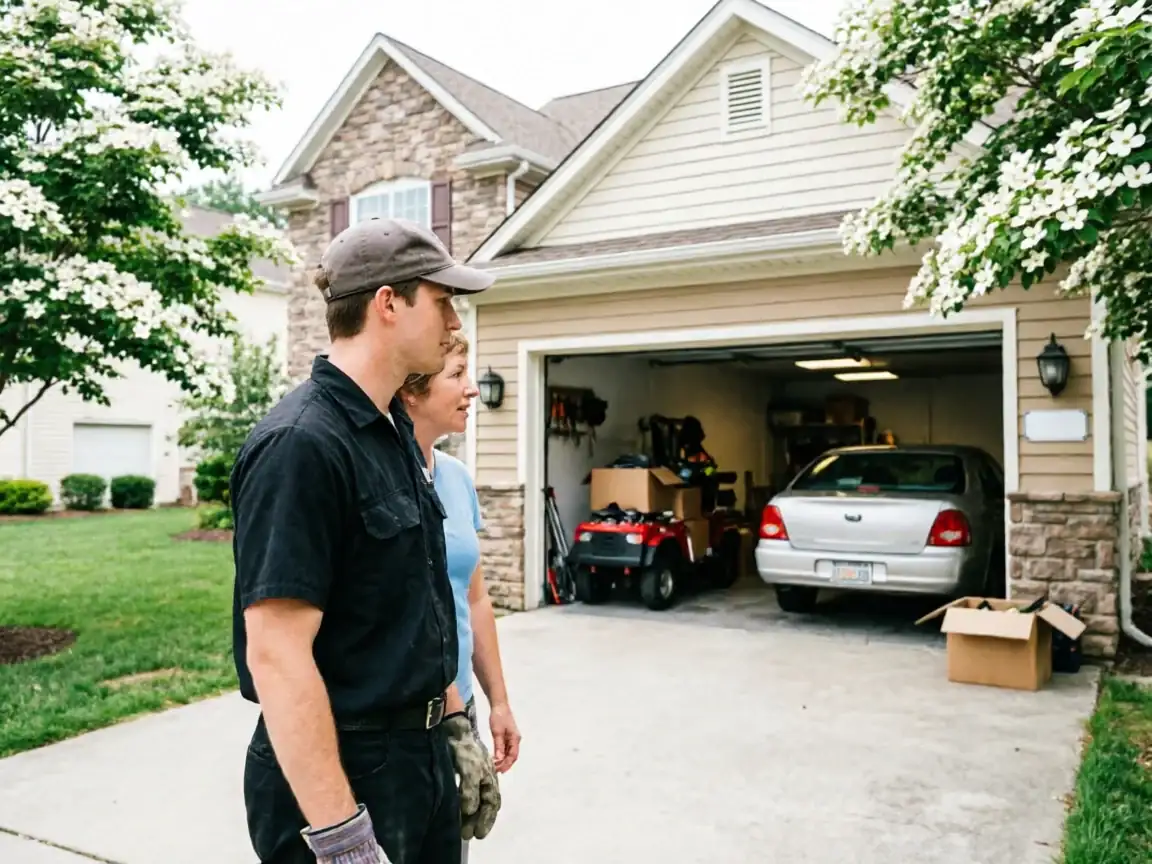
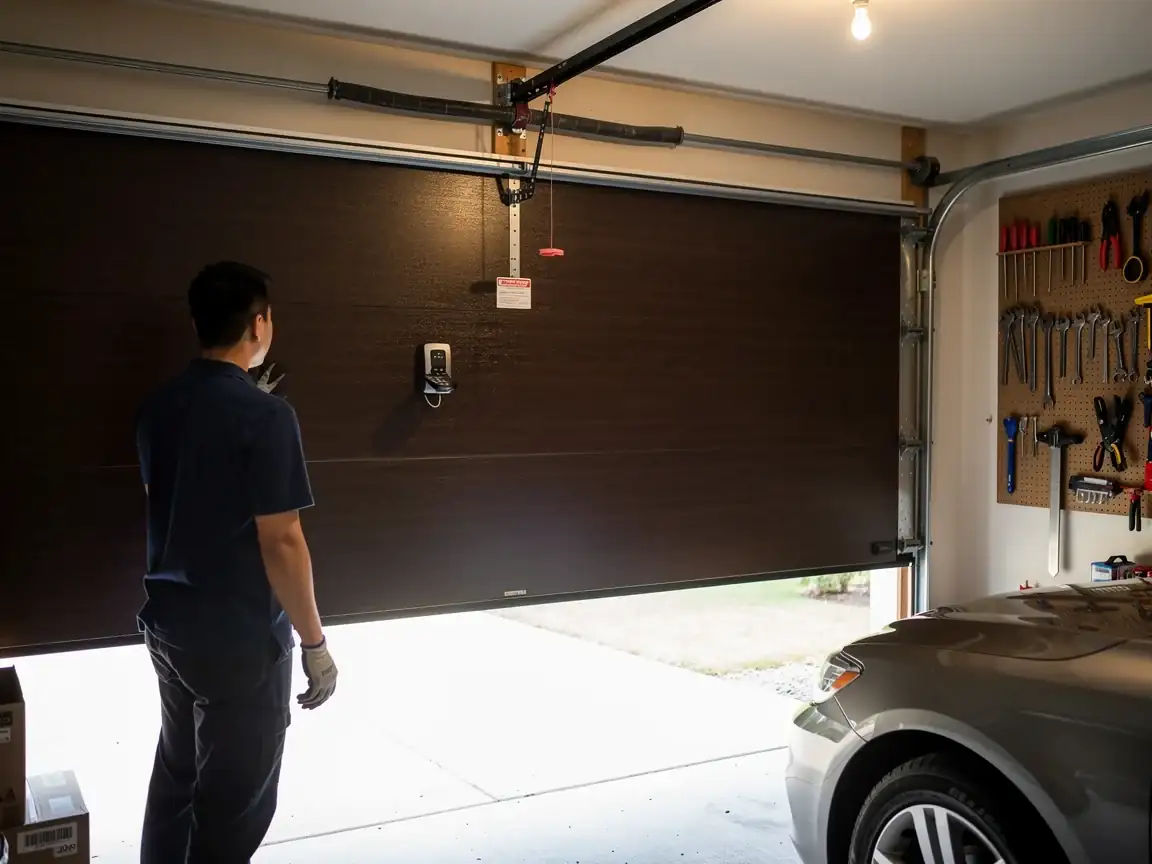
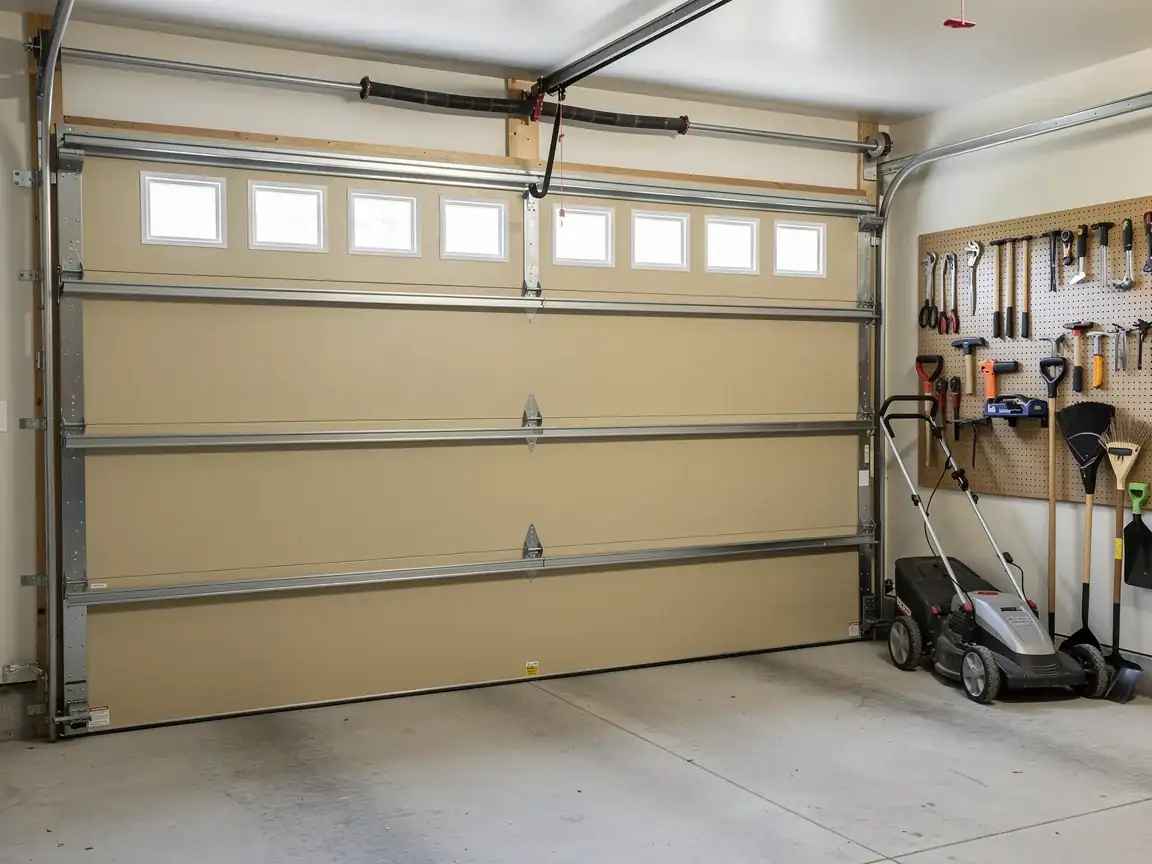
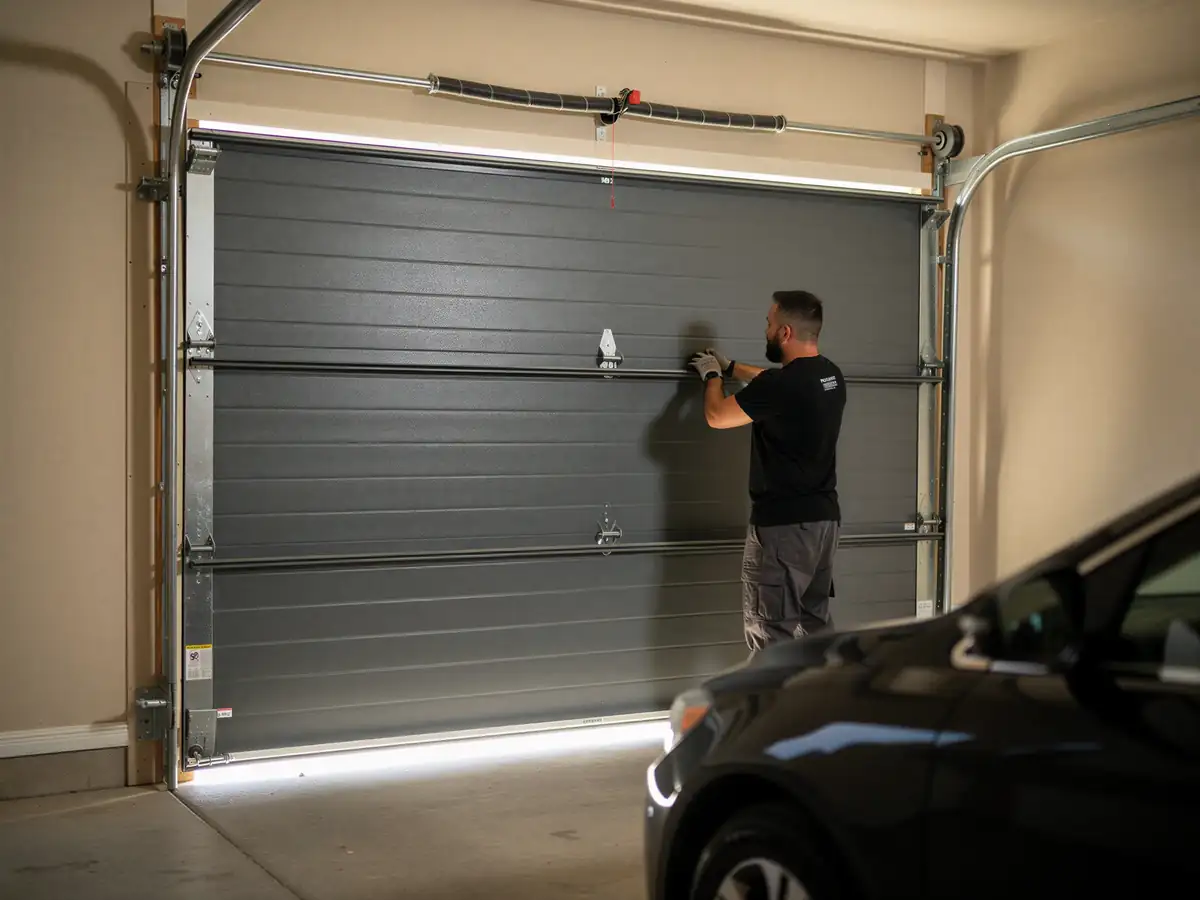
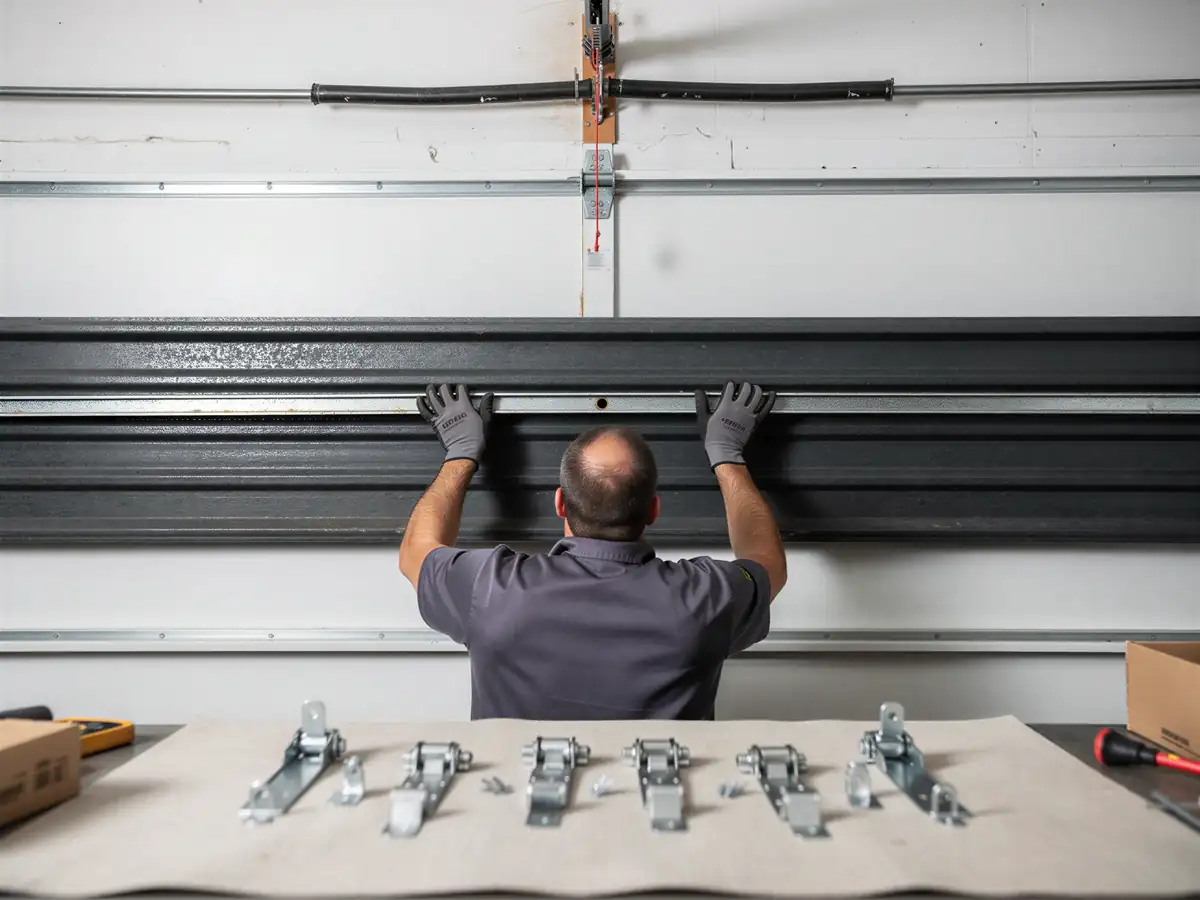
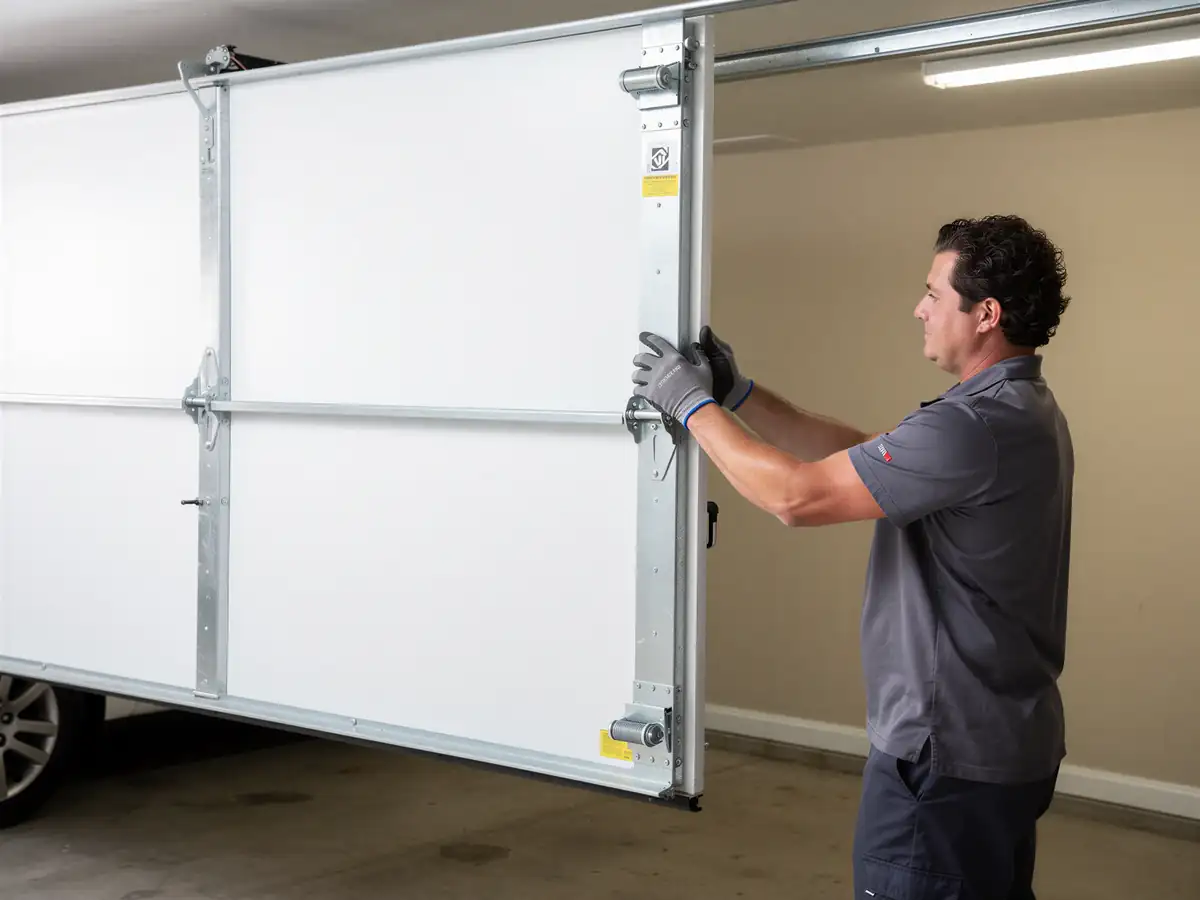
Roller replacement is one of the shorter jobs on a garage door. Once the door is up on the truck's jack and the track is cleared, pulling the old rollers and setting new ones in the hinges is mechanical work, not guesswork - no reprogramming, no cable tension to re-balance unless a cable jumped the drum from riding on a bent roller. The time adds up around the edges: checking each hinge for wear, cleaning out the track where old roller stems have been grinding metal shavings into the rail, and testing the door through a full open-close cycle to make sure nothing binds. A double door with ten to twelve rollers takes longer than a single door with eight. If a track section is bent from a roller that jumped the rail, straightening or swapping that section adds time most homeowners don't expect going in. We'll tell you on site if that's the case rather than guess over the phone.
What the Repair Takes
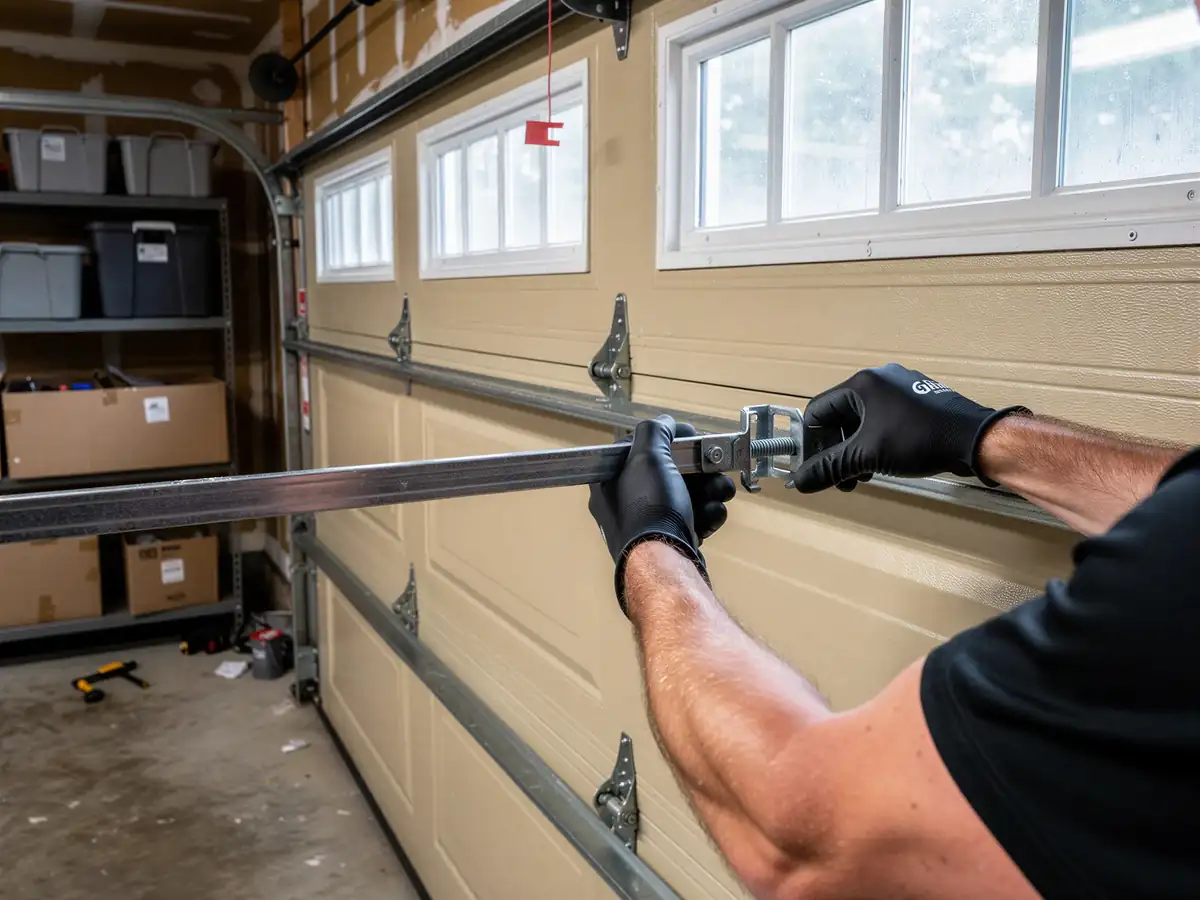
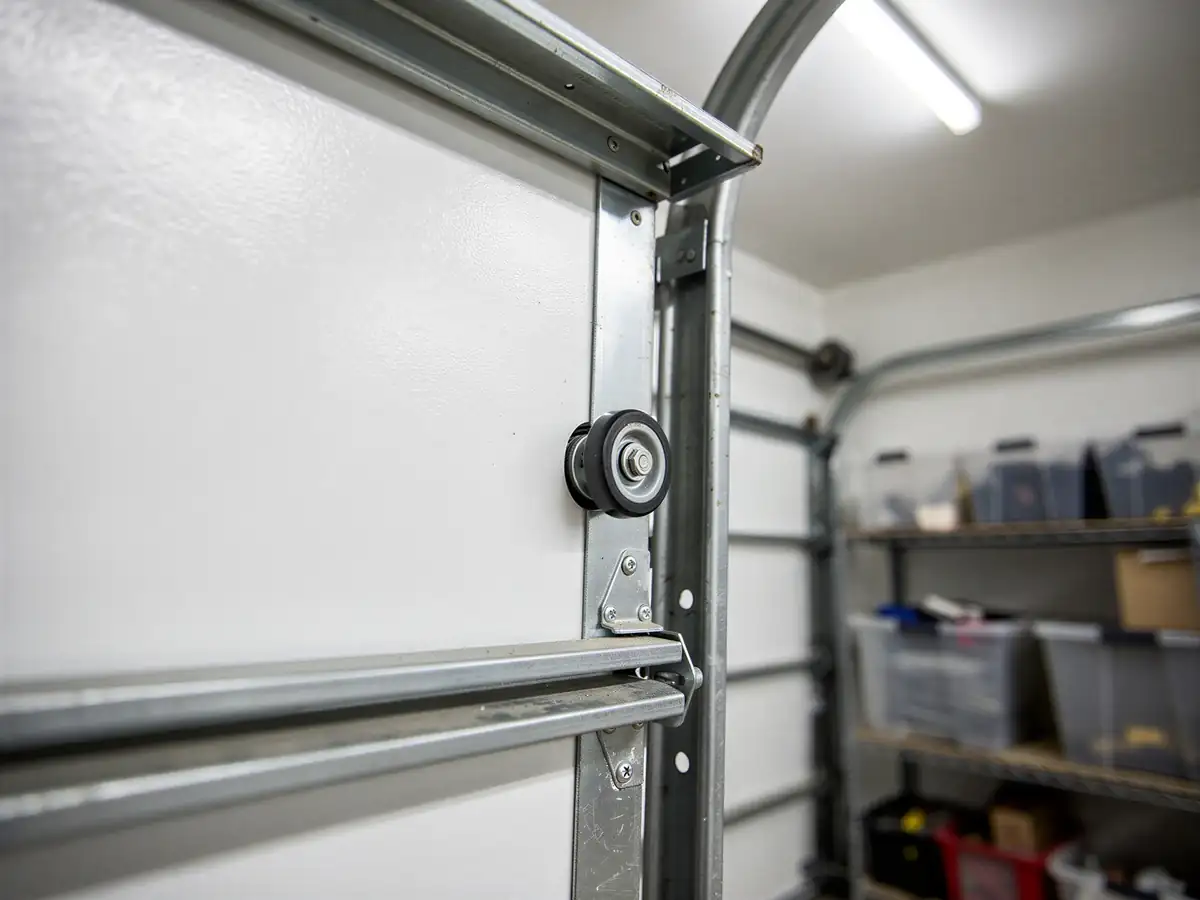
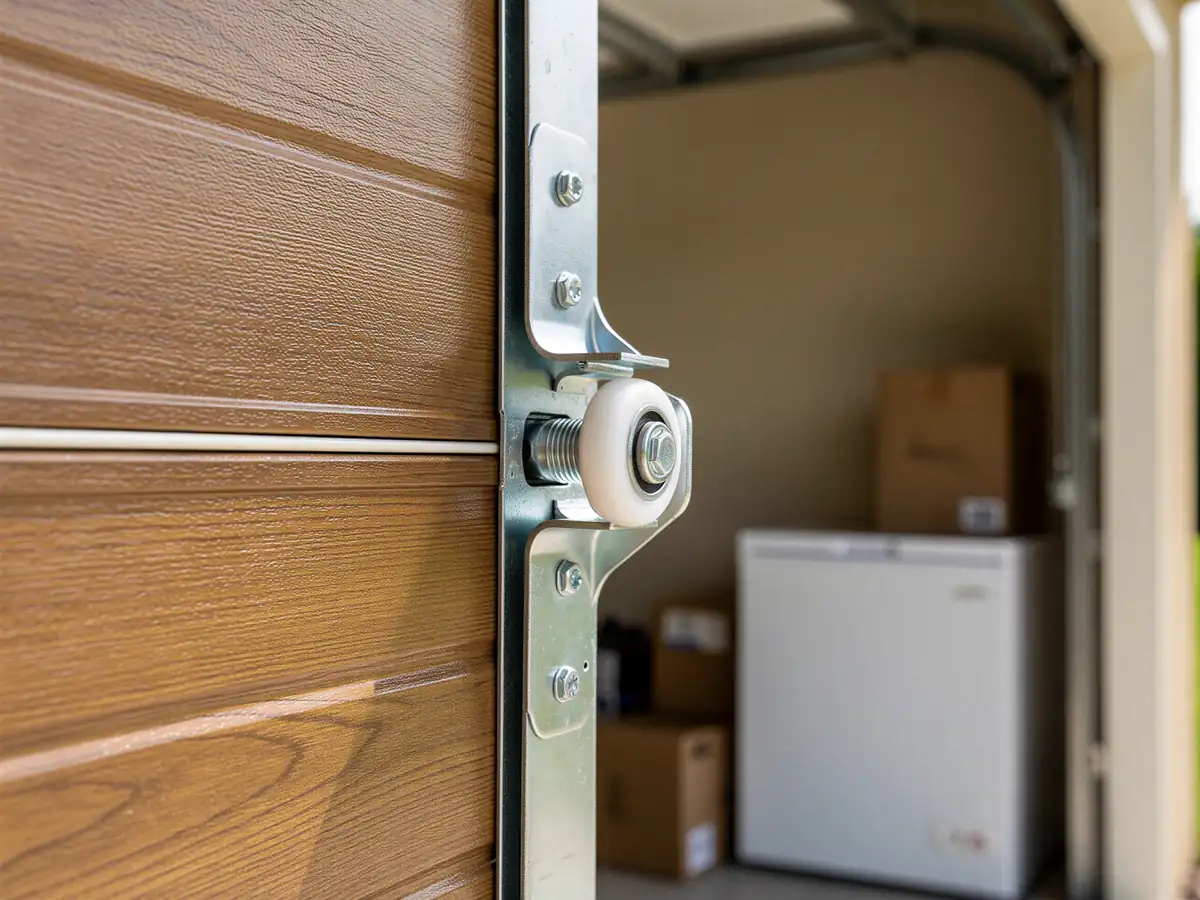
The job is mostly about matching the roller to what's already on the door. Stem length and wheel diameter vary enough between builder-grade doors from the 1980s and 90s that we check what's installed before pulling parts off the truck - a roller that's a few millimeters off in stem length can bind just as badly as the worn one it replaced. We go hinge by hinge rather than pulling every roller at once, which keeps the door supported and the track aligned while the work is underway. Nylon rollers with sealed bearings are the usual swap-in for steel stems that have worn or rusted, since they don't need the lubrication steel rollers do and they run quieter on an older track. One honest limitation: if the track itself is bent or the roller wear has already chewed up the hinge bracket, roller replacement alone won't fix the noise or the binding - that's a track or hardware repair on top of it, and we'll say so rather than sell you new rollers that won't solve the problem.
The Symptom
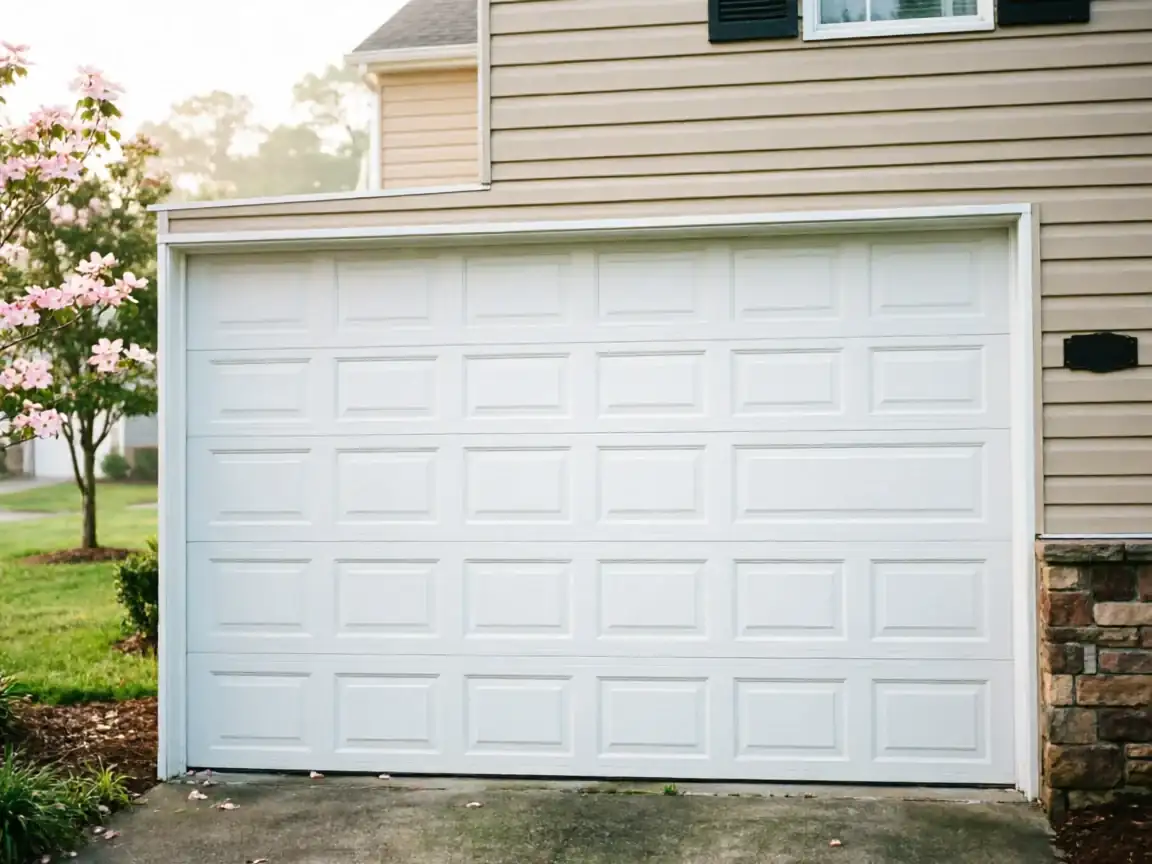
It usually starts as a grinding or popping sound right at the point where the door passes a particular spot in the track, every single cycle, same spot. That's a roller that's lost its round shape or seized on its stem, dragging rather than turning. Left alone, the drag gets worse - the door hesitates or jerks at that spot, and on older steel-roller doors common to Chesapeake's 1980s and 90s housing, a stem that's rusted enough to seize can snap, which lets that corner of the door drop and pull the track out of alignment. If you're hearing a consistent scrape-and-pop as the door moves rather than a one-time catch, that's roller wear, not a spring or opener issue. Catching it before a stem breaks is the difference between a roller swap and a track repair on top of it.