How Long It Takes
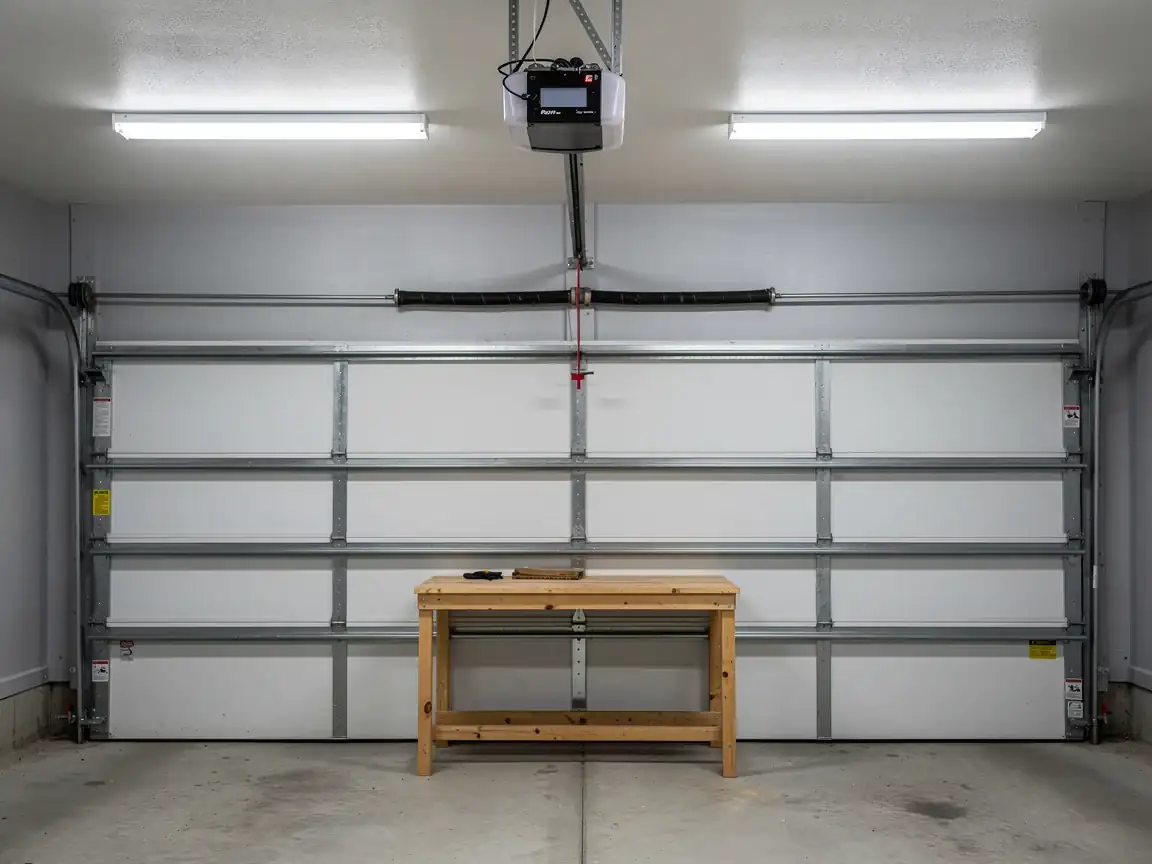
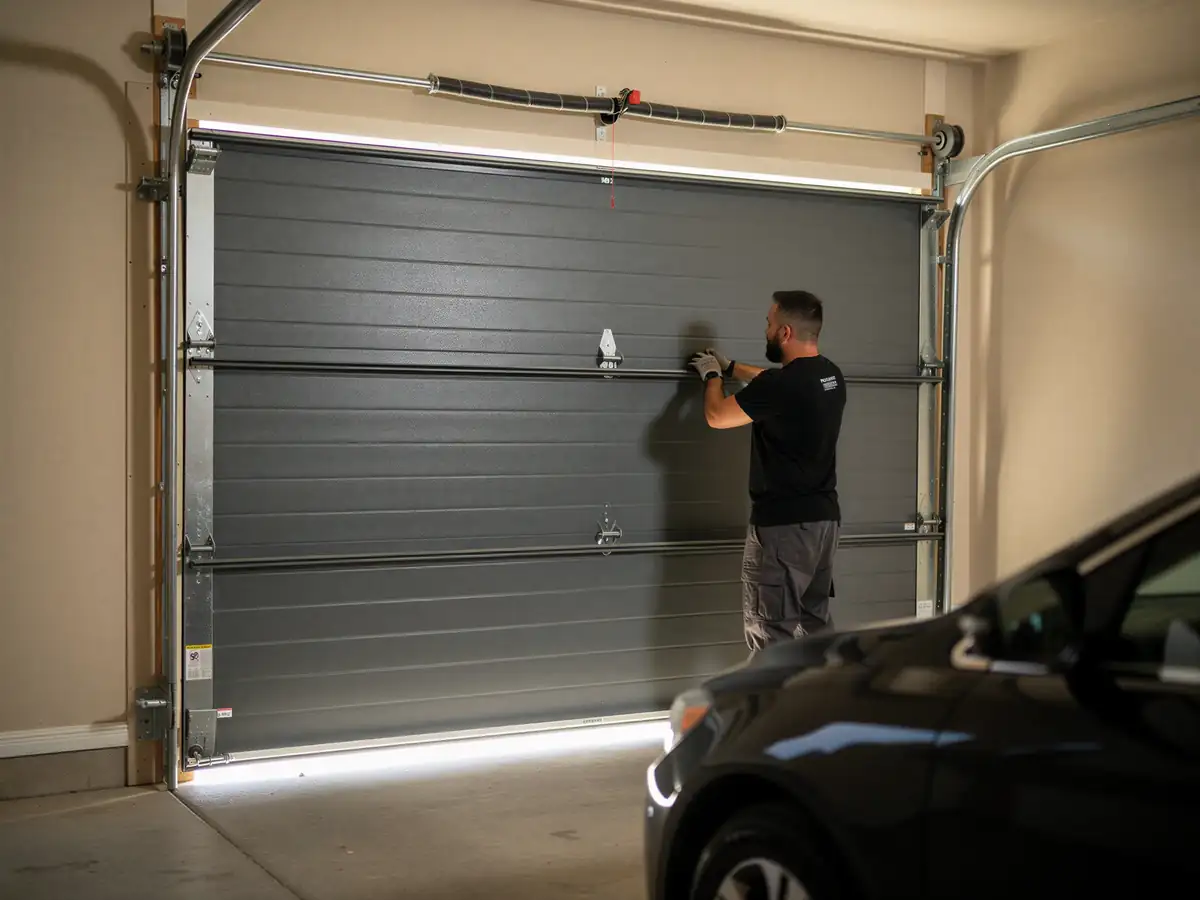
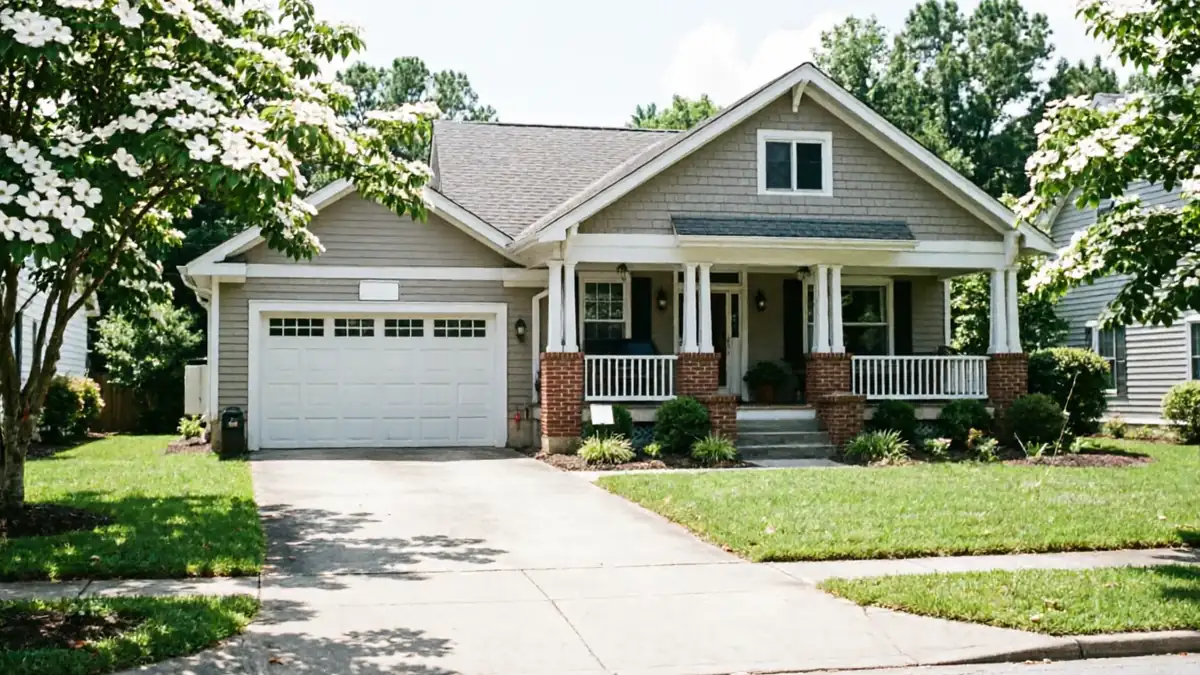
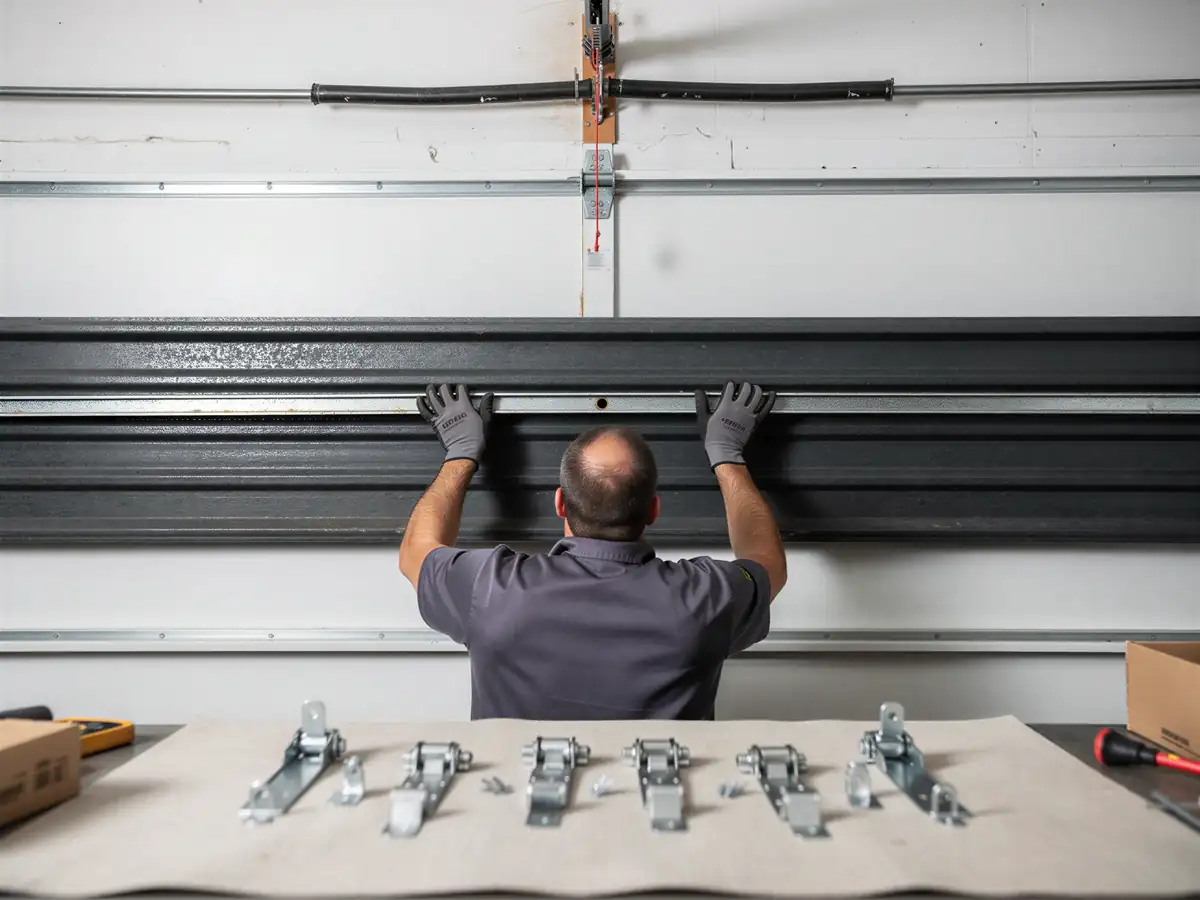
A straightforward spring or opener call on a standard double door usually runs under two hours once a truck is on site. Where it stretches longer is diagnosis - a lot of the houses between still have their original torsion hardware from the 1980s and 90s building boom, and that gear doesn't match what's on the shelf today. Finding a compatible drum or matching a discontinued opener logic board can add a trip. We won't pretend a same-day fix is guaranteed on every job; if a part has to be special-ordered, we tell you that up front instead of promising a window we can't hit. For the common failures - a snapped torsion spring, a worn roller, a sensor knocked out of alignment - you're looking at one visit. For an opener that's thirty-plus years old and simply worn out, replacement is often faster and cheaper than chasing parts for a unit nobody stocks anymore.
What the Repair Takes
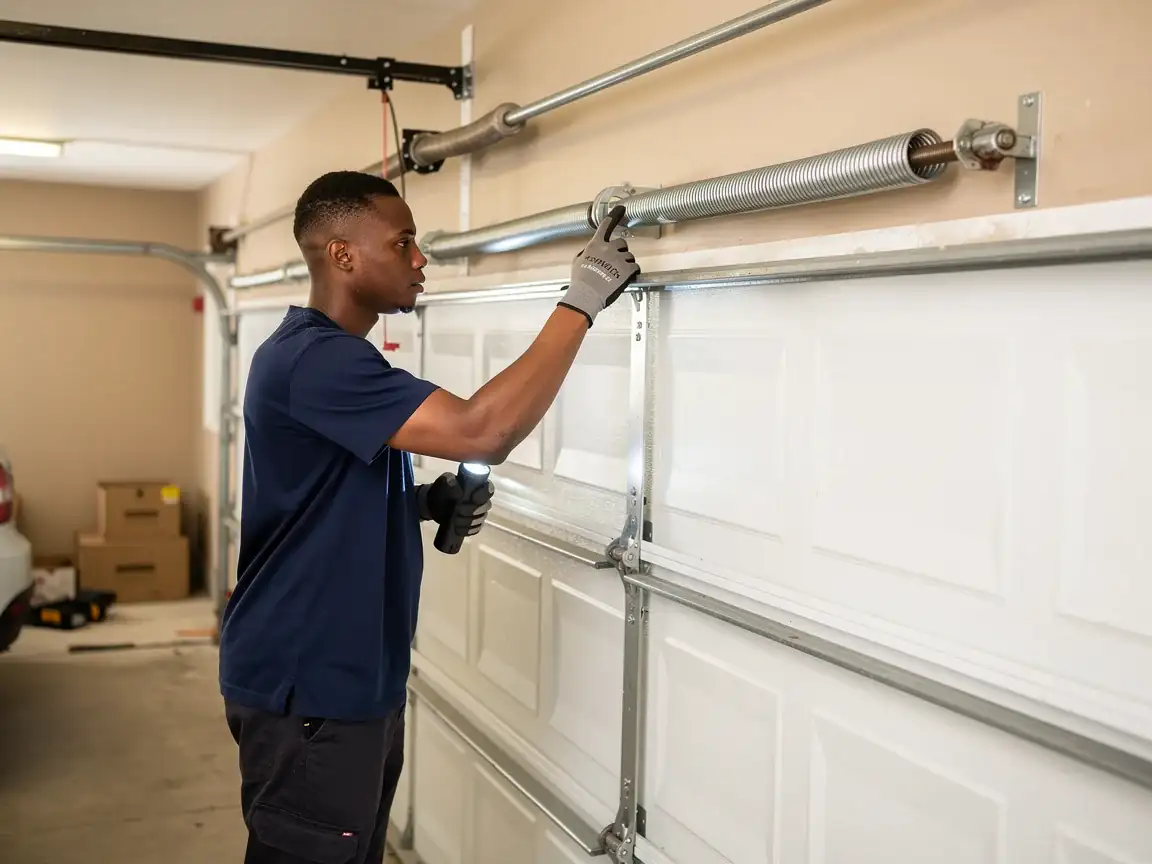
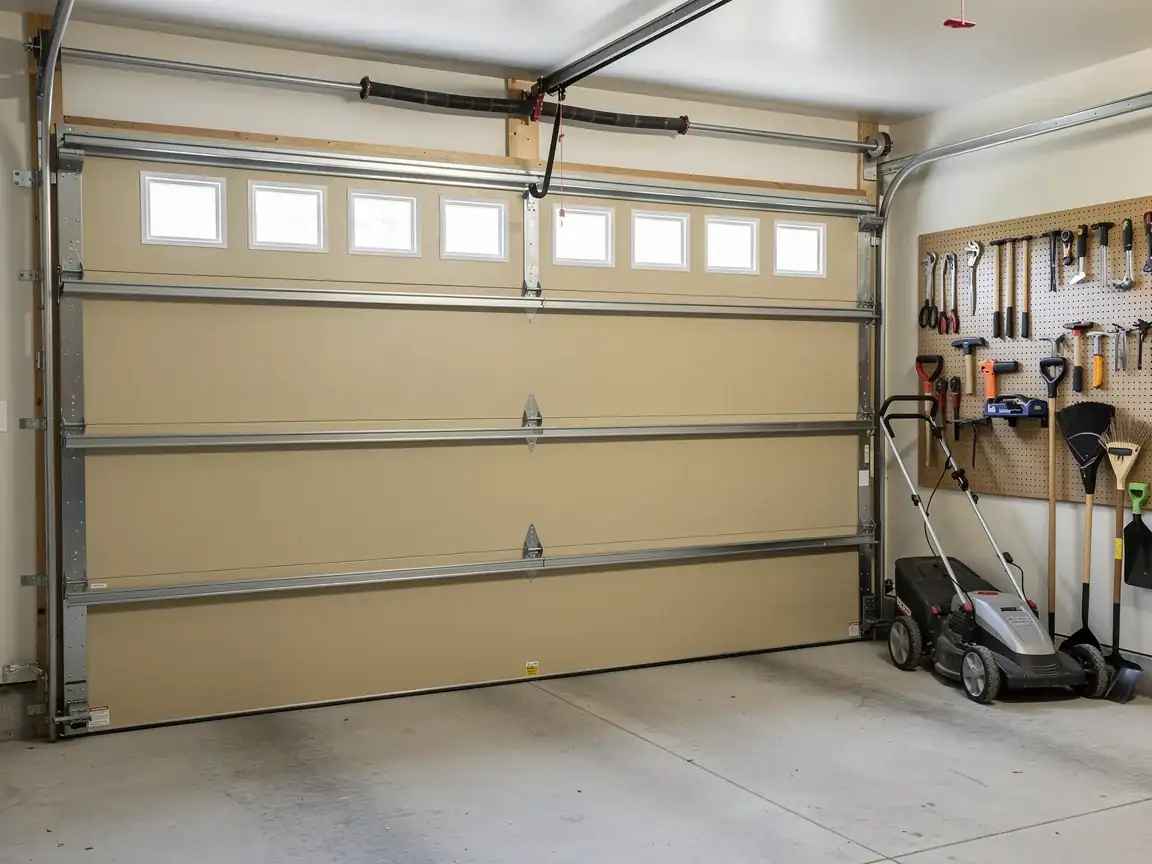
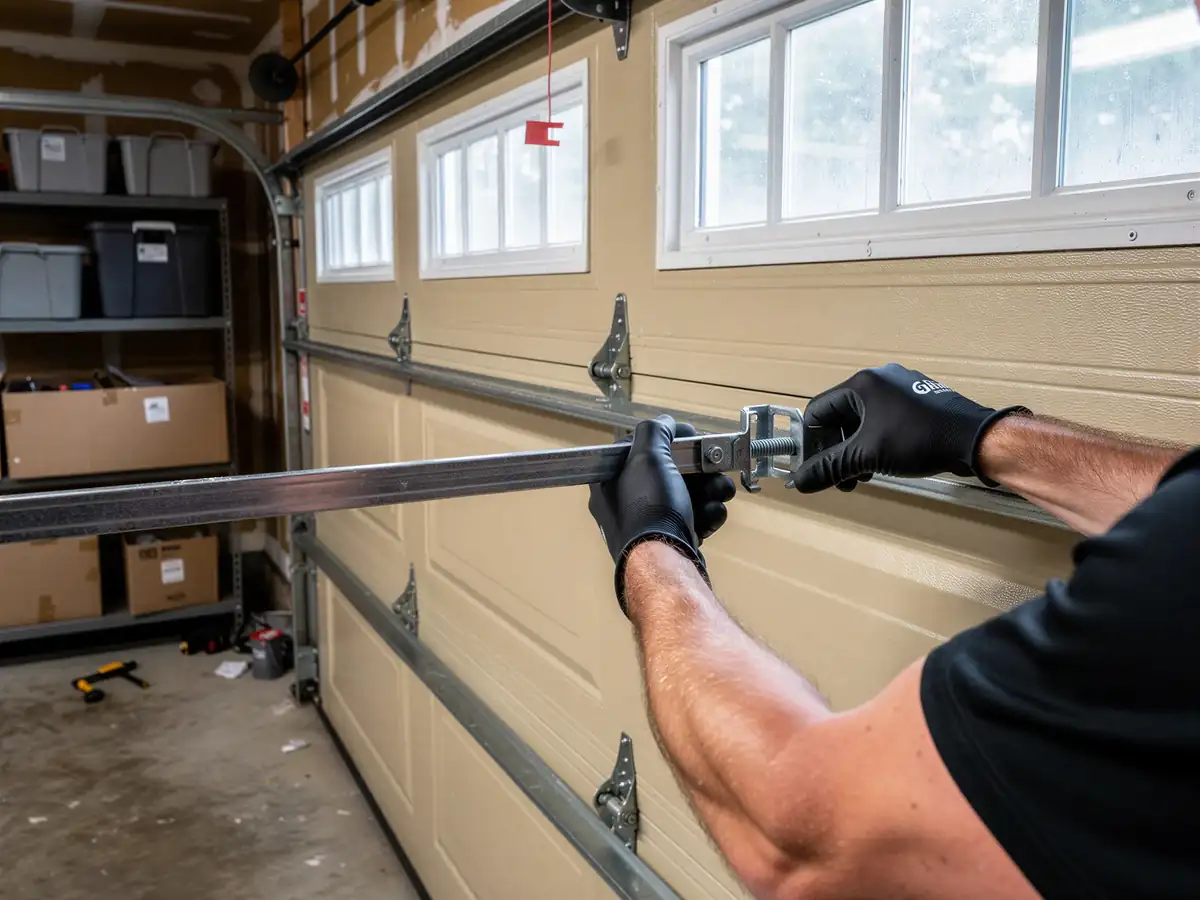
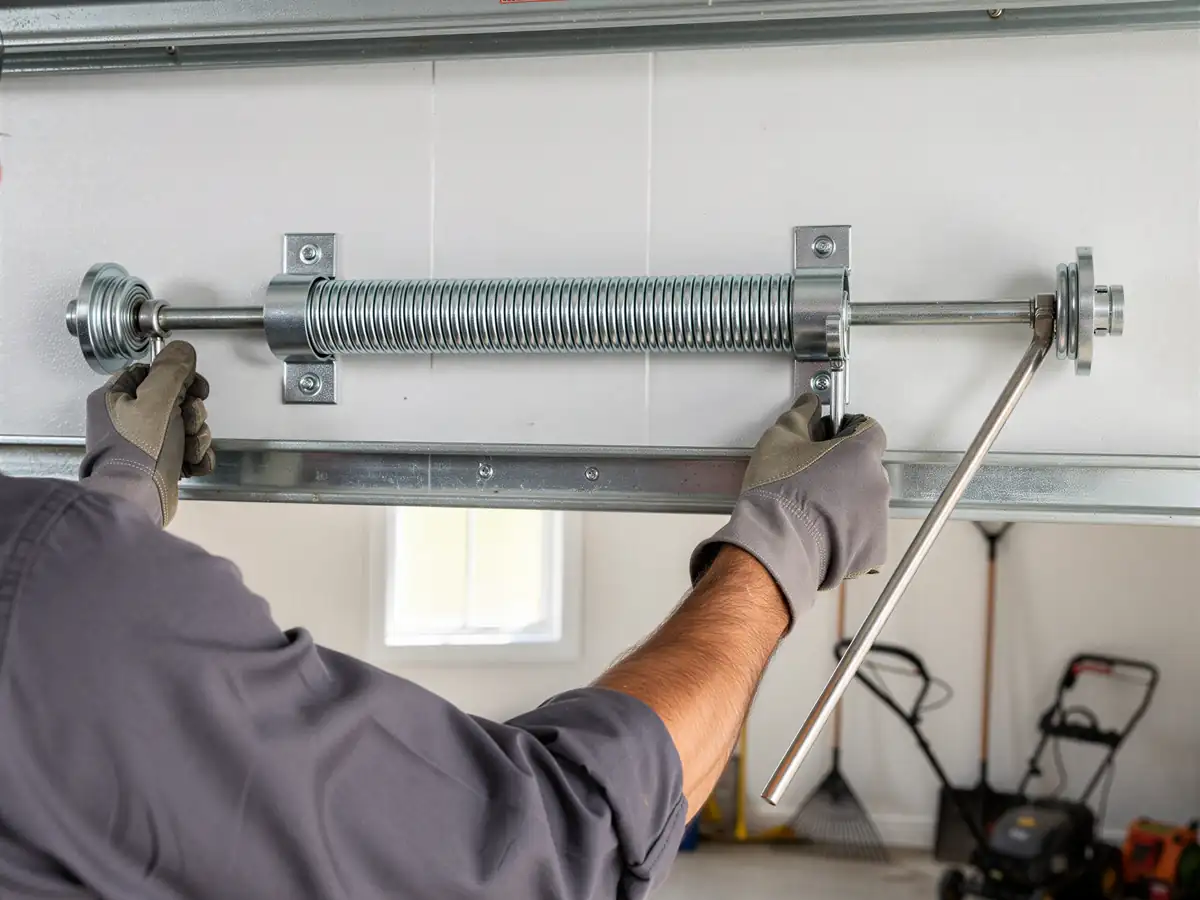
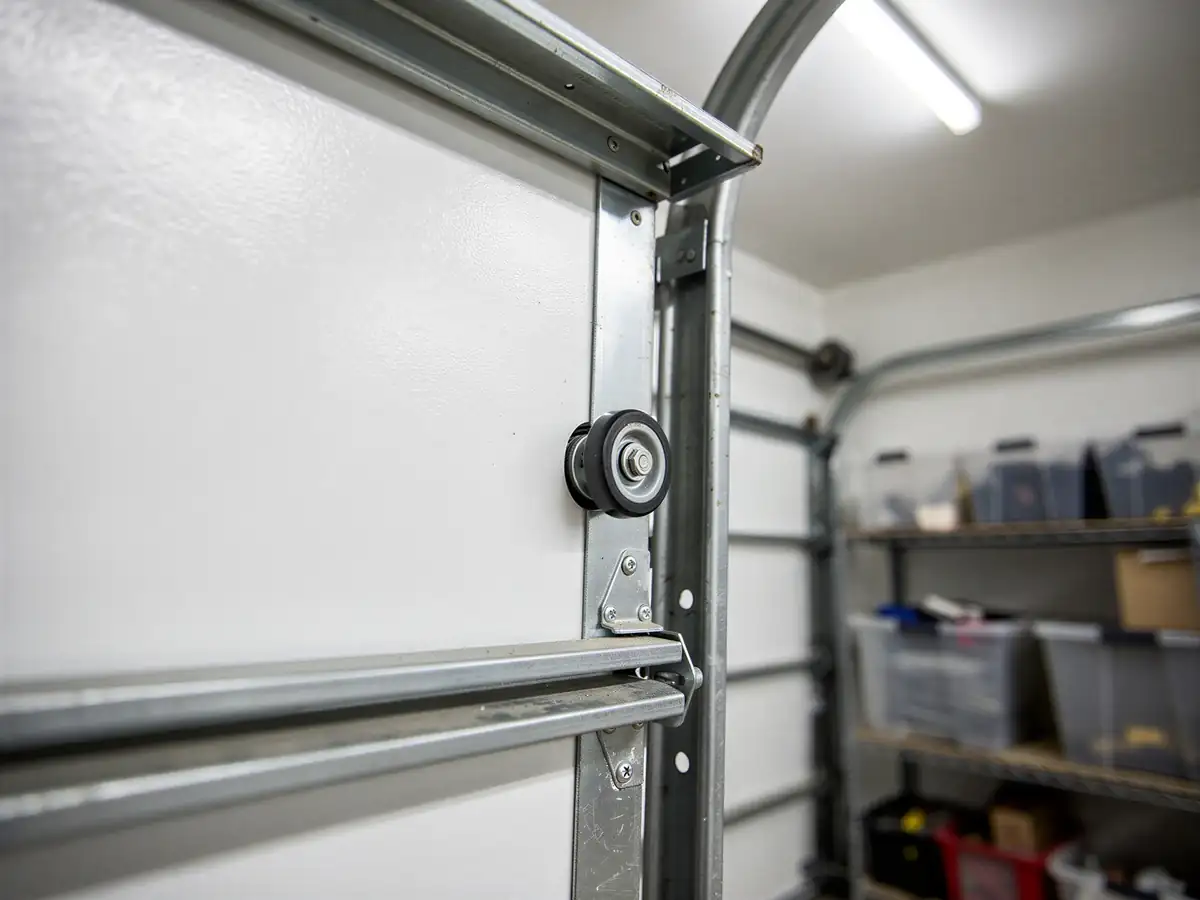
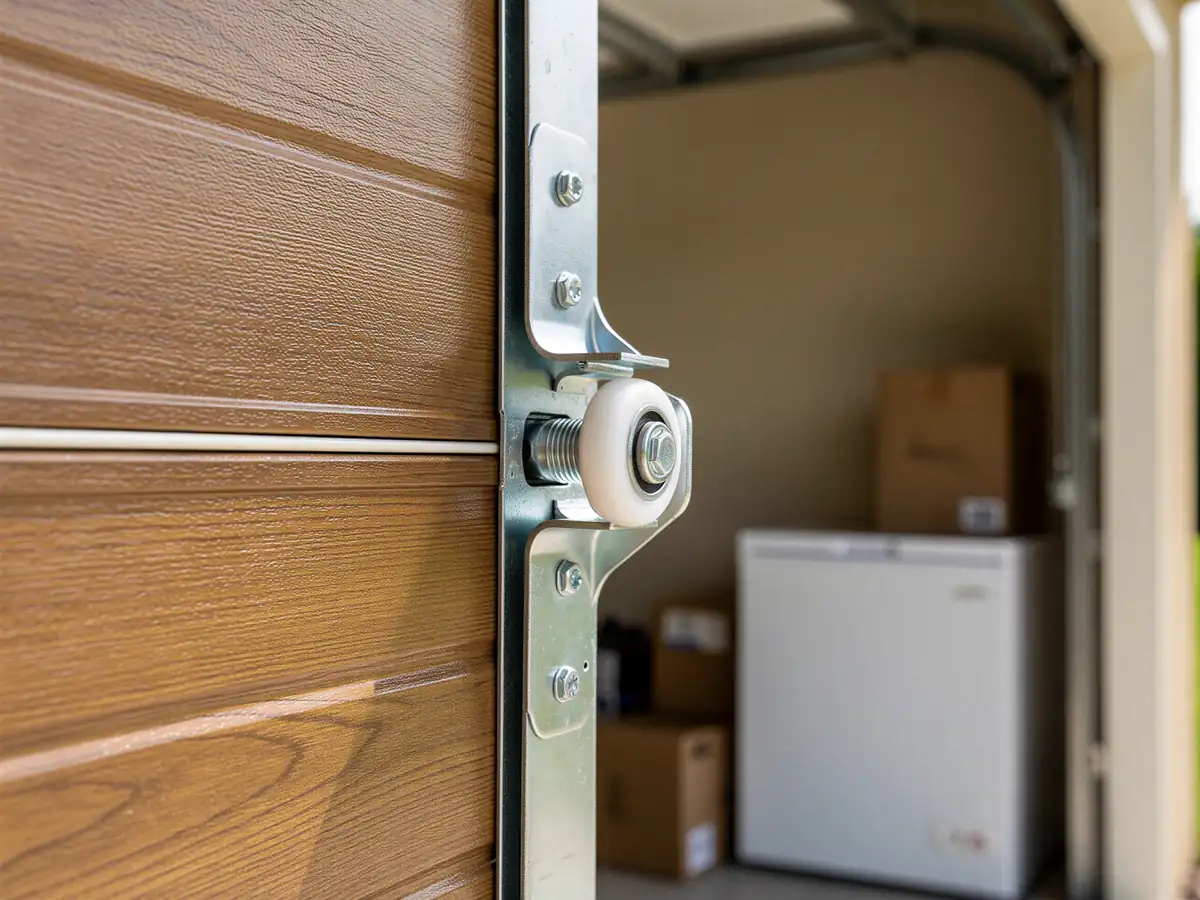
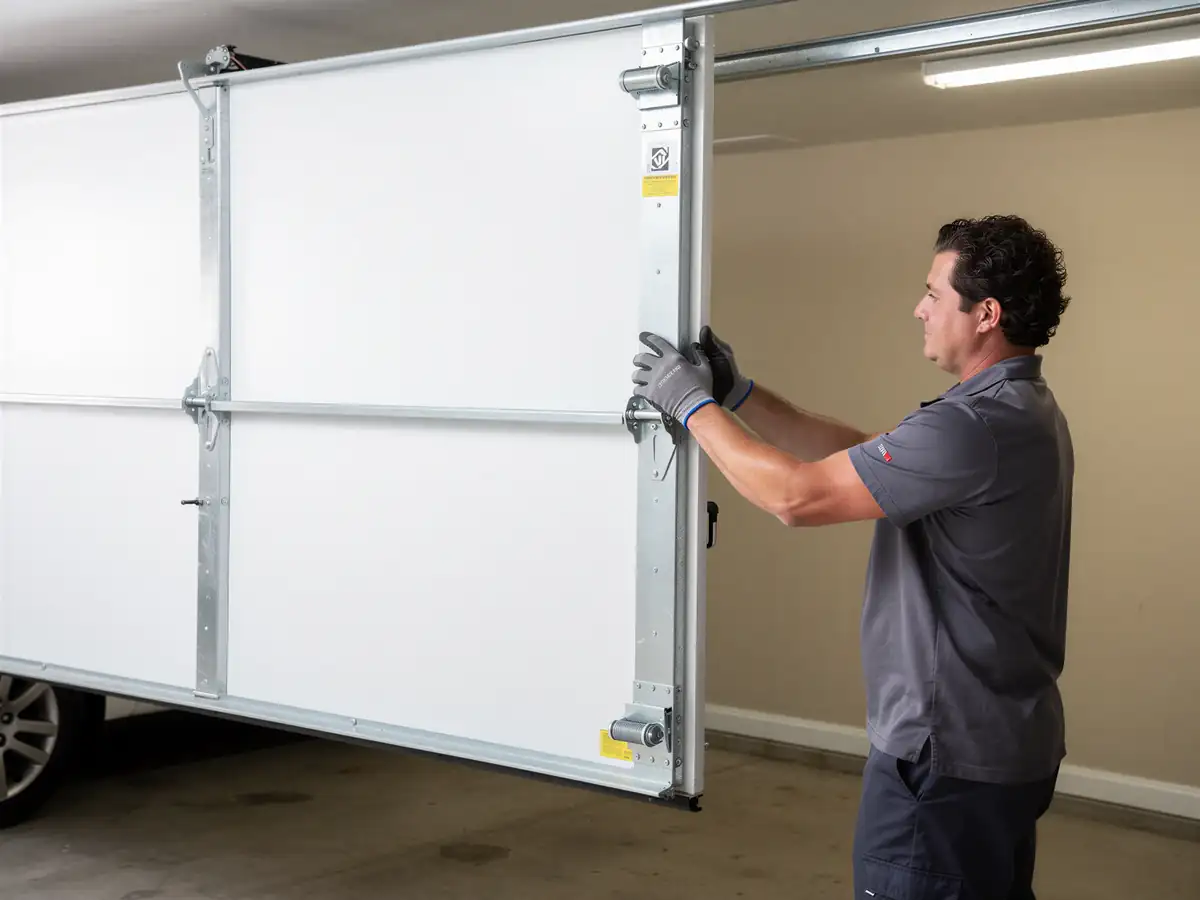
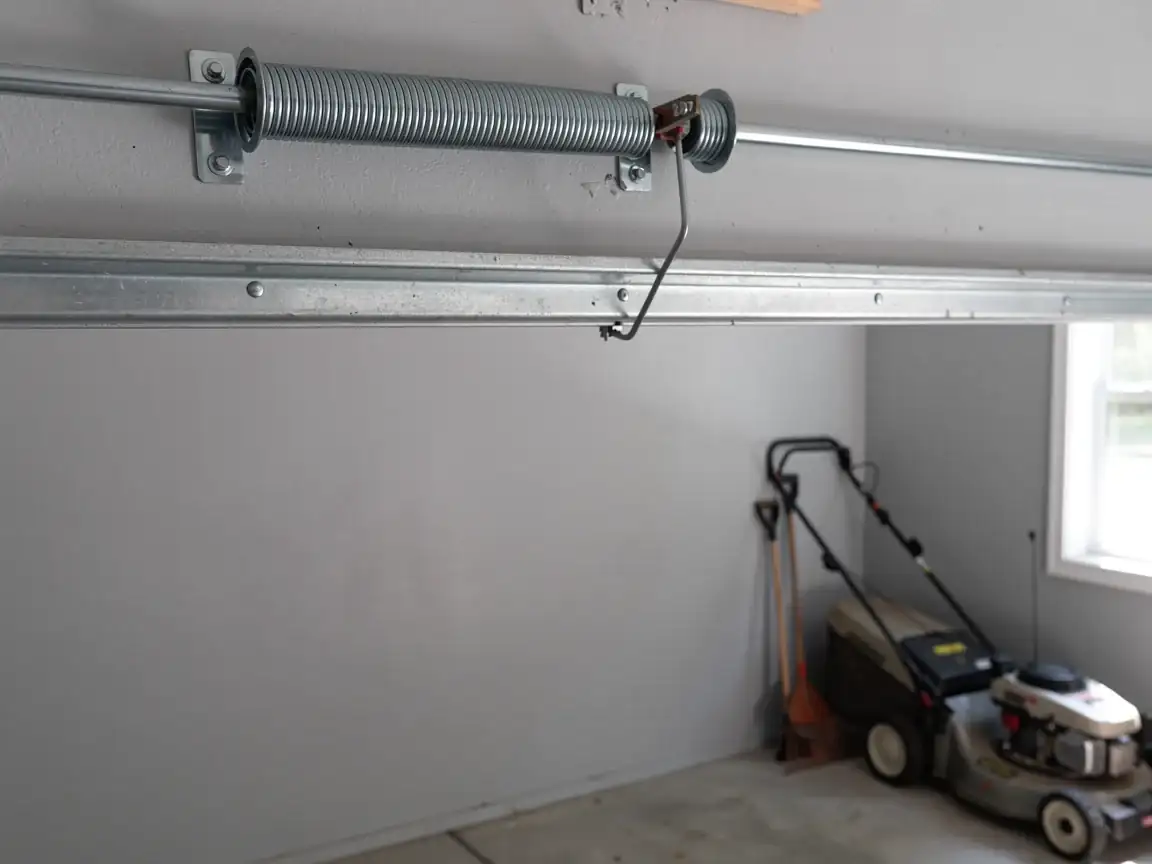
For a broken torsion spring, the job is matching the wire gauge and wind to what's already on the shaft, not guessing at a universal size - original hardware from this era varies enough that eyeballing it causes more comebacks than it solves. For an opener on its way out, we check the logic board and drive gear before recommending a swap; sometimes the motor is fine and it's the gear that stripped. Tracks and rollers get inspected for the kind of surface rust that's common on doors that have sat through a few decades of Chesapeake winters without much upkeep. One honest limit here: if a door's structural panels are warped or rusted through, spring and opener work won't fix the underlying problem, and we'll say so rather than patch around it. Most jobs on this housing stock are repairable without full door replacement, but we won't push a repair past the point where it's throwing good money at a door that's done.
The Symptom
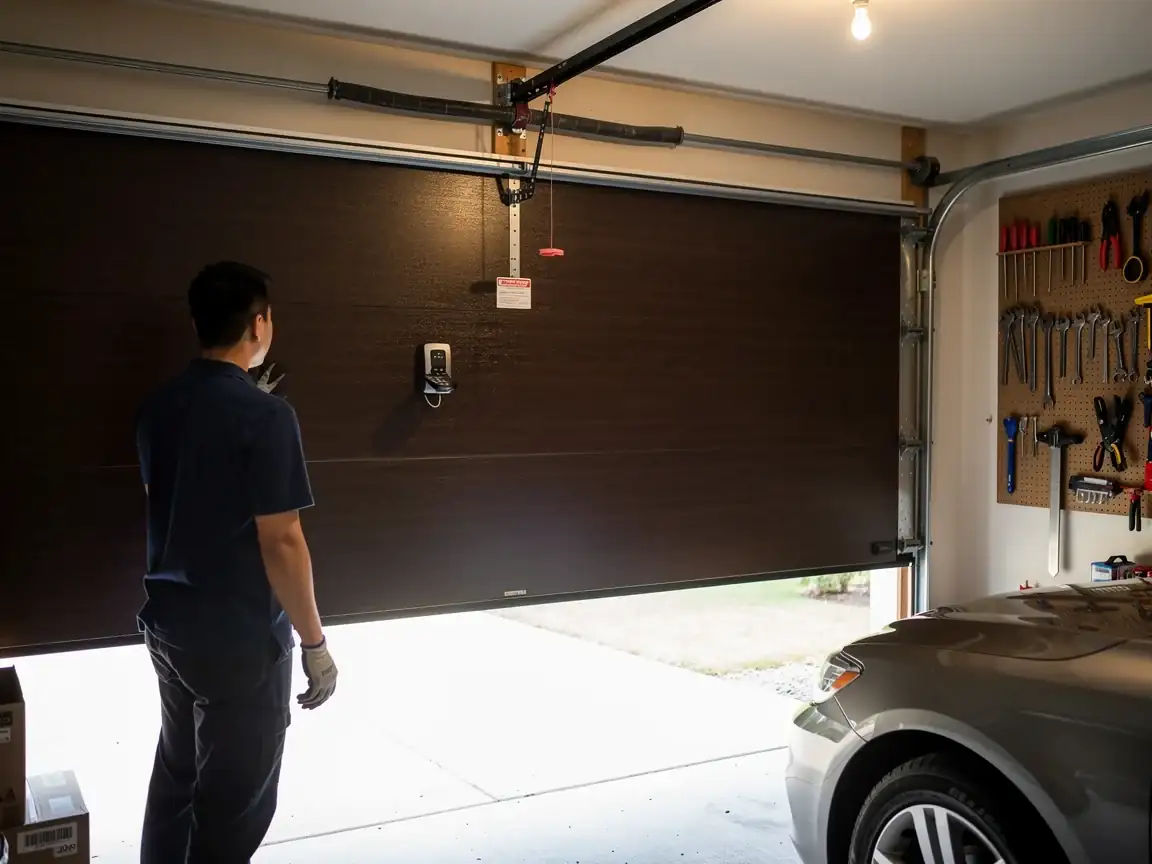
The telltale sign on a house this age is a door that reverses itself halfway up, or one that's suddenly too heavy to lift by hand - both point to a spring that's lost tension or snapped outright. A grinding or popping noise right before the door sticks is usually the giveaway that it's mechanical, not electrical. If the opener runs but the door doesn't move, or moves and then stalls, that's often a stripped gear inside a thirty-year-old motor housing rather than anything wrong with the remote. Owners in the area tend to notice this more in winter, when stiffened lubricant and cold metal make an already-worn spring more likely to let go. If your door is slamming down fast instead of lowering evenly, stop using it and call - that's a spring failure, and running the opener against it can bend the track or burn out the motor.