The Symptom
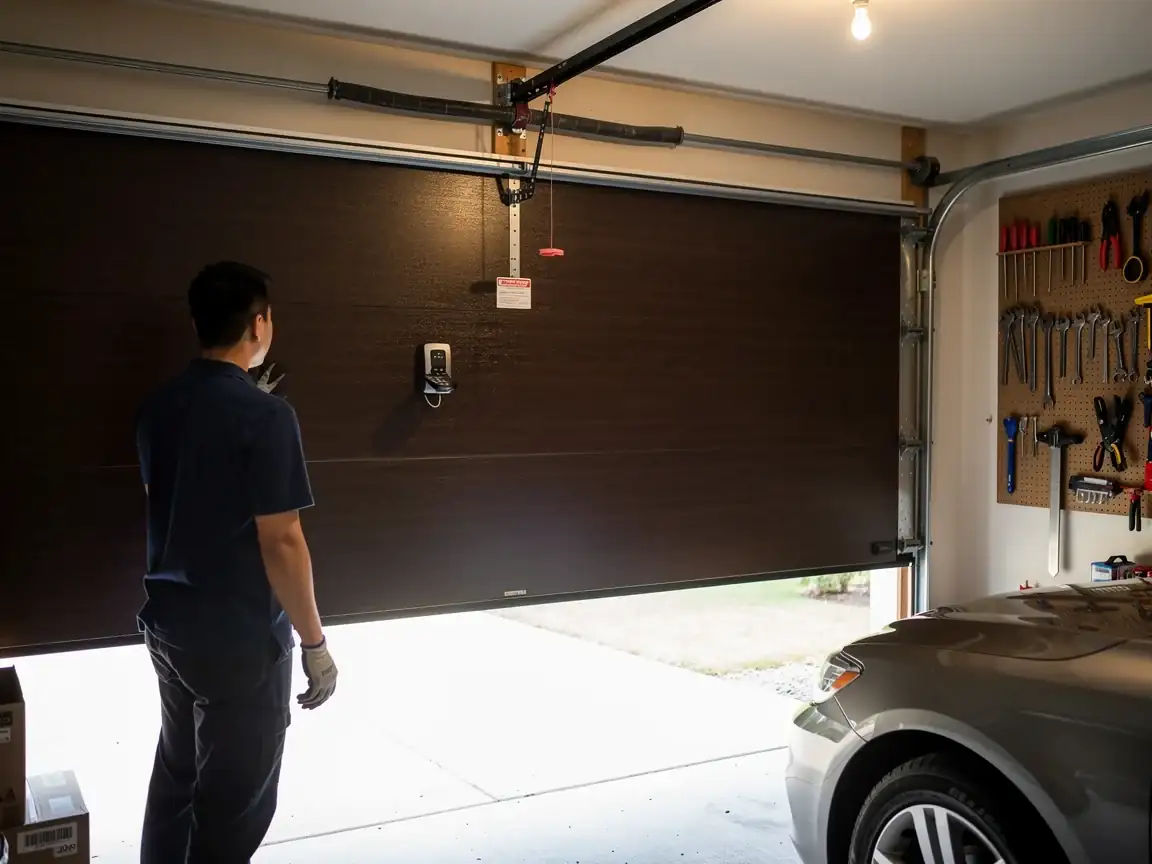
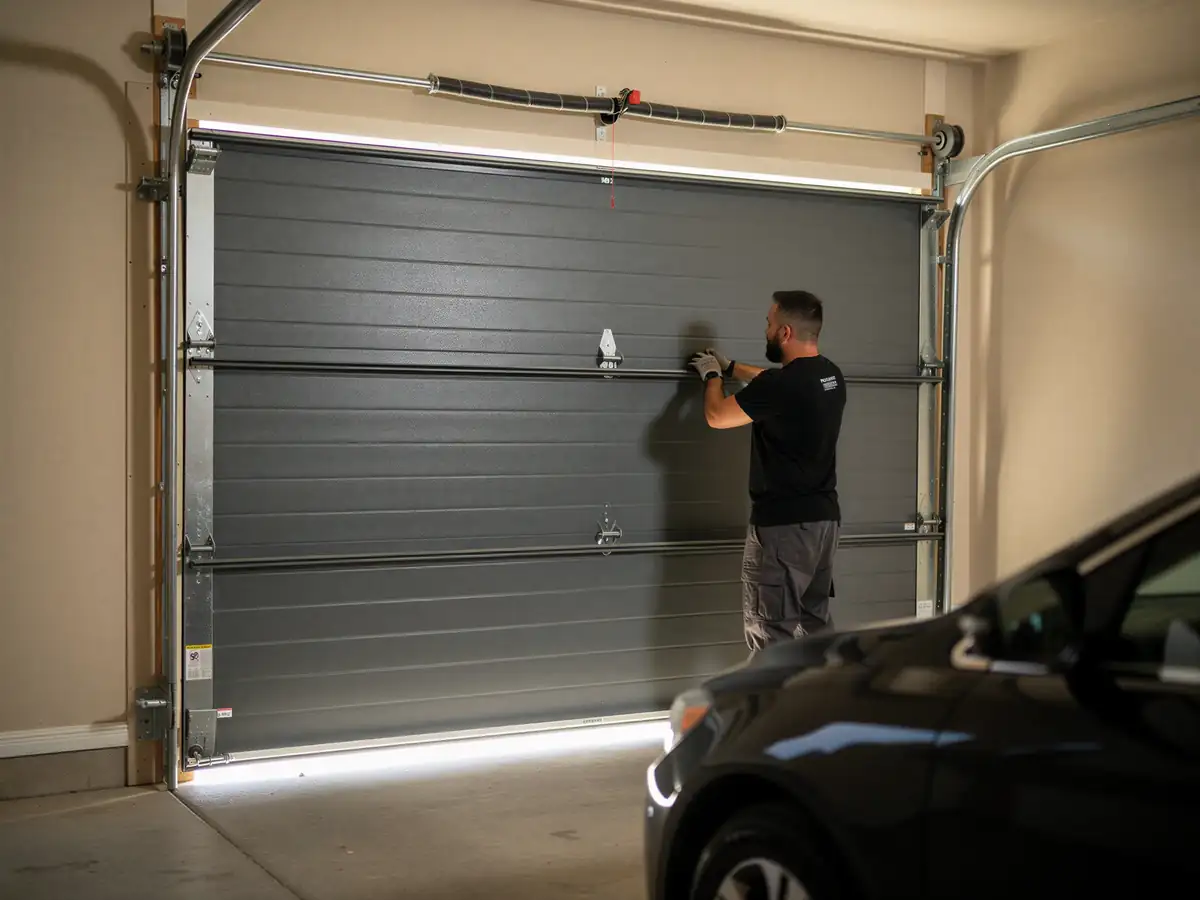
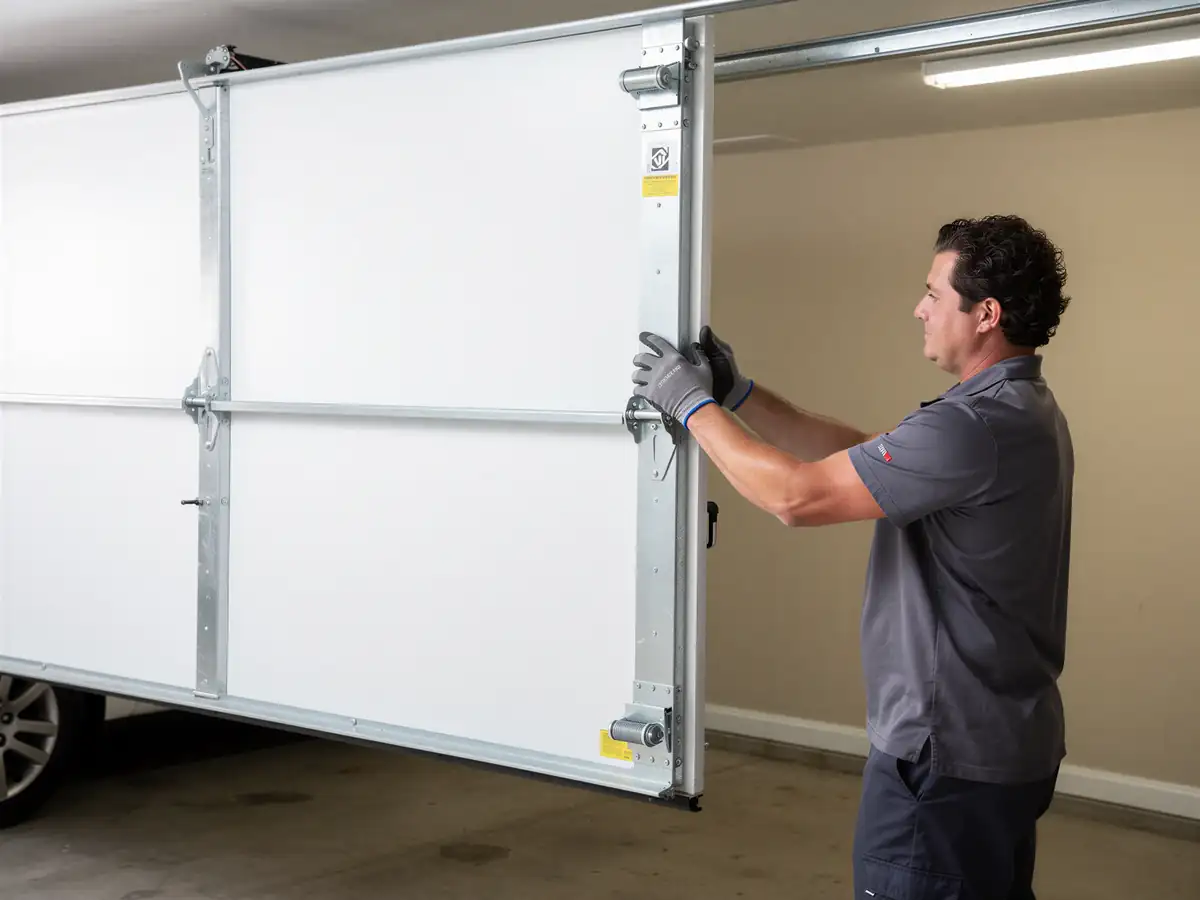
A door off track doesn't always look dramatic. Sometimes it's a panel that's tilted an inch out of line at the bottom corner. Sometimes a roller has popped clean out of the track and the door is hanging crooked, stuck halfway, or won't move at all without grinding against the frame. You might hear a bang when it happens - a roller jumping the track usually makes noise - or you might just notice the door looks off the next time you pull into the driveway.
Don't keep pressing the opener button if the door is visibly crooked or a cable looks loose. That can bend the track further, pull the opener's trolley arm, or drop the door the rest of the way off its hangers. If the door is still partway in the track and moves under hand pressure, leave it alone until someone looks at it. If it's fully off and lying against the frame, that's a job that needs a truck, not a tutorial.
A door that's merely misaligned is a different repair than one with a bent track or a broken cable, and from the driveway those can look almost identical. That's the first thing to sort out before anyone touches it.
What Causes It Around Here
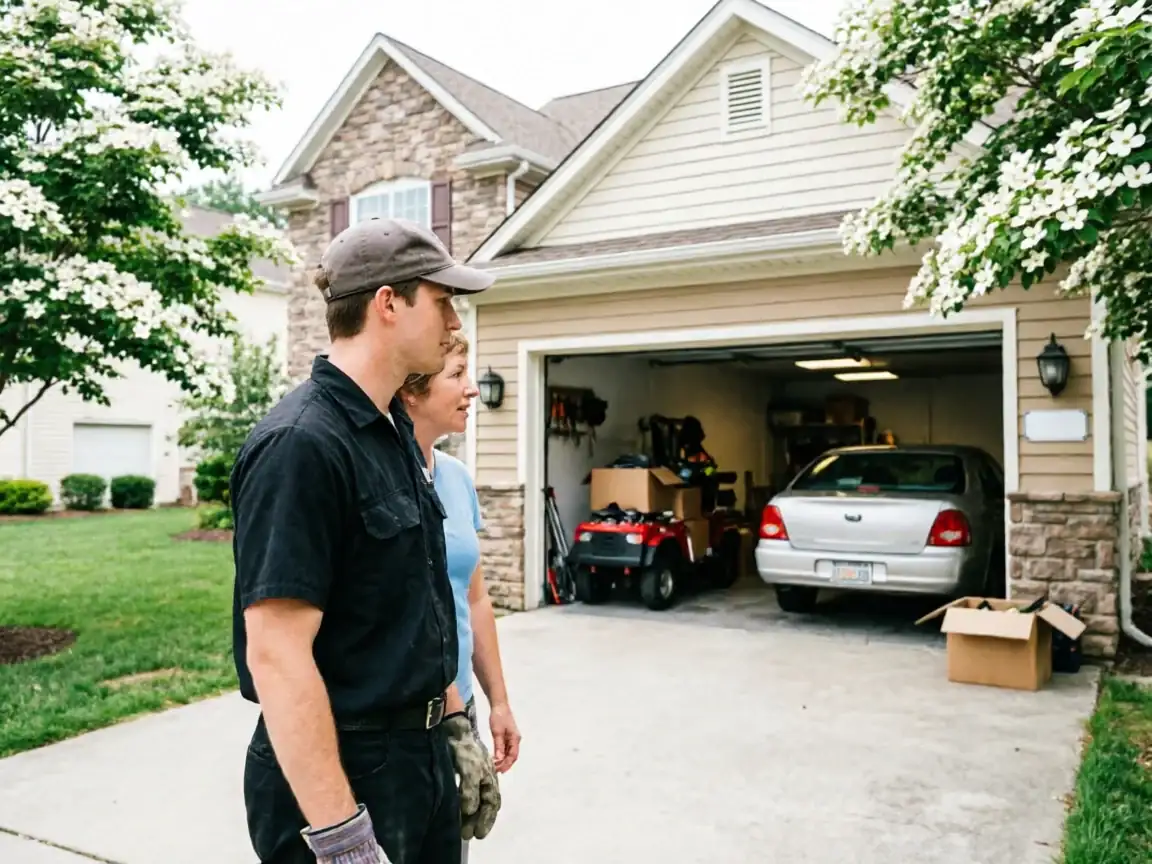
Most of the houses this company works on in the Chesapeake area went up during the 1980s and 90s building boom
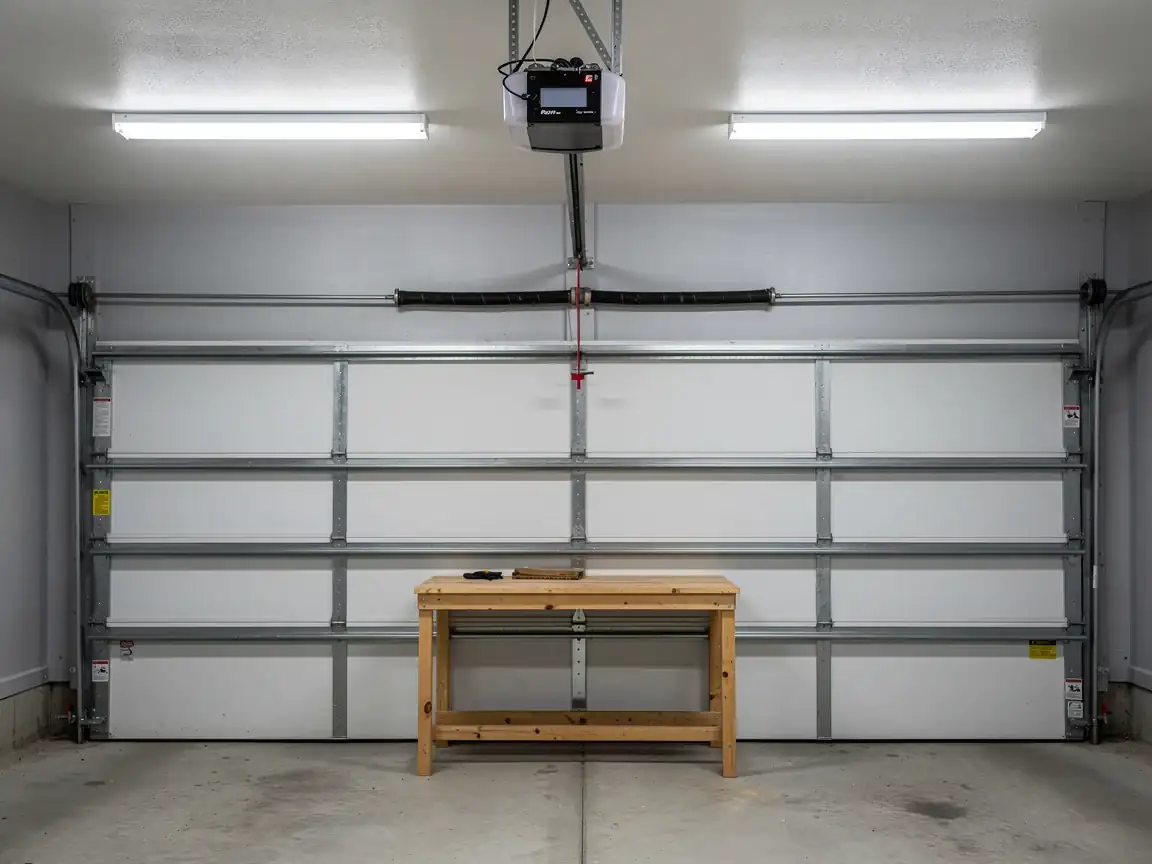
And that era's garage doors came on steel tracks bolted to wood jamb framing with hardware that was never meant to last forever. Thirty-plus years of opening and closing wear that hardware loose, and a loose track bracket is one of the more common calls this company gets across the roughly 15,020 owner-occupied houses in the service area.
- 15,020 owner-occupied
Chesapeake sits in a moderate-cold climate band, not the deep freeze you'd get further inland or up north
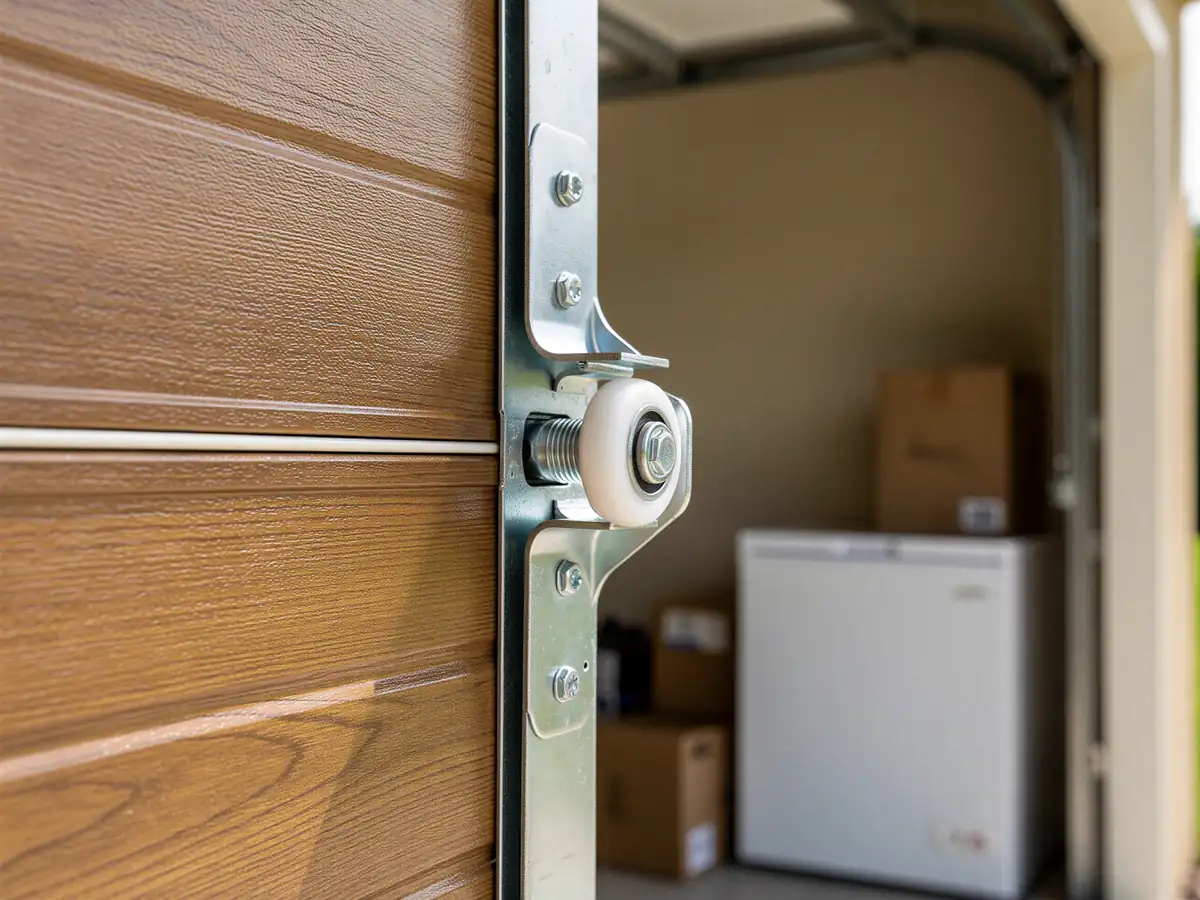
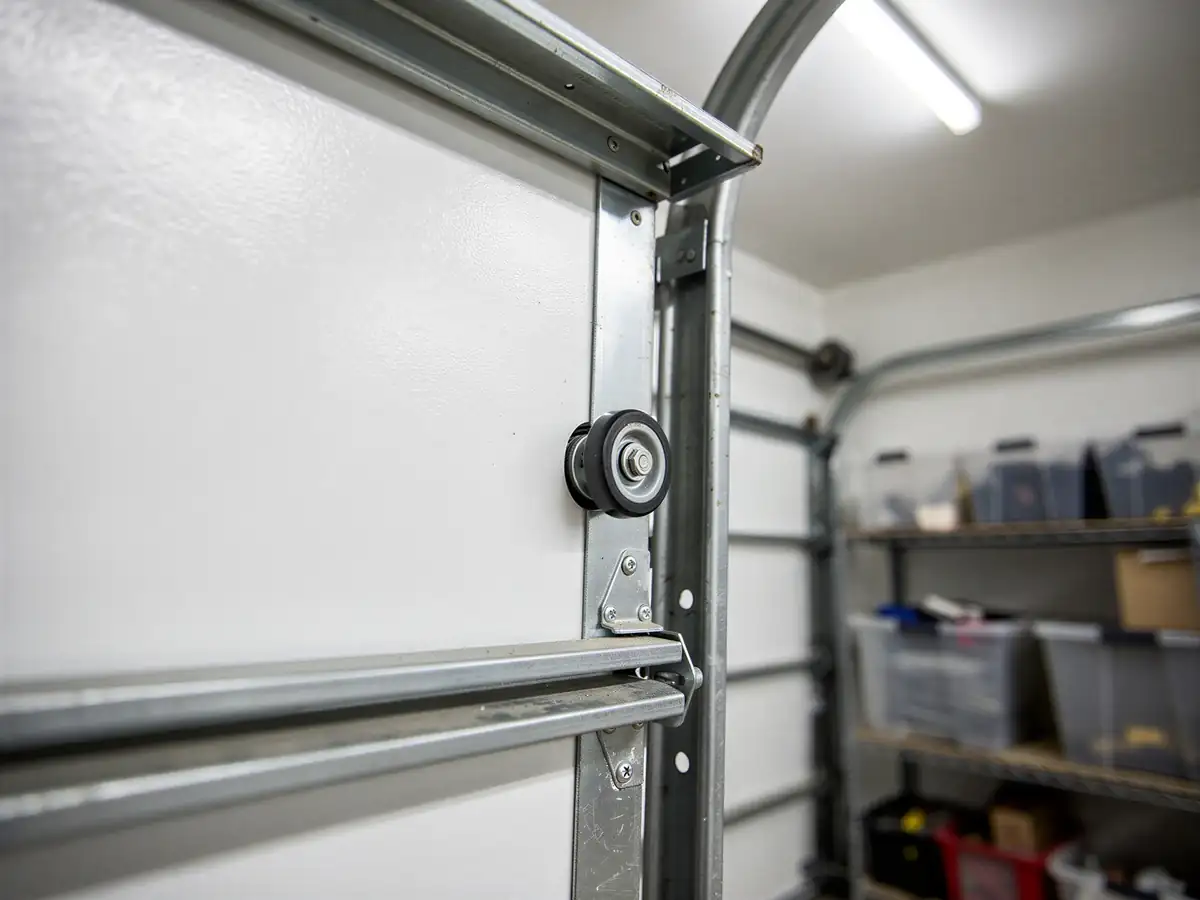
But enough seasonal swing that wood jambs expand and contract through the year. Track brackets screwed into that wood work loose a little at a time, and a track that's drifted even a quarter inch out of plumb will eventually let a roller walk right off the edge, especially on a door that's used daily.
The other common trigger is simpler: something hits the door
A car bumper, a bike, a gust catching an open door - any of those can bend a section of track enough to throw rollers off course, and that has nothing to do with the age of the house.
How Long It Takes
A straightforward off-track repair - door still intact, track just bent or misaligned, rollers still good - is usually a same-visit fix. Realigning a track, tightening brackets back to the jamb, and making sure the door runs true again doesn't take long once the tech is on site and has eyes on the actual damage.
It takes longer when the track itself is bent badly enough to need replacing, or when the door coming off the track also damaged a panel, bent a hinge, or snapped a cable on the way. Those are separate repairs stacked on top of the original call, and parts for an exact panel match on an older door aren't always sitting on the truck - sometimes that means a short wait on a special order rather than a same-day finish.
There's no fixed number that covers every case, because a door that popped one roller and a door that's lying sideways against the frame aren't the same job, even though they both start with someone saying "it's off track." What the tech can tell you on arrival is which one you've got and what it'll take to put it right.
What the Repair Takes
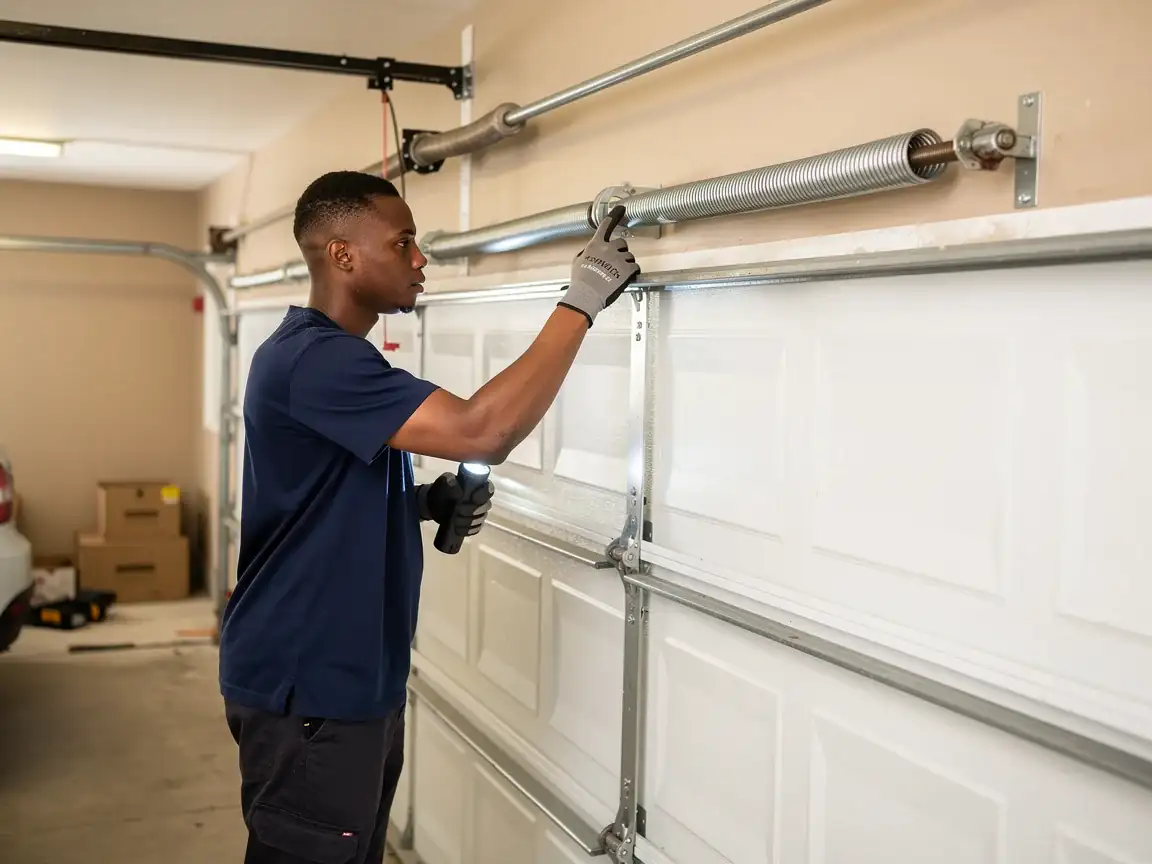
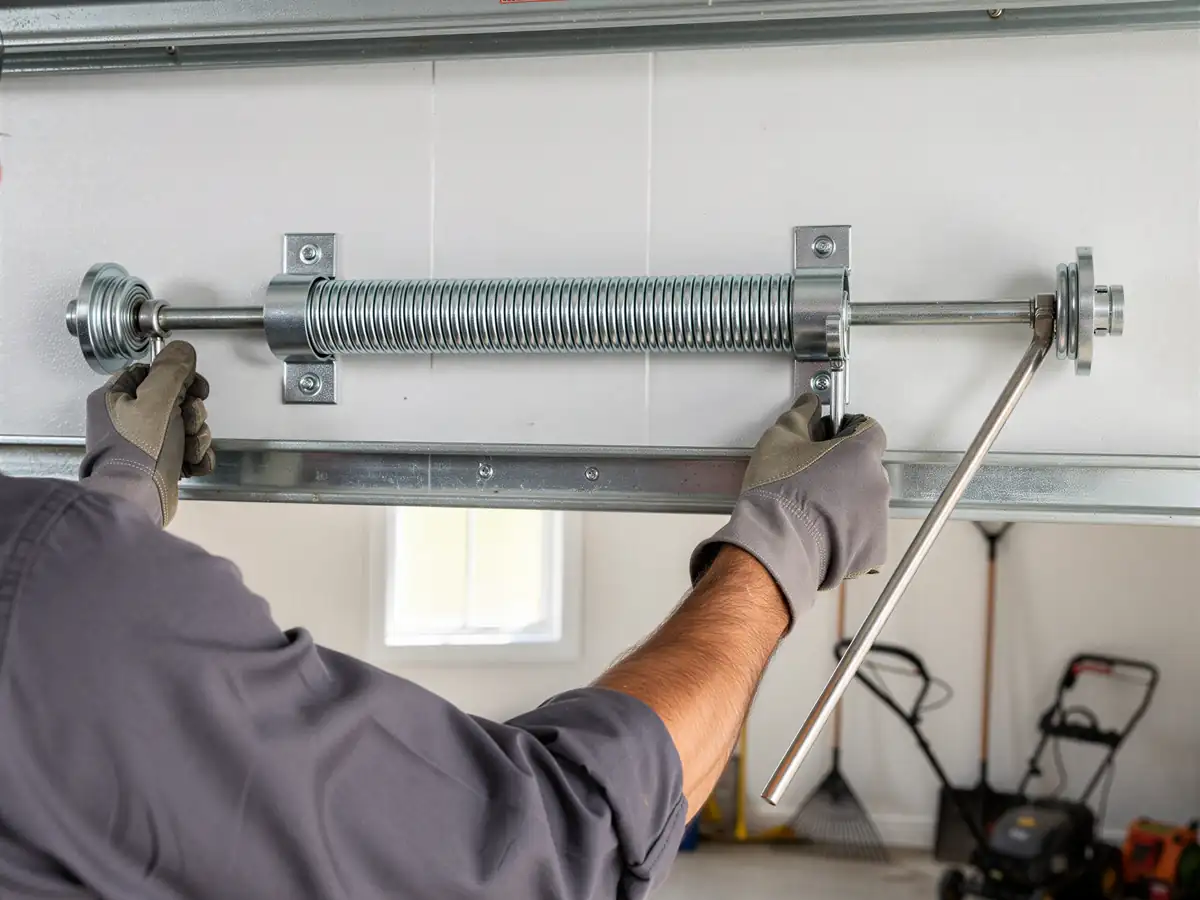
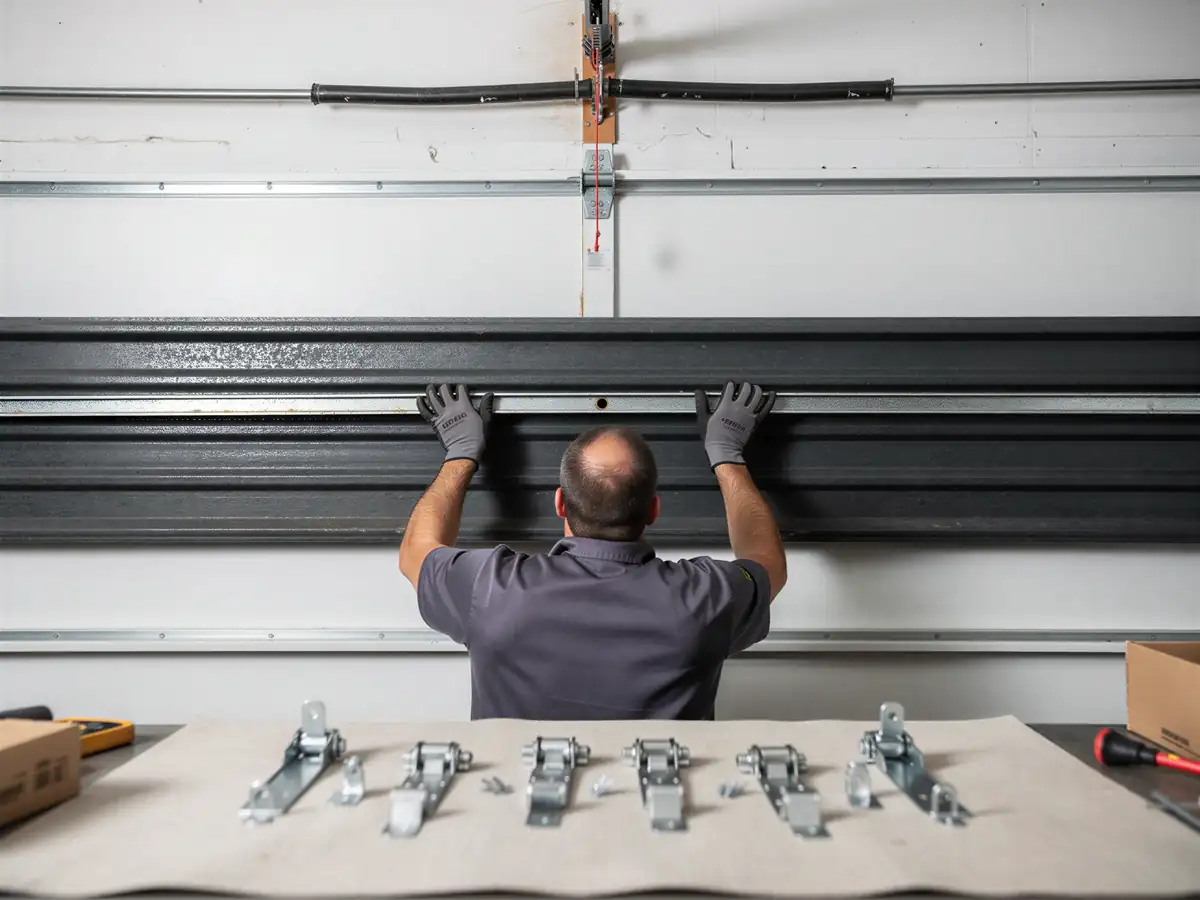
The tech starts by figuring out why it came off, not just putting it back. That means checking whether the track brackets are loose in the jamb, whether the track itself is bent, whether a roller is worn down and undersized for the track it's riding in, and whether the cables and springs are still doing their job correctly - a door that's off balance from a weak spring will fight the track again even after a clean realignment.
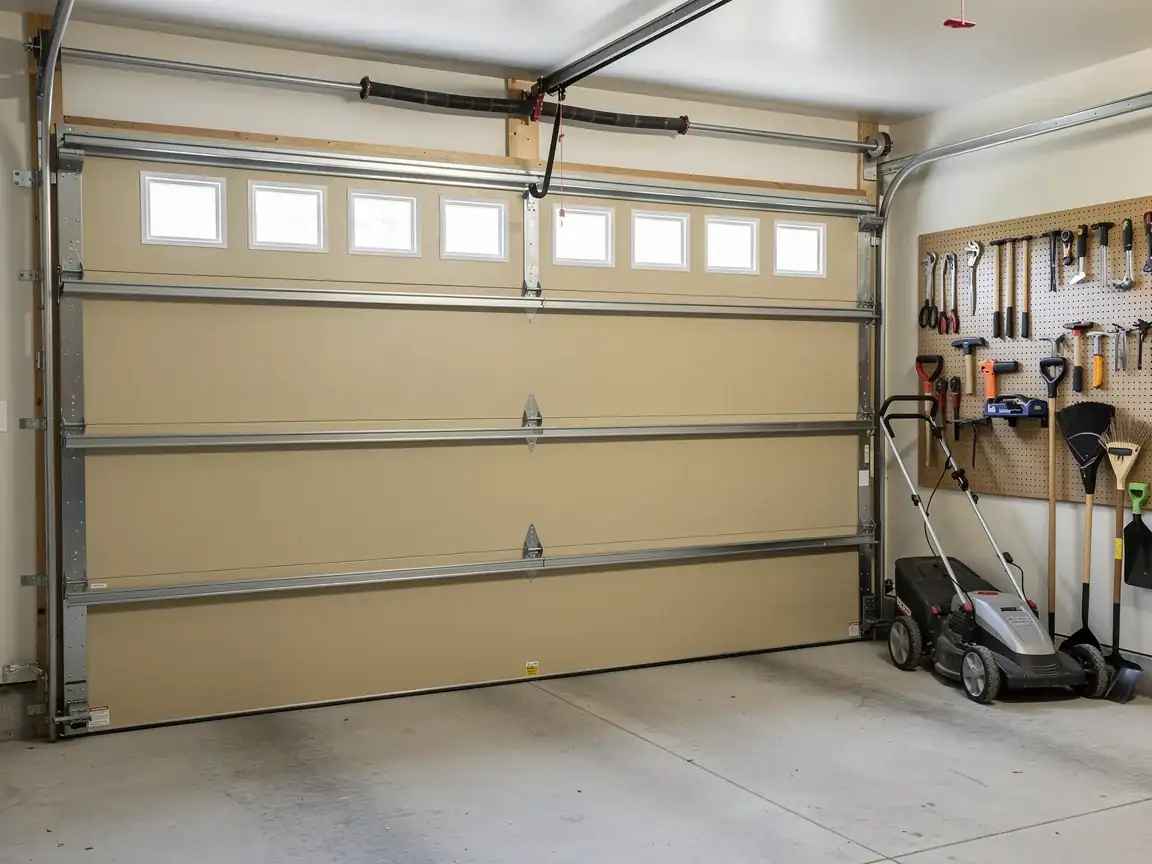
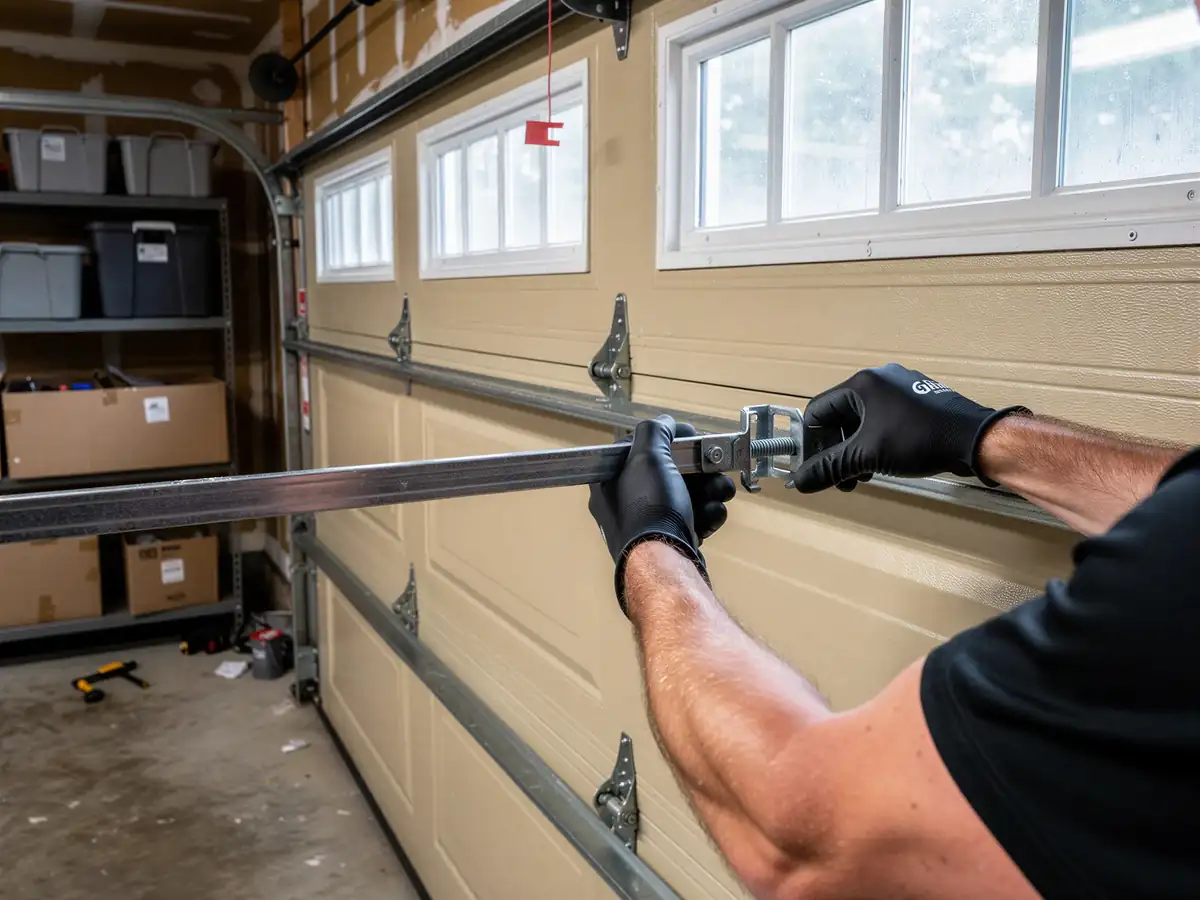
From there it's a matter of re-seating the door in the track, re-securing or replacing brackets, straightening or swapping out a bent section of track, and swapping any rollers that are worn past the point of holding a line. On a double door especially, both tracks get checked, not just the side that failed, since whatever stressed one side often loaded the other.
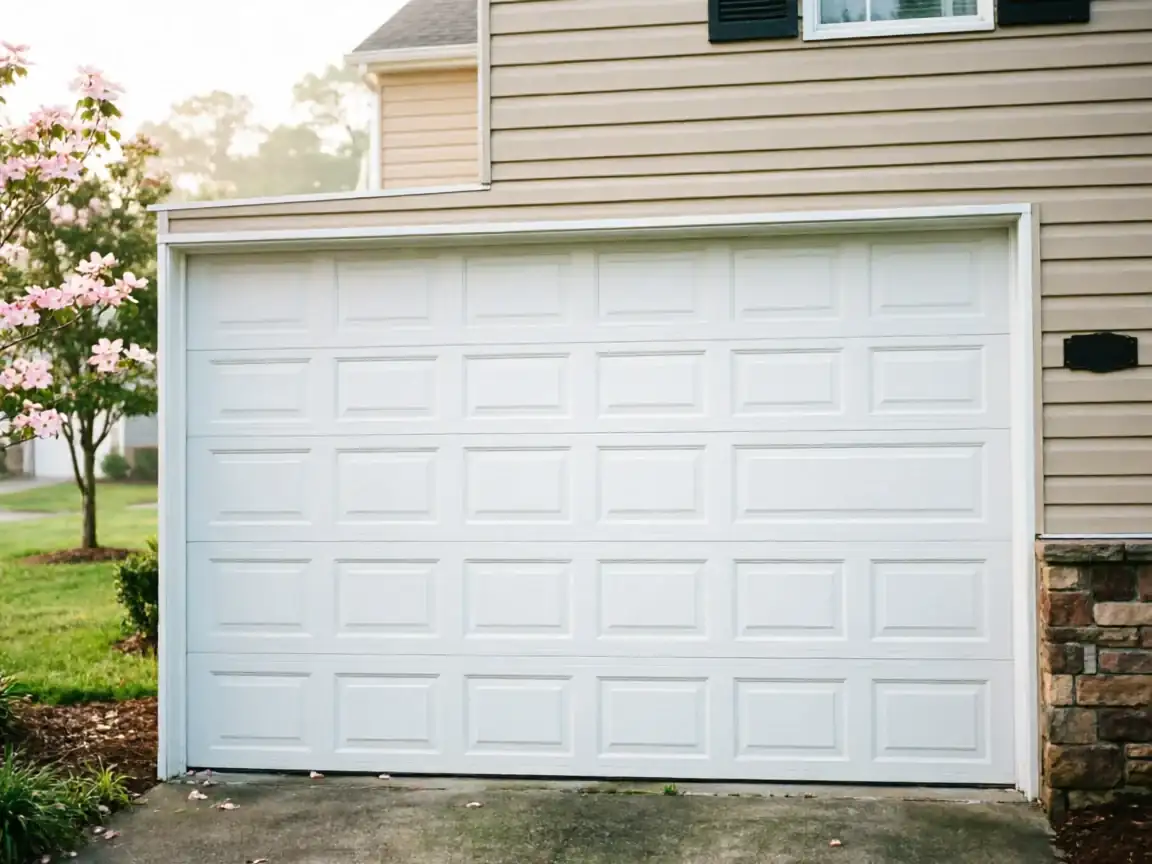
Here's the honest limit: if the track is badly bent and the door itself is an older, heavier wood-composite panel from that 1980s-90s stock, sometimes the math doesn't favor a repair. A new track on an old, worn door can mean spending real money to prop up a door that's got a few years left anyway. In that situation a tech should tell you plainly whether you're buying a fix or a stopgap.