Serving Chesapeake, VA & nearby
(757) 384-0604
Chesapeake, VA

When to Repair an Older Chesapeake Garage Door - and When Not To

Most Chesapeake garage doors date to the 1980s-90s building boom. Here's how local climate and housing stock decide whether a repair still makes sense or not.

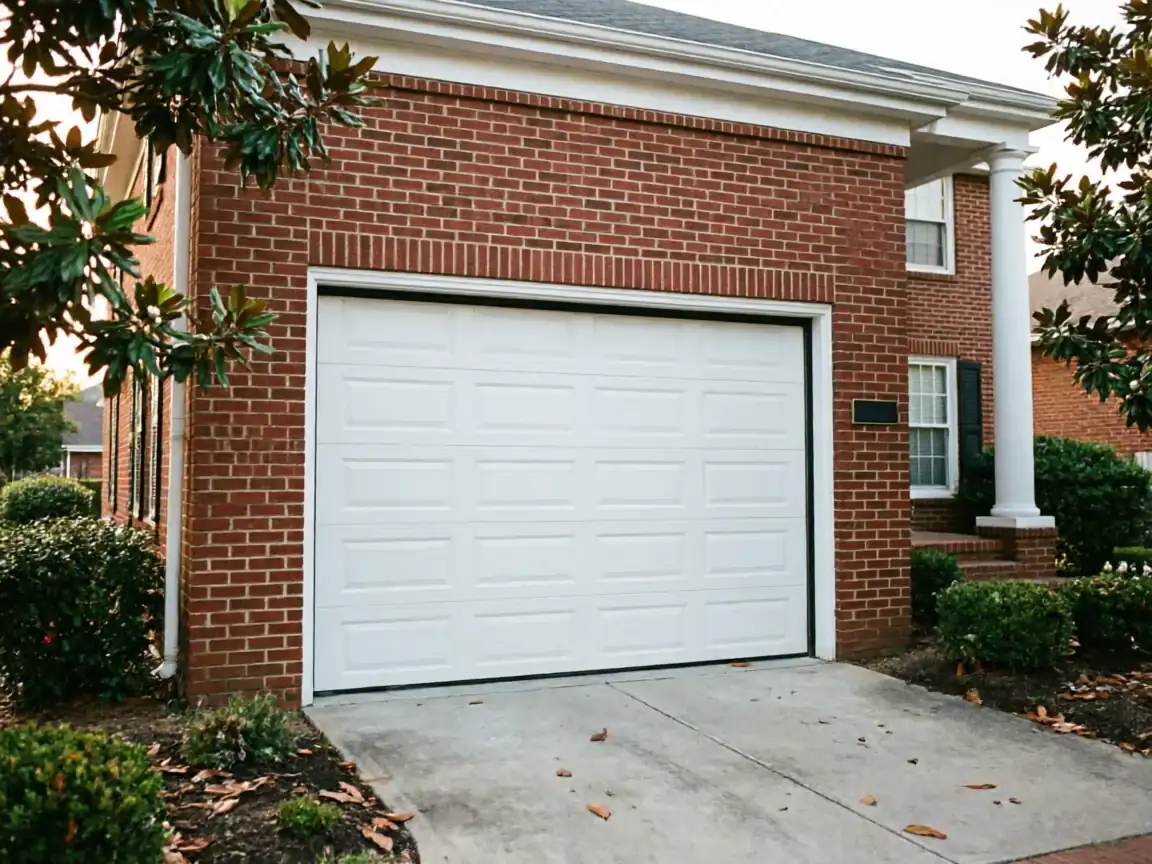
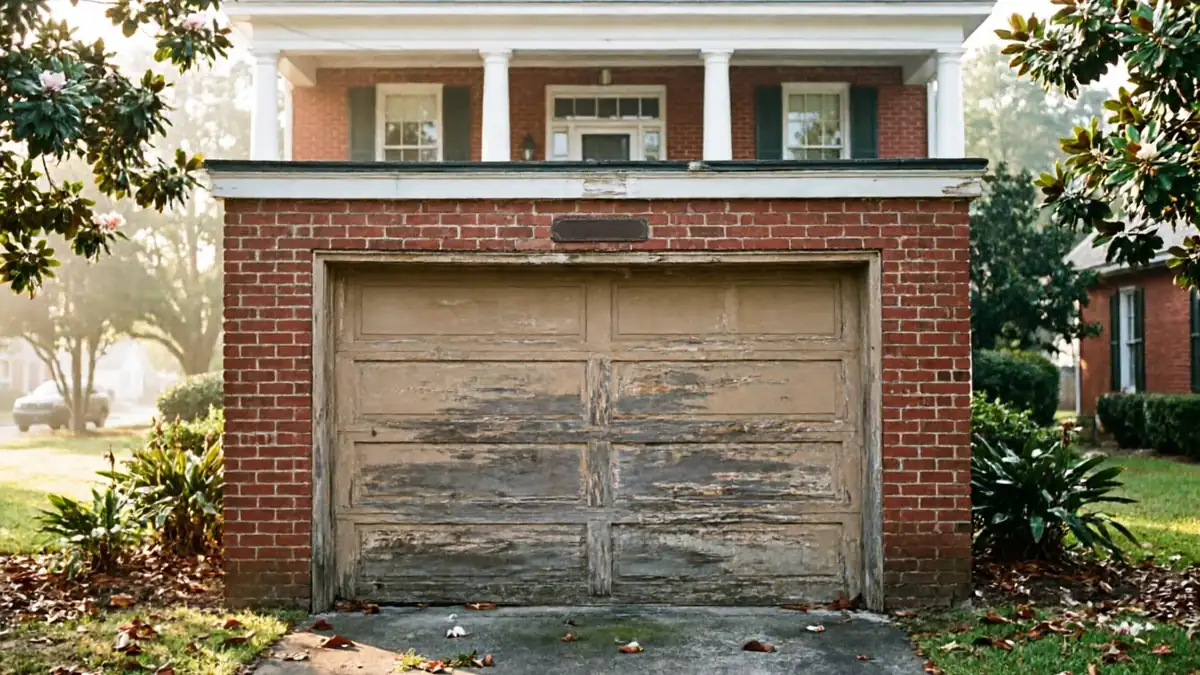
The garage door on a brick house has peeling paint and a concrete driveway.

The Common Mistake

The mistake we see most in Chesapeake is treating every noisy or stuck door the same way: call for a quote, get told "replace it," and write a check for a whole new system when the door itself is fine. Most of the housing stock across this service area went up in the 1980s and 90s, which means a huge share of the doors still in service are thirty to forty years old. That's old, but it isn't automatically done. A steel door from that era with its original panels intact, hung on a track that still runs straight, is often a spring, a few rollers, and some new hinges away from another decade of service. The opposite mistake happens too - patching a door that's rusted through at the bottom panel or warped enough that the track fights it every cycle. That one isn't a repair, it's a slow bleed of service calls. The honest answer sits in the middle, and it depends on what's actually wrong, not just on the door's age. We won't quote a full replacement on a door that only needs a spring, and we won't keep billing you for band-aids on one that's structurally done.

Season by Season

Chesapeake falls in a climate band that federal data marks cold-moderate - not brutal winters, but real freeze-thaw swings layered on top of damp coastal air most of the year. That combination is harder on a door than steady cold or steady heat alone. In the cooler months, torsion springs lose a little tension as temperatures drop, and openers that were already marginal start struggling to lift doors they managed fine in summer. Through the warmer, humid stretch, moisture works into seams and fasteners, and any door with bare or scratched-through paint starts rusting from the inside of the panel out, not just on the visible face. Owners who service a door seasonally - lubricating hinges and rollers before the cold snaps hit, checking balance after - get years more out of 1980s and 90s hardware than owners who only call when something stops working. The seasonal pattern here isn't dramatic, but it's steady, and steady wear on an old door adds up faster than one bad storm would.

What Local Conditions Do

The 39,678 households across this service area include about 15,020 owner-occupied houses, and a large share of those are carrying the original builder-grade door that came with the house when it was built in the 80s or 90s boom. Builder-grade doors from that period were made to a price point, not to last forever - thinner steel skins, simpler weatherstripping, hardware sized for the job but not for forty years of coastal humidity. That's not a knock on the door; it's just what it is. The cold-moderate climate band Chesapeake sits in means these doors face real seasonal stress without the extreme heat or extreme cold that would force an earlier replacement decision. The result is a lot of doors hanging on in that in-between zone - not broken, not new, but showing the wear you'd expect from three or four decades of coastal freeze-thaw cycling. Three miles east in five miles north in the same age of door is failing in the same places: bottom panel rot from ground contact, rollers seized from rust, torsion springs fatigued past their rated cycle count.

The Problem

With a median household income of $58,972 across the service area, a lot of owners want the repair bill, not the replacement bill, and on a door that's mechanically sound that's the right instinct. The trouble is figuring out which category a given door is in before money changes hands. A door with a broken spring, worn rollers, or a misaligned track on an otherwise straight, rust-free panel is almost always worth fixing - that's hardware wear, not structural failure. A door with a bottom panel soft from years of ground moisture, or a frame that's racked enough that it binds on every cycle, isn't. We'll tell you straight which one you've got instead of defaulting to a sale. One limitation worth saying plainly: on some of the oldest builder-grade panels from the 80s boom, exact-match replacement sections aren't something we stock, and sourcing one can take longer than the repair itself would on a newer door.
How it works

From “it’s stuck” to “it’s fixed”

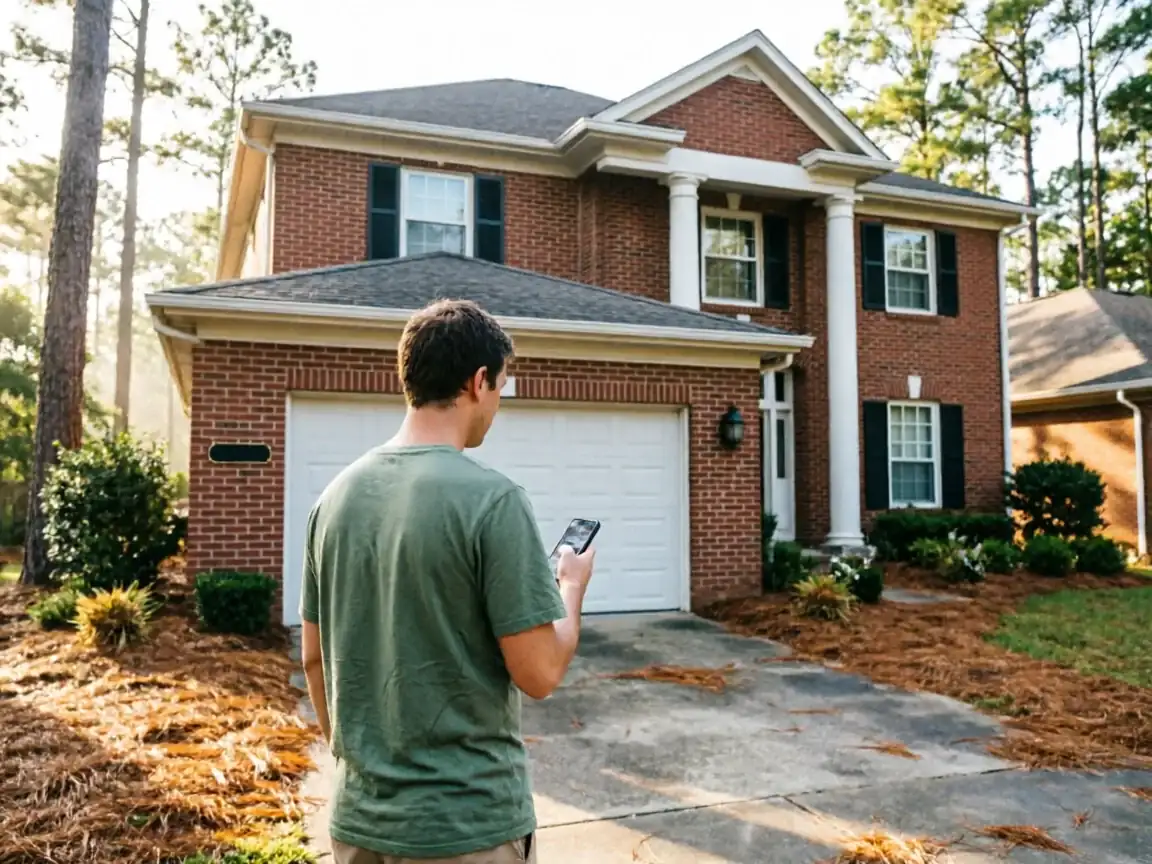
A man stands in a driveway looking at his phone in front of a brick house.

Tell us what’s wrong

Describe the symptom - won’t open, loud bang, opener runs but the door won’t move.

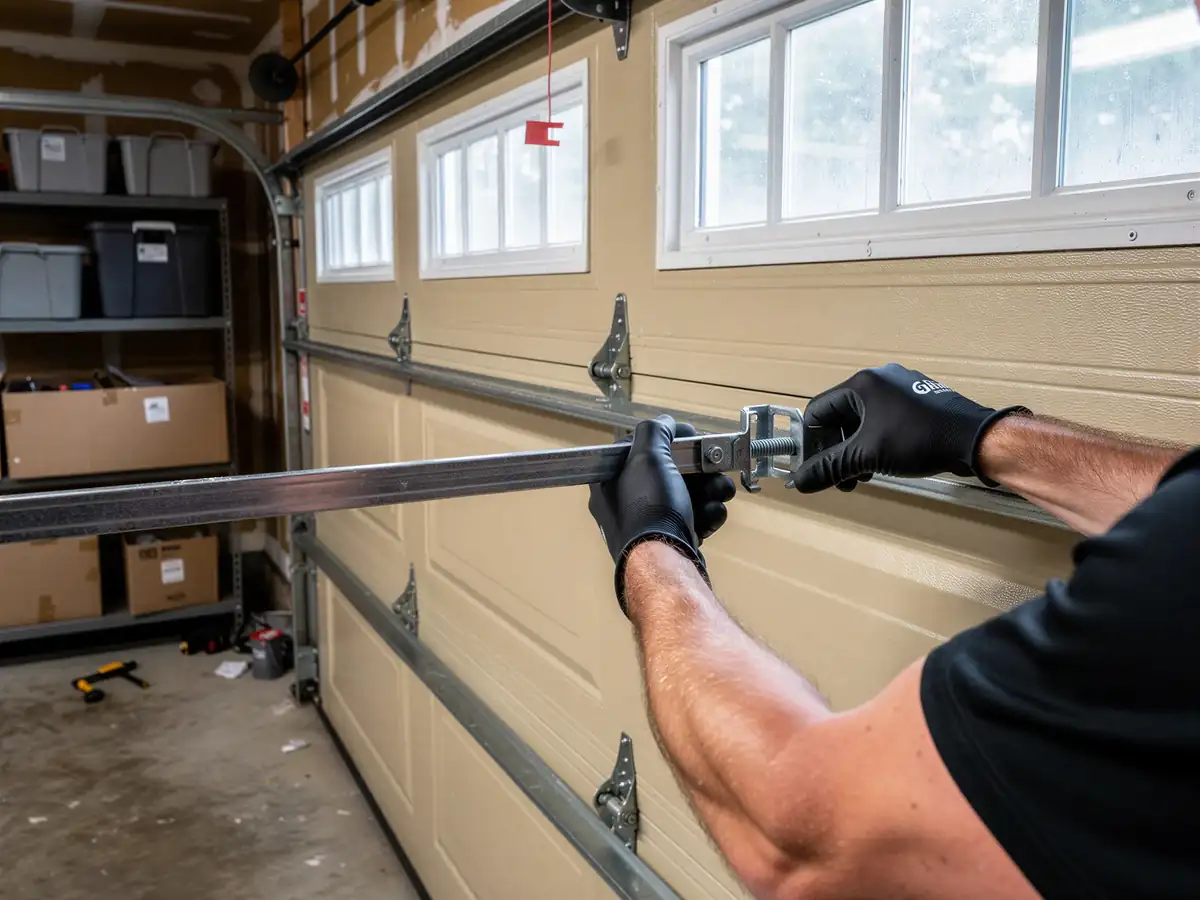
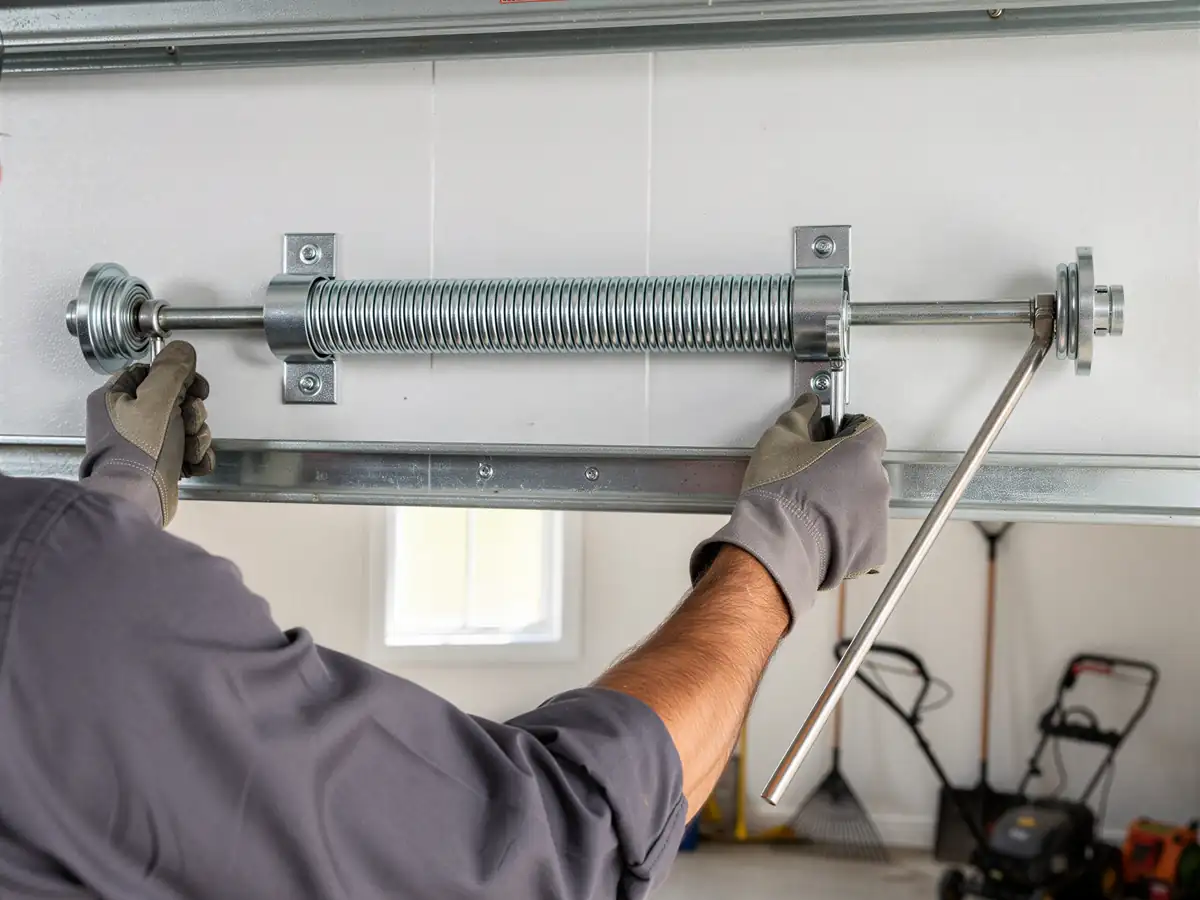
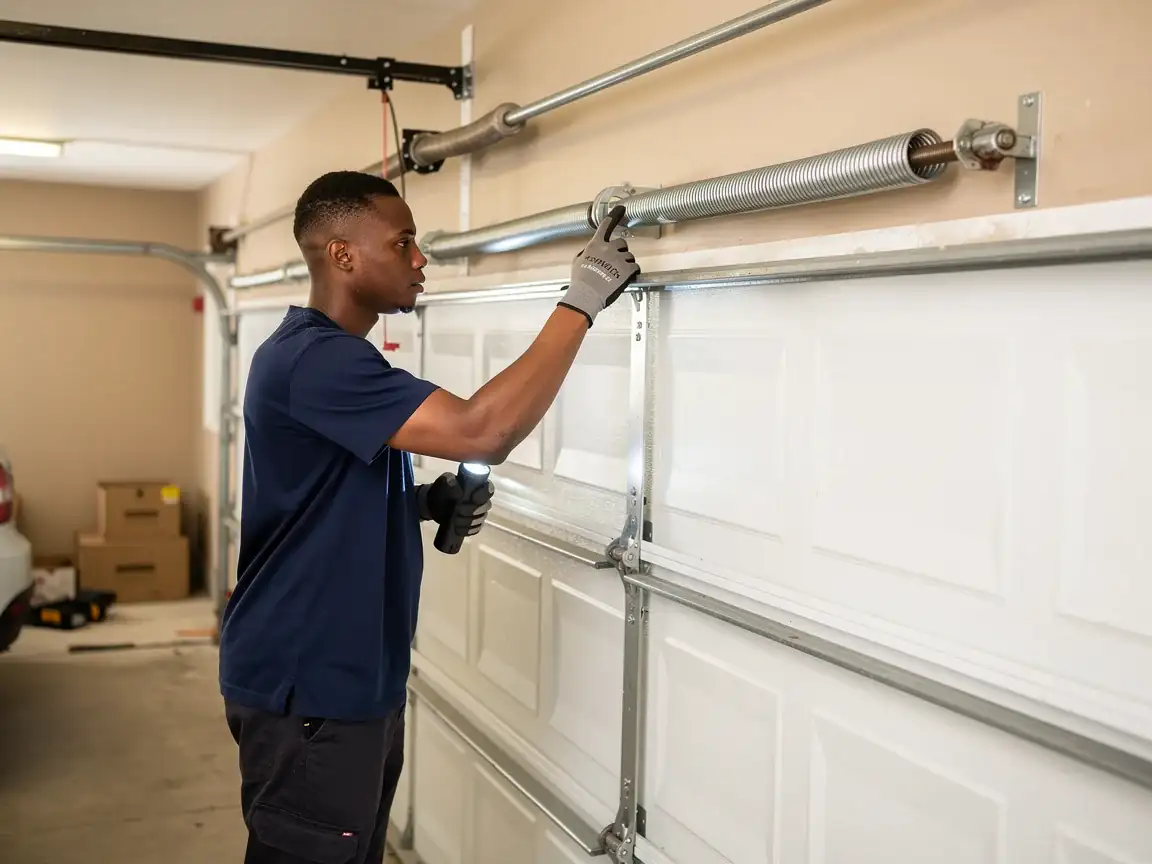
A technician inspects a garage door torsion spring with a flashlight.

On-site diagnosis

A technician tests the door under power and by hand and finds what actually failed.

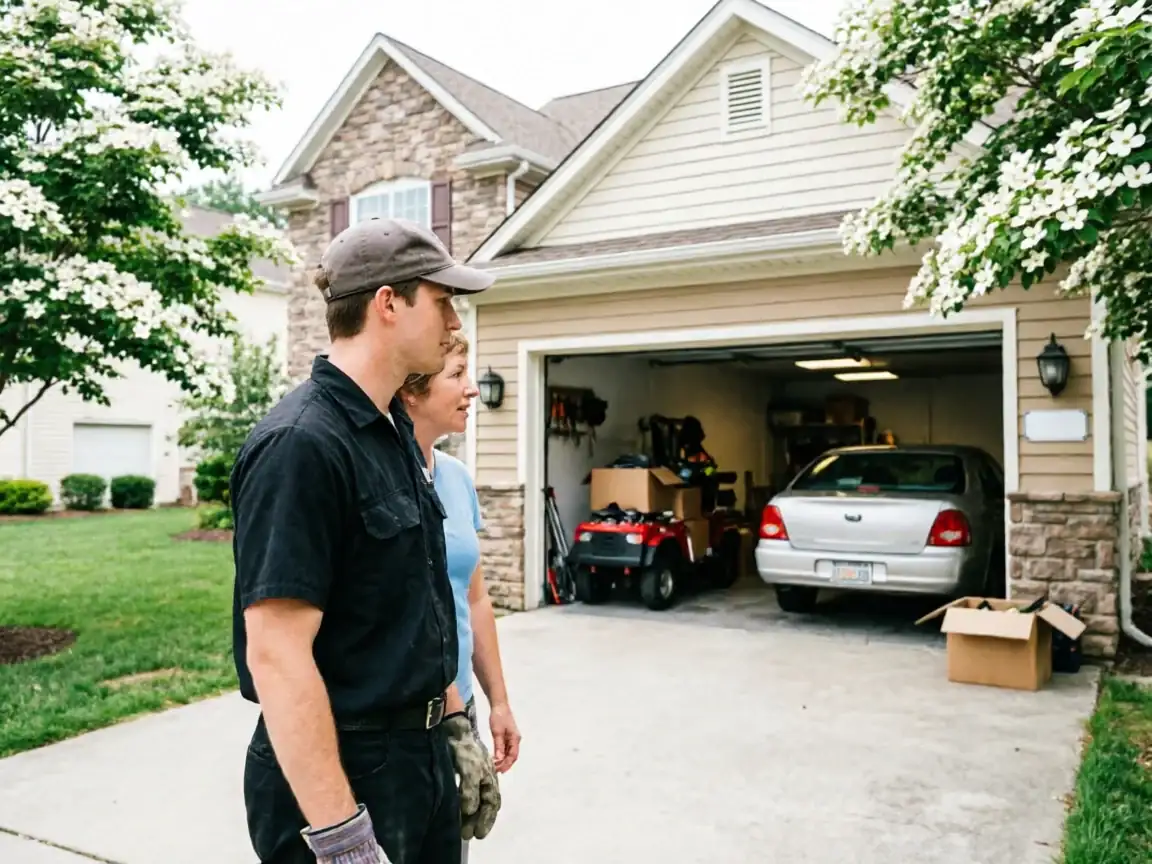
A technician and a woman stand in front of an open garage with a car inside.

Clear, up-front plan

You get the fix that’s needed and what drives the cost - before any work starts.

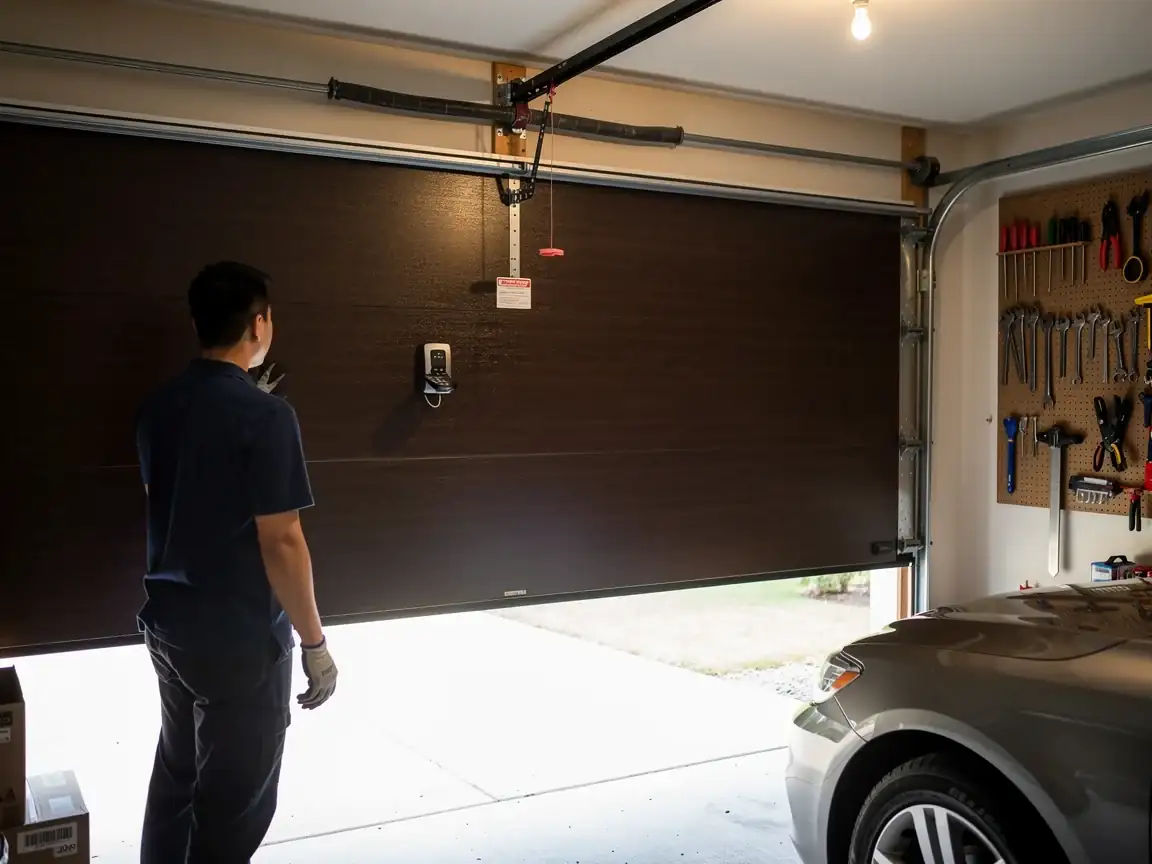
A technician stands in a garage looking at a brown garage door.

Repaired & tested

The repair is done, the door is set true and tested, and the work area left clean.

Not sure which repair your door needs in Chesapeake, VA? Describe what it’s doing - every job starts with a diagnosis.

3areas covered
How we work

What to expect

Diagnosis firstEvery visit starts by finding what actually failed - not a pre-written parts list.
The right part for the doorSprings and openers matched to the door’s weight and age, so the fix holds up.
Straight answersWhen a repair makes more sense than a replacement - or the reverse - you hear it plainly.
Clean, careful workTension released safely, hardware set true, the door tested under power before we leave.
What we do

Garage Door Services

Repair and installation work for Chesapeake homes and businesses.

Questions

Frequently asked

Straight answers about garage door repair in Chesapeake. Still unsure? Ask us directly.

My garage door is from the 1990s and still runs fine - should I replace it anyway?

Not on age alone. If the springs are balanced, the panels aren't rusted through, and the track runs straight, a 1990s door with routine service can keep going for years. Age matters less than condition. We'd rather check balance and hardware wear first than sell you a door you don't need yet.

Why does my older door get harder to open in winter?

Torsion springs lose a bit of tension as temperatures drop, and in Chesapeake's cold-moderate climate that swing is real even though winters aren't severe. An opener that was already working near its limit in summer can start straining in the cooler months. Usually that's a spring adjustment, not a sign the door is failing.

Is it worth fixing a door with a rusted bottom panel?

Depends how far it's gone. Surface rust on paint can be cleaned and repainted. Rust that's eaten through the steel skin at the bottom panel, common on older doors from ground moisture, usually isn't worth patching - the panel's structural integrity is compromised and it'll keep failing.

Ready to get your garage door sorted?

Tell us what it’s doing and where you are in Chesapeake - we’ll take it from there.

Request a QuoteCall