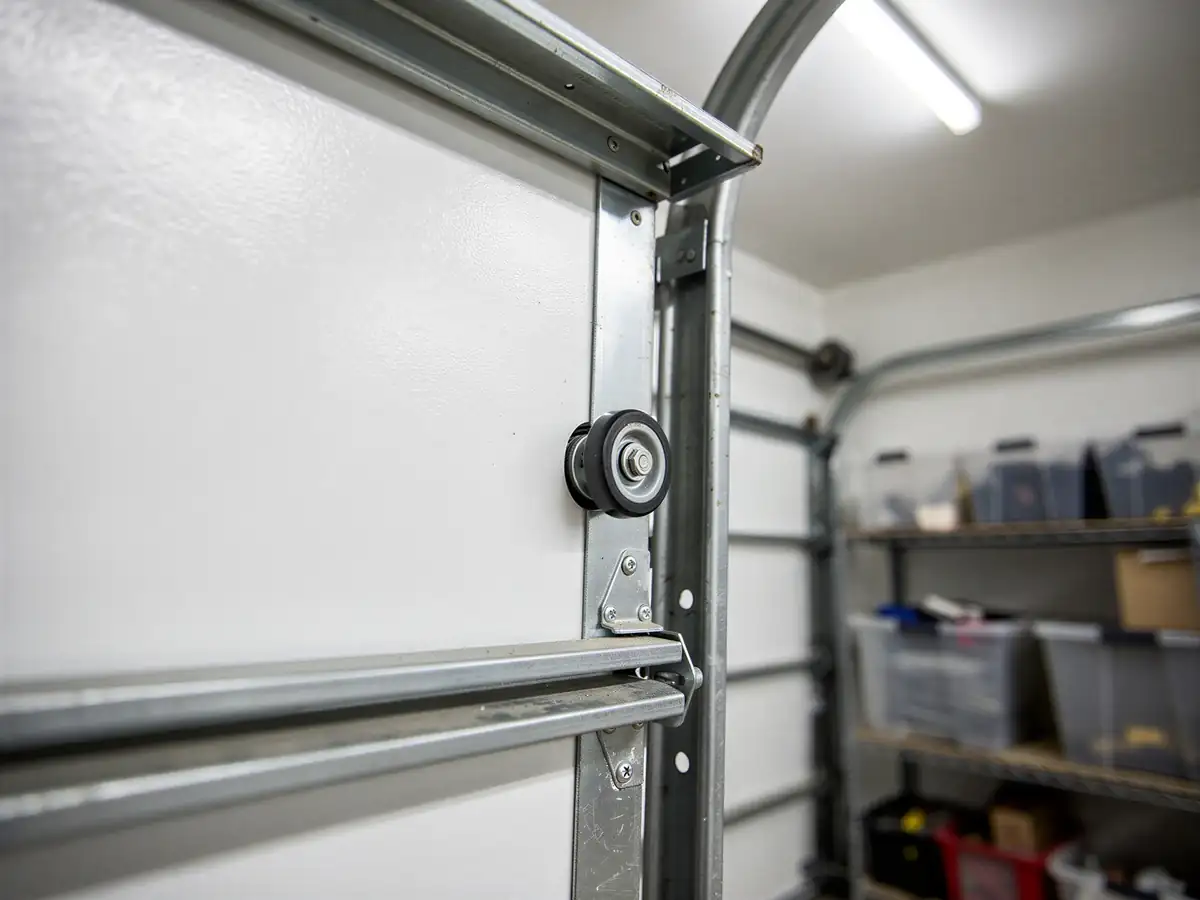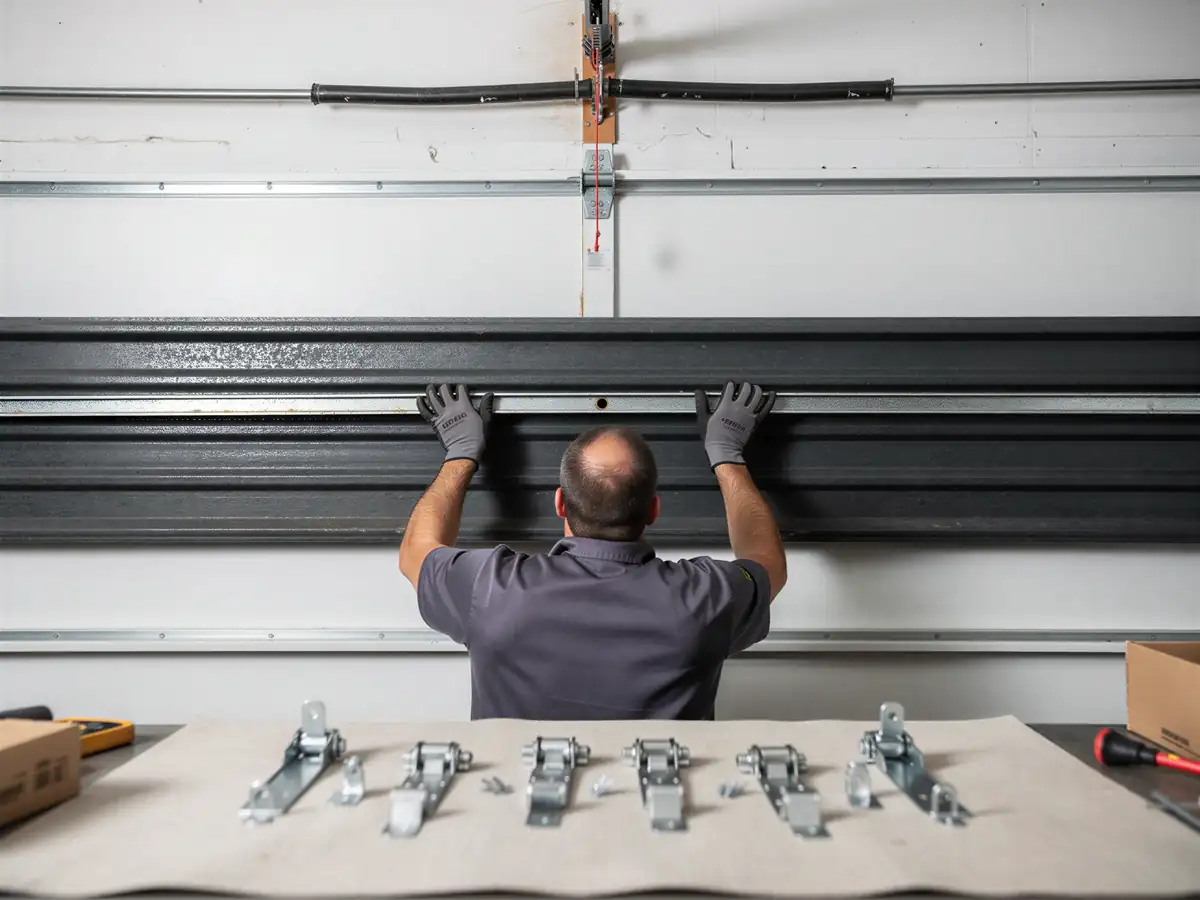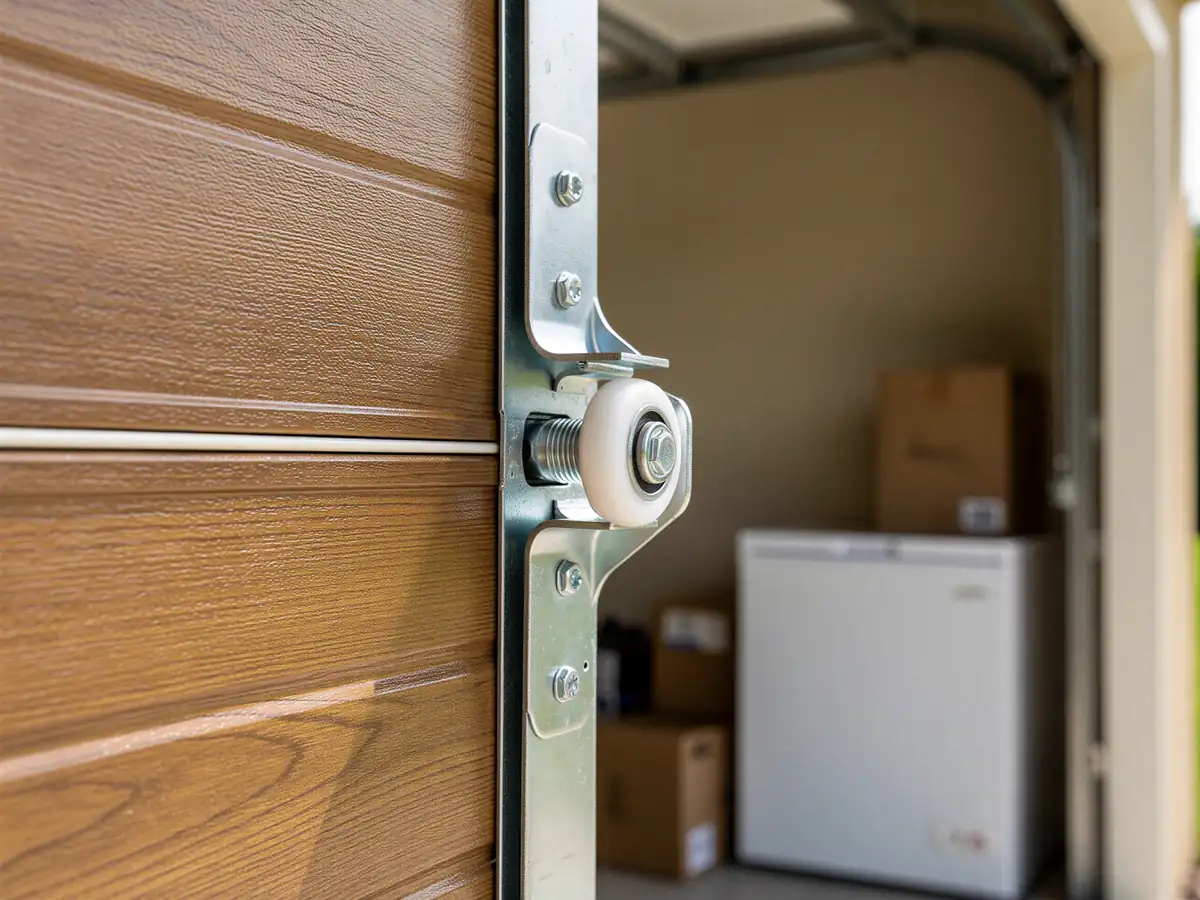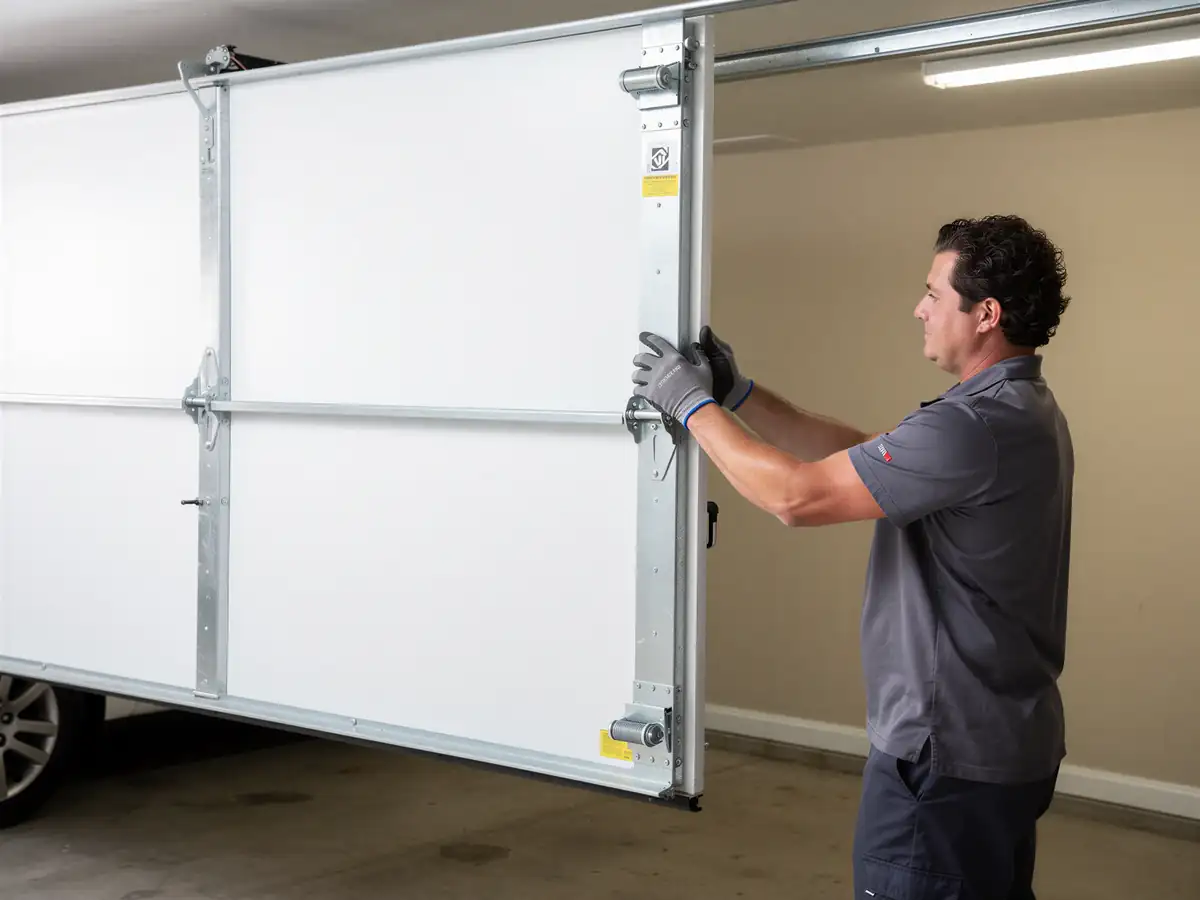
The Common Mistake
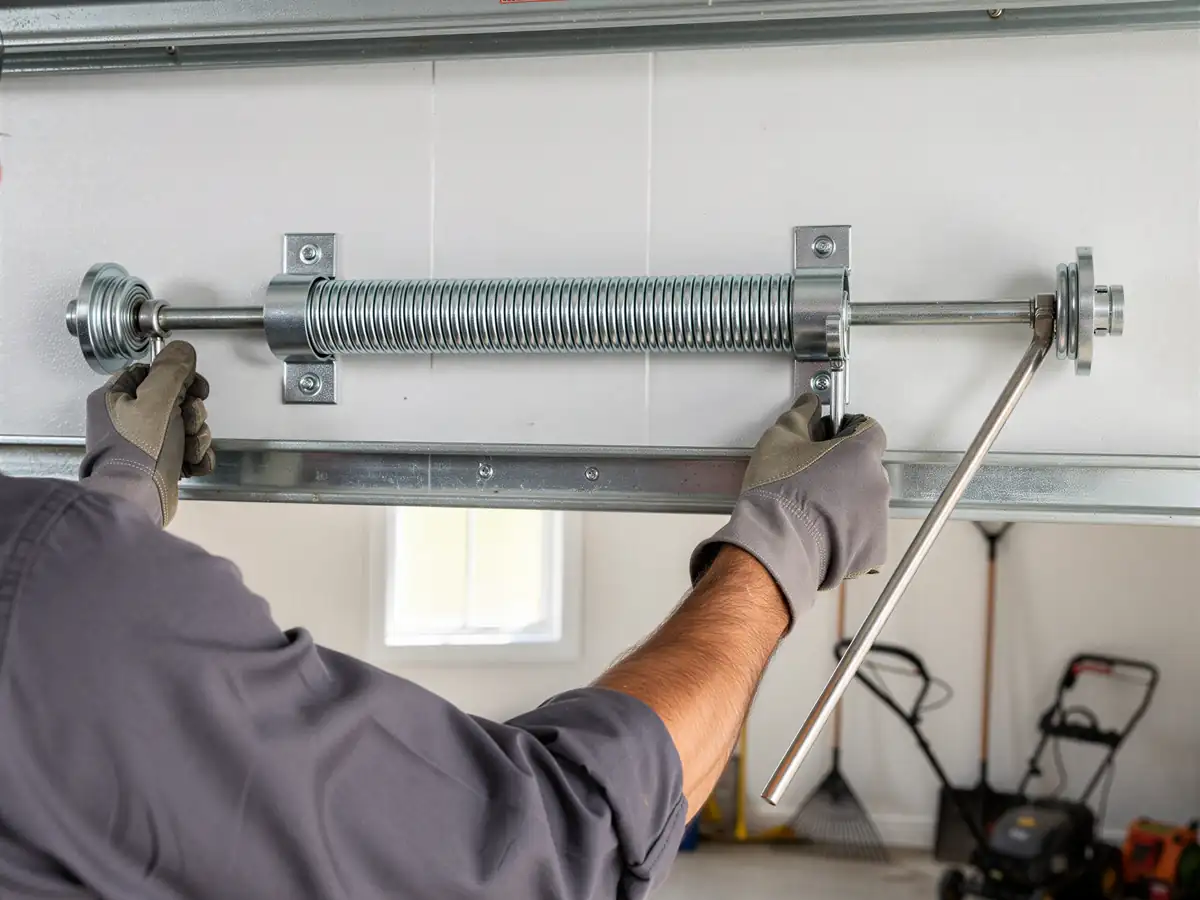
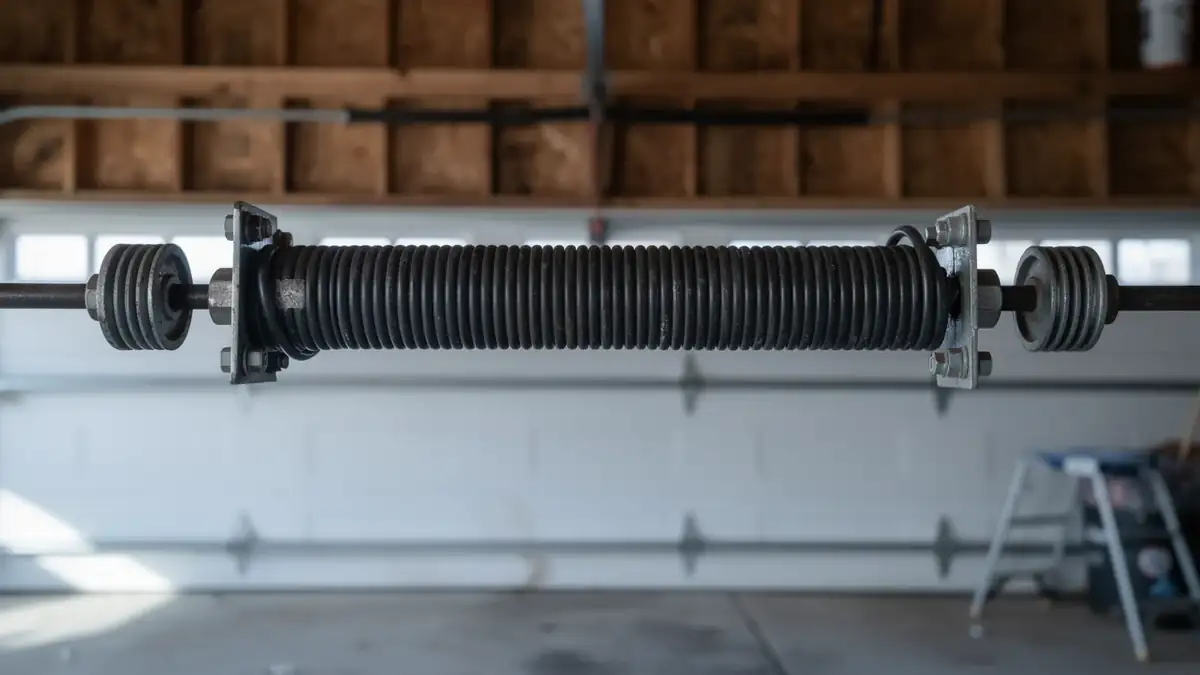
The mistake we see most is waiting for the spring to actually snap before calling anyone. By then the door is stuck, usually in the worst possible position, and you're dealing with it as an emergency instead of a planned job. A lot of Chesapeake houses went up through the 1980s and 90s, which means a lot of garage doors are still running on the torsion spring that came with the house. Thirty-plus years of opening and closing is a lot of flex cycles for a coil of wound steel, and most owners never look at it until it's lying in two pieces on the floor.
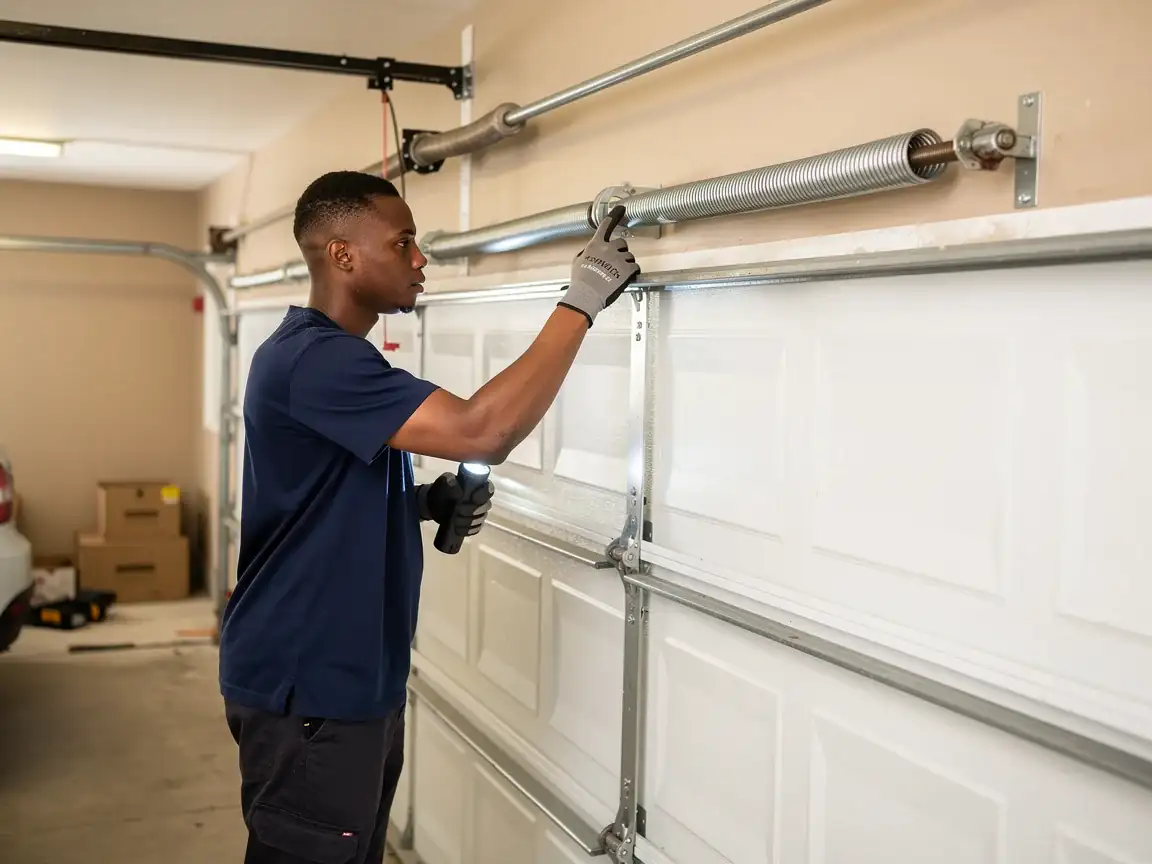
The tell is usually there before the break: a door that feels heavier than it used to when you lift it by hand, a loud bang from the garage on a cold morning, visible gaps or a widening coil on the spring itself. None of that means you need to replace the whole opener system. It means the spring is at the end of its service life and the weather just picked the day.
Season by Season
Chesapeake sits in a moderate cold band, not the hard inland freezes you'd get further north
But enough of a seasonal swing to matter for steel. Spring and summer here run humid, and that humidity works on an unprotected coil slowly, pitting the surface and thinning the metal in ways you can't see from the garage floor. Fall is usually quiet. Then winter brings the cold snaps, short drops in temperature that make steel more brittle right as the coil is already weakened from a summer of moisture.
That's the pattern: the damage happens in July, the failure happens in January
A spring that's been fine for twenty-five years can go in a single cold morning because it was already compromised, and the cold was just the trigger, not the cause. If your door has been quiet all year and suddenly gives you trouble the first hard cold snap of the season, that's not bad luck, that's the cycle playing out.
What Local Conditions Do
With roughly 15,020 owner-occupied houses across the service area, and most of that stock going up in the same 1980s-to-90s window, a lot of garages around here are carrying original hardware of the same age. That's not a coincidence pattern, it's a cohort of springs all nearing the same point in their lifespan at roughly the same time, under the same humid-summer, moderate-cold-winter conditions.
Whether you're closer to three miles east nine miles out, the housing stock and the winter pattern are the same across Chesapeake, so the failure timeline tracks pretty closely from one neighborhood to the next. At a median household income of $58,972, most owners we talk to would rather replace a tired spring on their own schedule, before it breaks, than pay for an after-hours call once it's already trapped the car inside.
The Problem
Here's the limitation worth being honest about: once a torsion spring breaks, we can't always get to it same day. If the part isn't already on the truck, there can be a short wait, and in cold weather that's an inconvenient few days with the car stuck inside or the door propped. We'd rather tell you that upfront than promise a fix we can't deliver.
The better move, if your door is original to a house built in that 1980s-90s stretch, is to have the spring looked at before a cold snap makes the call for you. A spring under tension that's already showing wear is a safety problem as much as an inconvenience one - it can let go while the door is in motion. If yours is original equipment and you haven't had it checked, that's the thing to get ahead of before the next hard cold morning. You can reach us through the site.