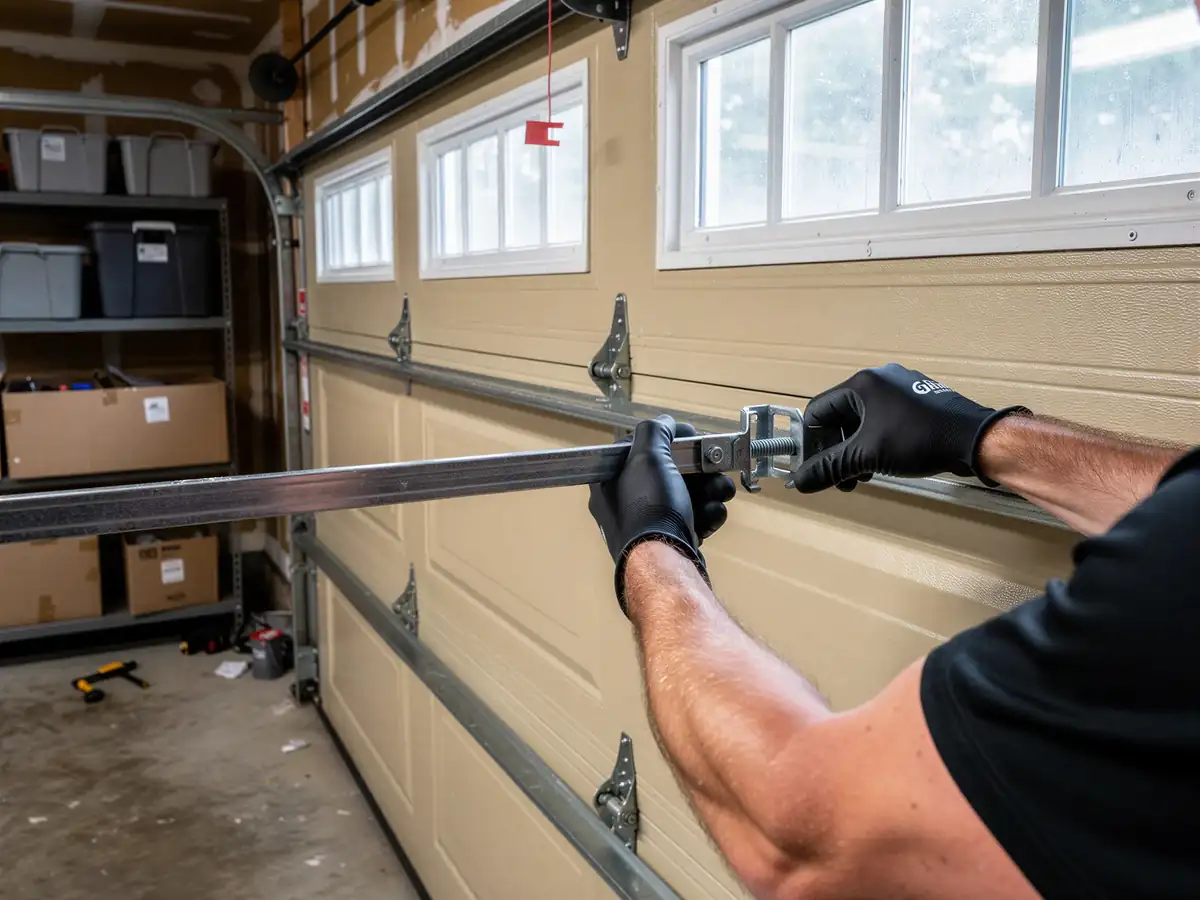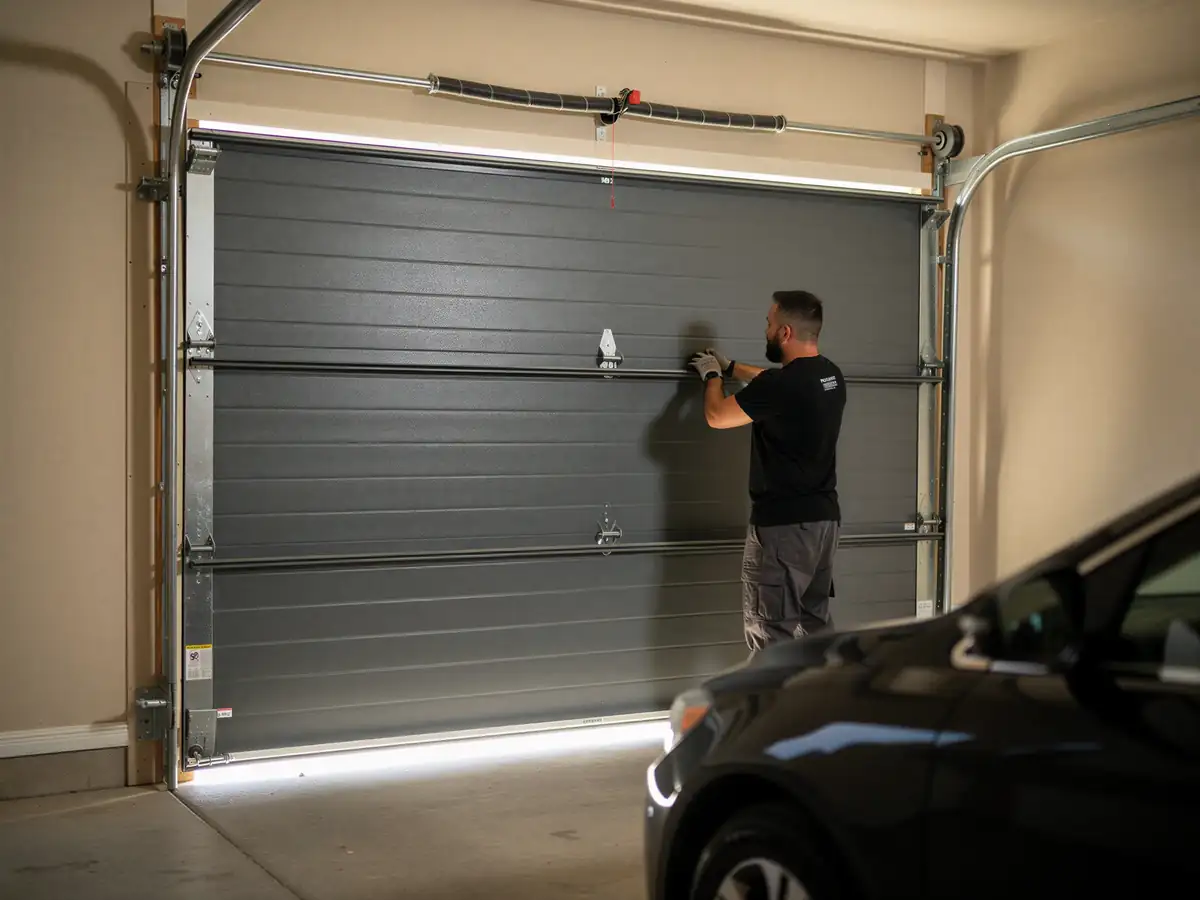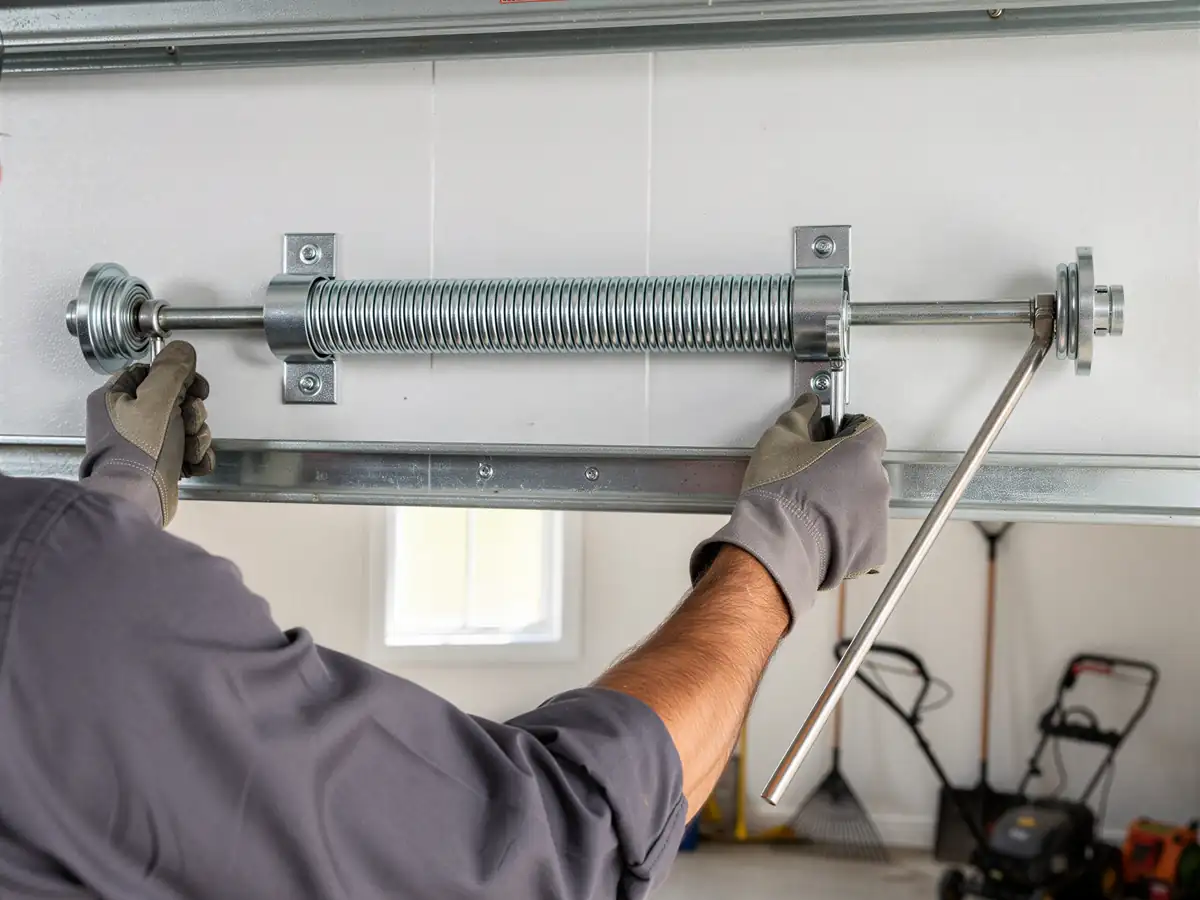
The Common Mistake
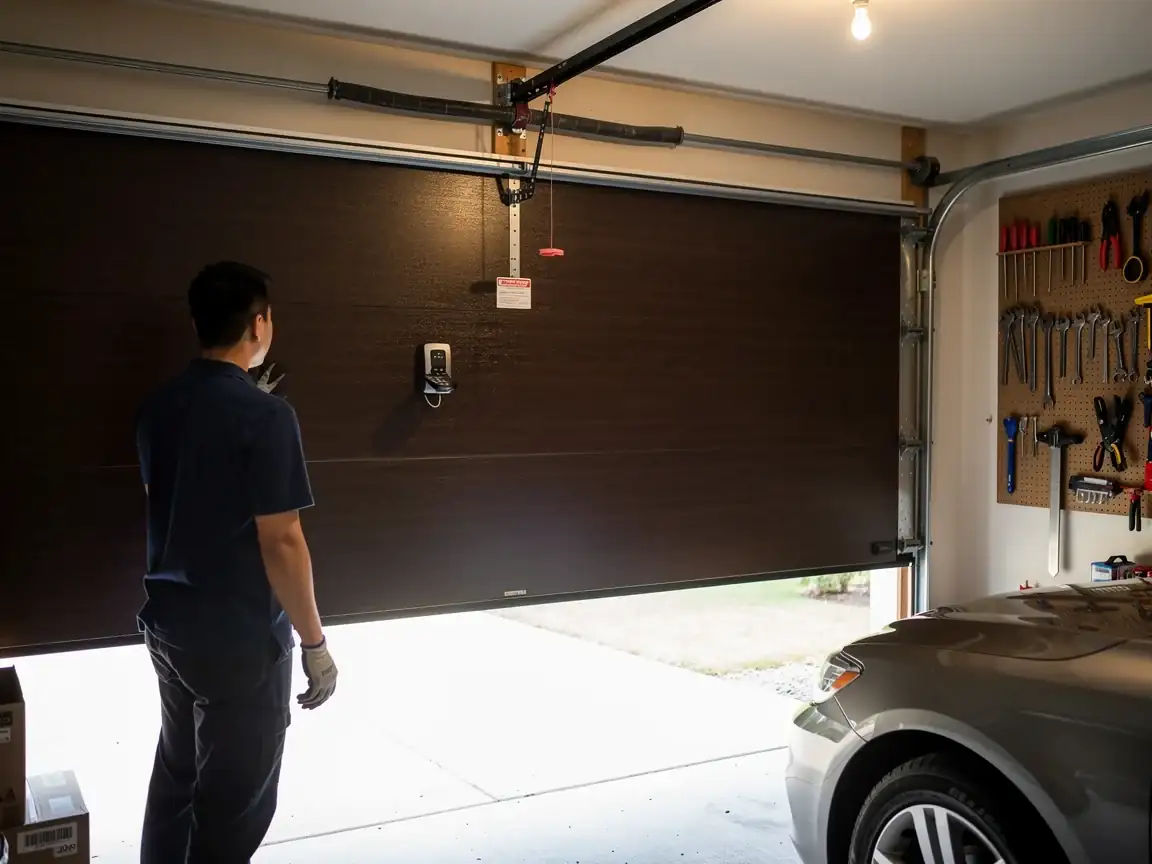
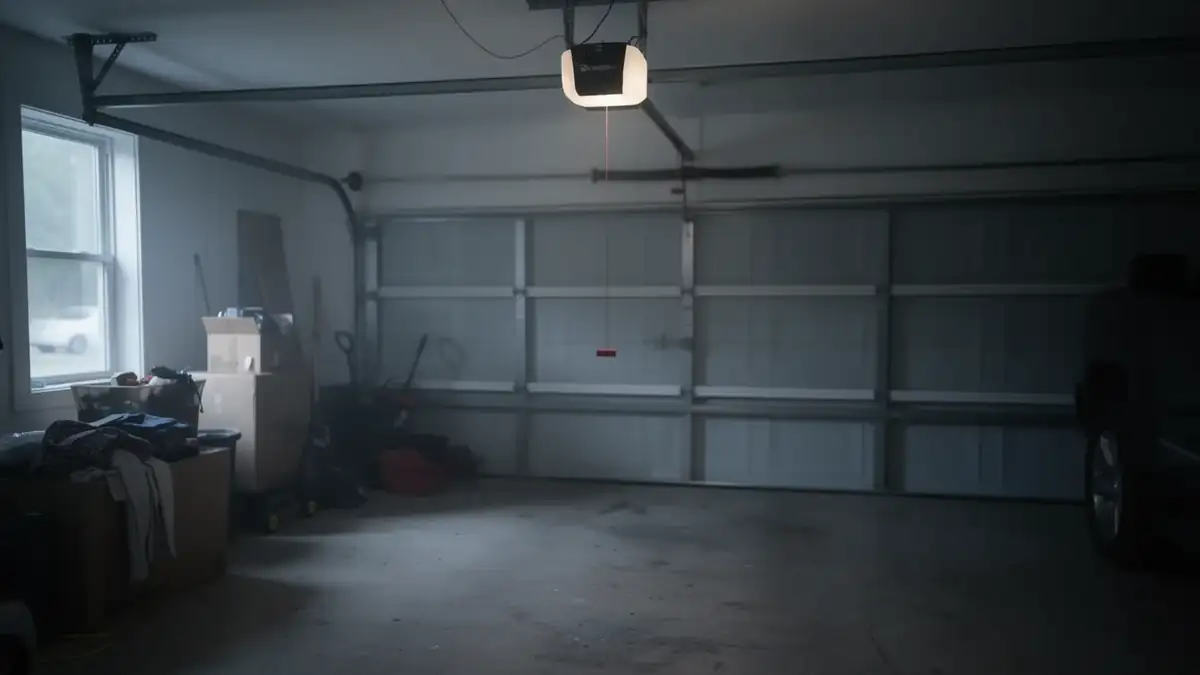
The mistake we see most in Chesapeake is an owner who treats the opener like it will just handle whatever happens. Most houses across this service area went up in the 1980s and 90s, which means the garage door opener most owners have is the same age as the siding. These are chain-drive units built before battery backup was standard equipment, and when the power cuts out, the door doesn't open, period. No backup, no app notification, nothing. The owner finds this out at the worst time, usually standing in the driveway in the dark trying to remember where the manual release cord is.
The second part of the mistake is assuming a repair will always be cheaper than a swap. On an opener this old, parts for the original motor and circuit board are hard to source, and a tech showing up to fix a thirty-year-old unit may end up recommending replacement anyway once the cover comes off. That's not an upsell, it's just what the part supply looks like for equipment this age. Knowing where your manual release is, and testing it once a year, costs nothing and solves the actual problem a loss of power creates.
Season by Season
Chesapeake sits in a cold-moderate climate band, not the deep-freeze conditions you'd get further inland or north
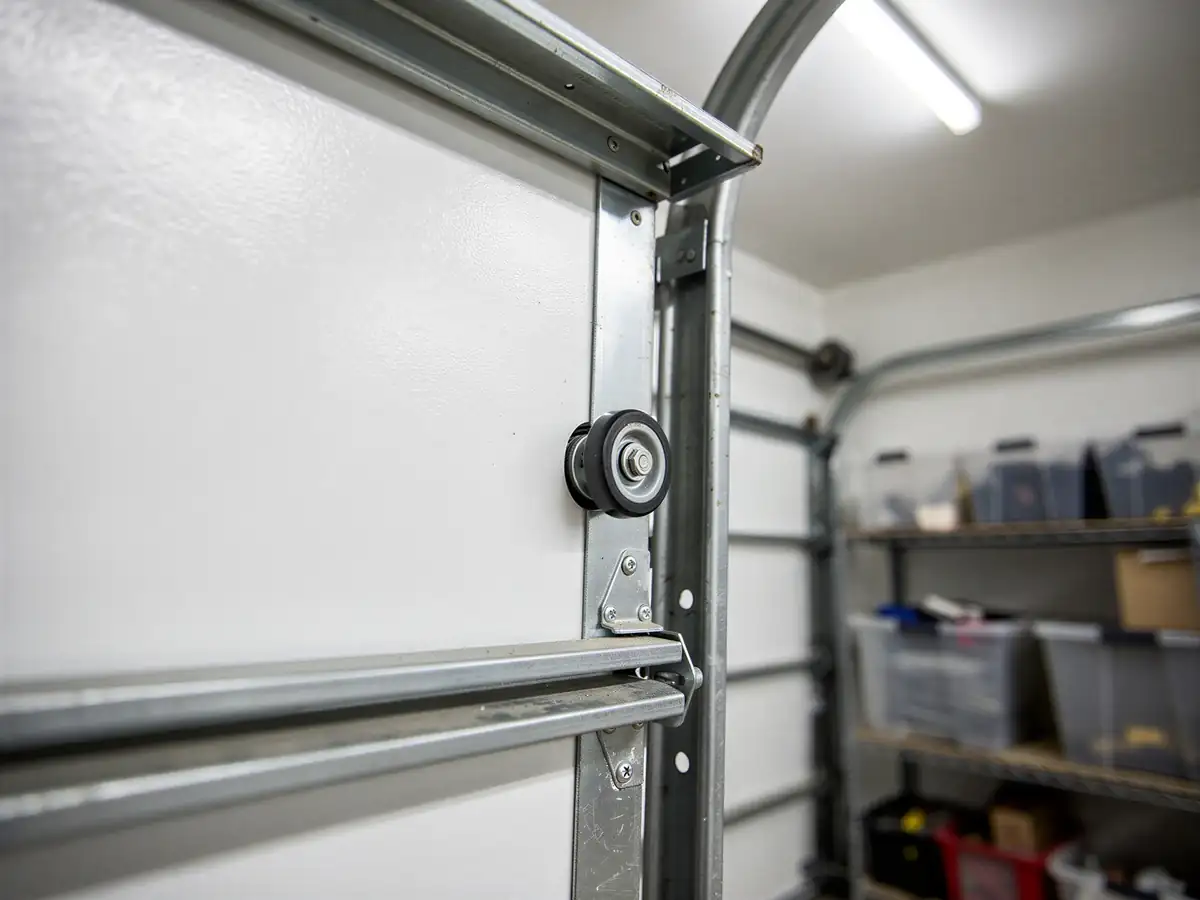
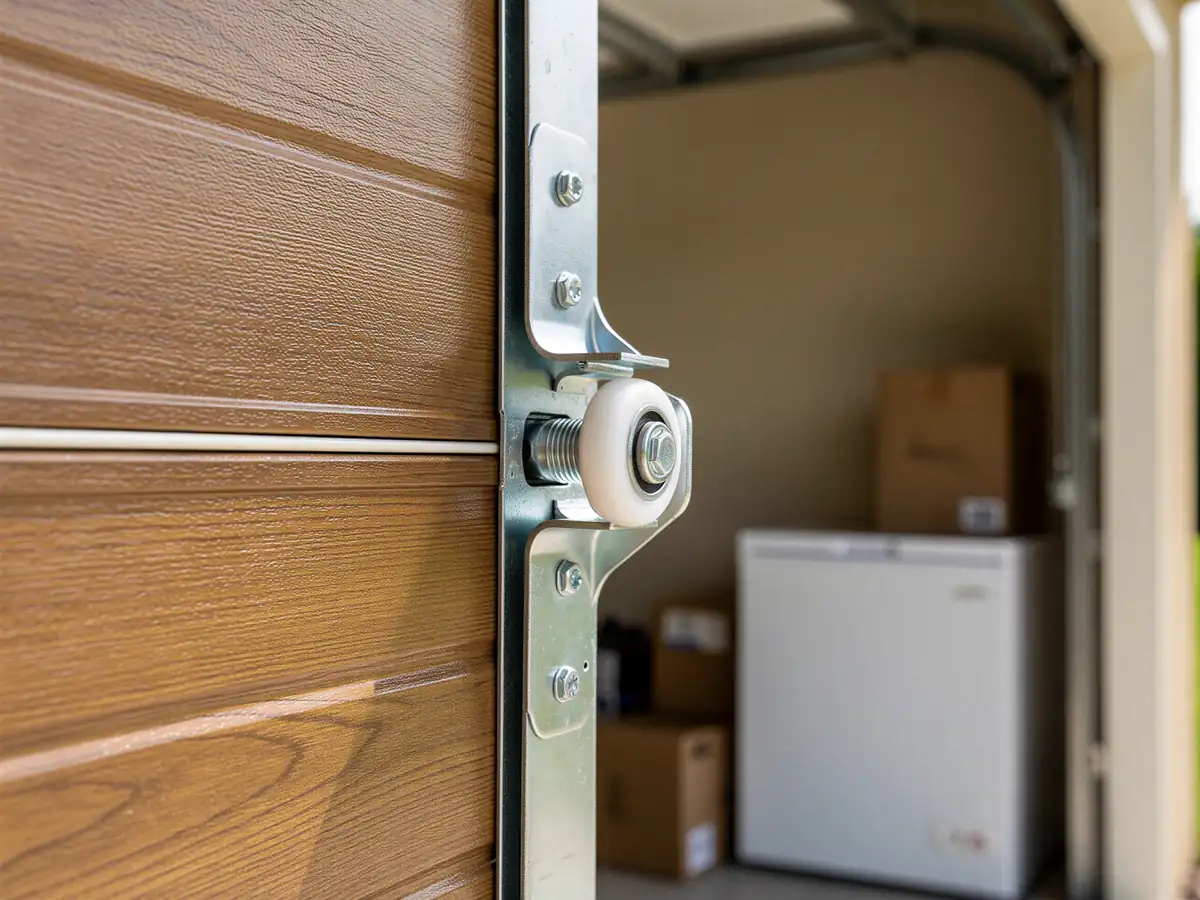
But cold enough that the grid takes real stress in winter. That's the season when an opener without battery backup gets tested the hardest, because that's when outages happen. A door that won't open by motor still has to open by hand, and the manual release only works if the springs and rollers are already in decent shape.
The rest of the year doesn't let the opener off easy either
A motor built in the 80s or 90s wasn't engineered with the duty cycles of today's units, and age plus a moderate but real swing in temperature across the year adds up to more wear on the gears and capacitor than a newer unit would show. We're not going to invent a specific storm season or claim a particular month is worse, because we don't have that data for this area. What we do know is that the opener's age and the climate band it sits in both point the same direction: toward more frequent failures, not fewer, the longer that original motor stays in service.
What Local Conditions Do
Put the housing stock and the climate together and you get a specific, local problem. Across the 15,020 owner-occupied houses in this service area, a lot of garages still run the same chain-drive opener that came with the house when it was built in the 1980s or 90s. That opener was never designed to include a battery backup, because that feature barely existed yet. Pair that with a climate band cold enough to put real strain on the power grid, and you've got thousands of garages where a power cut means a door that's stuck shut or stuck open until someone finds the release cord.
From to this is less about any one storm and more about what decades-old equipment does when the grid hiccups, which it will, eventually, in any cold-moderate climate. With a median household income of $58,972 across the service area, replacing an opener before it actually fails isn't always first on the list, and we understand that. But knowing your opener has no backup, and testing the manual release before you need it, is free insurance against the one night it matters.
The Problem
The real problem isn't the power cut itself. It's that so many openers in this area were installed when the house was built and have never been looked at since. An opener from the 1980s or 90s is well past the point most manufacturers consider it reliable, and a dead battery backup isn't the issue, because there usually isn't one to go dead. When the power comes back, the opener often does too, which means owners don't notice the real wear underneath until the day the power doesn't come back fast enough and they're stuck.
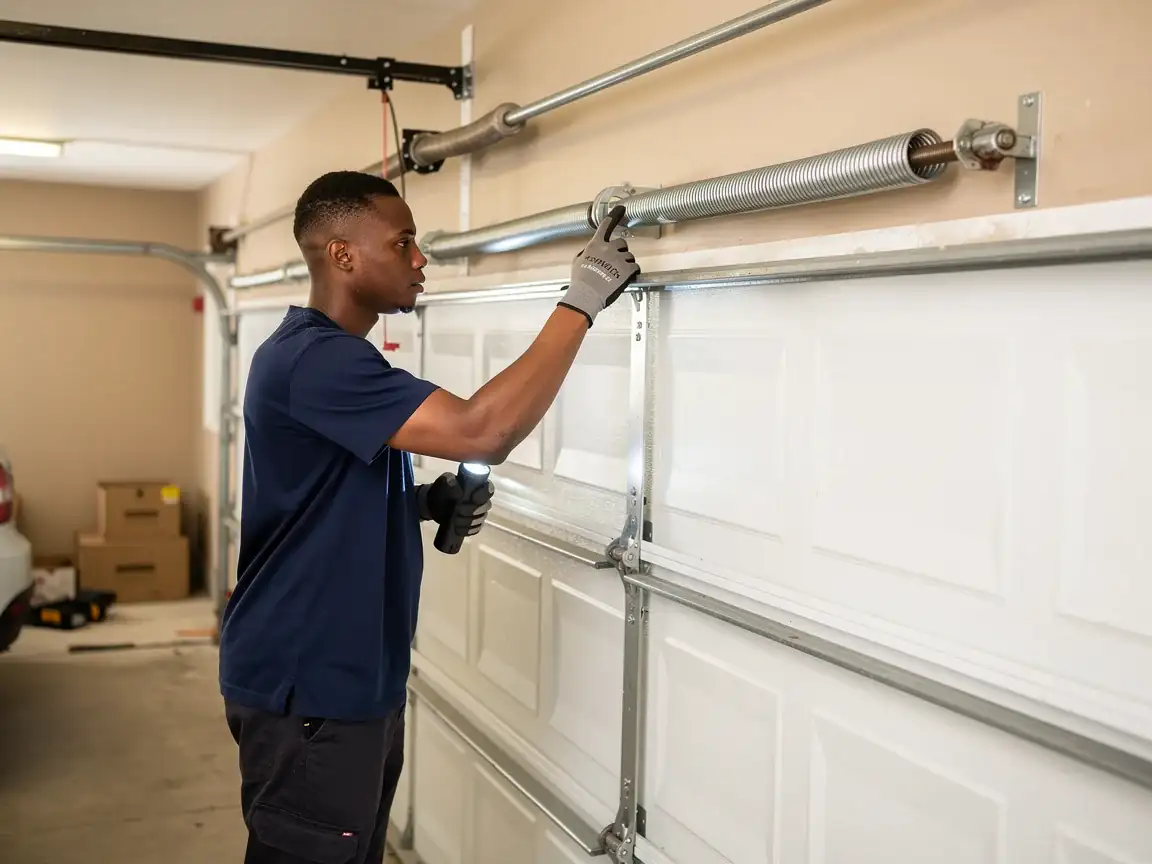
Our honest limitation here: we can't tell you from a phone call whether your specific opener is a quick fix or a full swap. Age alone isn't a diagnosis, and a unit from this era that's been maintained can still have life in it. What we can tell you is that if your opener is original to a house built decades ago, it's worth having someone look at the gears, the circuit board, and the manual release together, before a power cut forces the issue.