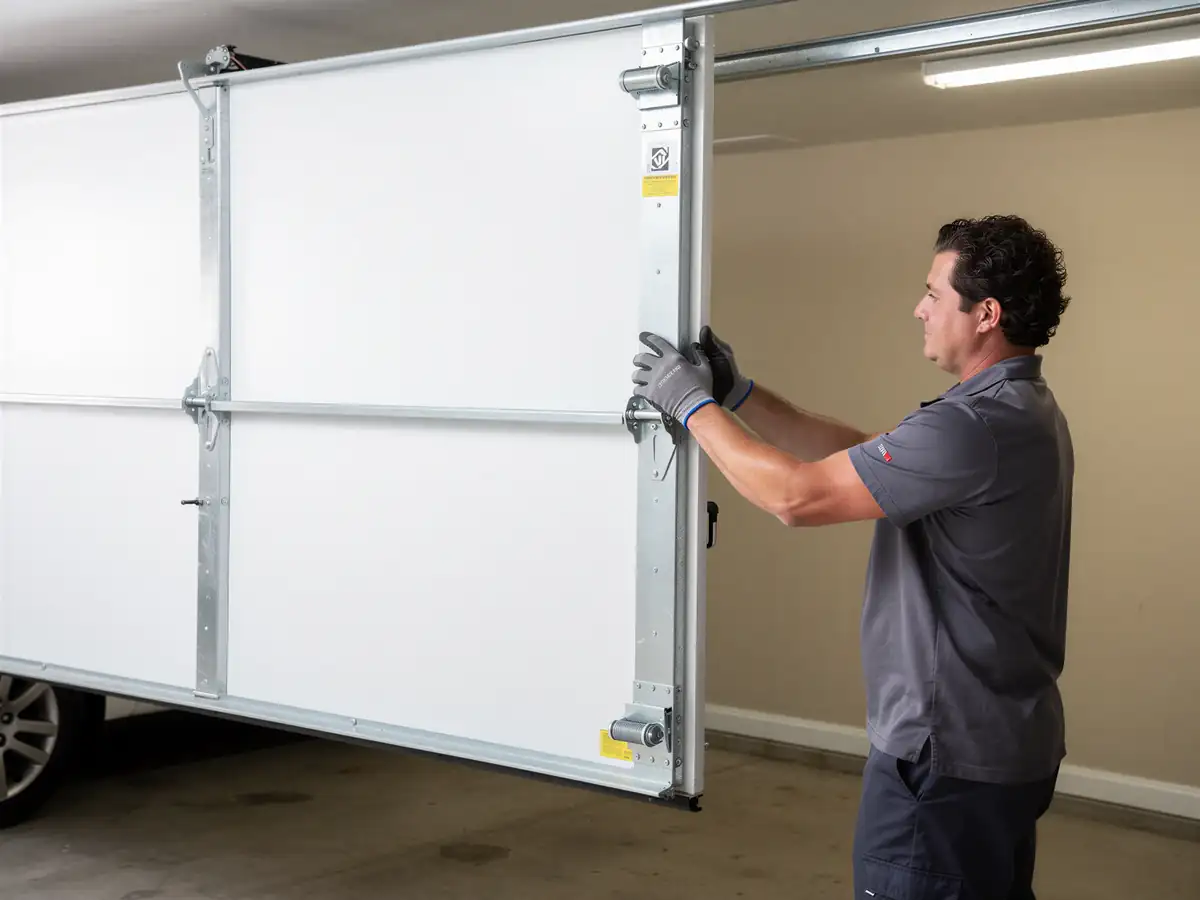
How Long It Takes
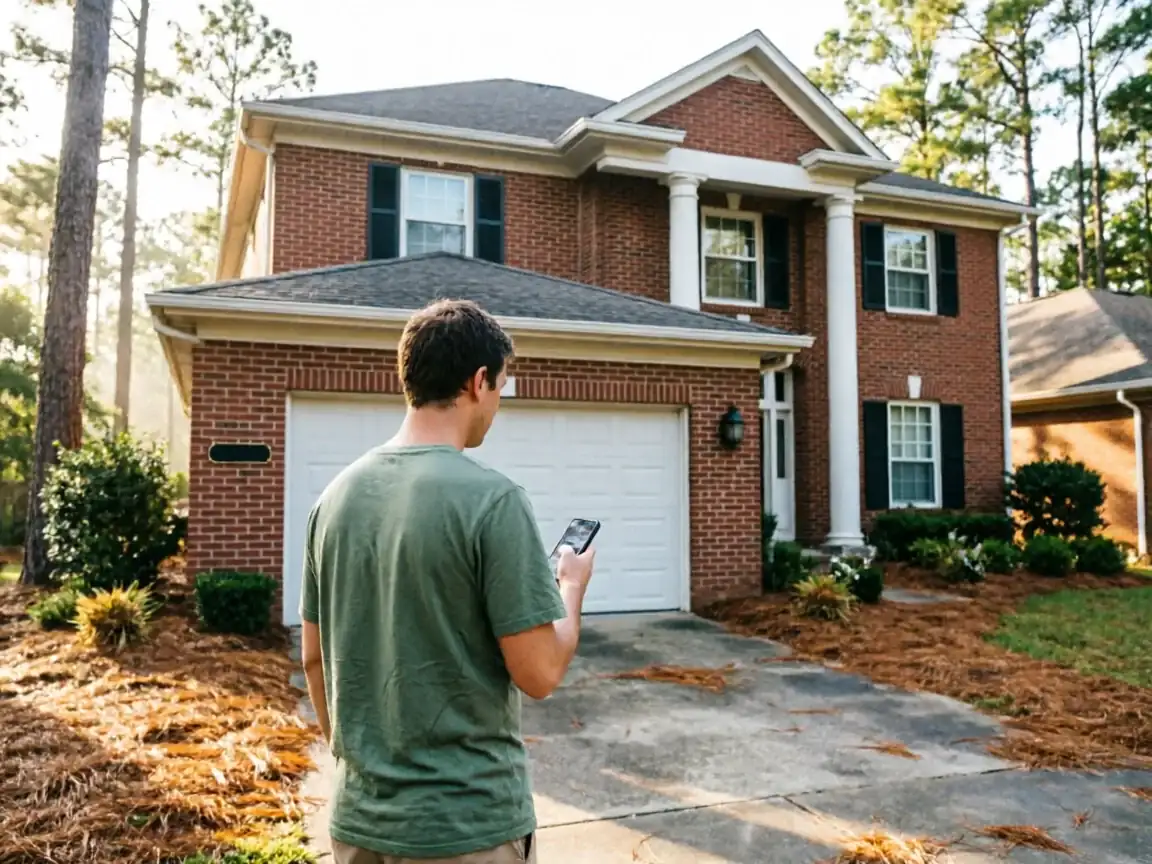
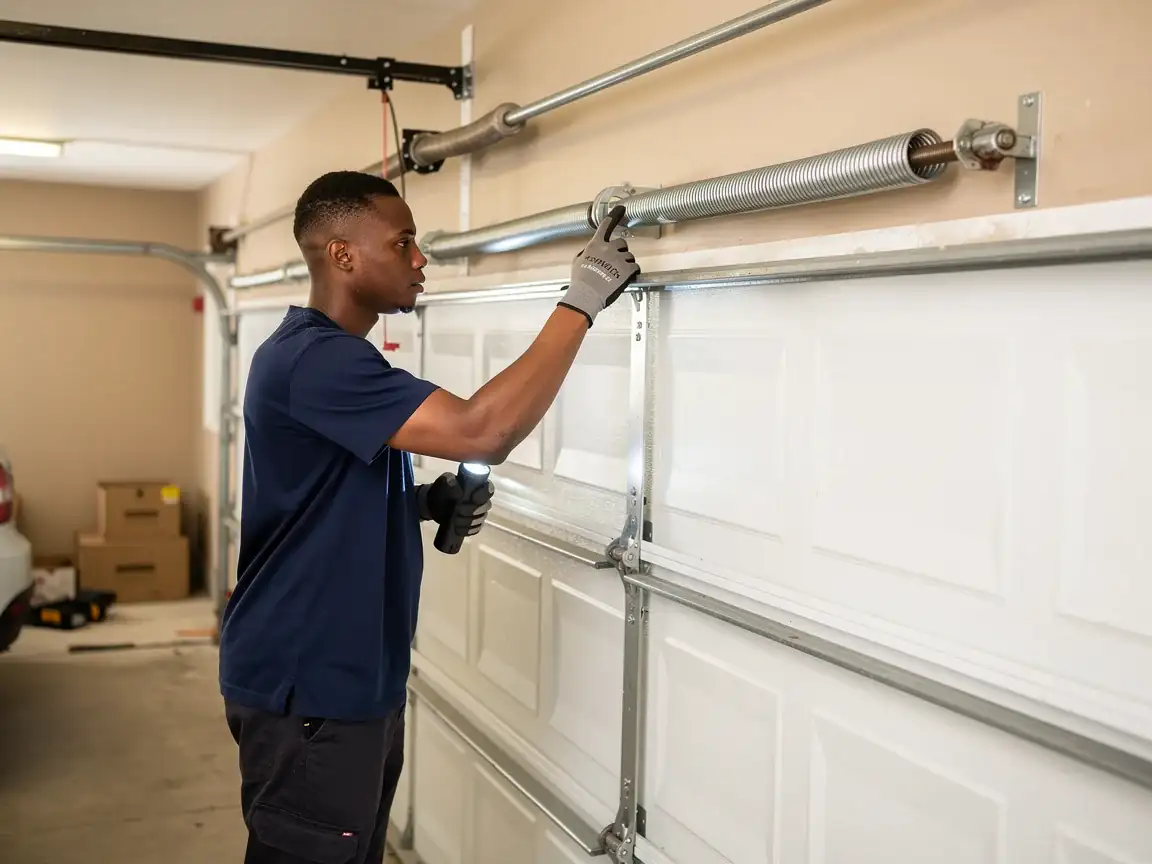
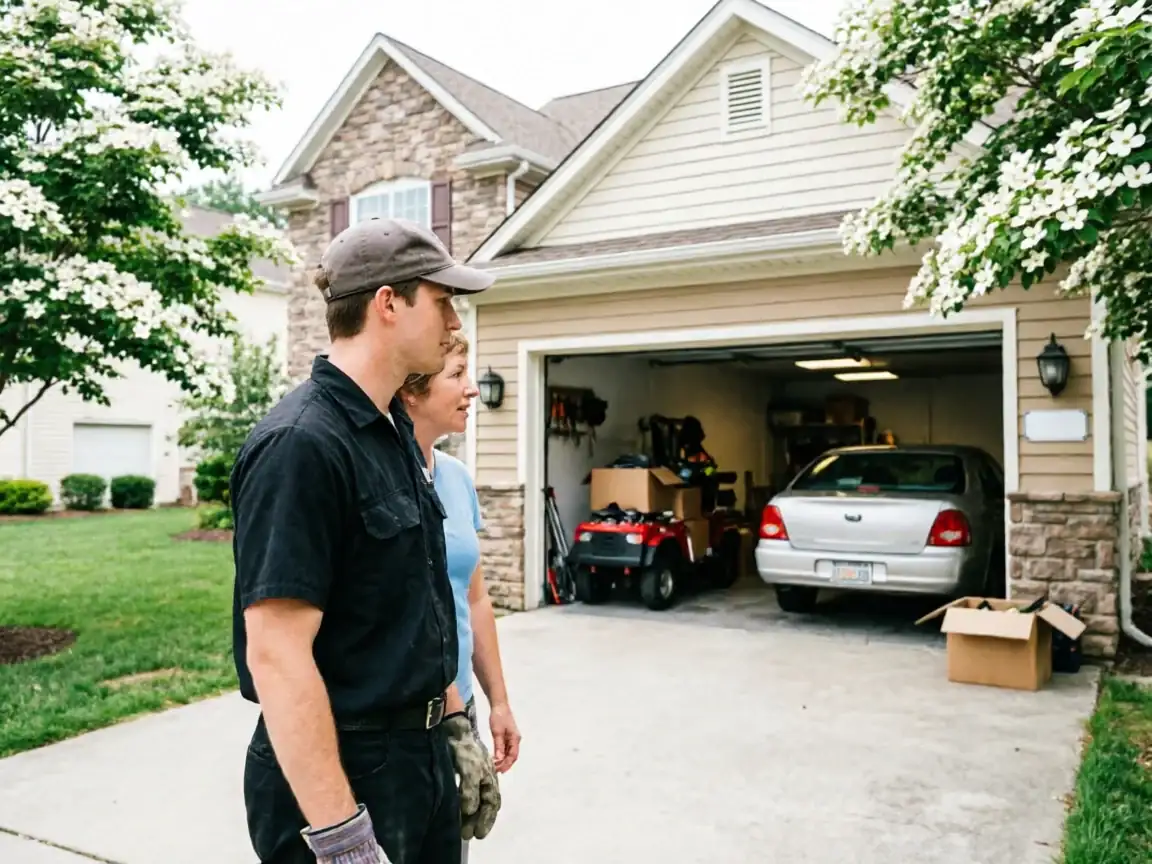
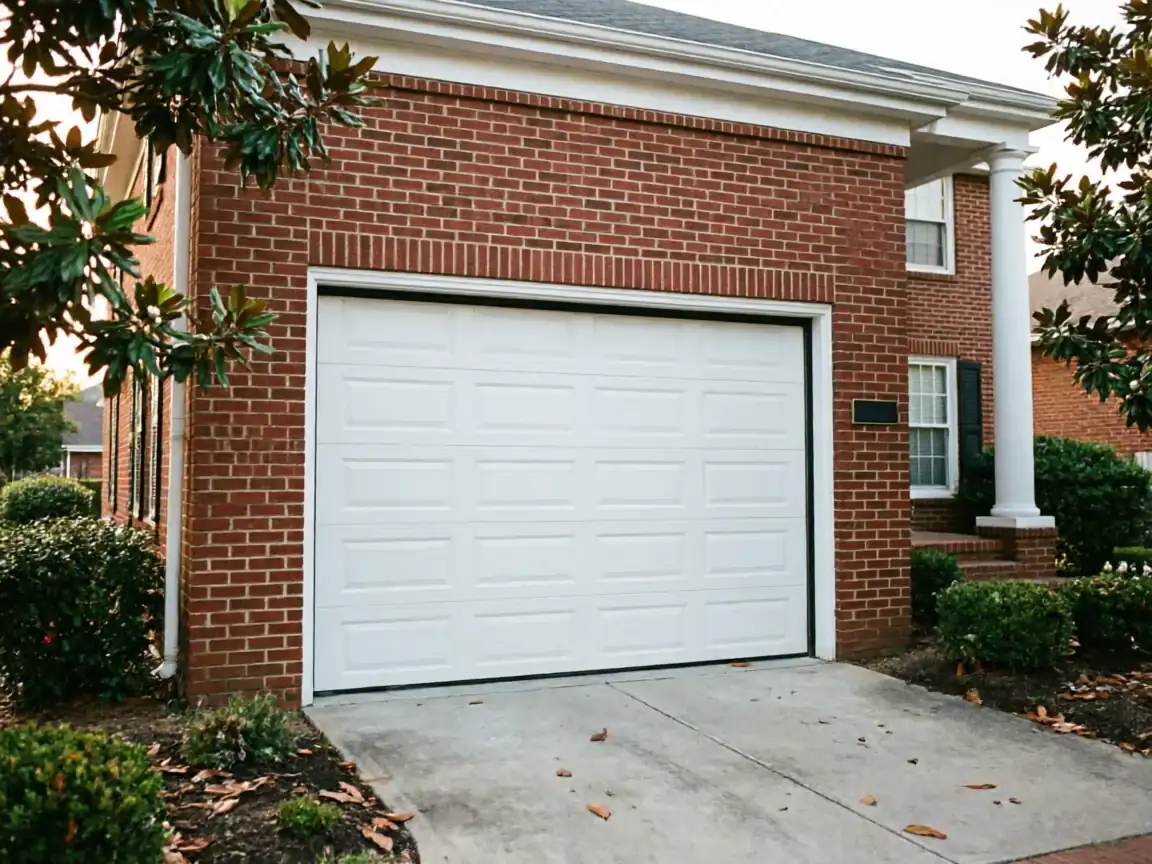
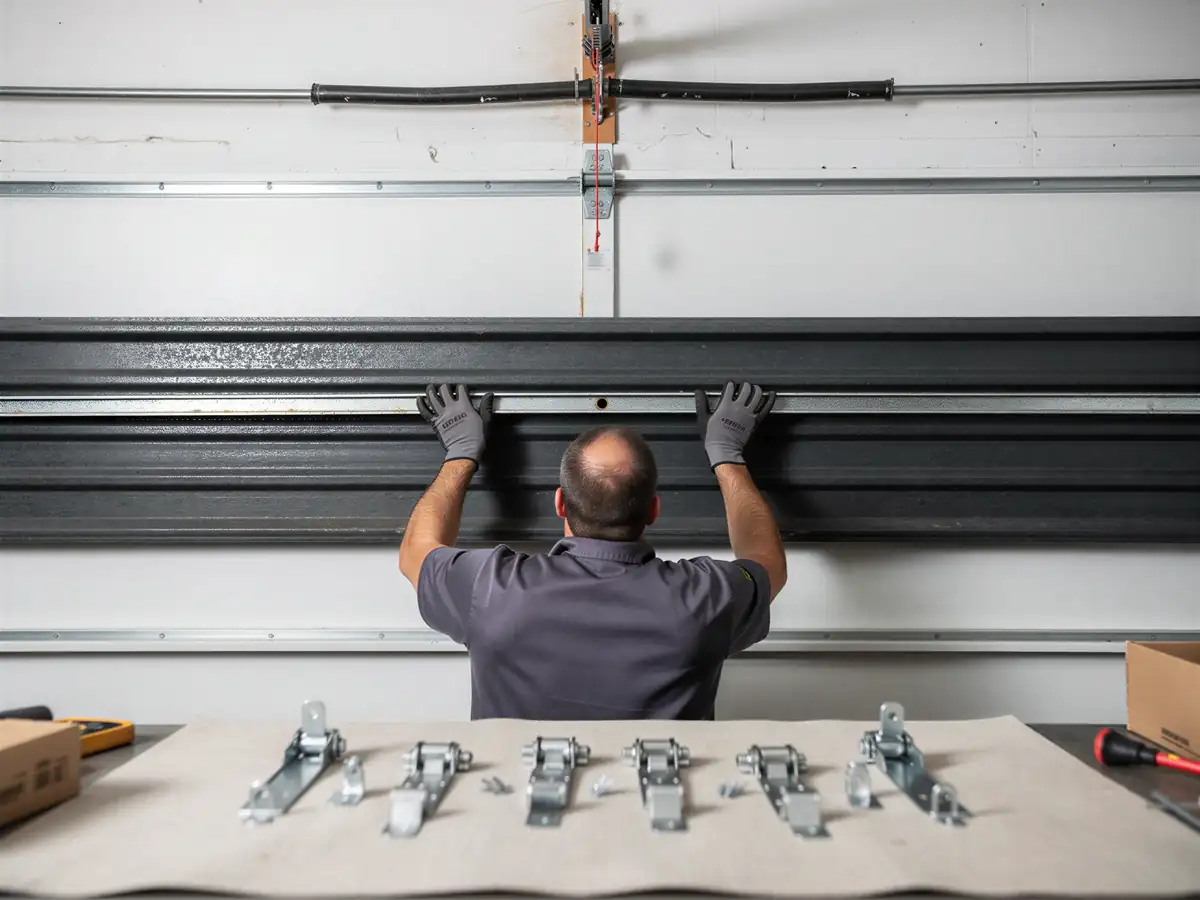
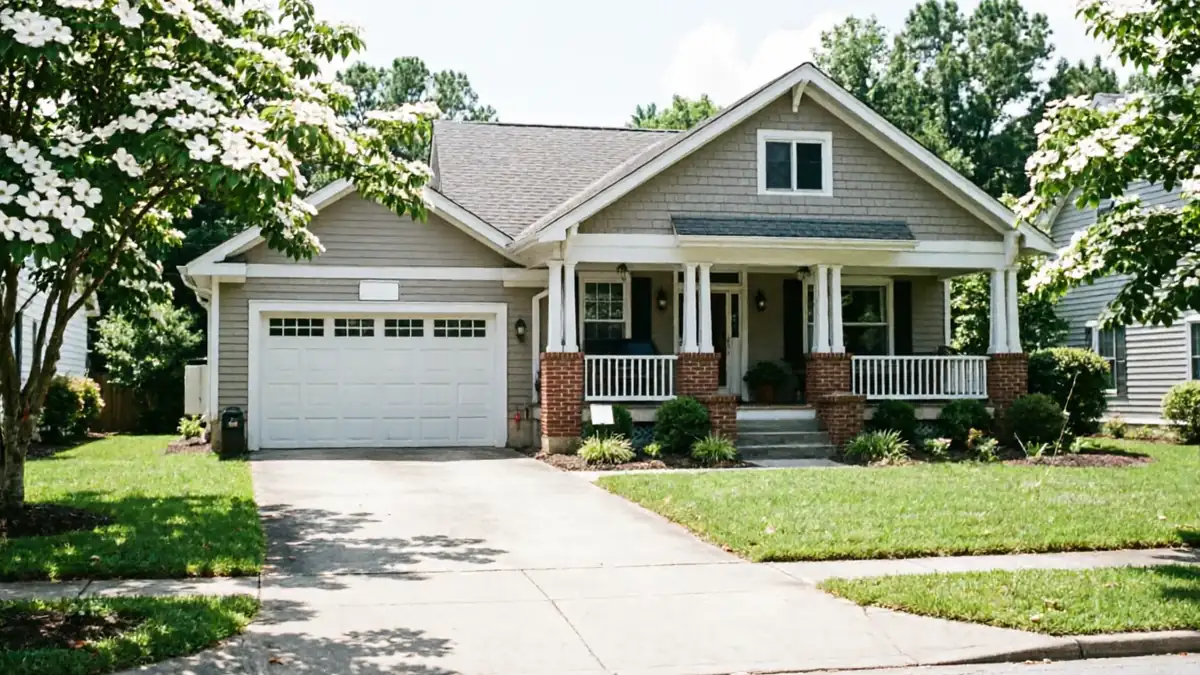
A standard maintenance visit on a double or single door runs under an hour once the truck is on site - that's lubrication, a full hardware inspection, track alignment check, and spring tension test. If we find a roller or cable close to failing, we'll tell you before we touch it, and replacing those items on the spot adds time depending on parts in hand. We don't pad the visit with upsells. Most doors in this area, especially the 1980s and 90s builds that make up the bulk of Chesapeake's housing stock, were installed with hardware that's now 25 to 40 years old. That hardware wasn't built to run maintenance-free forever, and a yearly check catches wear before it becomes a Saturday morning emergency with the car trapped inside. Across the wider service area - from nearby out to - the housing age is consistent enough that the same maintenance schedule applies pretty evenly. If your door was installed or fully replaced more recently, the interval can stretch longer, but we'll tell you that honestly rather than selling a visit you don't need.
What the Repair Takes
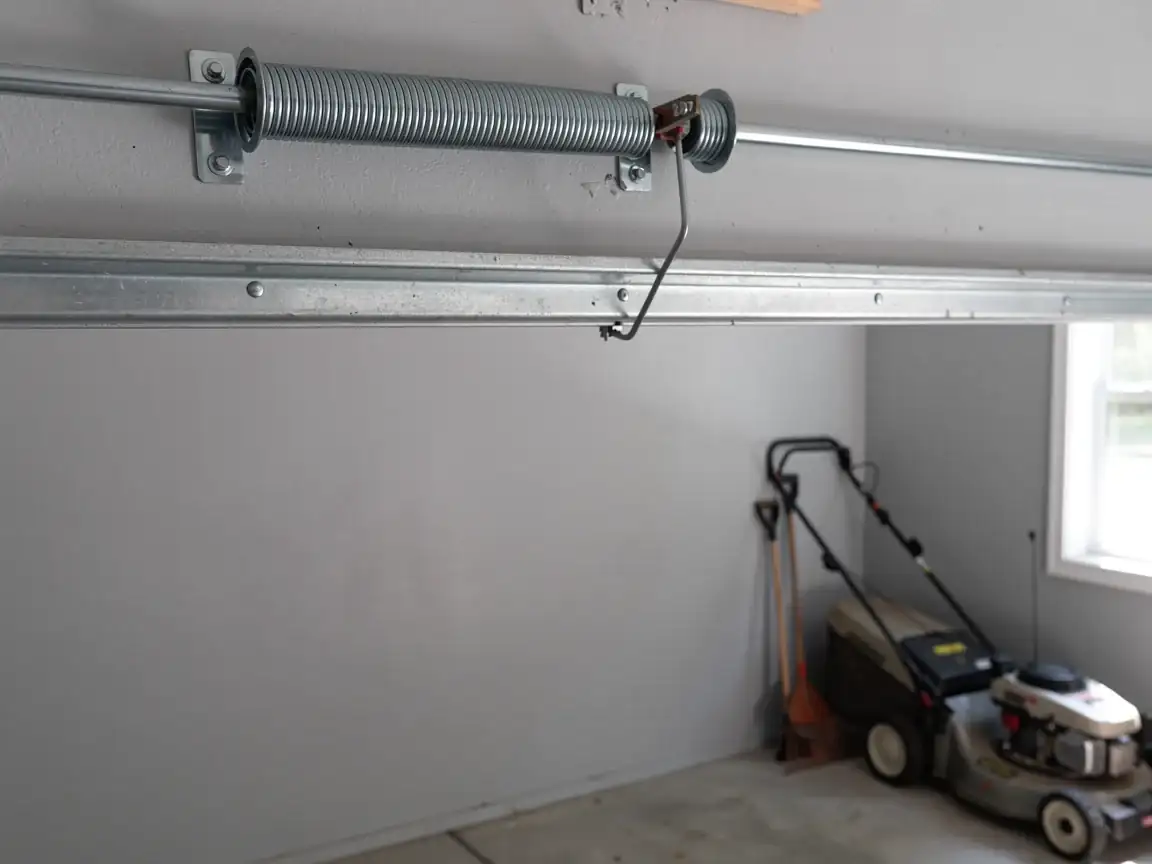
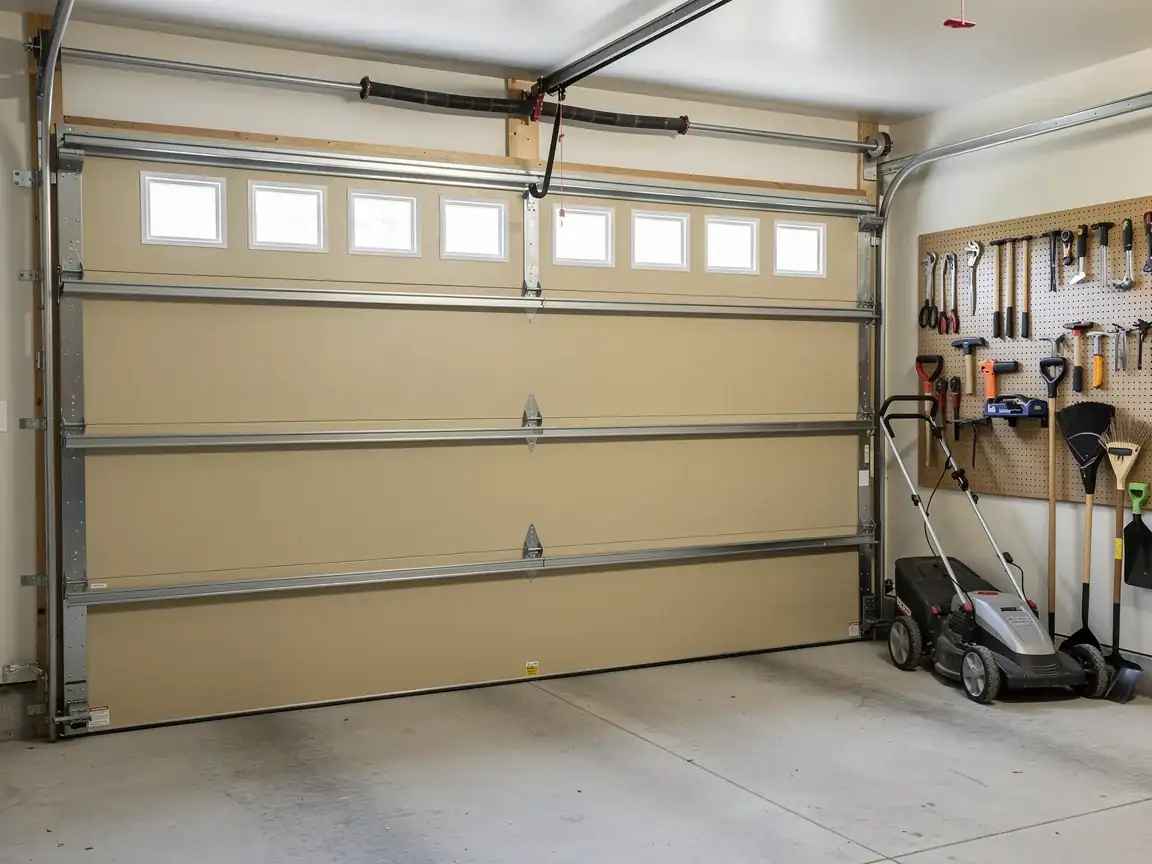
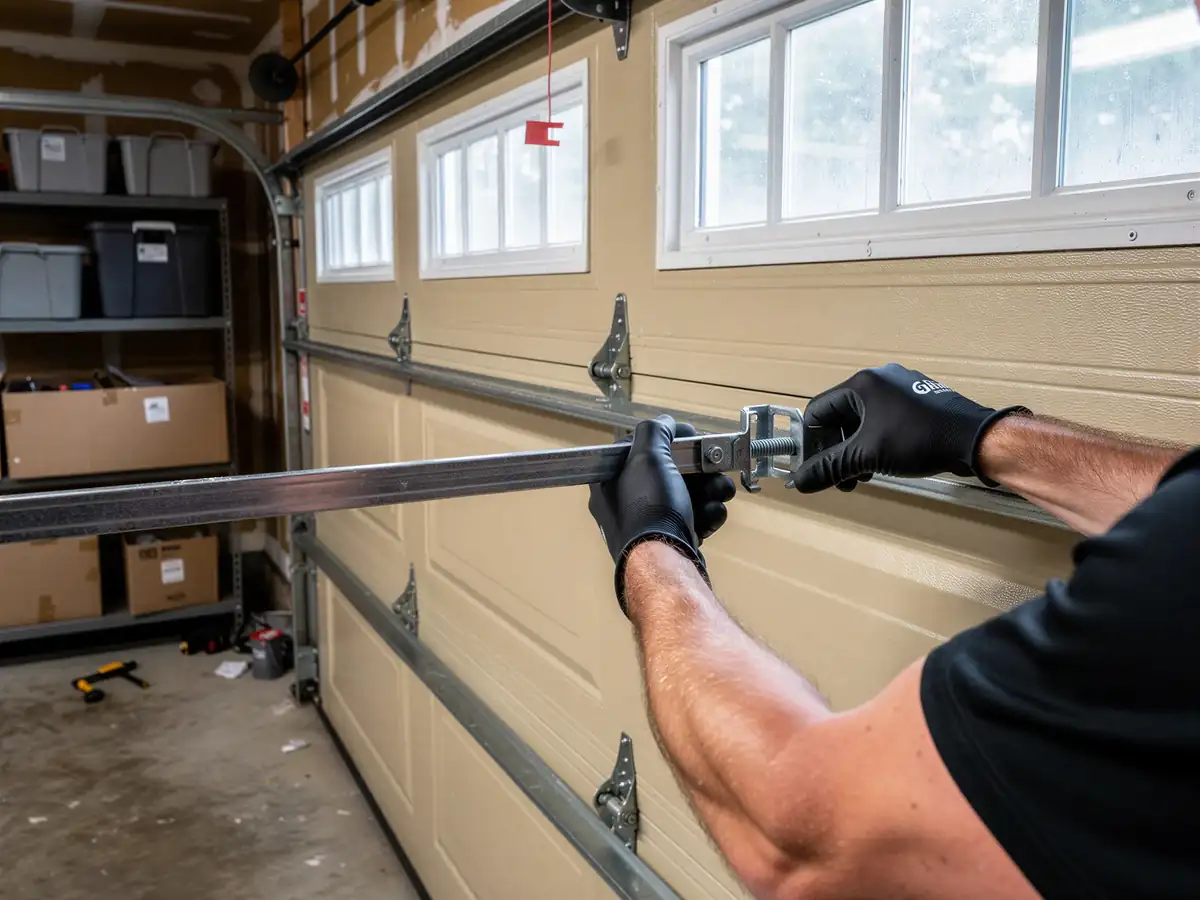
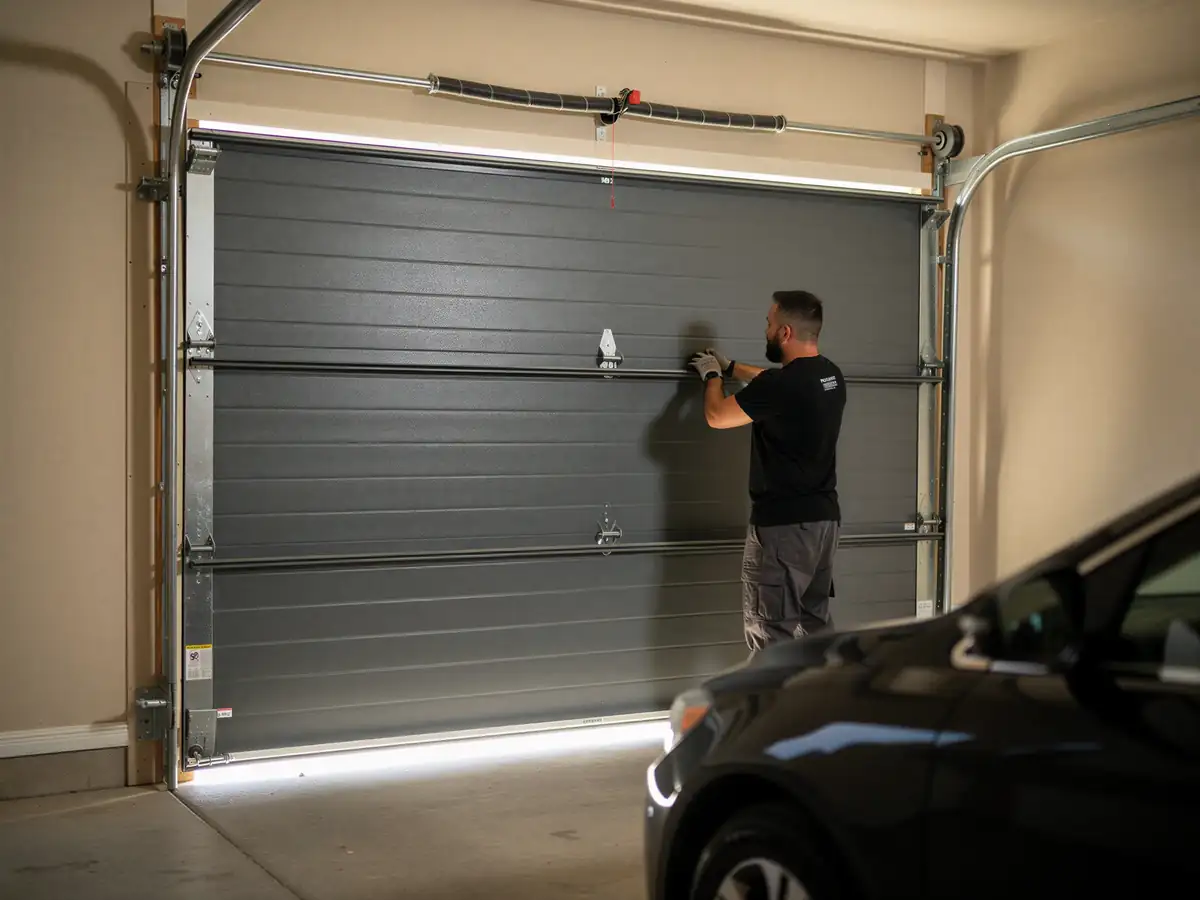
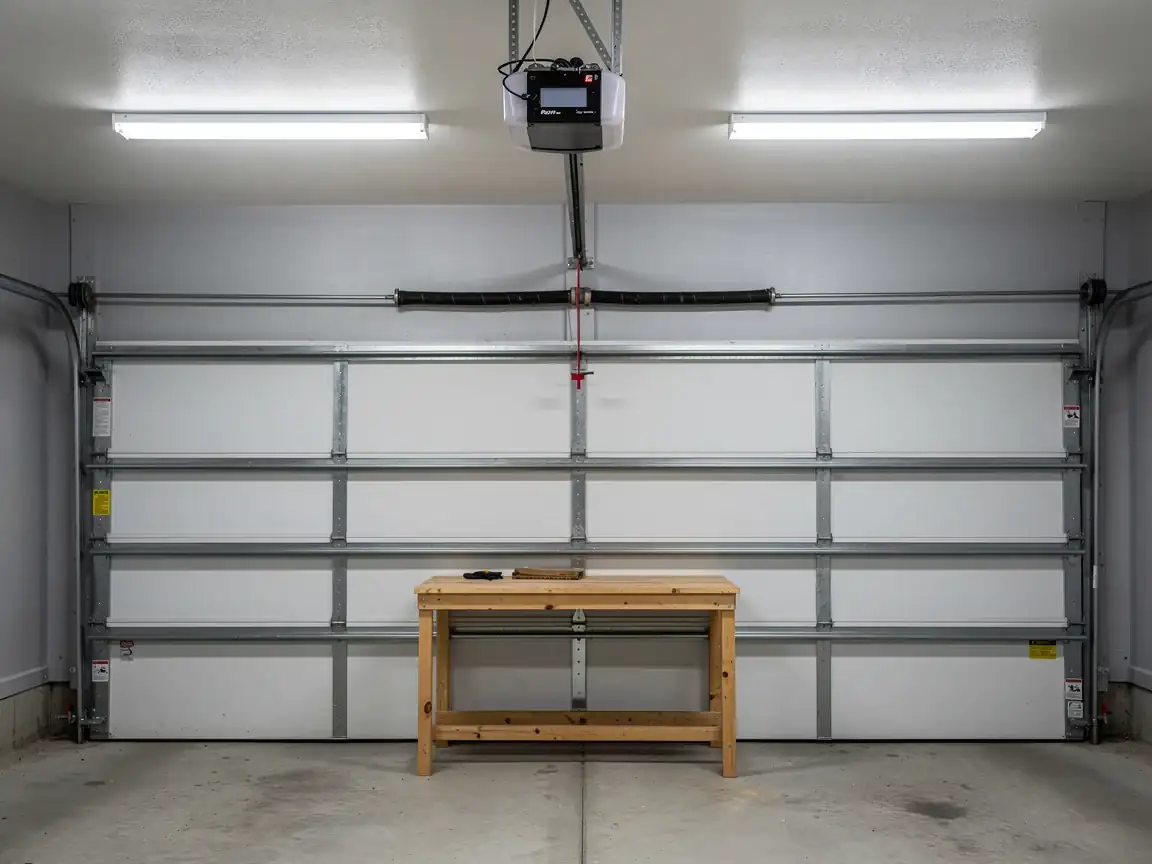
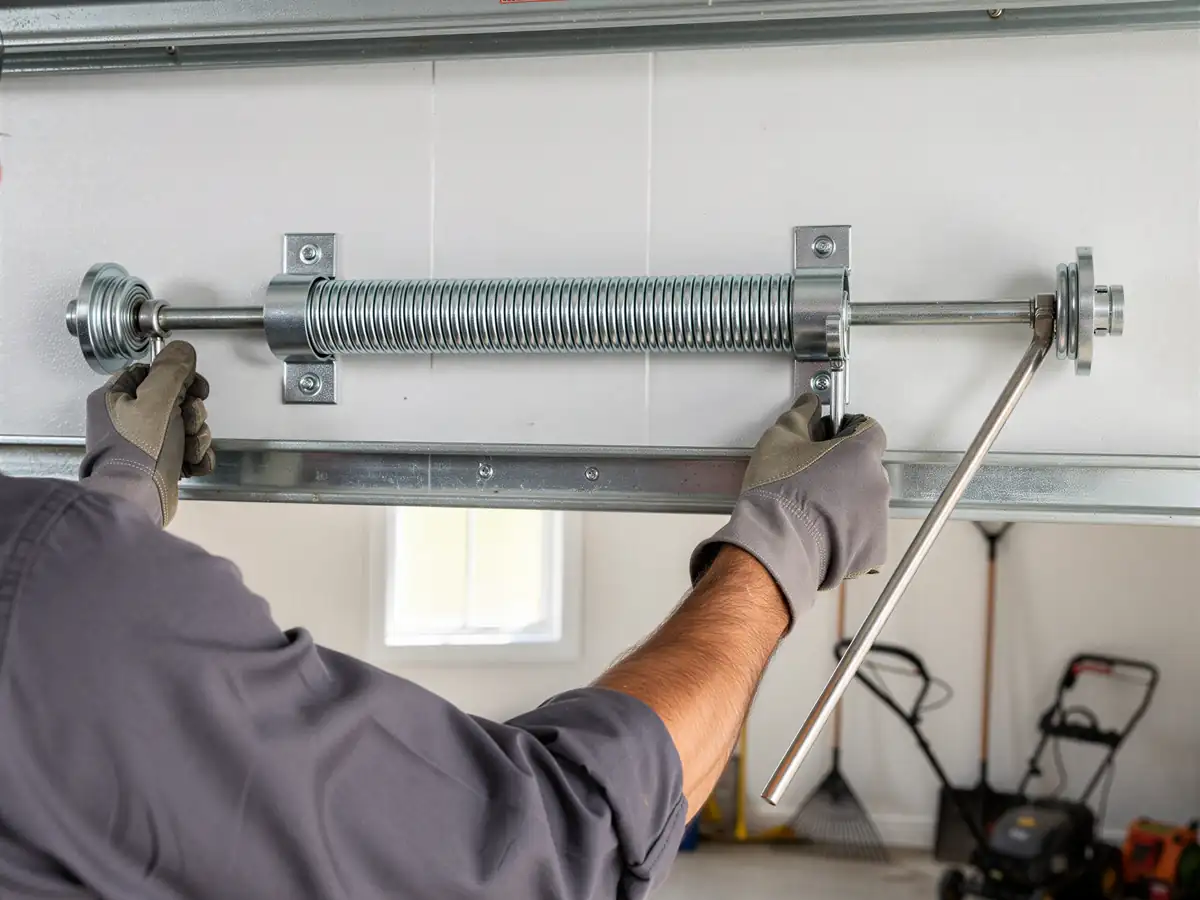
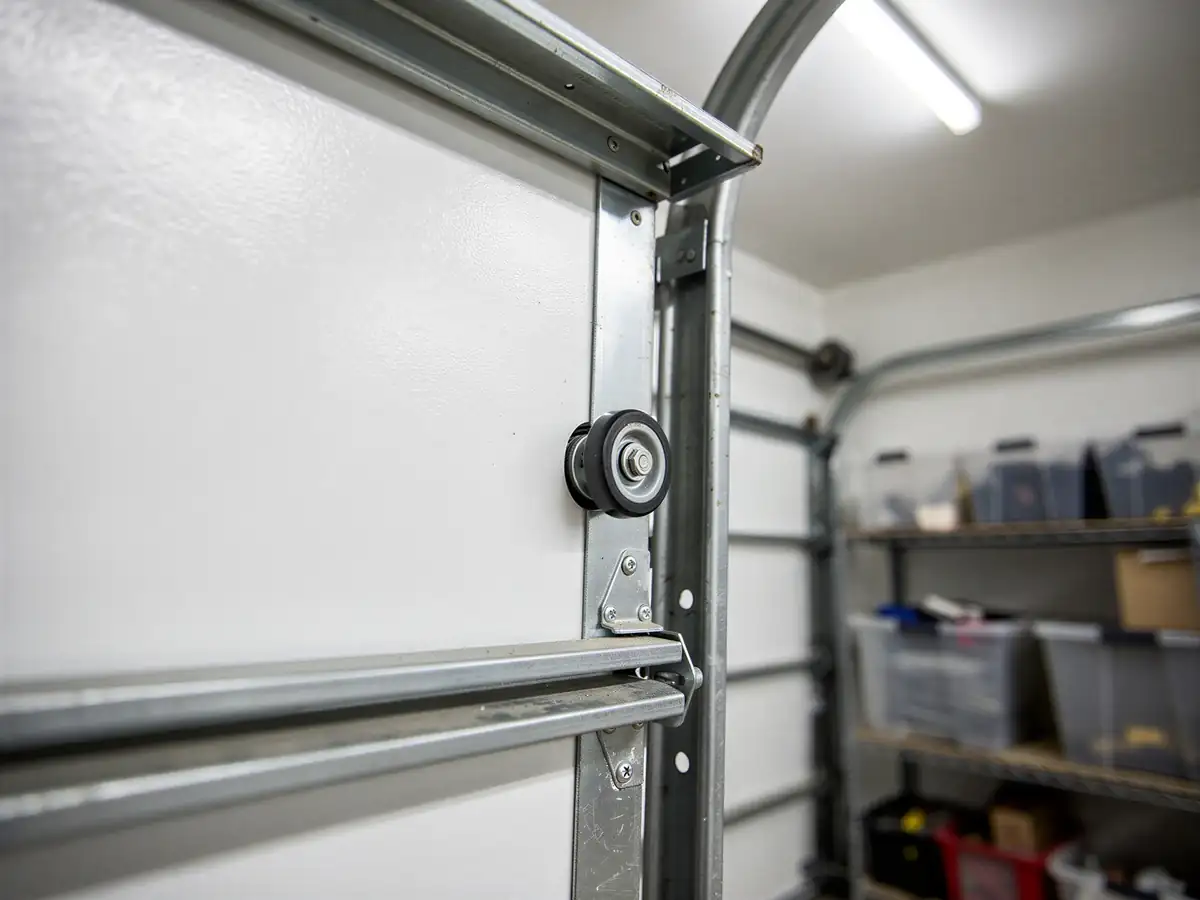
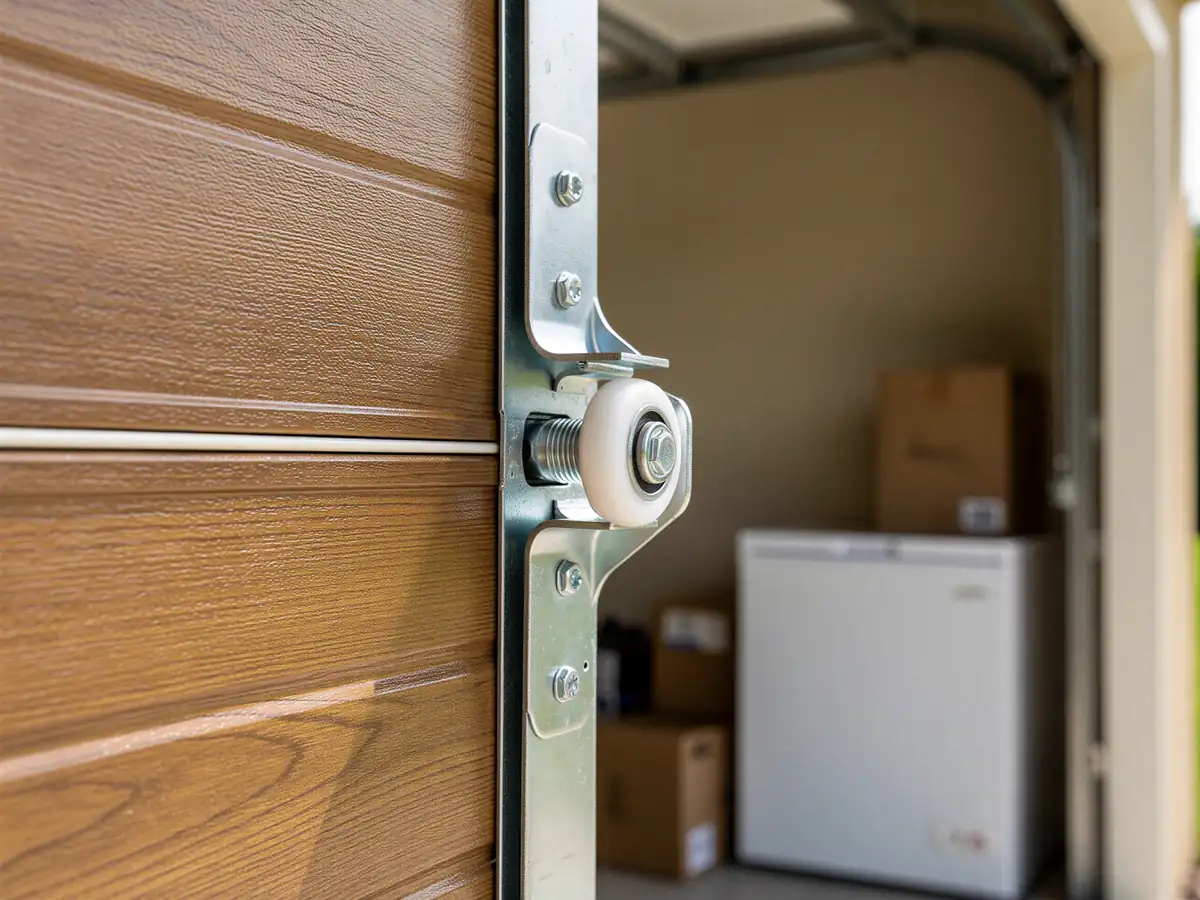
Maintenance isn't a repair, but it's built to catch the repairs before they happen. We check spring tension and look for gap in the coils, flex and dent the tracks by hand to feel for bends, spin every roller to check for flat spots or cracked nylon, and run a hand along the cable for fraying near the drum. Opener force settings get tested too, since a door that's drifted out of balance puts extra strain on the opener motor, not just the springs. If something's past the point of lubrication and adjustment, we'll quote the fix separately rather than bundle it into the maintenance cost. One honest limit: if your spring set is original to a house built in the 1980s or earlier, we may recommend replacement outright rather than squeezing another year out of it, because a spring that fails mid-cycle under tension is a genuine safety risk, not just an inconvenience.
The Symptom
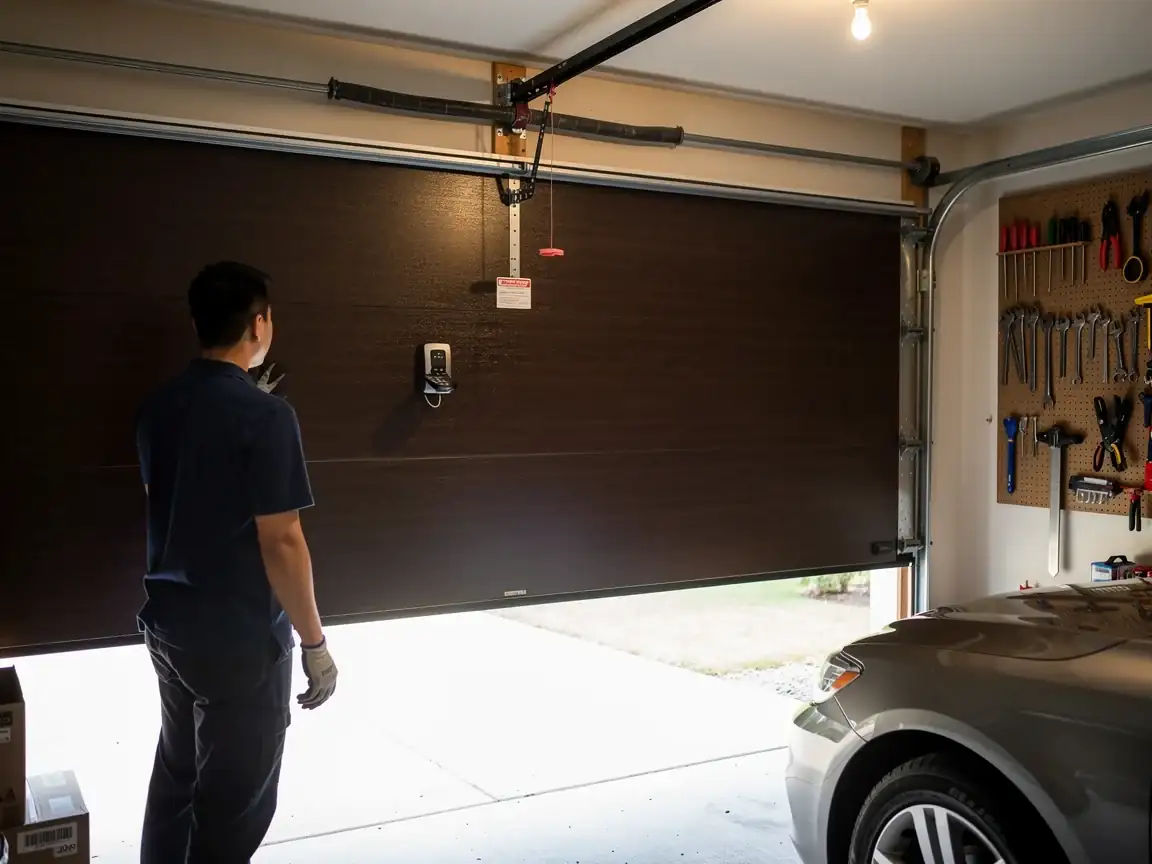
The warning signs before a spring or roller fails outright are usually small and easy to shrug off. A door that used to lift with one smooth motion starts to hesitate or jerk partway up. You hear a grinding or squeal from the rollers that wasn't there last winter. The door looks slightly crooked when it's halfway open, which usually means one spring is carrying more load than the other. In homes built during Chesapeake's main construction era, these symptoms tend to show up first after a stretch of cold mornings, when stiff grease and contracted metal make existing wear obvious. None of these symptoms mean the door is about to come off the track tomorrow, but none of them get better on their own either. Given the median household income of $58,972 across roughly 39,678 households in this service area, a lot of homeowners here are weighing a $150 maintenance visit against a $400+ spring replacement done as an emergency call - and the math on getting ahead of it usually works out.