What That Means for Doors
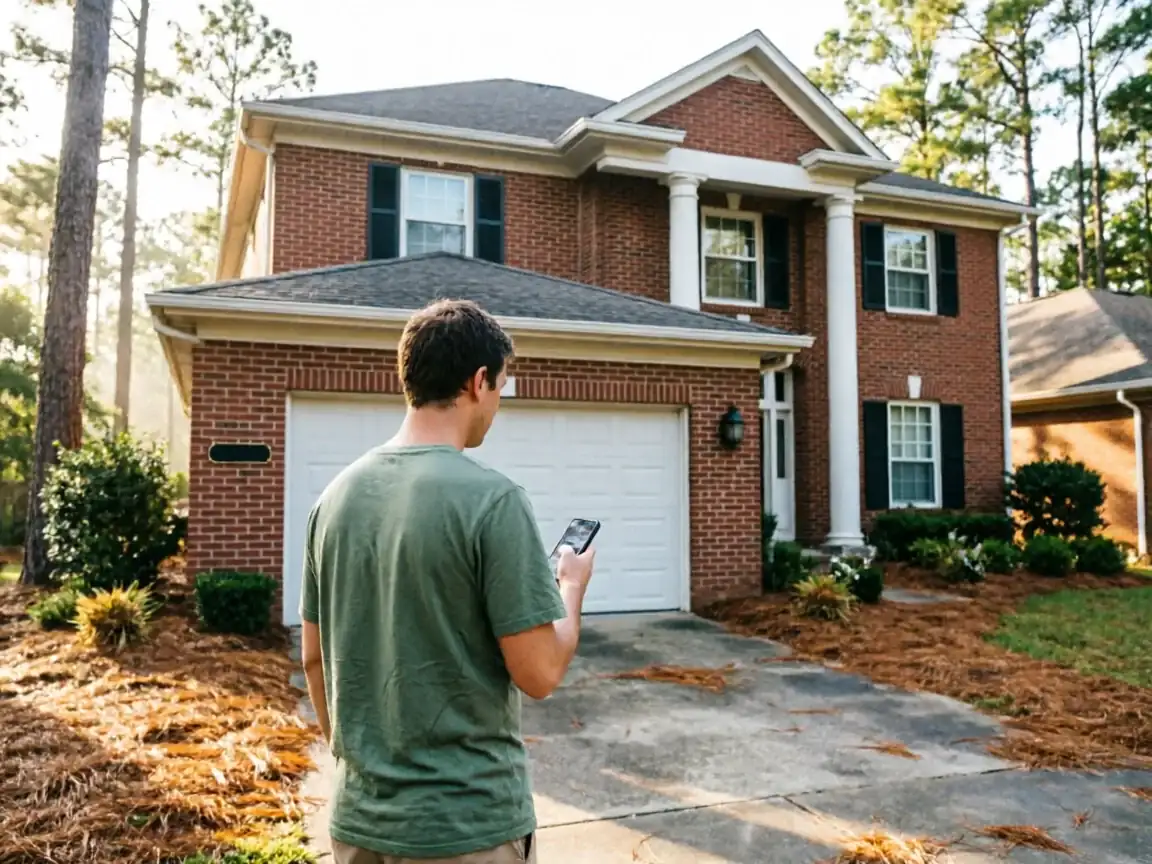
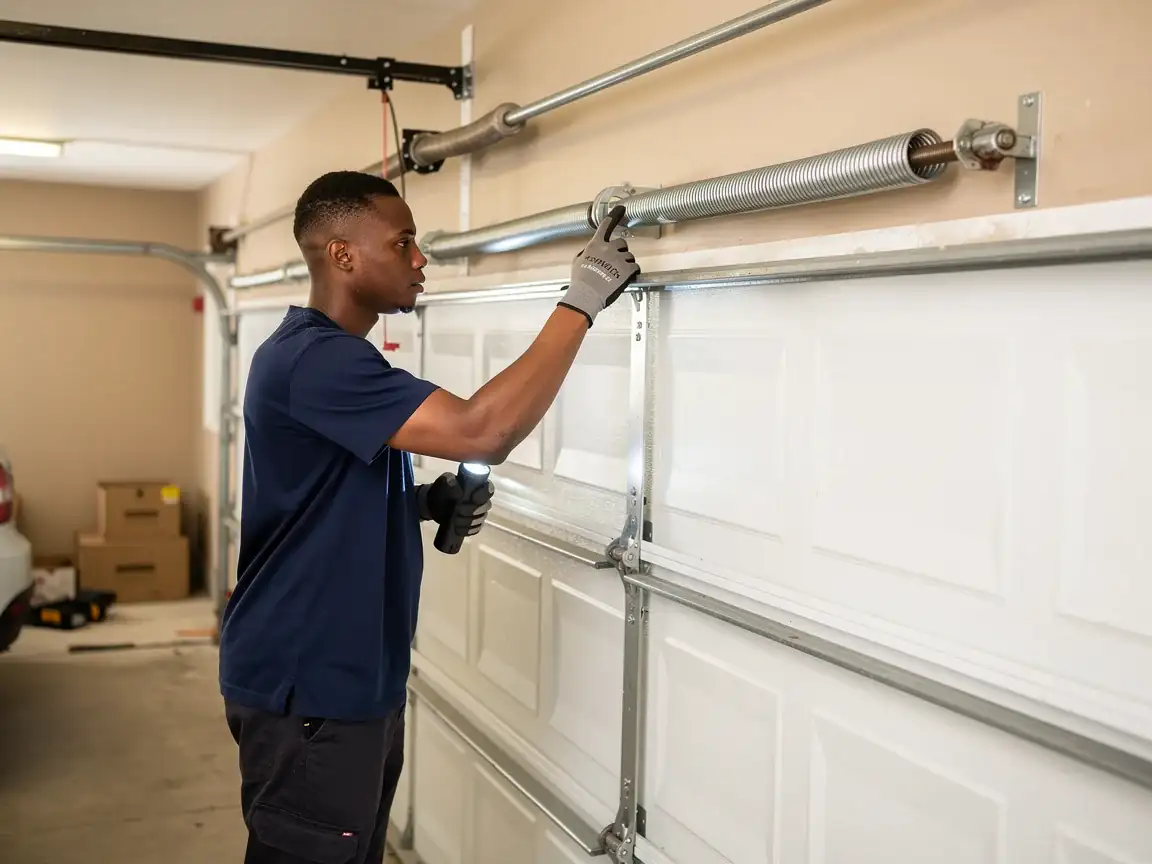
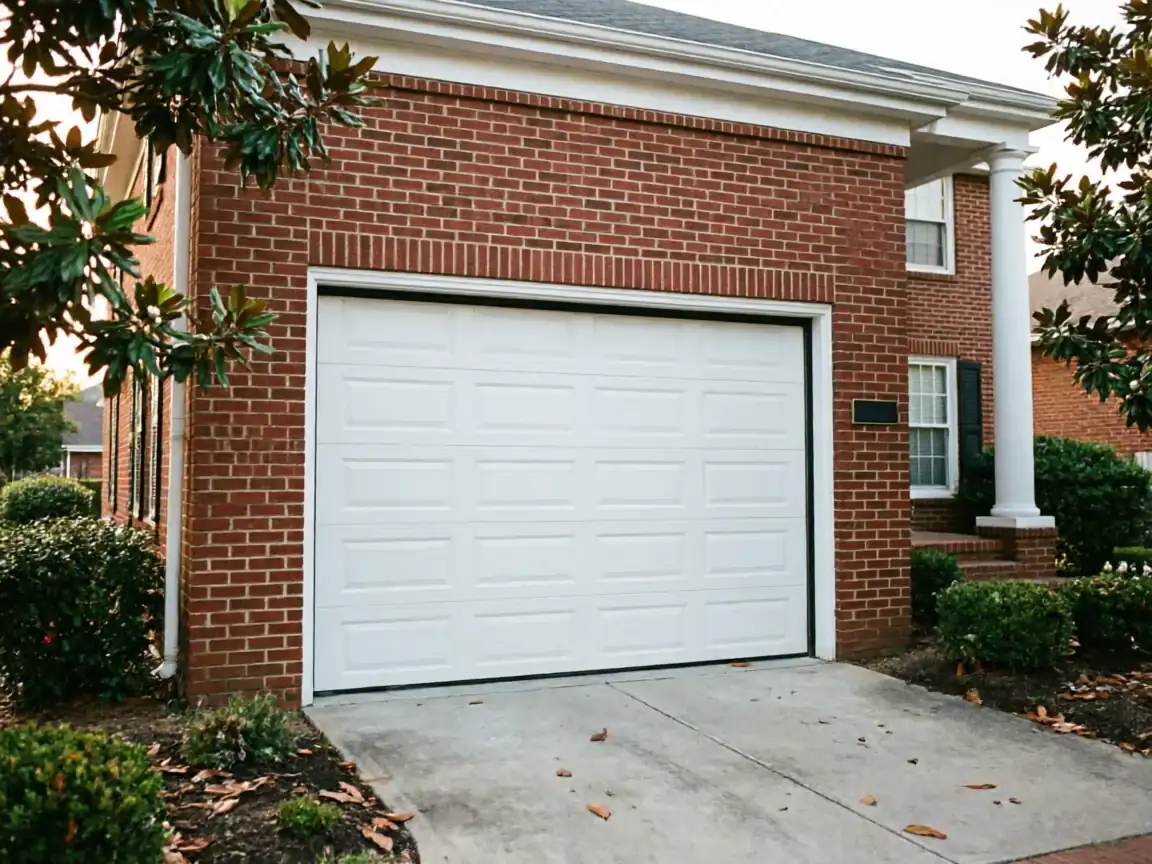
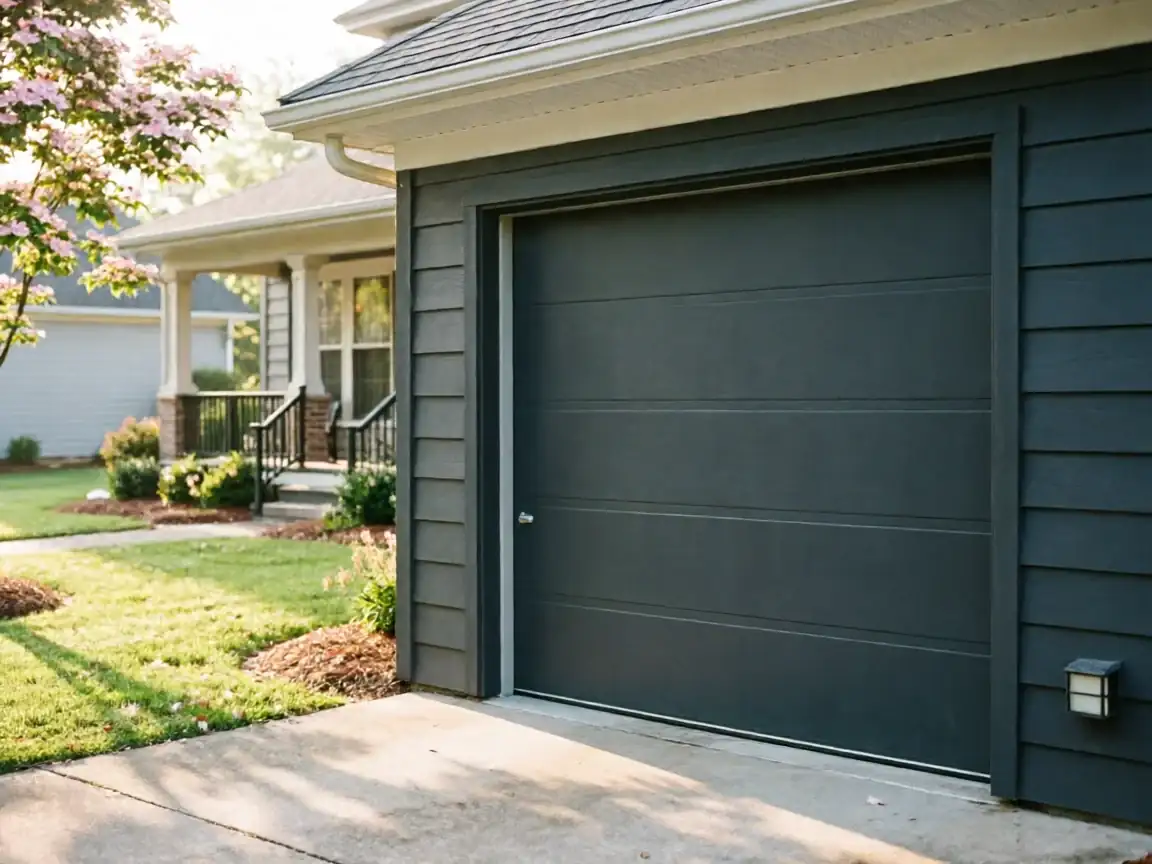
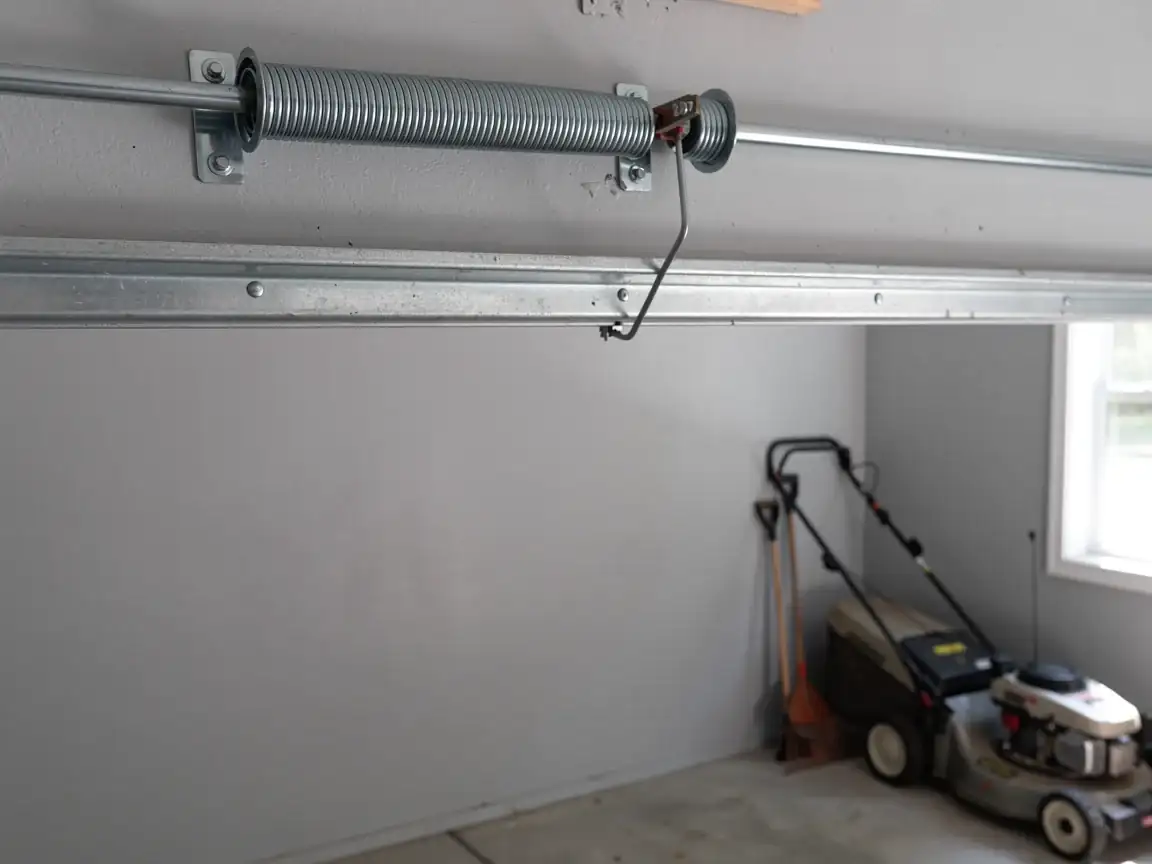
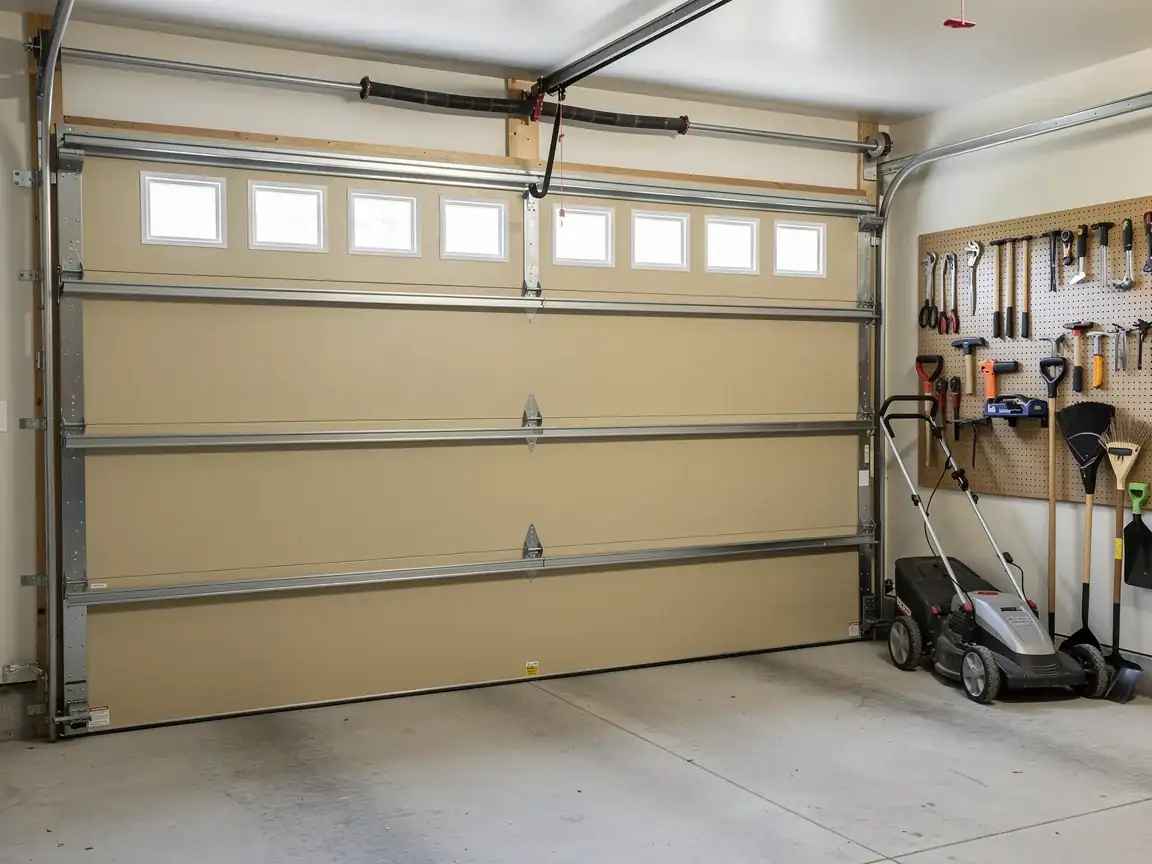
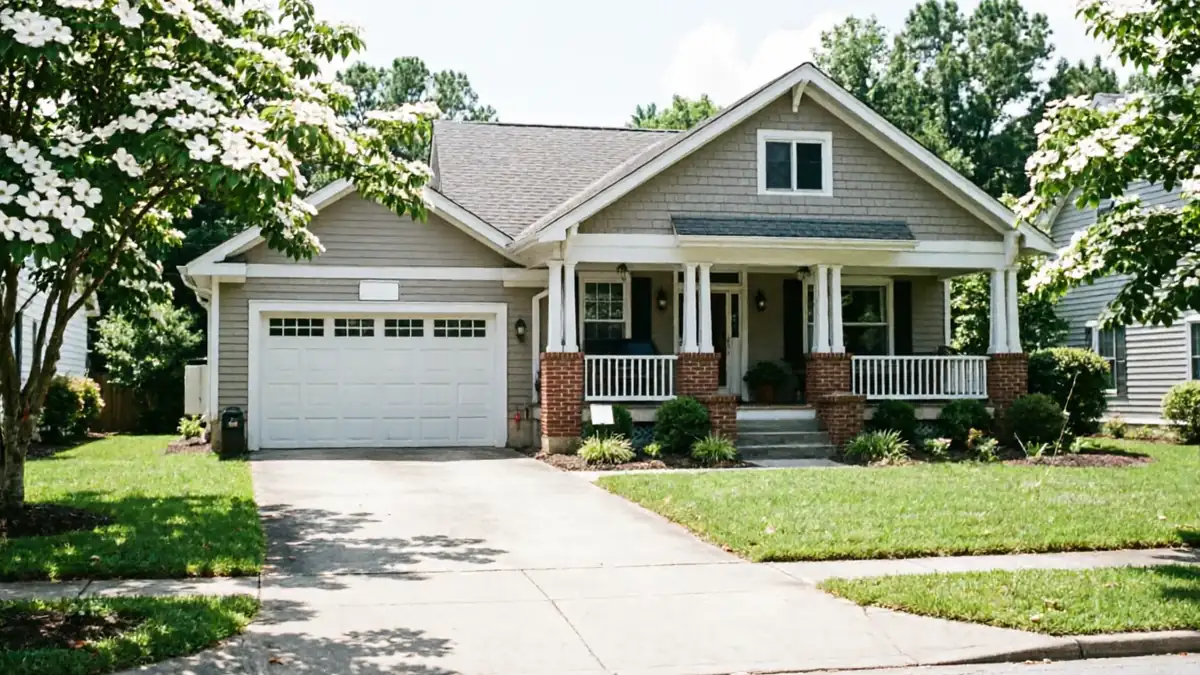
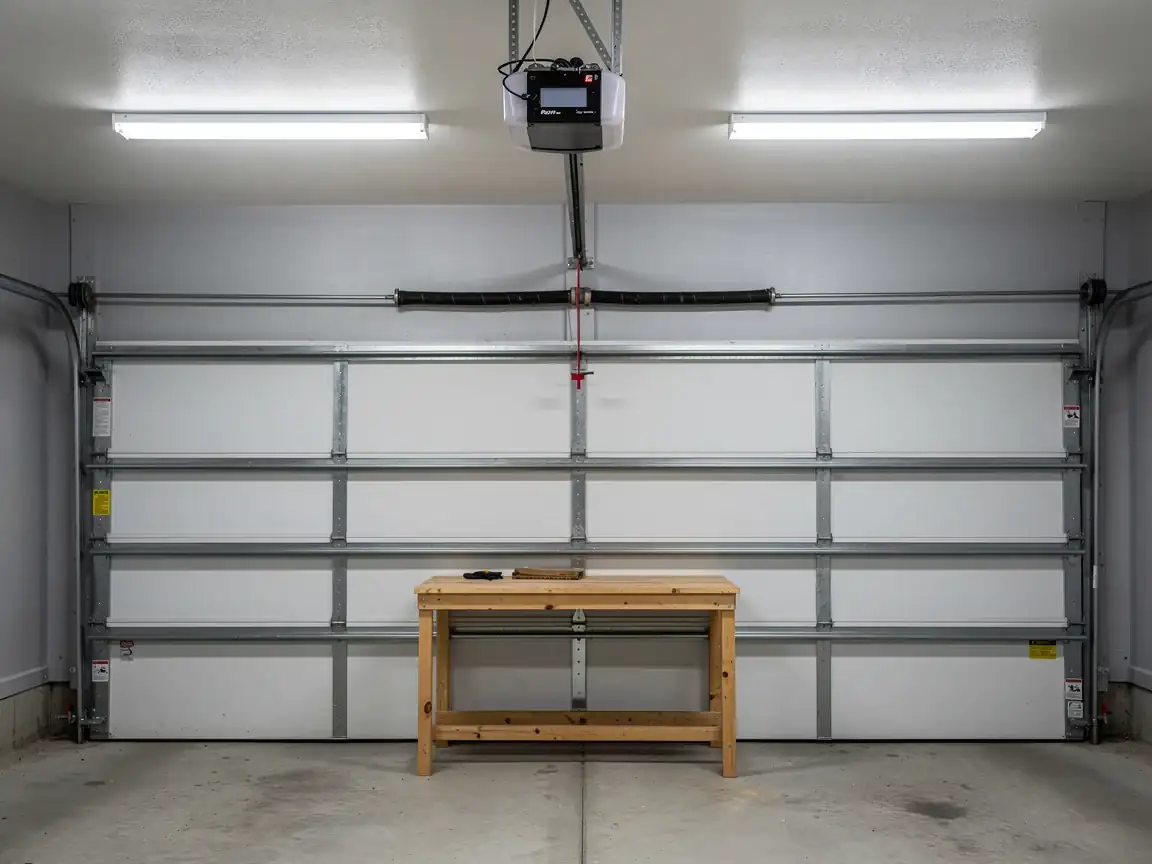
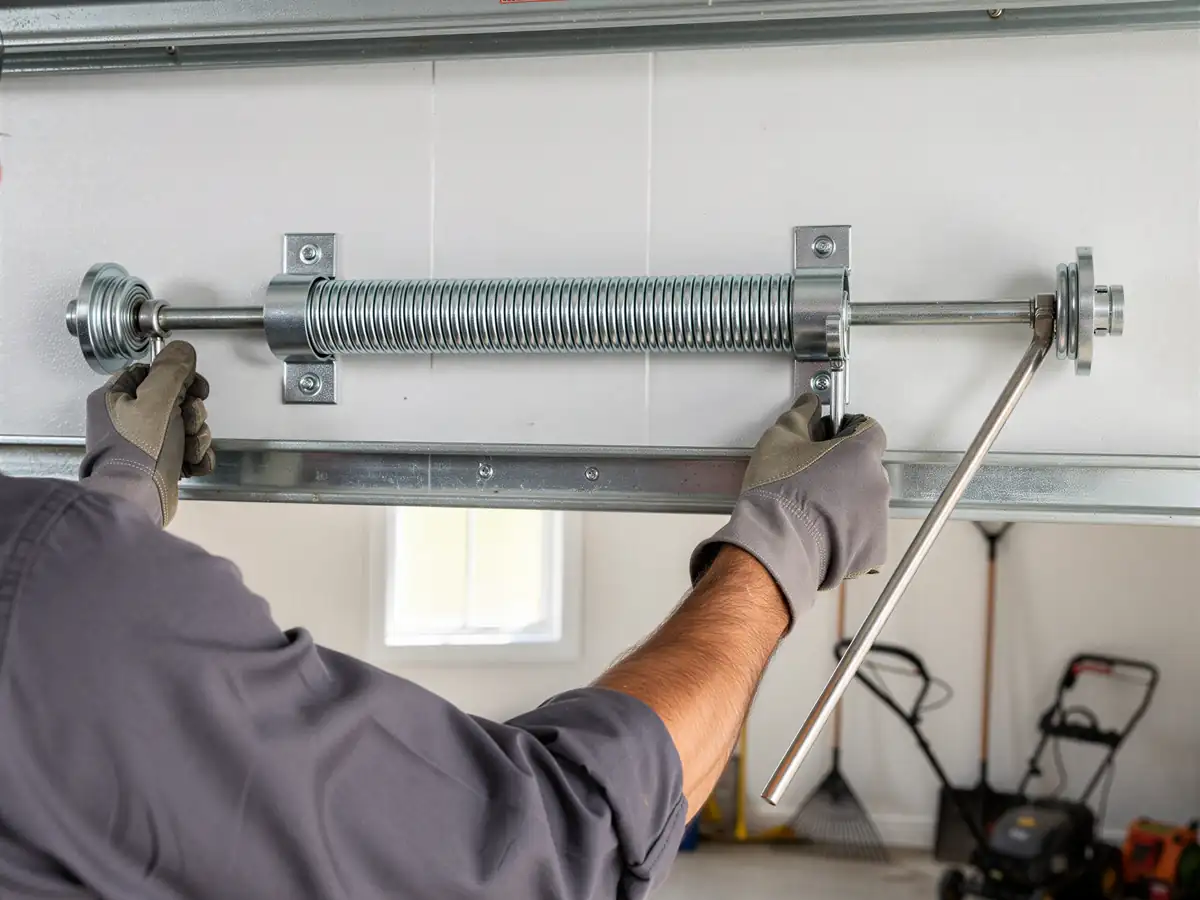
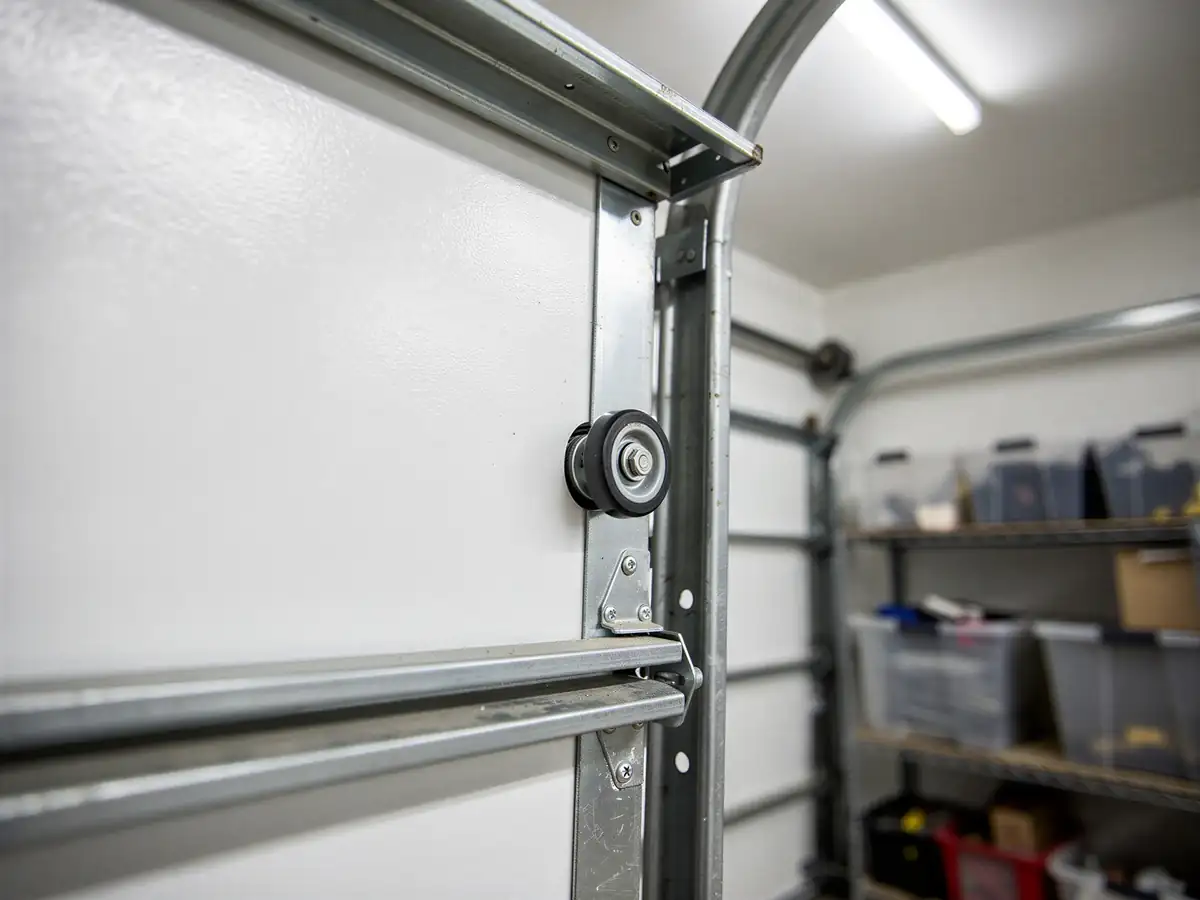
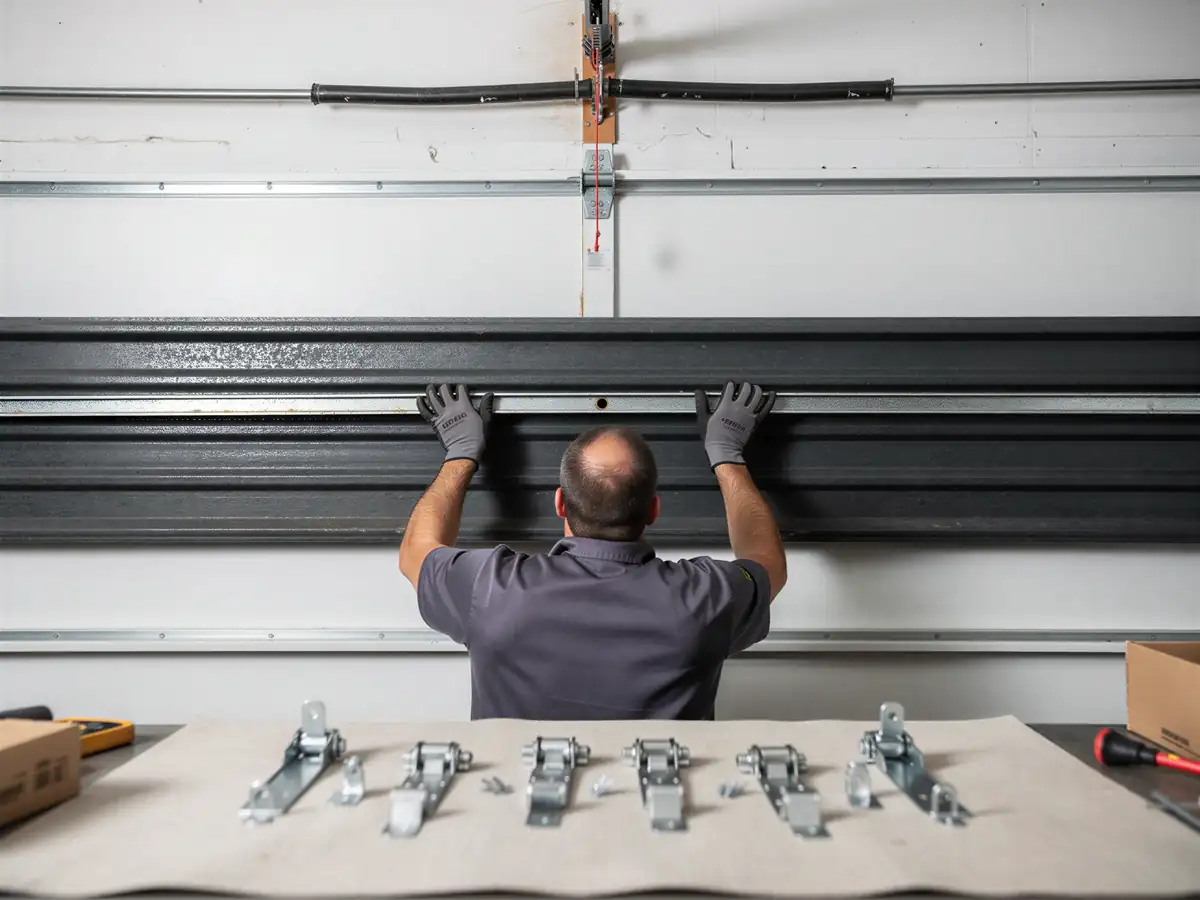
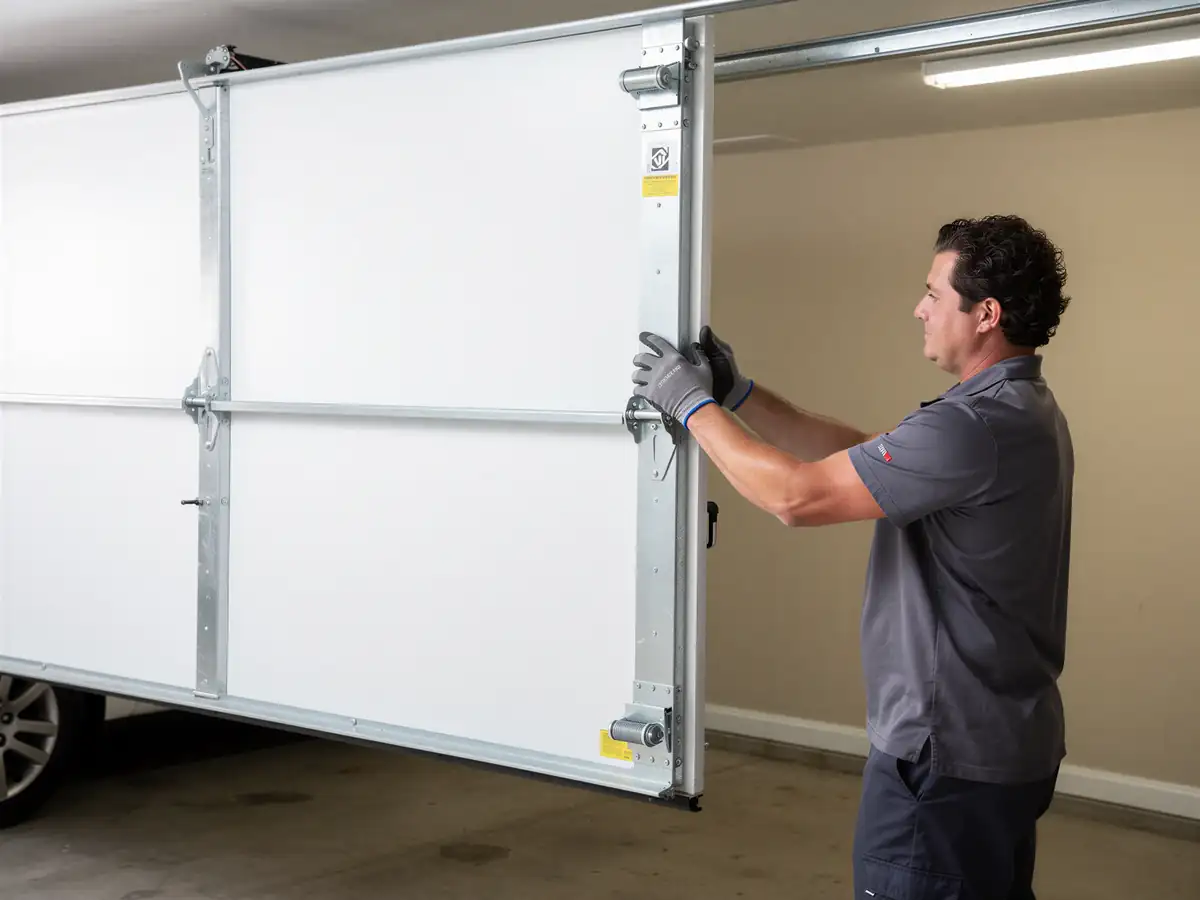
Camden is different from most of the territory we cover, and it starts with the houses themselves. Homes here went up mostly around 1997, which puts Camden a decade or two ahead of the 1980s-90s stock that makes up most of the wider service area. That gap matters more than it sounds. A door built in the late 90s is more likely to already have a steel panel with foam-filled insulation rather than the thin single-layer steel common on older builds, and the opener is more likely to be a chain-drive unit with a 1/3 or 1/2 horsepower motor rather than the screw-drive units that showed up heavier in the 80s. The torsion springs on a 1997 door are also more standardized in wind rating, which is worth knowing if you're replacing one rather than guessing at the coil count. None of this means Camden doors never fail. Rollers wear out on any door built in any decade, and a cable can fray at 10 years or 30. But when you call about a stuck door, the first questions we ask - chain or belt drive, torsion or extension spring - tend to have more predictable answers here than they do in the older pockets of the area.
How Soon We Can Come Out
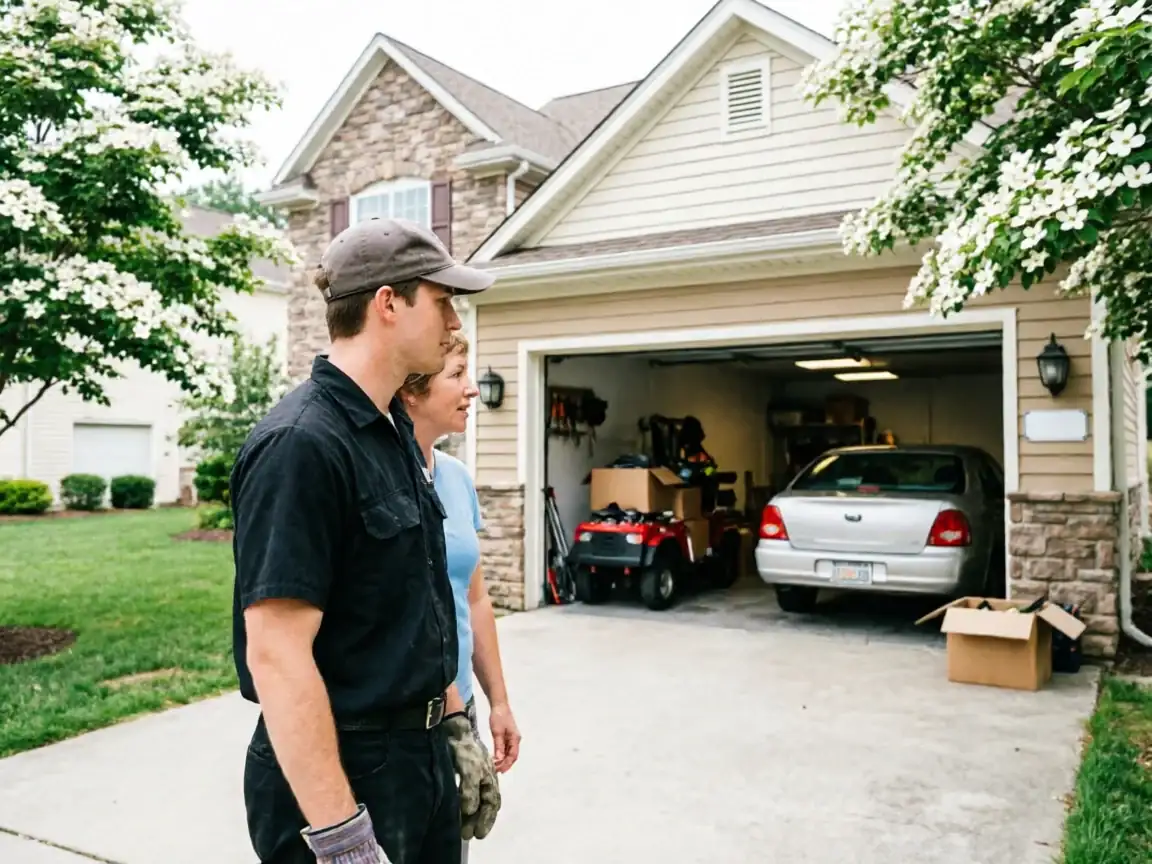
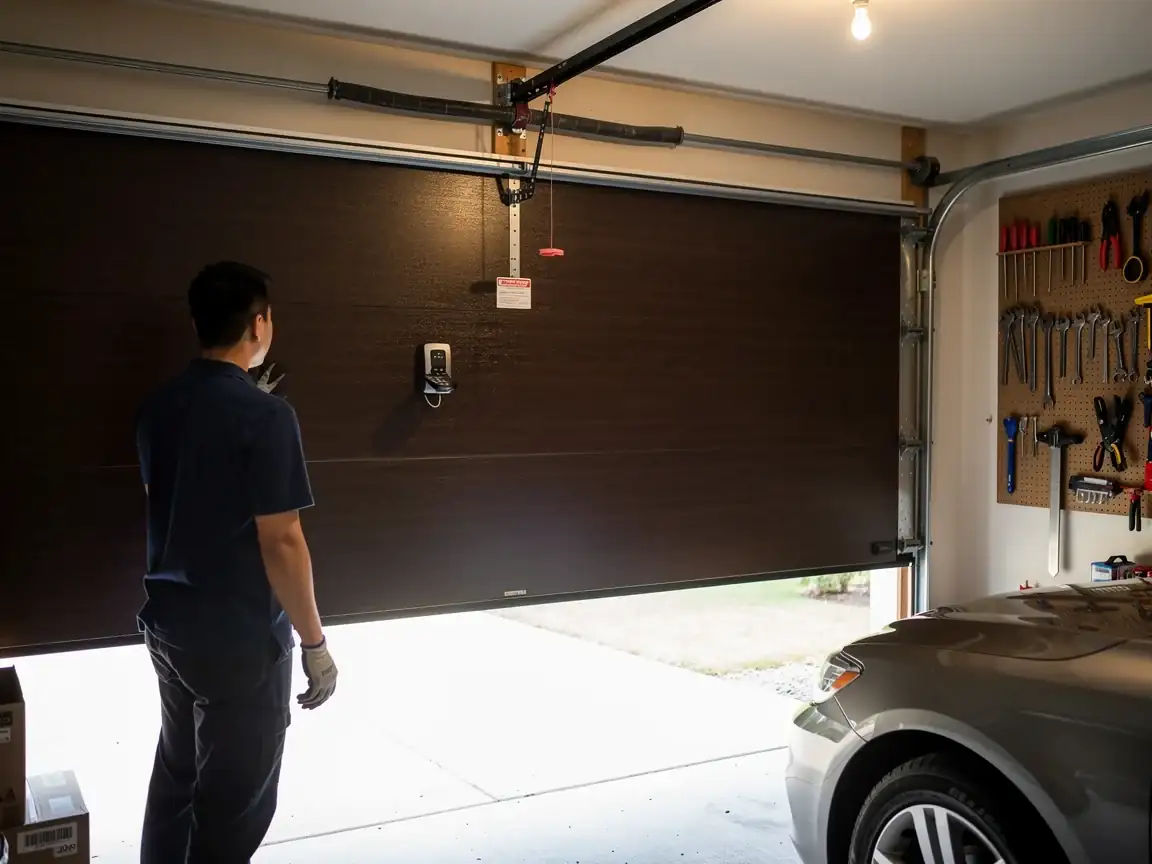
Camden sits about 35 miles from our Chesapeake shop, which makes it one of the farther stops on our map - farther than Portsmouth at 13 miles, farther than Moyock at 23. We don't operate a depot or second location in Camden, so every call here is a truck run from Chesapeake, and how soon we can get to you depends on what else is already on that day's route. We're straightforward about this: a same-day visit to Camden is more likely to happen if we can pair it with another stop headed the same direction, rather than treat it as a standalone trip. If a spring breaks and the door won't open at all, say so when you call - we prioritize doors that are stuck shut or stuck open over cosmetic issues like a dented panel or a noisy roller, regardless of how far out the house is.
What Was Built Here
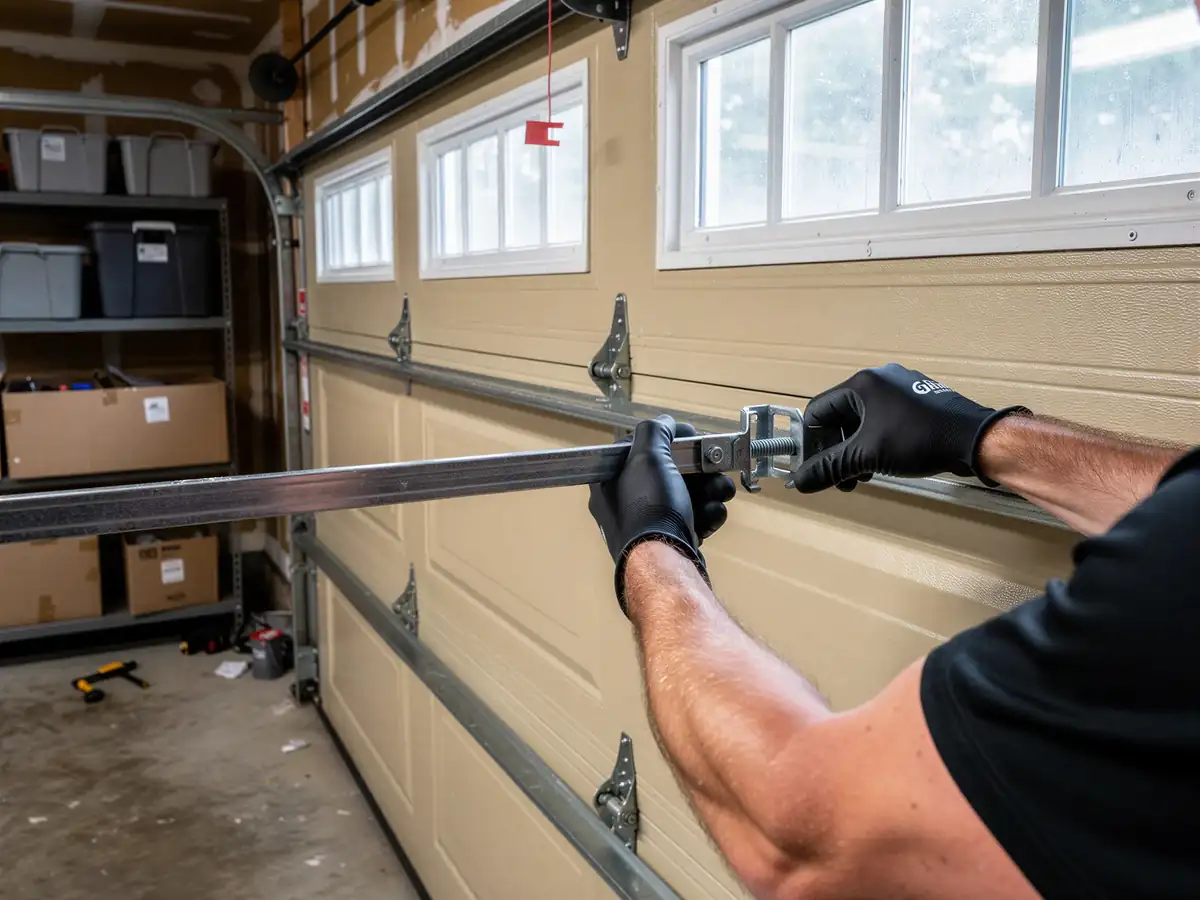
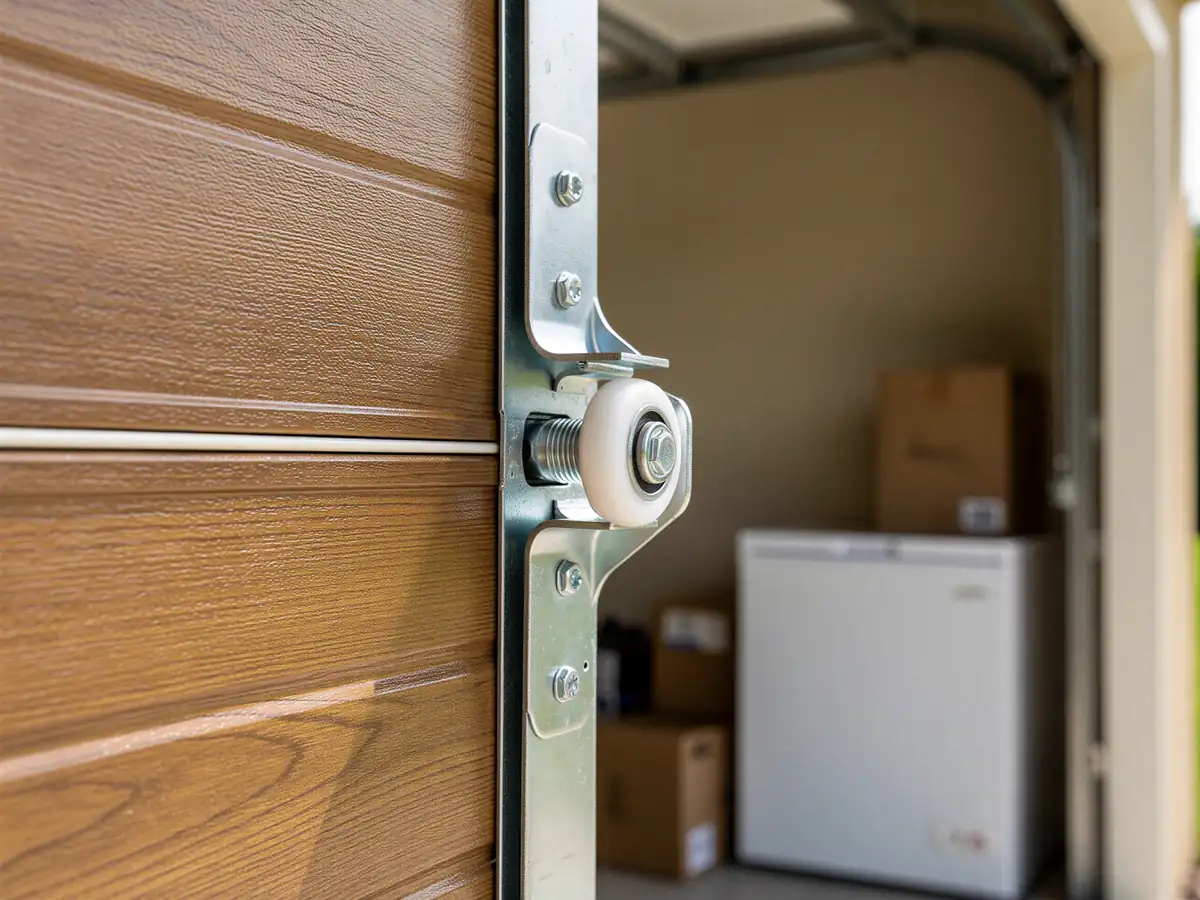
The 1997 median build year in Camden also tells you something about the region's weather exposure, since the service area overall sits in a cold-moderate climate band - not brutal winters, but enough freeze-thaw cycling and humidity swings to matter for garage door hardware. Steel doors from the late 90s generally came with better weatherstripping and tighter panel seams than the decade before, which helps against moisture working into seams and rusting out hinges over time. It doesn't make the hardware maintenance-free. Nylon rollers from a 1997 install are well past their expected service life by now, and the torsion spring on a door that age is a reasonable candidate for replacement before it breaks on its own, especially with the humidity swings this climate band brings. One honest limit: if a part on an older door is obsolete - certain spring sizes or an opener board nobody stocks anymore - we'll tell you replacement is the better call rather than chase a repair that won't hold.