The Cost of This Job
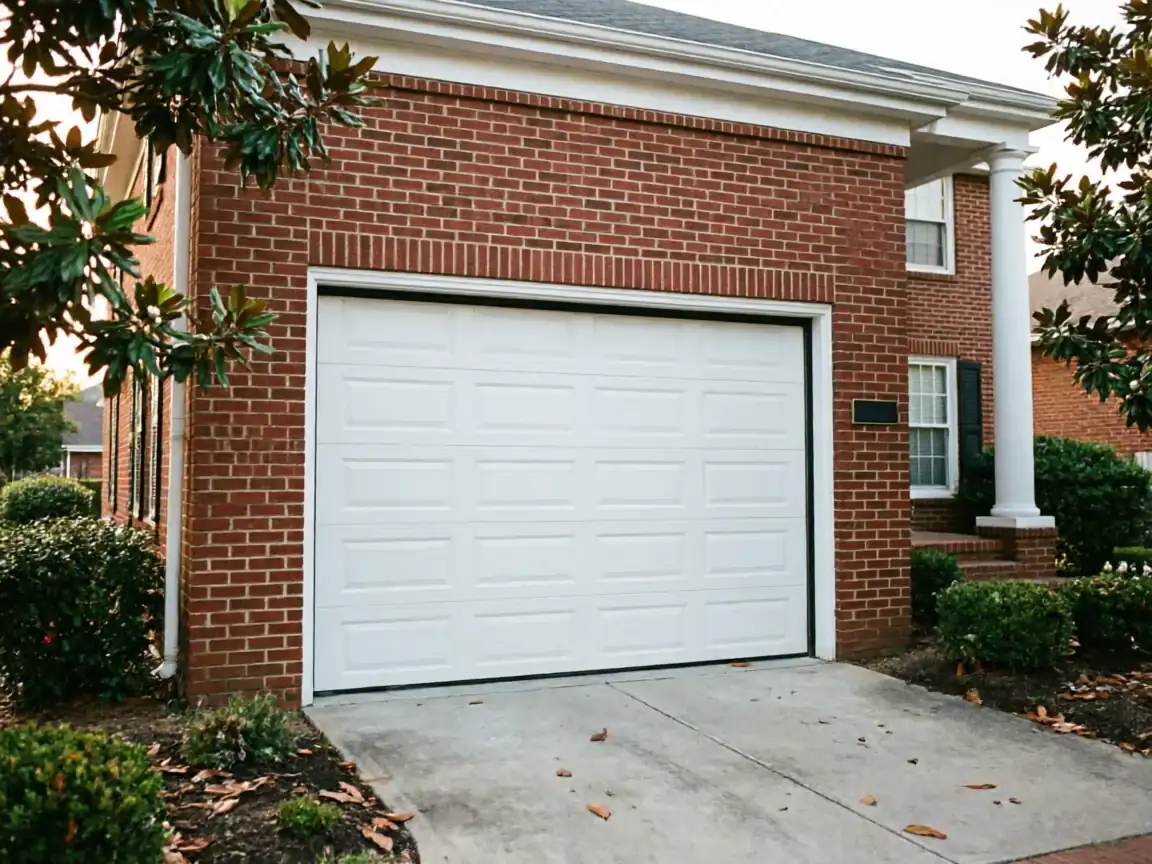
Most of the doors we replace panels on across the Chesapeake service area went up in the 1980s and 90s, but Camden sits later than that average, with a median build year closer to 1997. That ten-to-fifteen-year gap matters for a panel job. Later construction usually means wider standard door openings, factory insulation built into the panel skin rather than bolted on after, and steel gauge that's a notch different from the older stock we see closer to the city. We're not guessing at hardware when we quote a Camden job - we're pricing for what that era actually used.
Camden is also a smaller pocket than most of what we cover - about 393 households - and household income here runs higher than the service area median of $58,972, closer to $81,583. That doesn't change what a panel costs to manufacture, but it does shift what people tend to order: more insulated panel replacements, fewer bare single-skin swaps. We price the job the same way everywhere - by panel count, insulation type, and whether we're matching an existing run or replacing the whole section - but what Camden actually asks for skews toward the heavier option.
We travel from Chesapeake to reach Camden, about 35 miles each way, and that travel is part of any quote we give you - it's not hidden in a surprise line item.
How Long It Takes
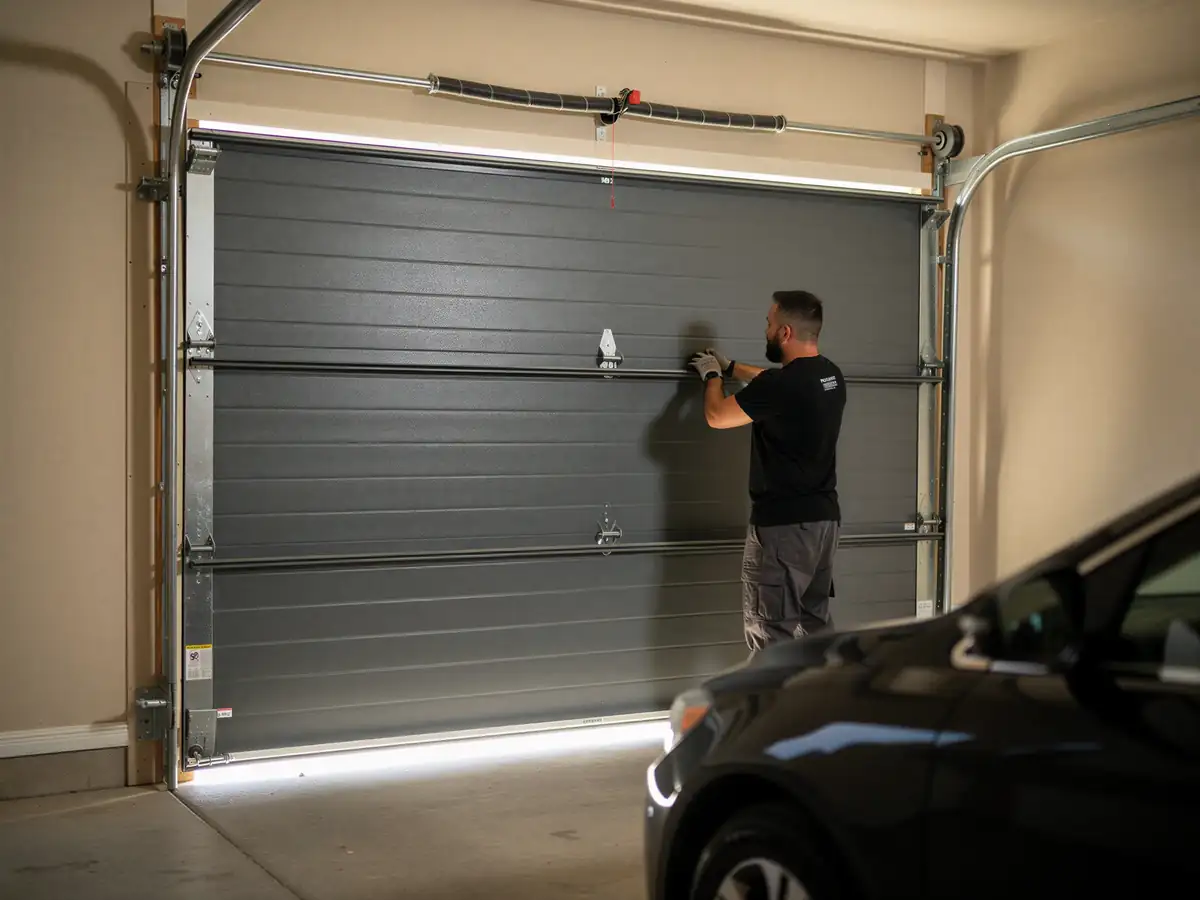
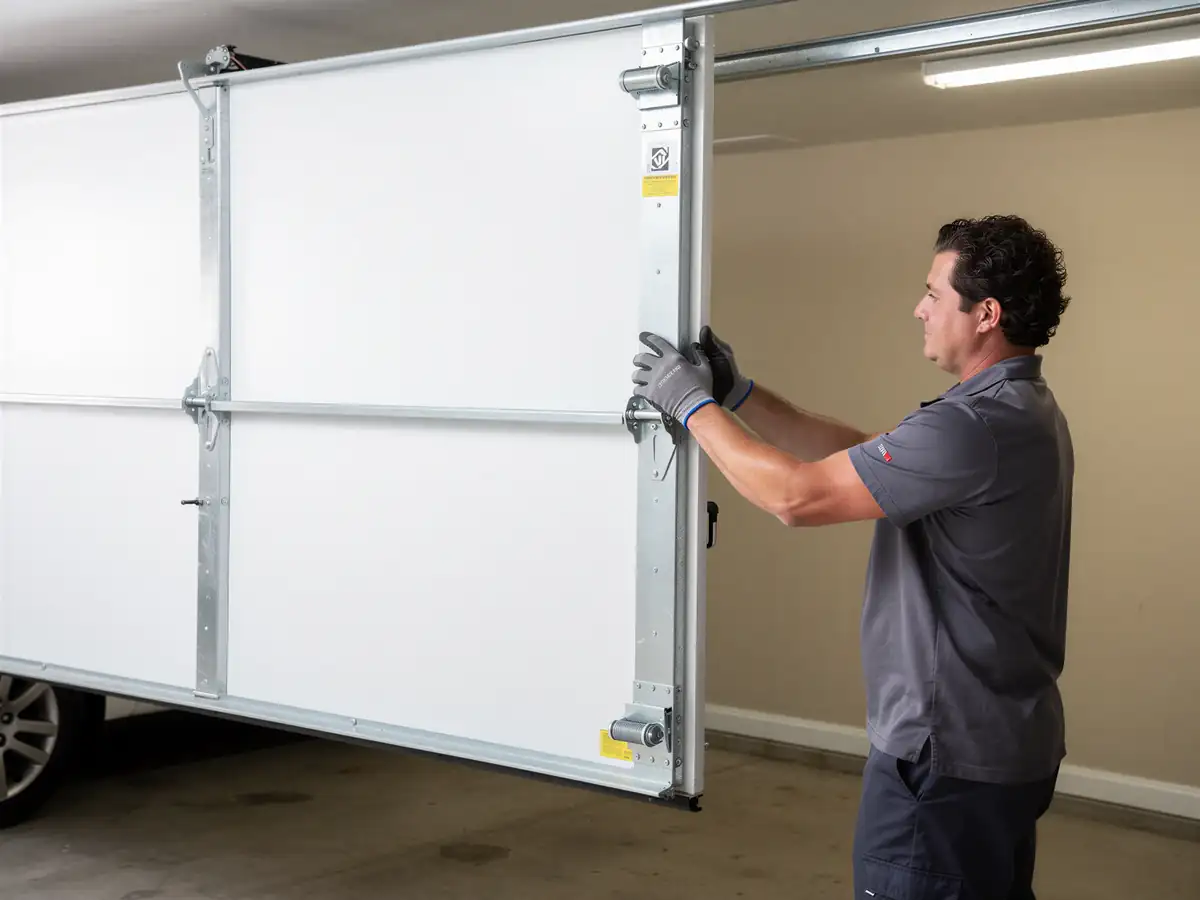
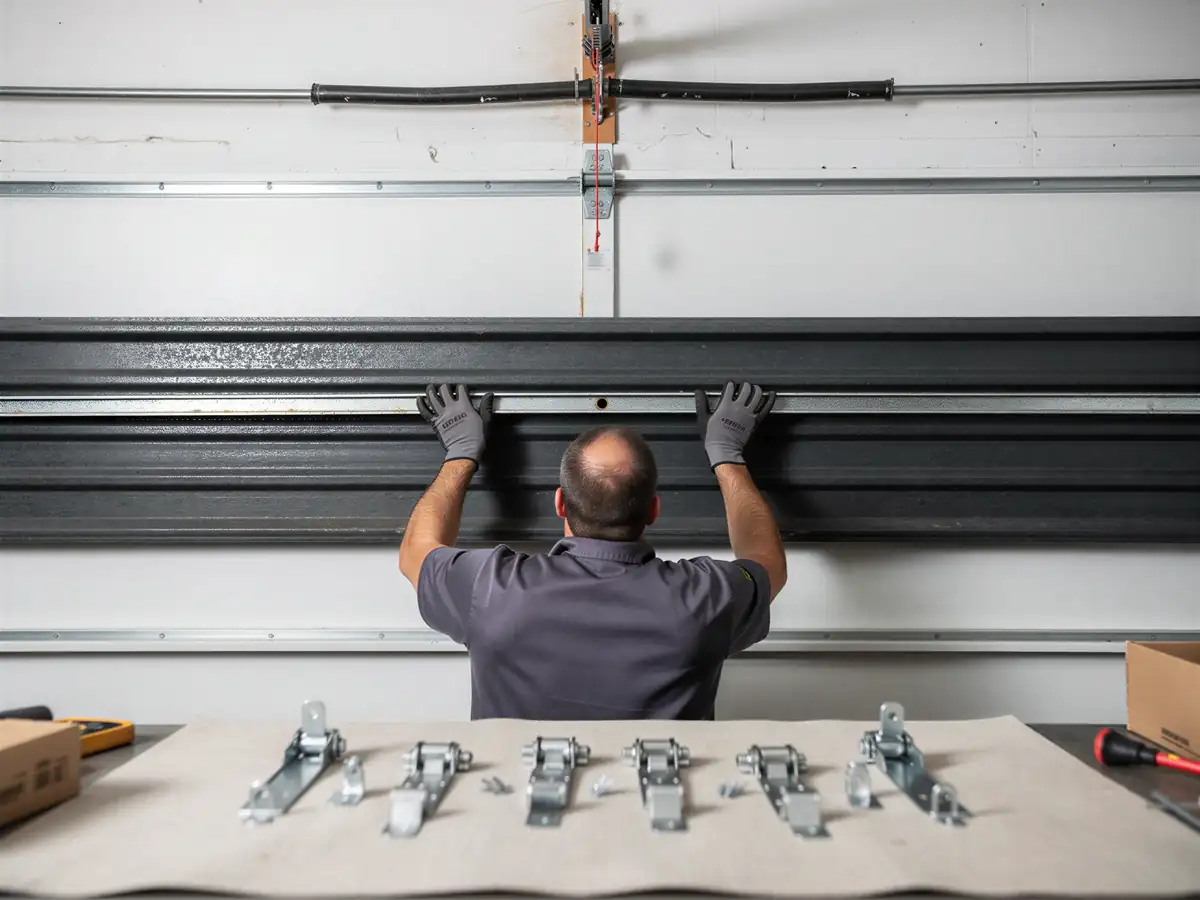
A single panel swap on a door this age is usually a half-day job once we're on site
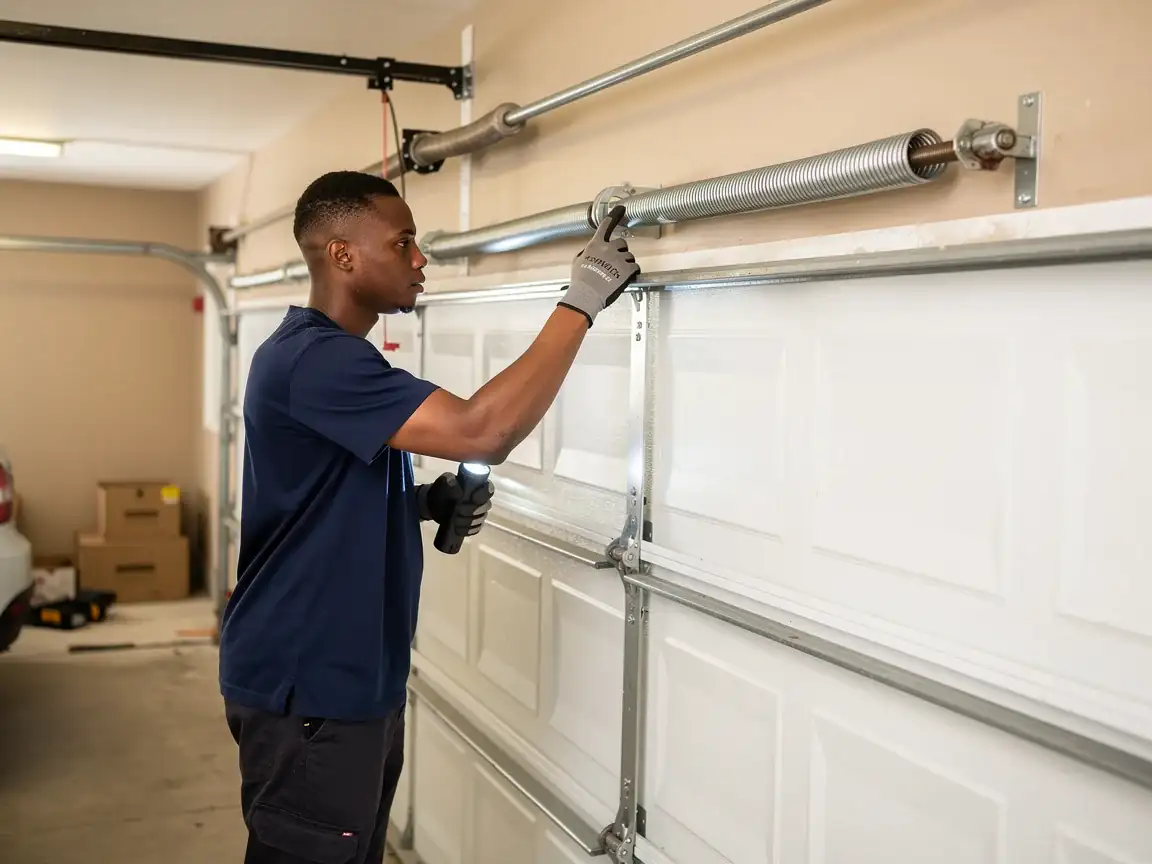
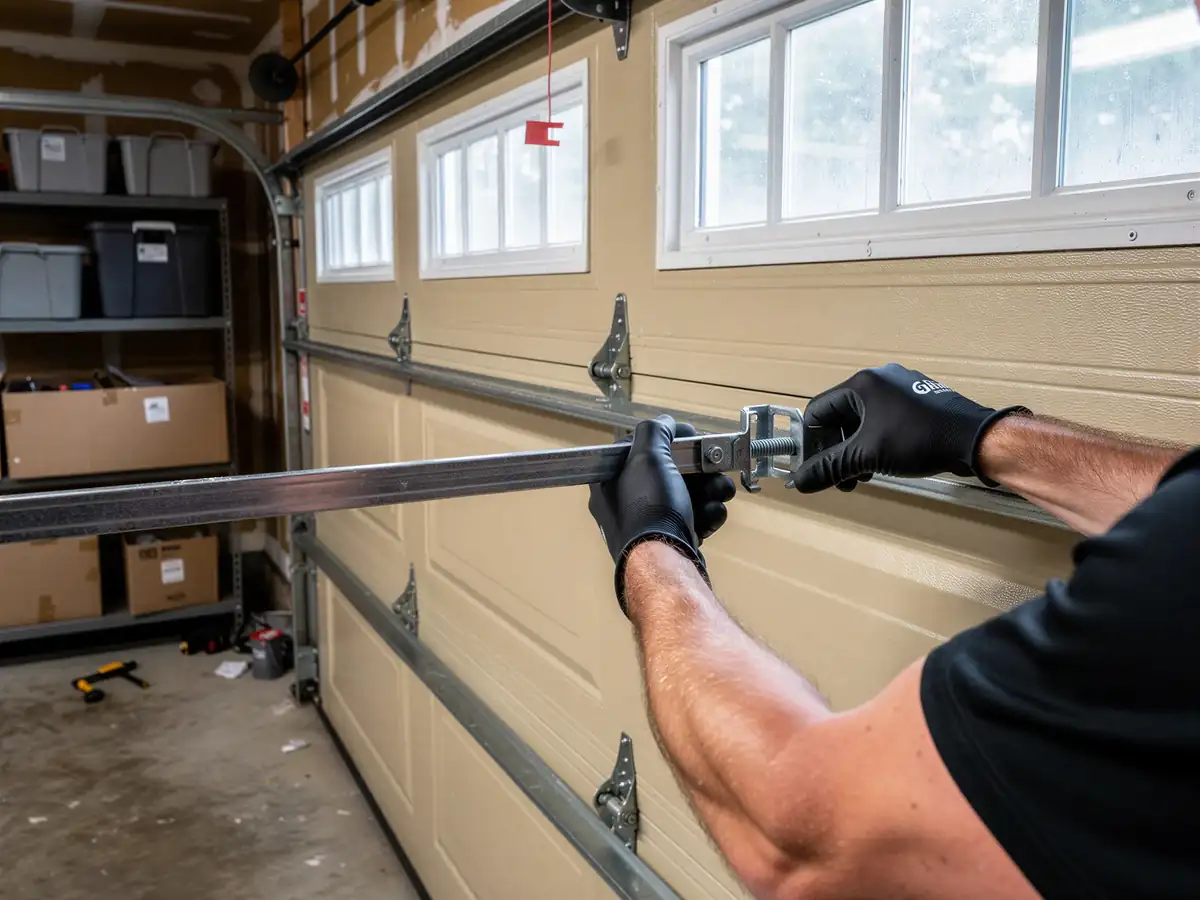
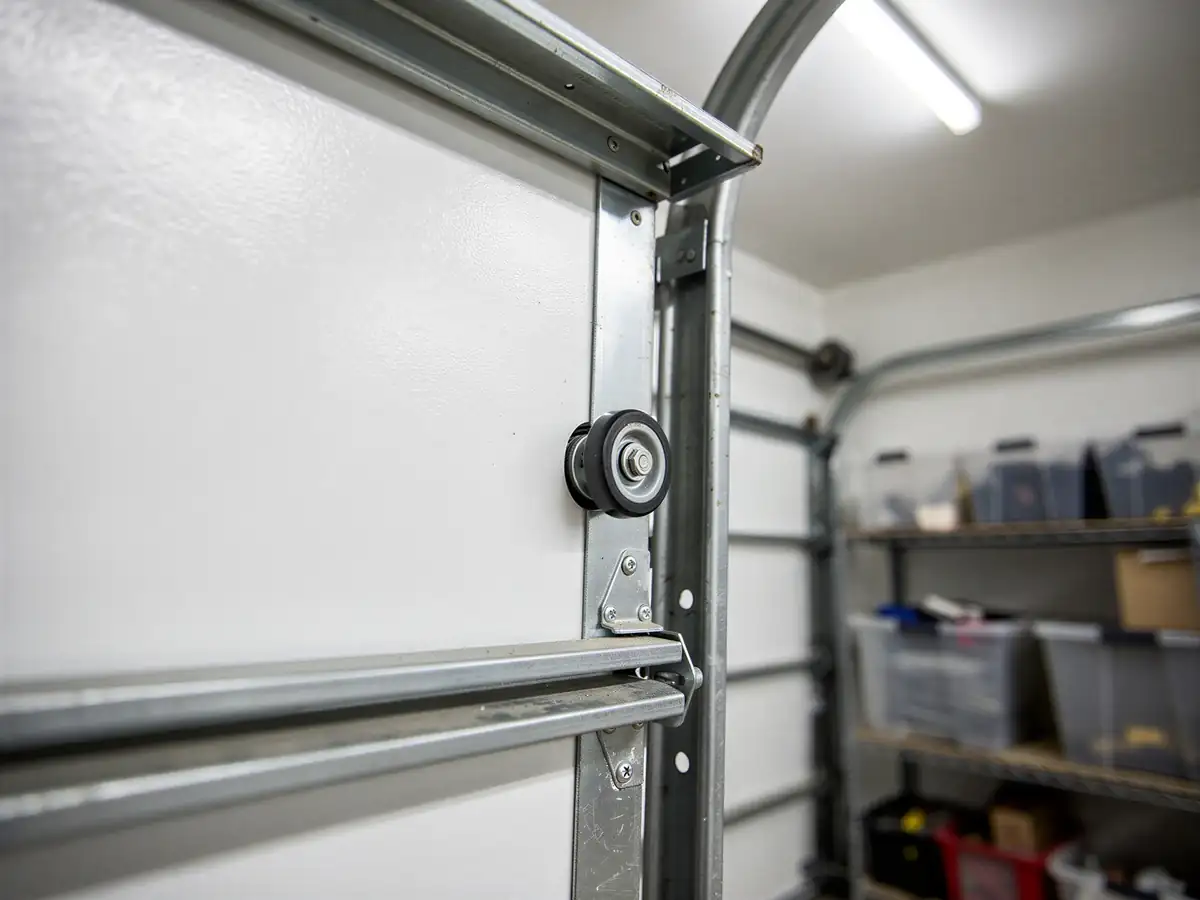
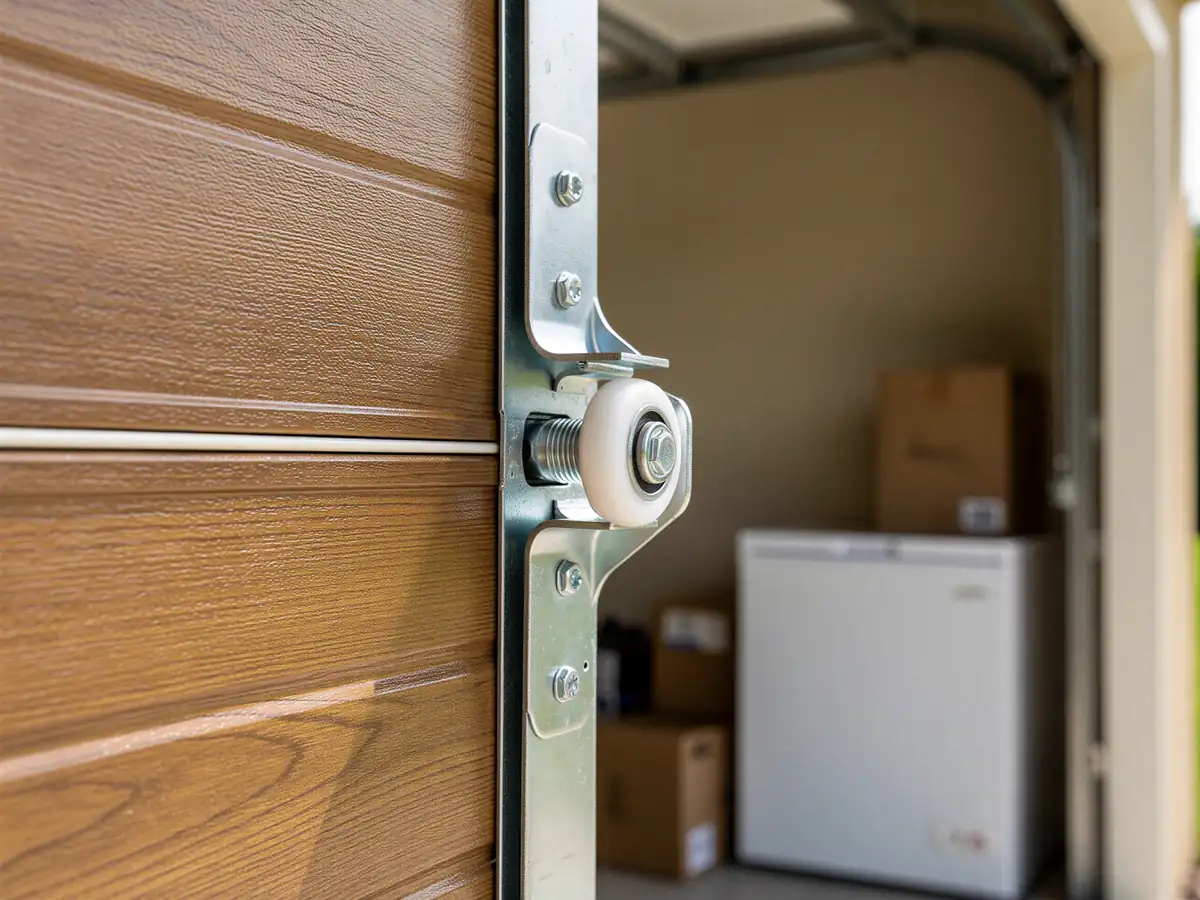
Unbolt the damaged section, swap it without pulling the whole door apart, reset the rollers and hinges that tie into it. Where Camden's later stock helps is panel availability: doors built around 1997 are more likely to still match a current manufacturer run than the older doors we see nearer Chesapeake, so we're less often stuck special-ordering a discontinued profile.
The variable that actually controls your timeline is the drive out, not the repair
Because Camden sits 35 miles from our shop, we schedule these jobs rather than treat them as same-day drop-ins. If you call and we already have a crew working somewhere between Chesapeake and Camden that day, we'll try to fold your job into that run. If not, you're looking at the next available slot, which we'll give you straight when you call - we don't pad it and we don't promise same-day.
- 35 miles
How to Book
Call and tell us the door's age if you know it, how many panels are damaged, and whether the door still opens and closes or is stuck. For Camden specifically, mention that you're outside the Chesapeake city line - it affects how we route the truck and lets us tell you honestly where you fall in the schedule rather than guessing. We'll ask for a couple of photos if you can send them; a straight-on shot of the damaged panel and one of the full door tells us more than a phone description ever does, and it lets us bring the right panel instead of discovering a mismatch on site.
We don't keep a branch or a standing crew in Camden - every job here is a dispatch from Chesapeake, 35 miles out, and we're upfront about that when we book. It means we batch Camden calls where we can, and it means the quote you get accounts for the drive.
Parts We Carry
We stock the panel profiles and insulation types that match construction from the 1980s through the late 90s, since that covers the bulk of what we see across the service area, Camden included. For a door built around 1997, that usually means we're carrying a compatible steel panel with polystyrene or polyurethane core on the truck already, not ordering it after we've seen the door.
Where we fall short is custom color matching and discontinued wood-composite panels - if your door is a less common profile or a finish that's been out of production a while, we'll need to order that section rather than swap it same-visit. That's the honest limit: we carry what fits most of what's out there, not everything that was ever installed. We'll tell you on the first visit if your door falls into that slower category so you're not waiting on a surprise.
Where This Job Goes Sideways
The panel swap itself is routine
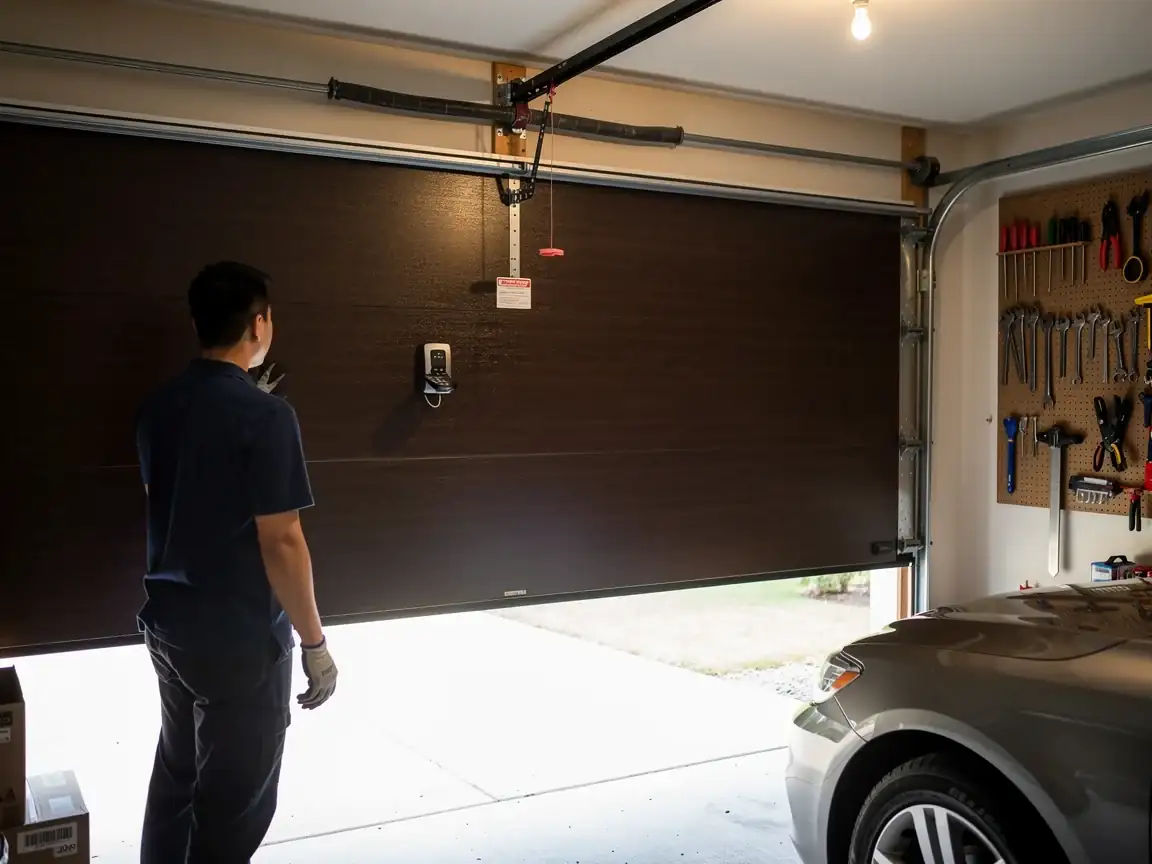
Where it gets complicated is when the damage isn't just cosmetic - a dented panel on a door this age can mean the track alignment shifted too, especially if whatever hit the door (a car, a falling branch, ice buildup in a cold snap) hit hard enough to bow the section. If the track's out of plumb, swapping the panel alone won't fix the symptom; you'll see it bind again within weeks.
The other place it goes sideways is matching
Even on a door built close to 1997, paint fades and finishes shift batch to batch, so a single replaced panel can look slightly off next to the rest of the door until it's repainted or the whole run is swapped. We'll flag that up front rather than let you find out after installation. And if more than two panels on a run are damaged, we'll usually tell you straight that full door replacement costs out better than panel-by-panel - we'd rather lose the add-on work than sell you three panel jobs that should've been one door.