The Cost of This Job
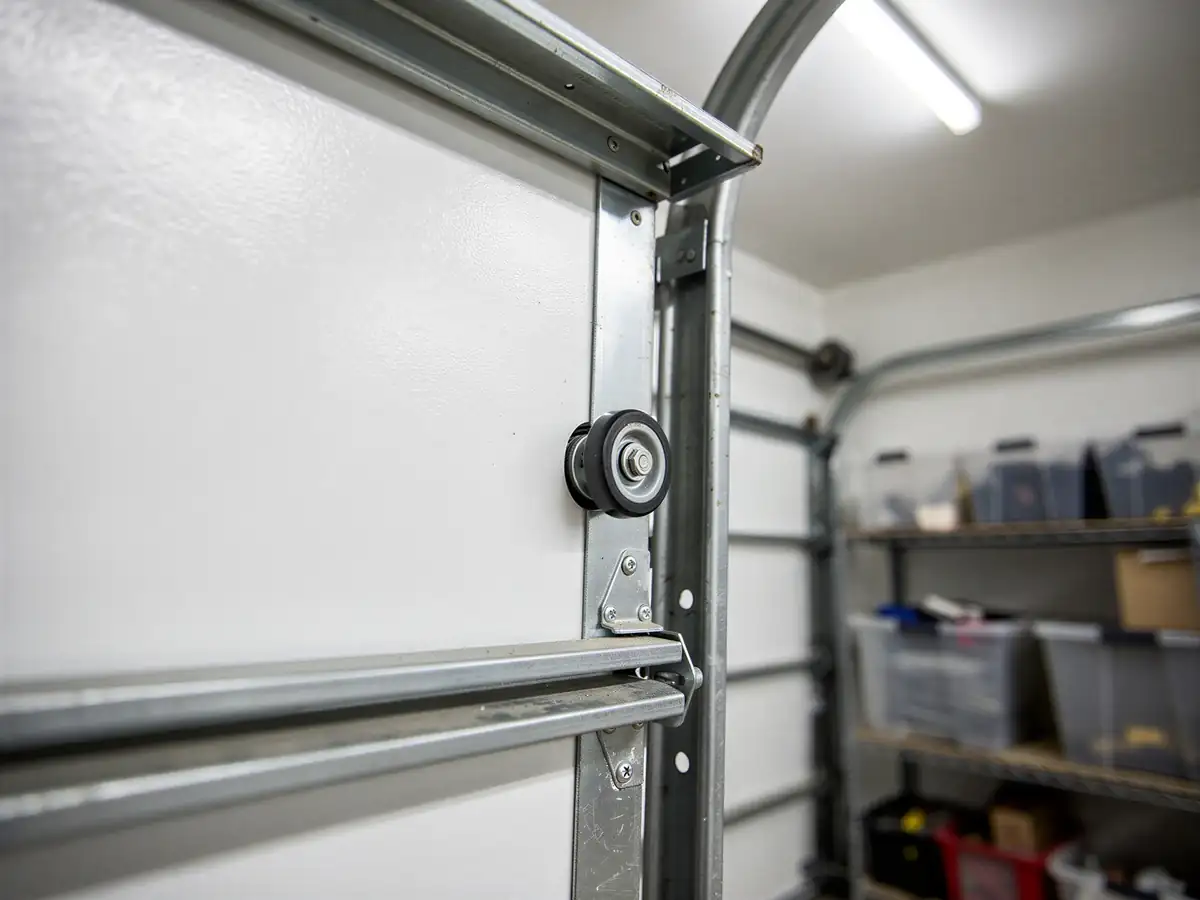
The fault we see most in Camden isn't a snapped cable or a dead opener - it's rollers that have gone from quiet nylon to grinding steel-on-steel, usually on doors that are cycling fine otherwise except for the noise and the occasional jump off the track at the bend. Homeowners call us when the door sounds like a shopping cart with a bad wheel, not when it's stuck shut.
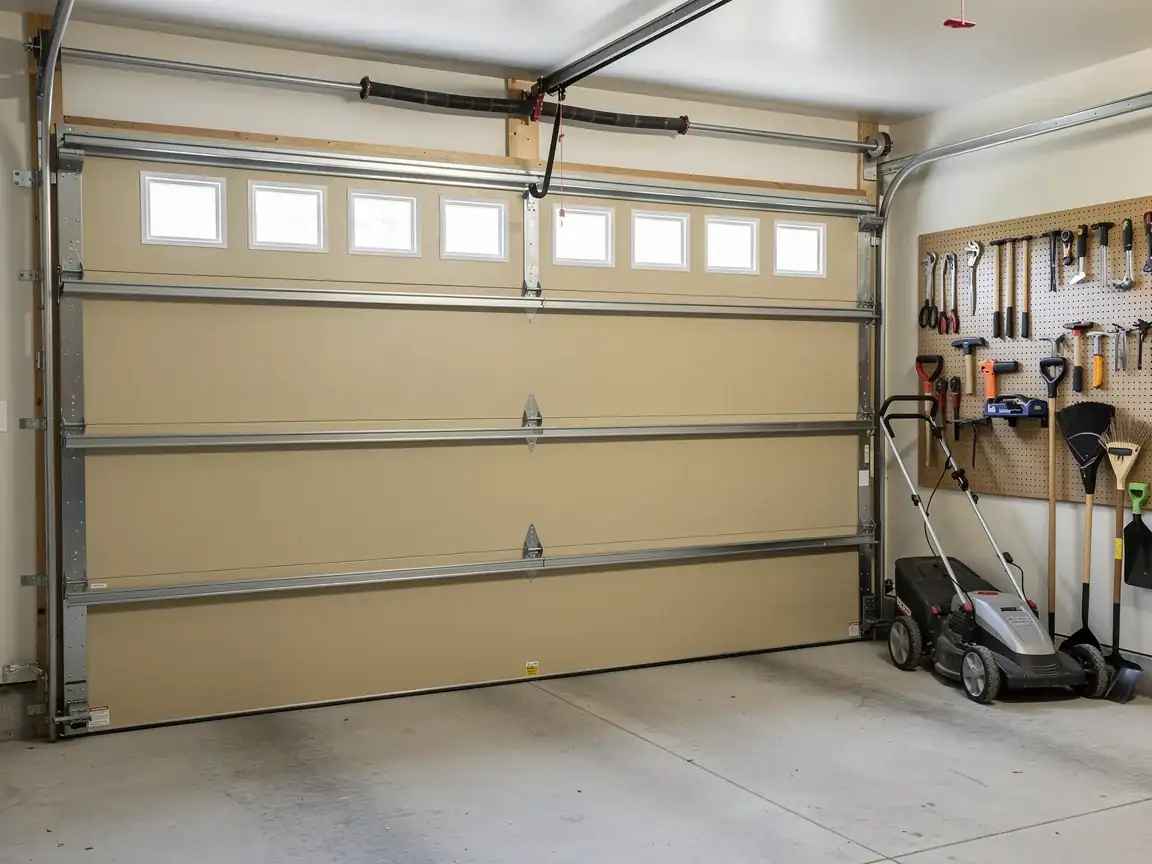
That fault pattern tracks straight back to the build year. Camden's housing stock centers on 1997, which puts most garage doors here a decade or two newer than what we see closer to Chesapeake, where 1980s and 90s stock dominates. Newer doors mean 10-roller or 7-roller nylon-stem setups rather than the all-steel rollers common on older tracks, and that nylon wears at a different rate and fails in a different way - stems crack, the roller face flattens, the door starts to bind in the last foot of travel.
We don't price the job over the phone sight unseen, because a worn roller set on a light single door costs less than the same job on a heavier insulated double, and we won't quote a number we can't stand behind once we're looking at the actual track and hardware.
How Long It Takes
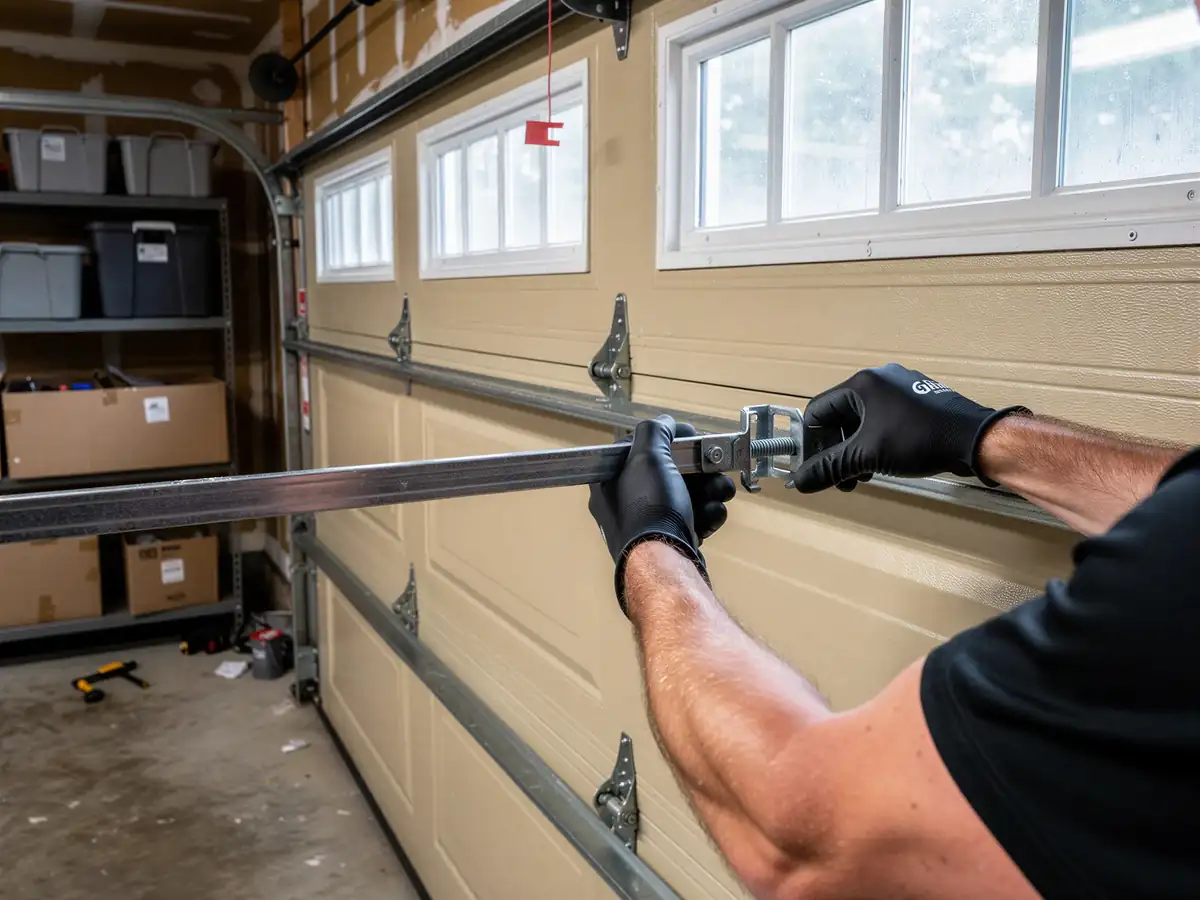
A straight roller swap on a residential door, once we're on site, usually runs under two hours
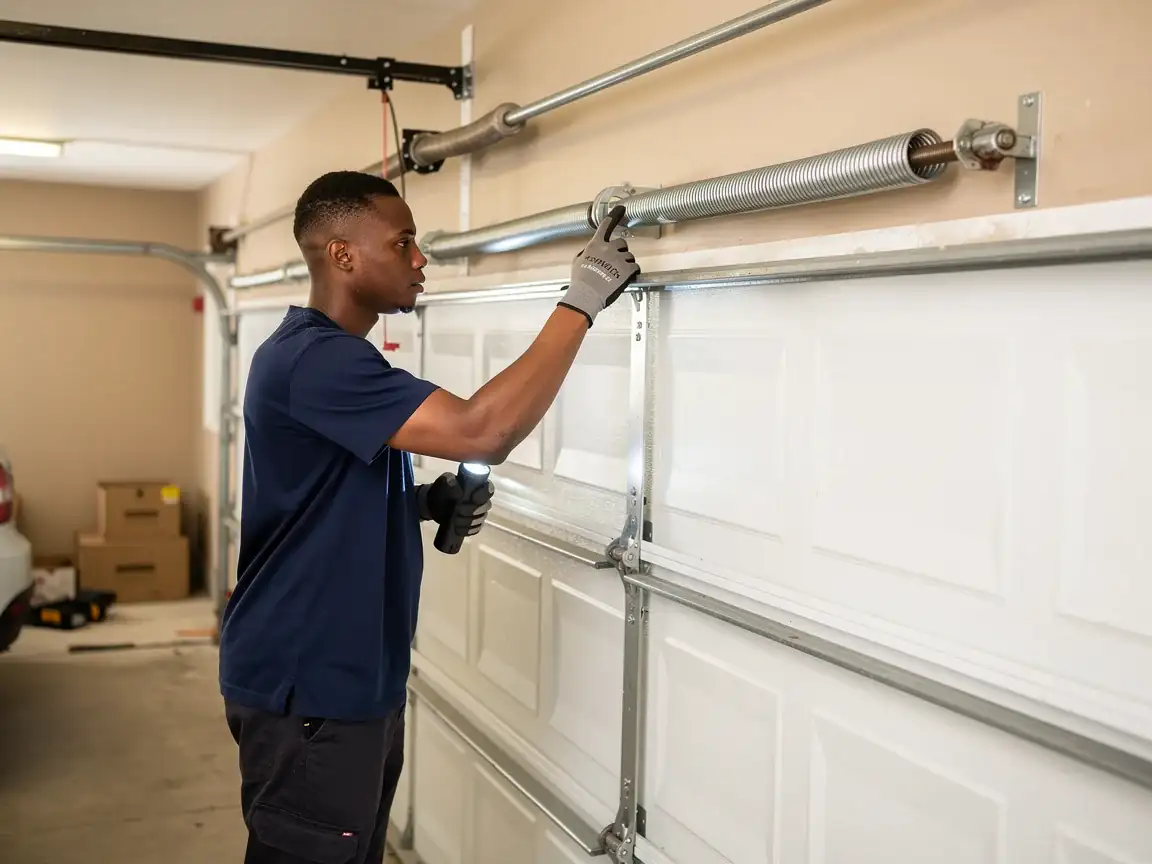
Pull the old rollers, run new ones in, check the track alignment, cycle the door a few times to confirm it's quiet and square. Add time if the track itself has worn a groove from years of a bad roller grinding against it, which we do see on doors from the late 90s that have never had the rollers touched.
Camden sits about 35 miles from our shop in Chesapeake
Which is farther than most of the area we cover day to day. We factor that drive into scheduling rather than into the repair time itself - the job on the door is the same length whether we're three miles out or thirty-five. We just ask for a little more flexibility on the appointment window out this way so we can group it sensibly with other calls.
- 35 miles
How to Book
Call or book through our site and tell us what you're hearing - a grinding sound, a door that jumps at one spot in the track, rollers that look flat on one side when you look up at them. That tells us more than the brand of your opener. Because Camden is a longer trip for us, we schedule roller jobs out here in blocks rather than same-day, so the more detail you can give us up front about the noise and when it started, the better we can get the right rollers on the truck the first time.
Parts We Carry
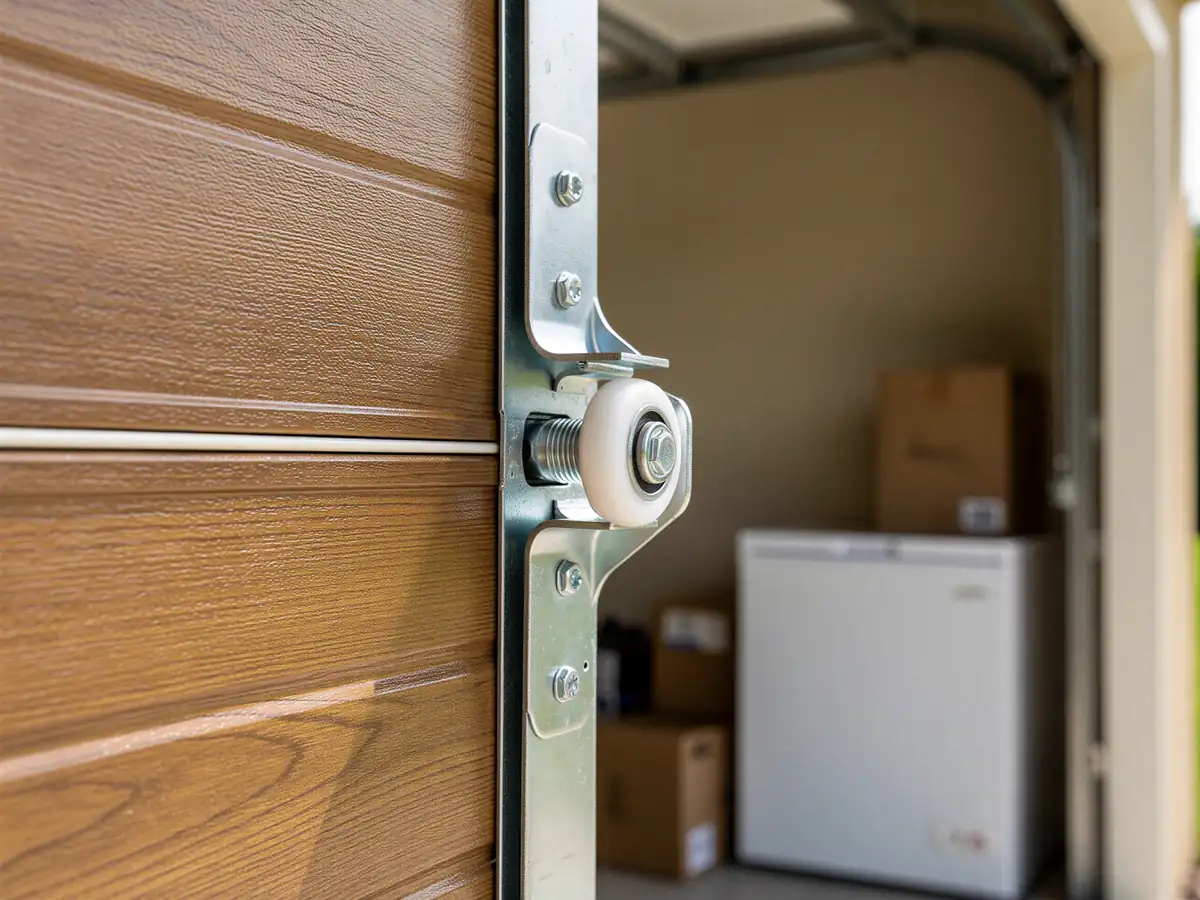
For Camden's newer doors we stock nylon-stem rollers in the common stem lengths and weight ratings used on late-90s residential tracks, plus sealed-bearing versions for owners who want less noise long term and don't mind paying a bit more up front. We carry steel rollers too, but they're less common a fit here than they are on the older doors closer to Chesapeake.
One honest limit: if your track has been running on a bad roller long enough to warp or groove, a roller swap alone won't fix the noise - you need the track straightened or replaced alongside it, and we'll tell you that on site rather than sell you rollers that won't solve the problem.
Where This Job Goes Sideways
The job goes sideways when a roller problem actually started as a spring or hinge problem
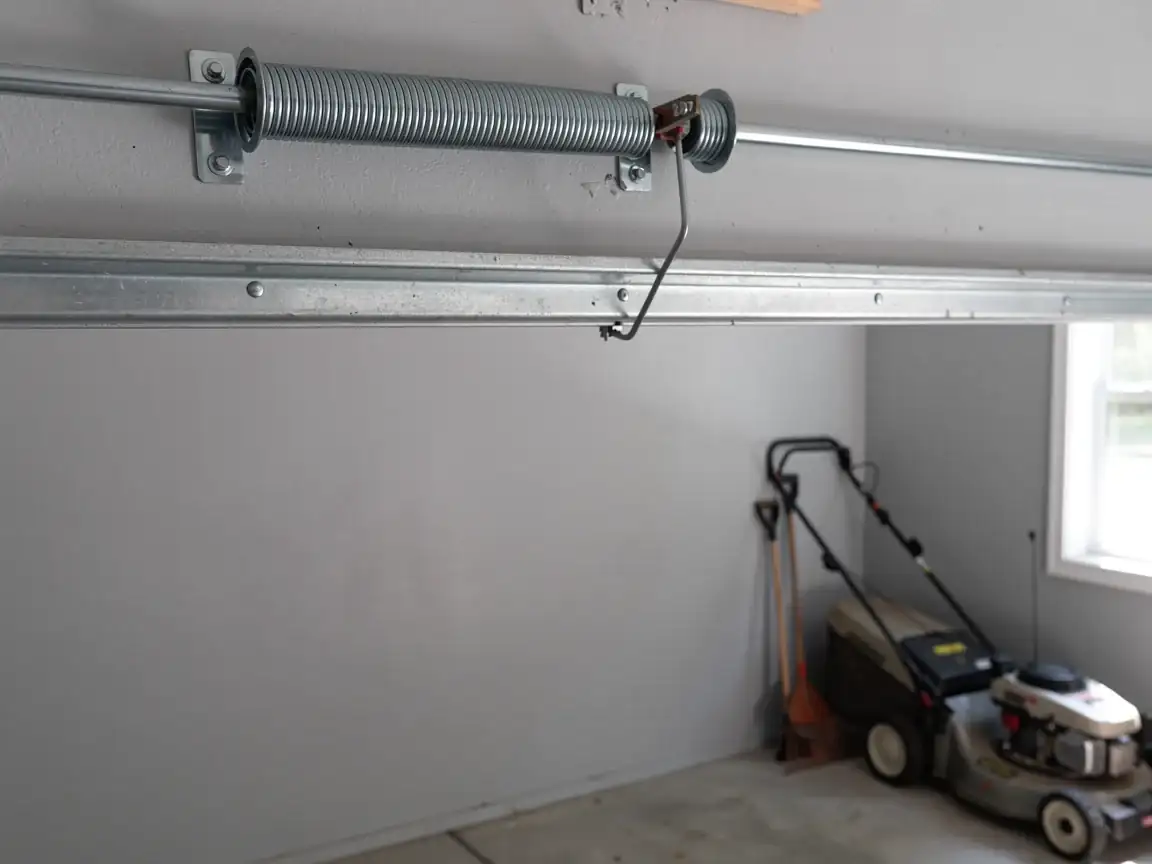
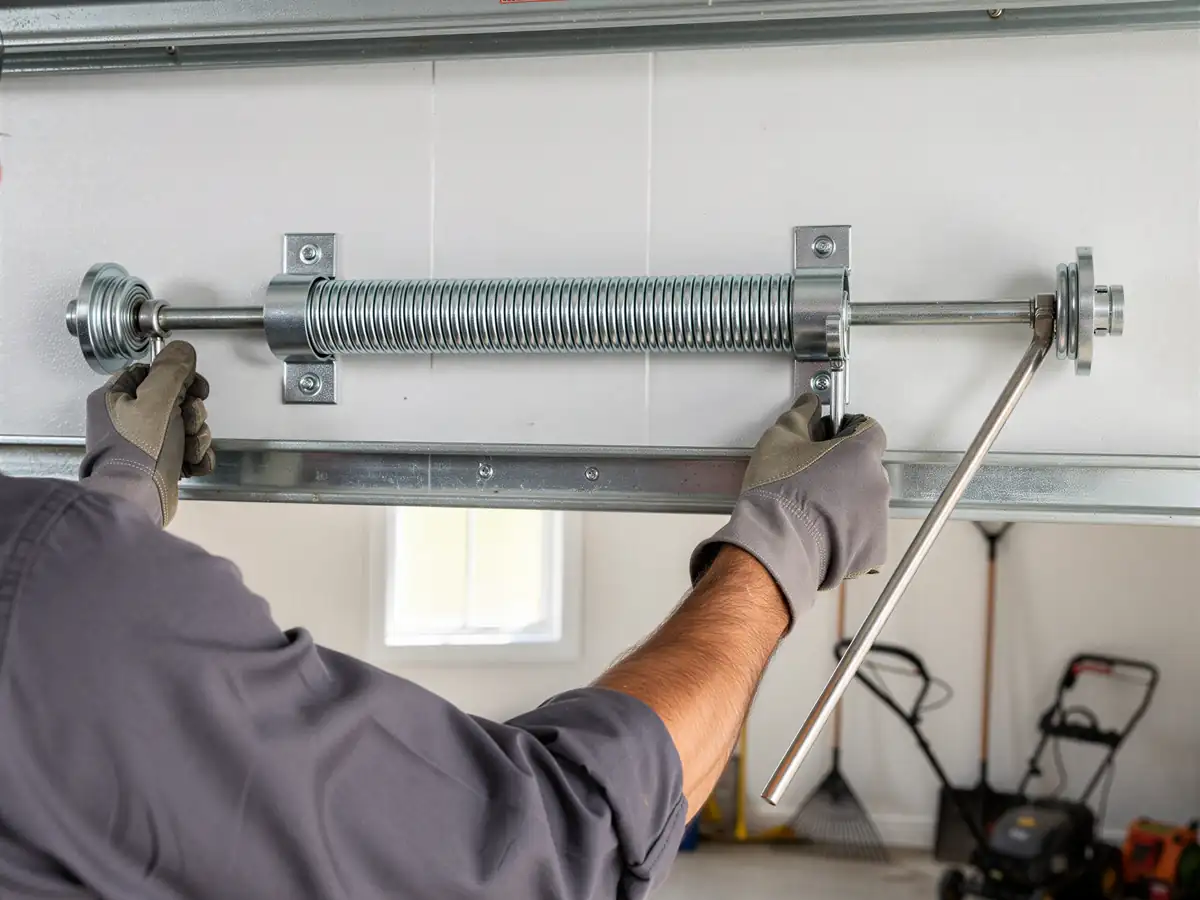
A failing roller can mask a sagging spring that's letting the door drop unevenly, which puts extra load on the rollers at one end of the track and wears them out fast and unevenly. Swap the rollers and ignore the spring, and you're back out here again in a year with the same complaint.
The other way it goes sideways is cold-weather binding
This part of Virginia sits in a moderate cold climate band, not a severe one, but winter mornings still stiffen nylon rollers enough that a door that's quiet in July can grind in January. If you're only hearing the noise on cold mornings, that's worth mentioning when you call - it changes what we check first.