How Long It Takes
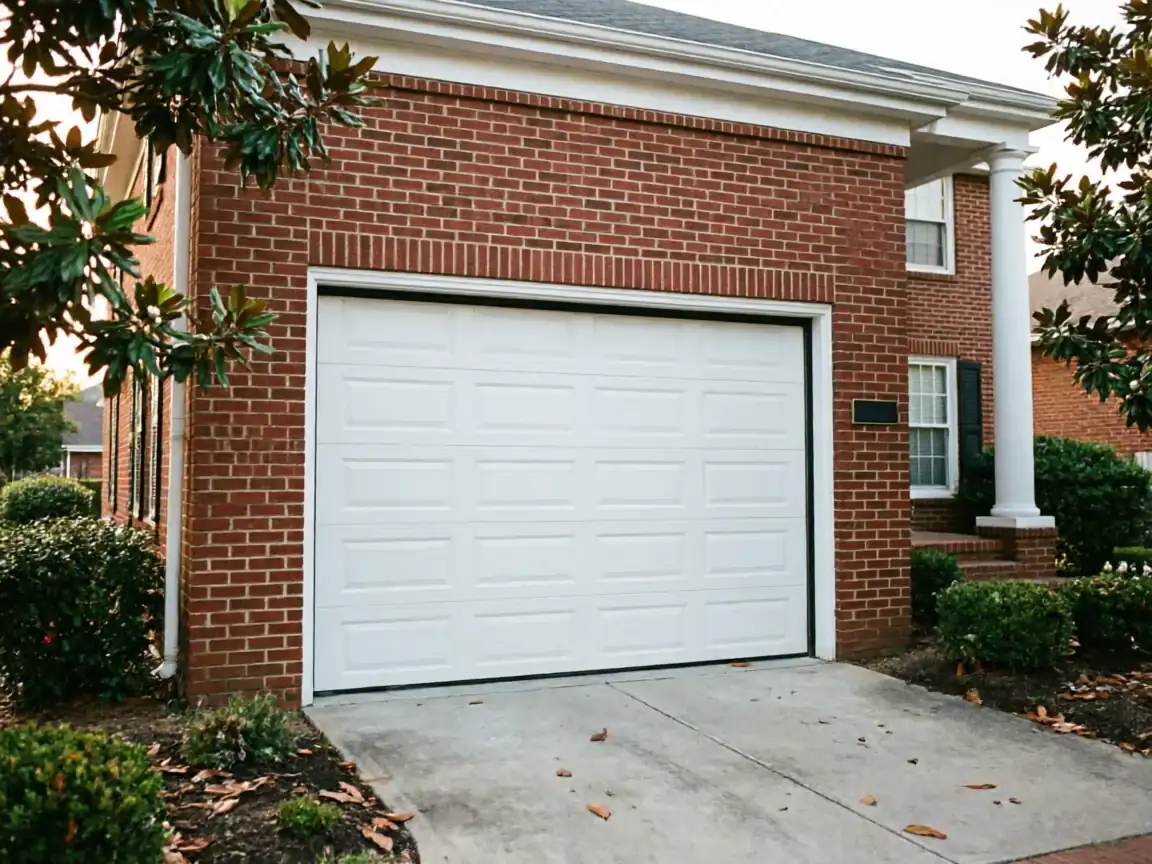
Portsmouth's housing stock centers on 1966, which puts it well ahead of the 1980s-90s builds that make up most of the rest of our service area. That gap matters for installation day. Openings framed in the mid-60s were often cut for single-layer steel or wood doors with less headroom than later tract housing, and the jamb and header dimensions don't always match what comes standard on a new door off the shelf today. We measure the actual opening before we quote anything, because a door that fits a 1990s garage won't always drop straight into a 1966 Portsmouth one without trim work on the jambs or an adjusted track radius for low headroom.
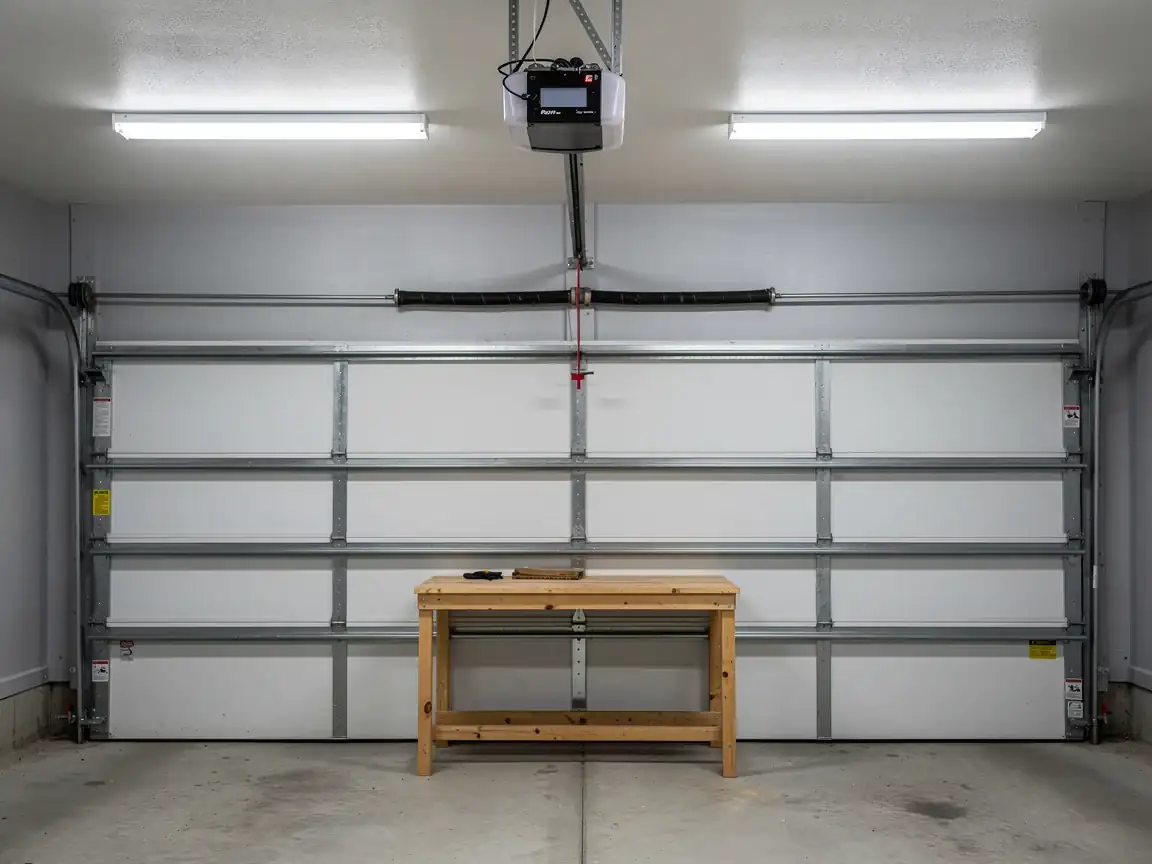
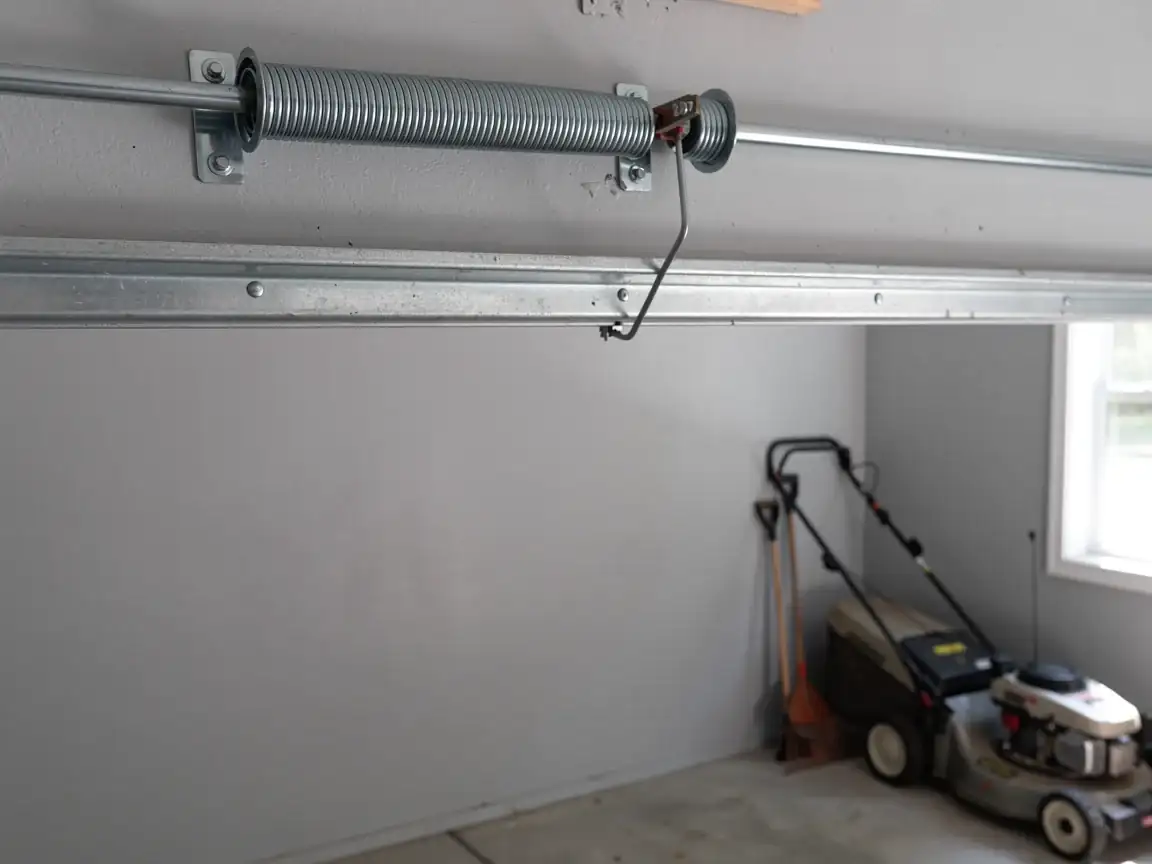
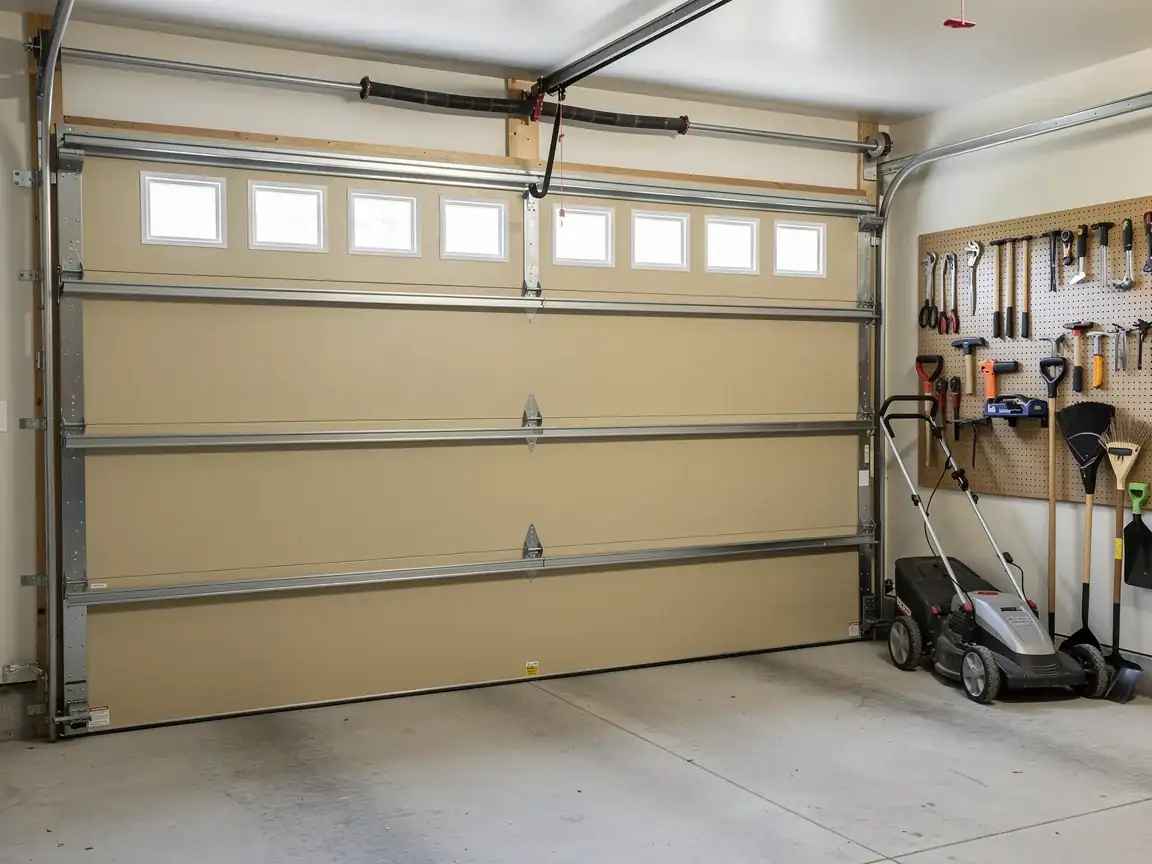
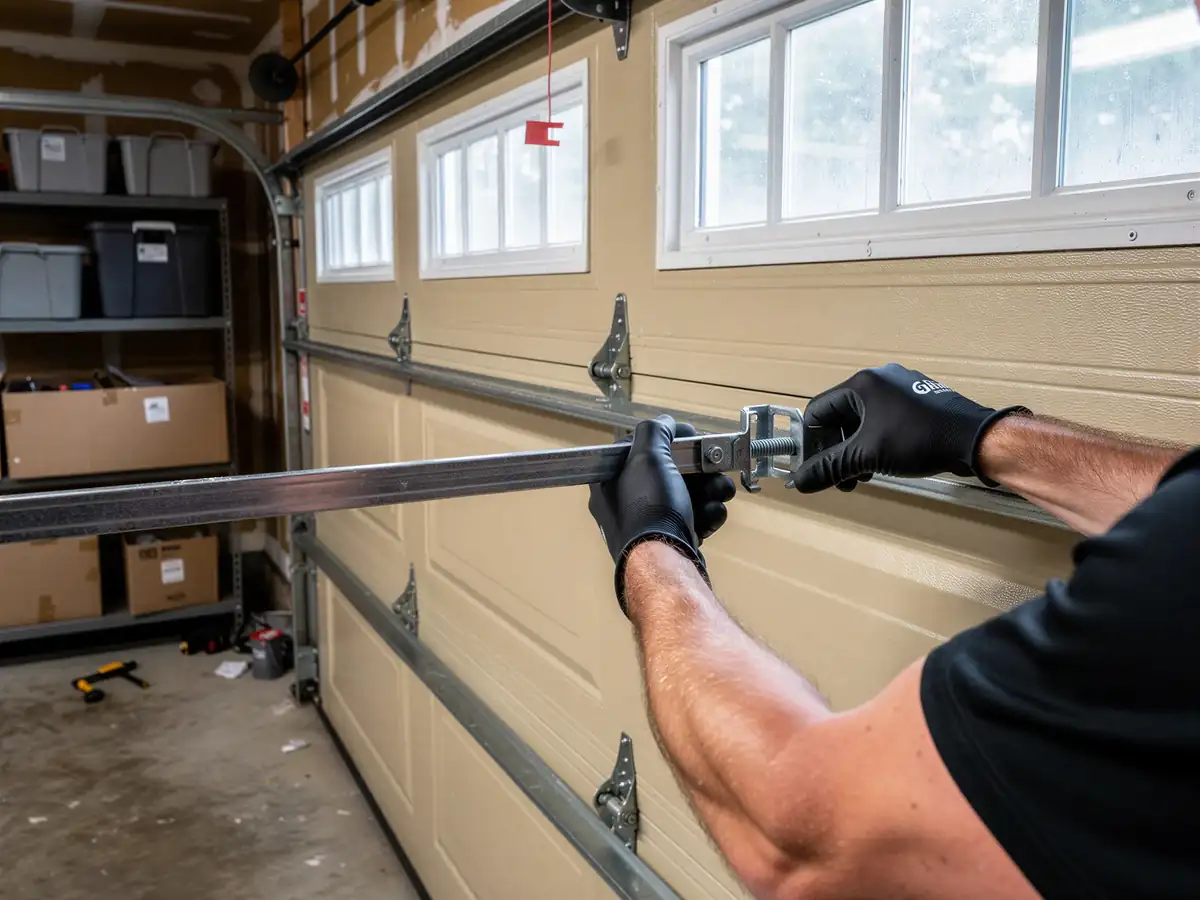
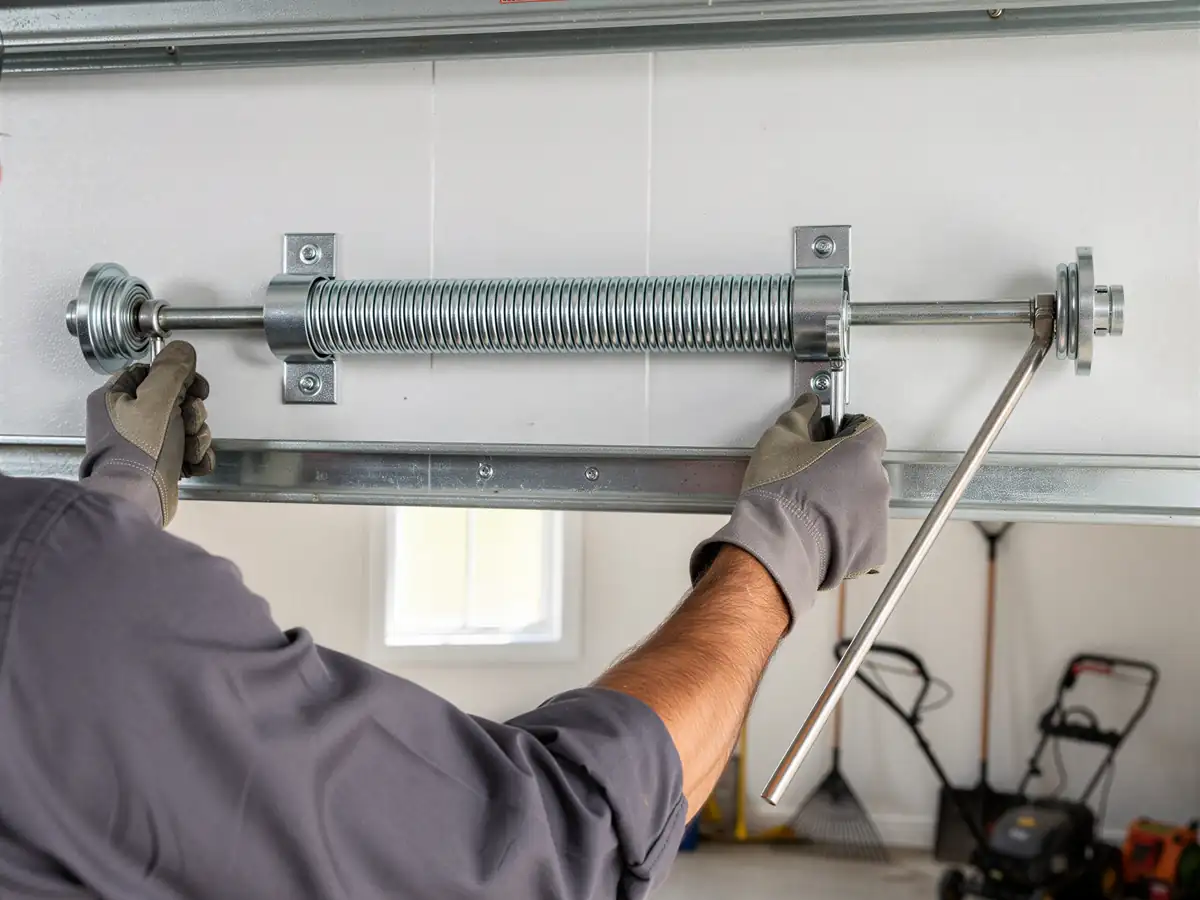
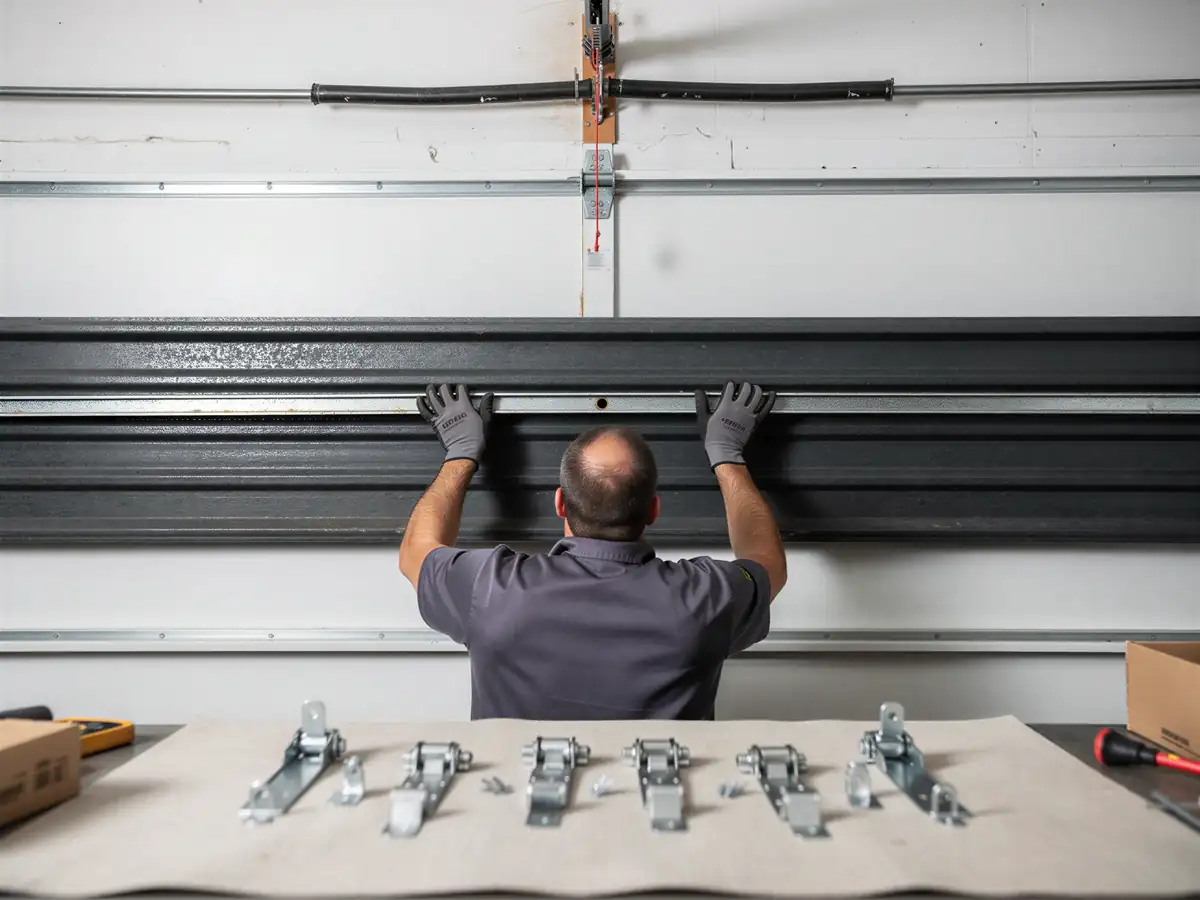
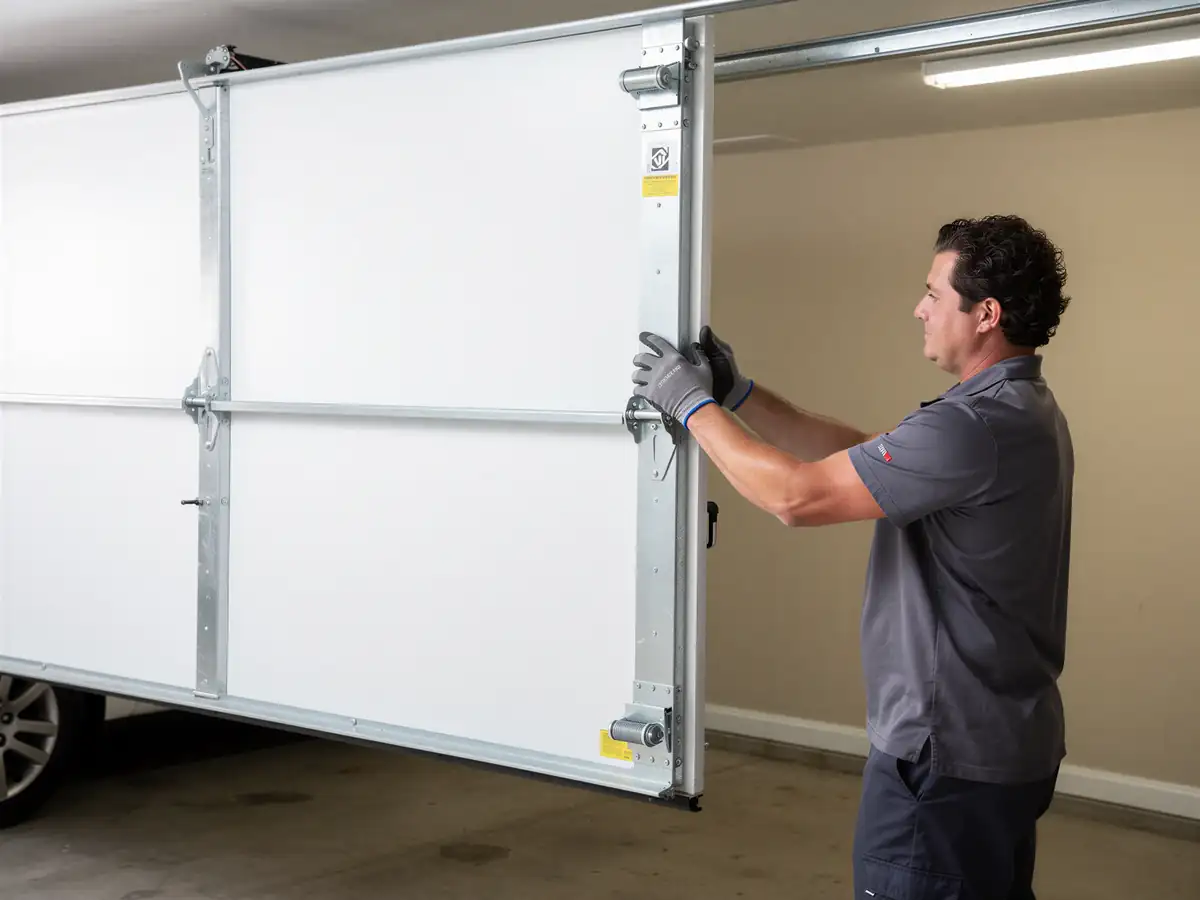
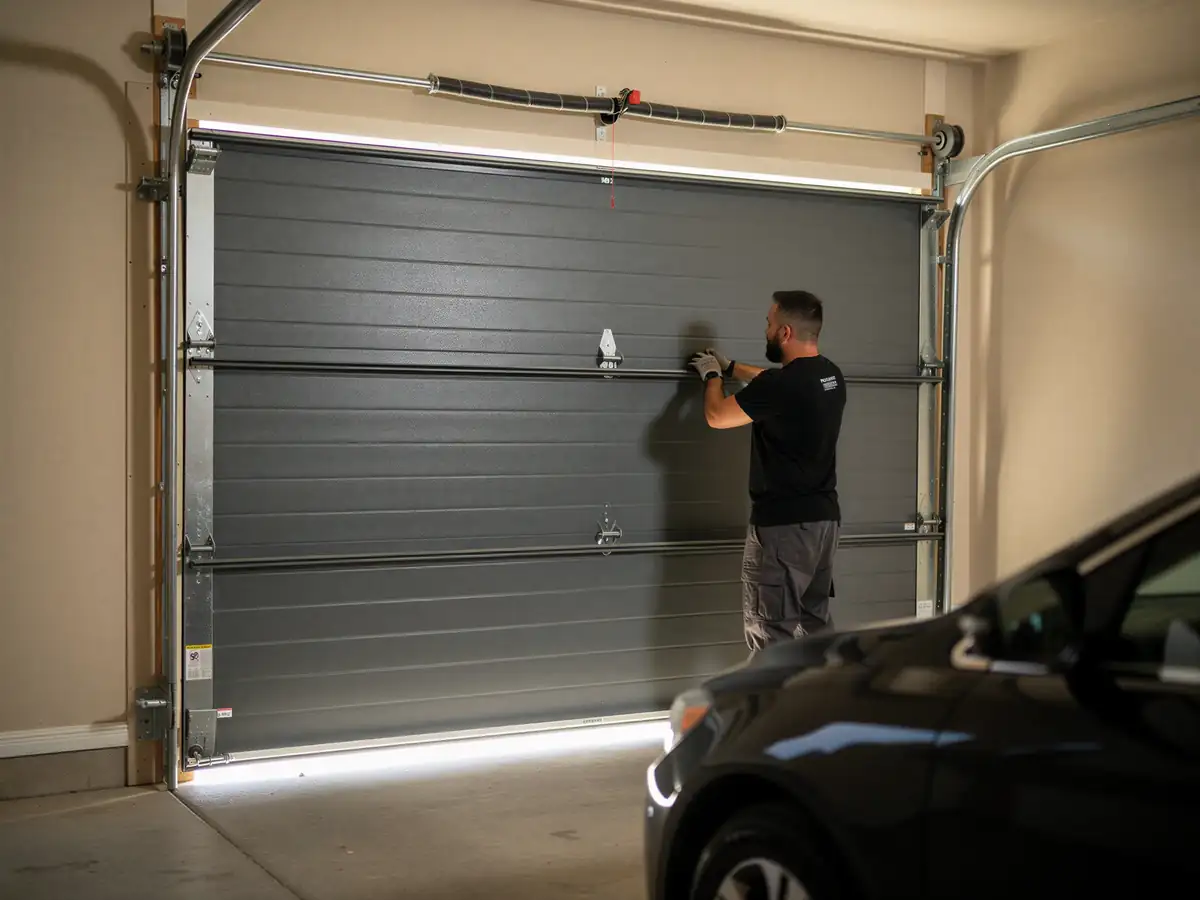
A straightforward swap - same size opening, standard torsion spring, no header rebuild - is a one-day job once the door is on the truck. If the opening needs jamb extensions, header reinforcement, or a low-headroom track kit because of the shorter overhead clearance common in that era of construction, plan on the install running longer, and in a few cases a second visit once the correct low-clearance hardware is confirmed and ordered. We come from Chesapeake, about 13 miles out, so we schedule the trip rather than dropping in same-day on a whim.
How to Book
Call or use the contact form linked below and tell us the rough age of the house and whether the door you have now is original
That single detail tells us more about what we're walking into than almost anything else, given how much Portsmouth's 1966-era openings differ from the newer stock elsewhere in the area. We'll ask for the opening width and height, and if you can, a photo of the track and the header above the door.
Because we run out of Chesapeake, we book the trip rather than send a truck on standby
So give us a couple of days' notice where you can. If the door is original to a 1966 build, we'll usually ask a few more questions up front about headroom and spring type before we quote, since that's where the surprises hide on houses from that era.
What the Repair Takes
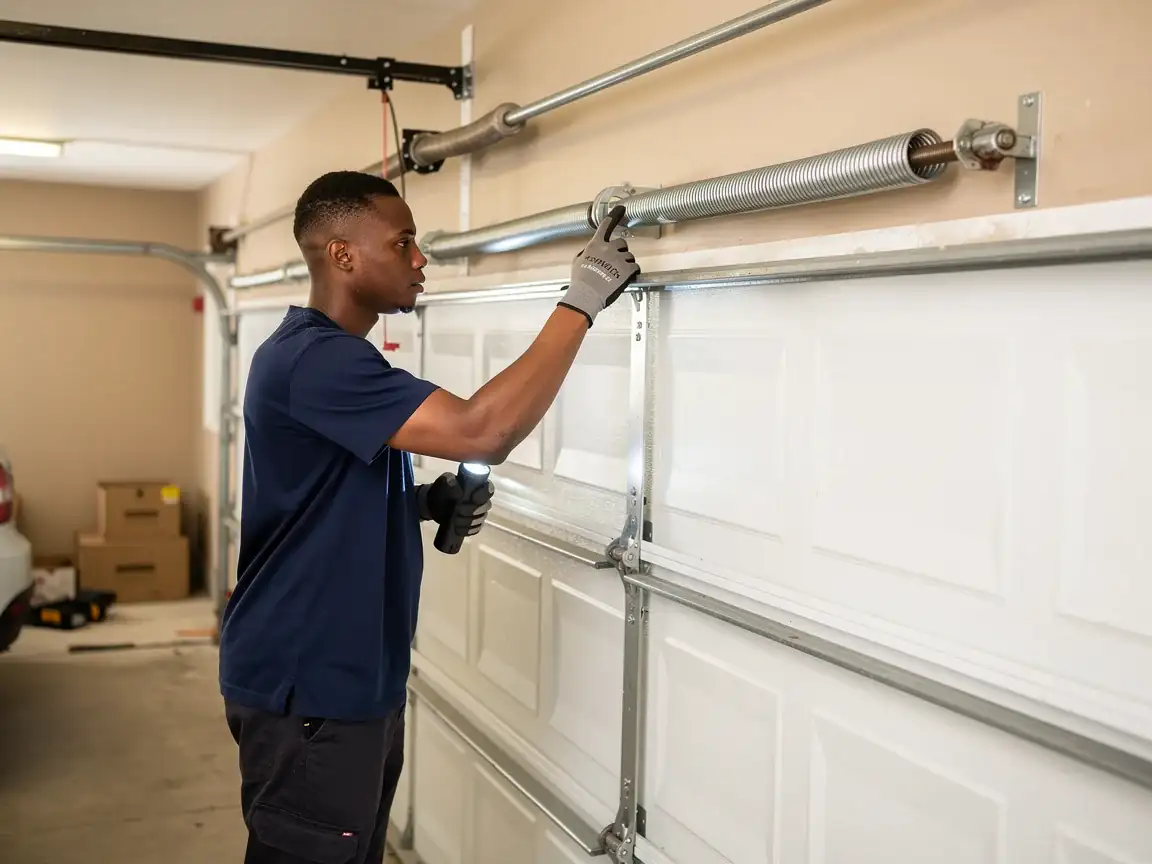
On a house built around 1966, the old door is more often than not the original, or a direct steel replacement from decades back, sitting on a torsion or extension setup sized for hardware that isn't on the shelf anymore. Pulling that out means dealing with whatever's behind it - track brackets lag-bolted into framing that's aged 60 years, header wood that may need a plate before a new spring anchor goes in, or a jamb that's shifted enough that a standard door won't sit square without shimming.
We pull the old door and track as one job, check the opening square and header strength, and set the new door and hardware to match what the house can actually take - not just what's printed on the box. Honest limitation: if the header's rotted or undersized for a new door's spring load, that's carpentry, not garage door work, and we'll tell you to get that fixed first rather than hang a door on a header that won't hold it.
Parts We Carry
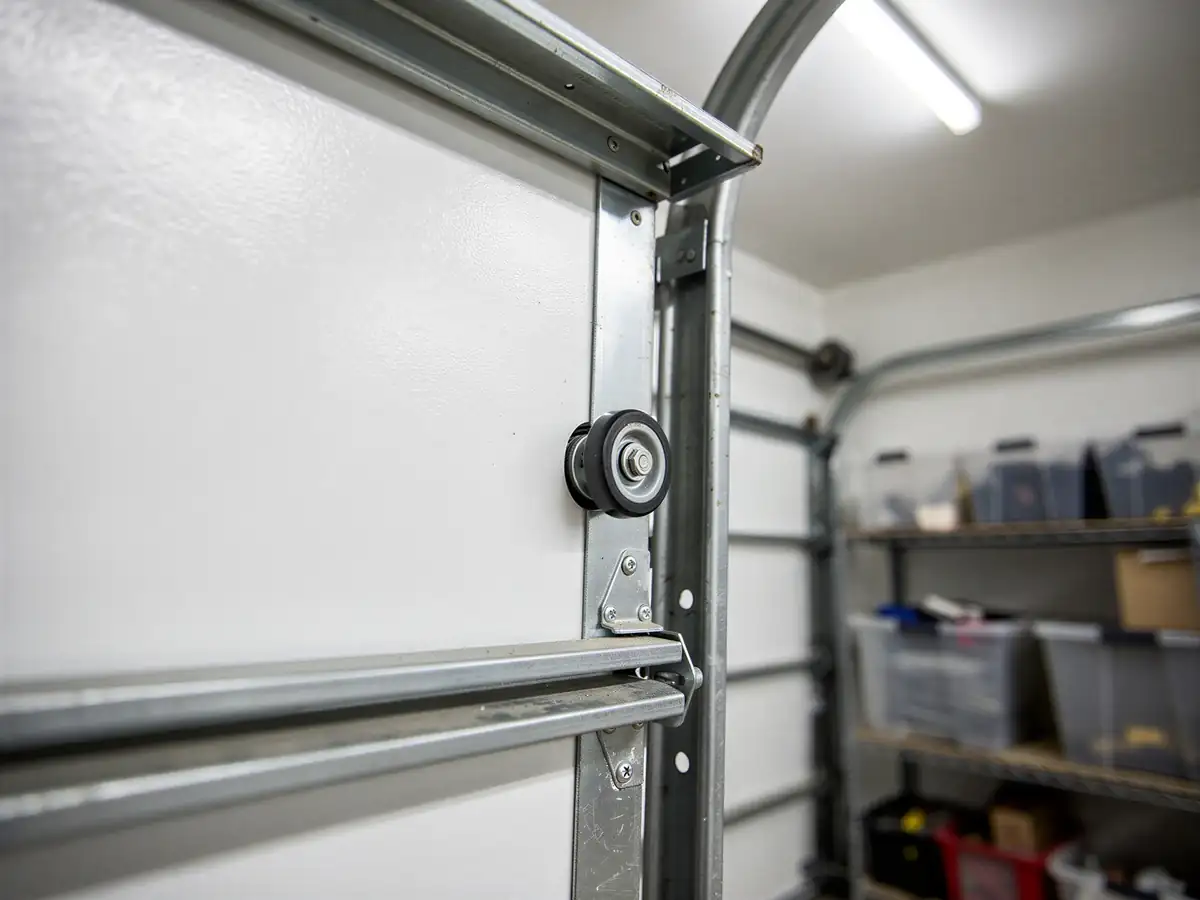
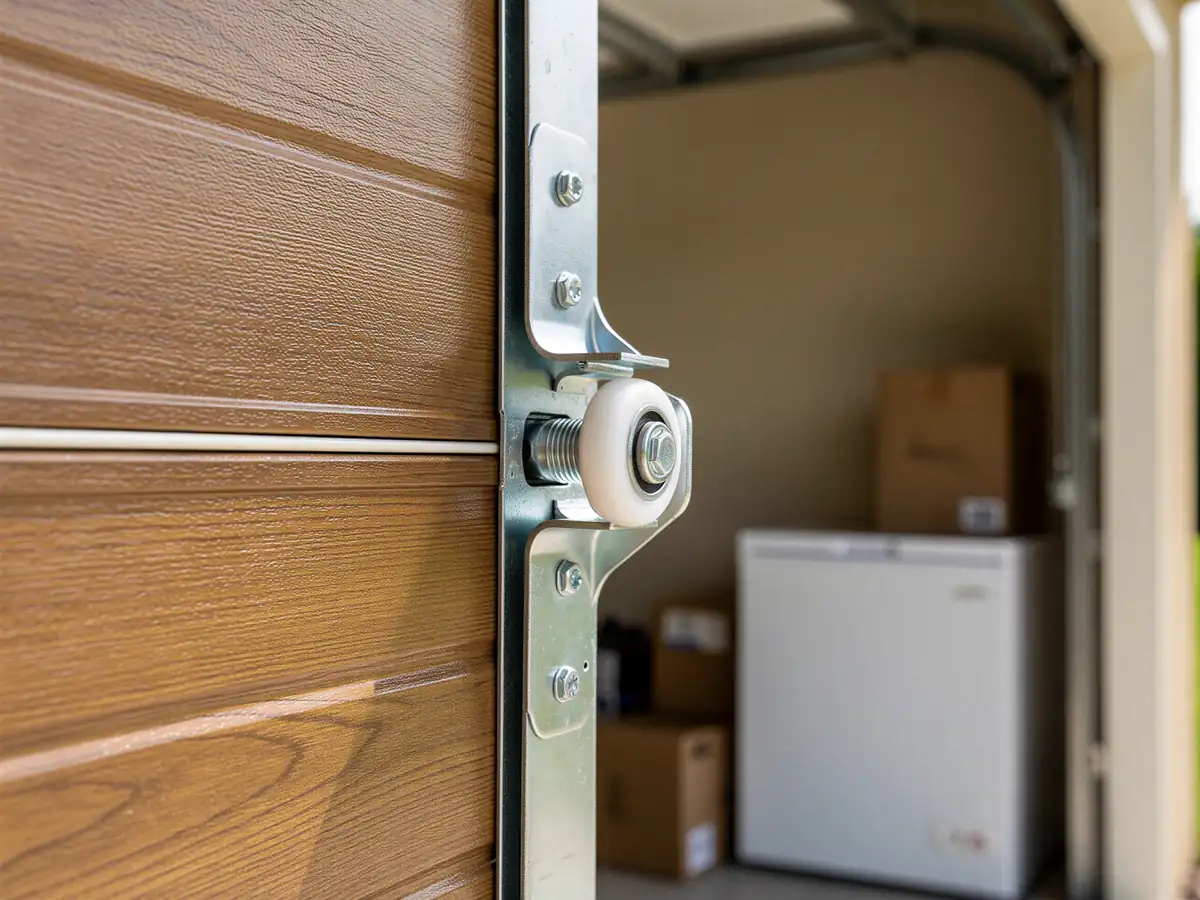
We stock standard torsion springs, steel panel sections, rollers, and track in sizes that cover most of the area's 1980s-90s builds without a special order. For a 1966 Portsmouth opening, what we're more likely to need is a low-headroom track kit or a jamb bracket sized for the shorter clearance common in that era, and those sometimes have to be ordered rather than pulled off the truck. We'll tell you at the quote stage if your door falls into that category so there's no surprise on install day.
Given the service area runs about 39,678 households with a median income around $58,972, we keep a working range of mid-grade steel doors and standard hardware on hand rather than stocking the high end - most jobs call for solid, properly insulated doors sized to the opening, not custom work. Fully custom sizing or insulation upgrades we can order, but that adds lead time beyond what's on the truck.