Parts We Carry
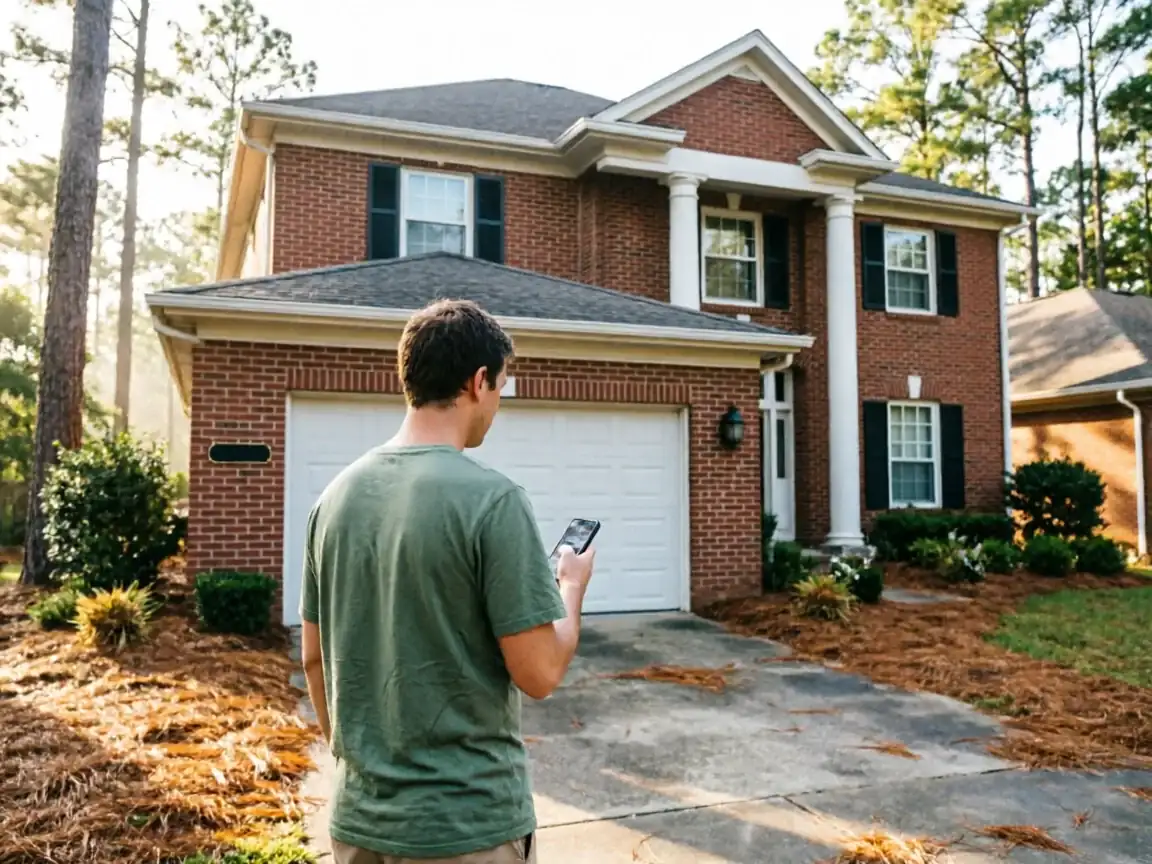
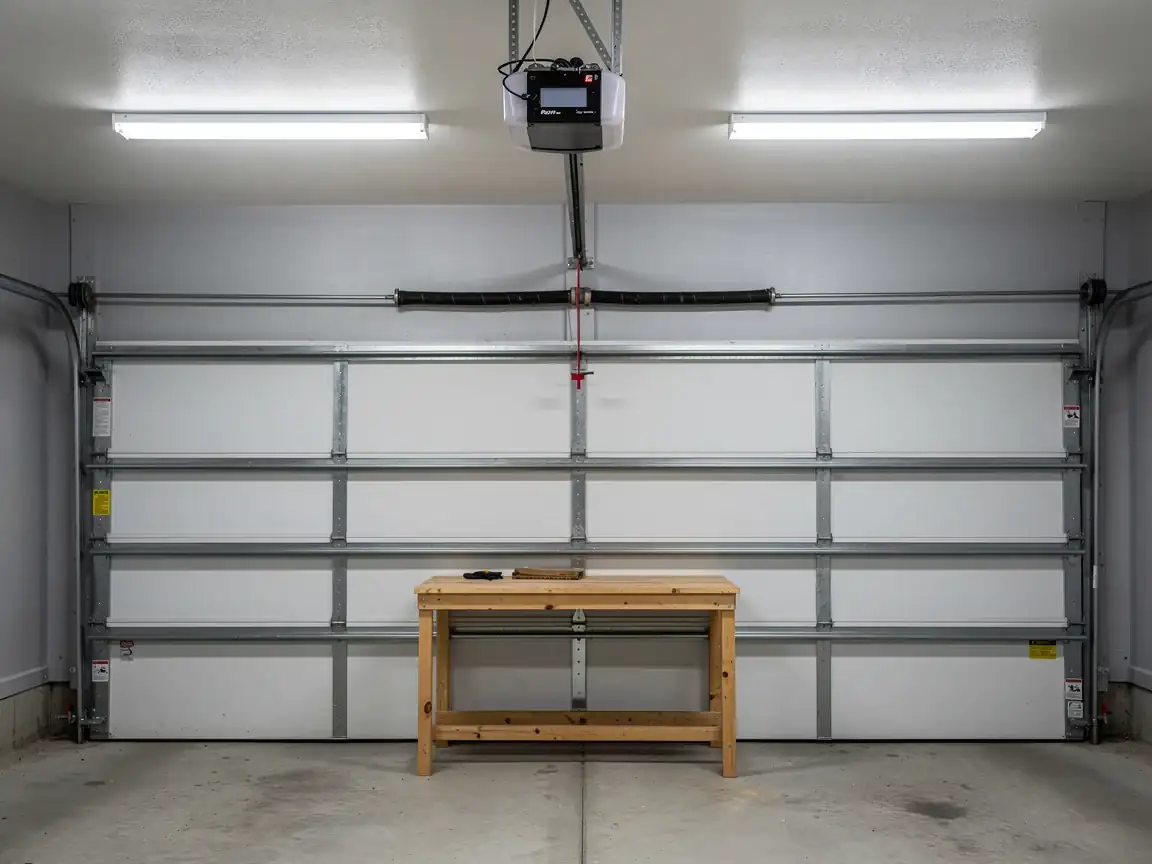
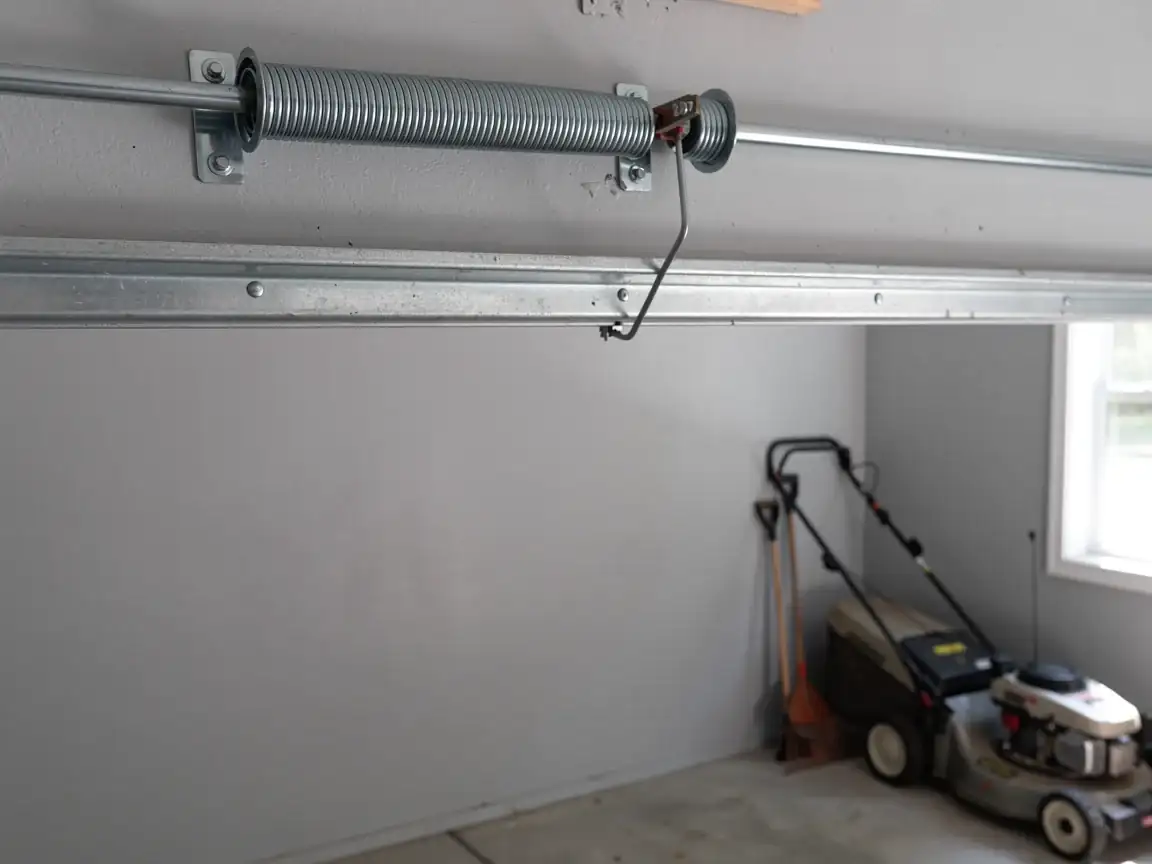
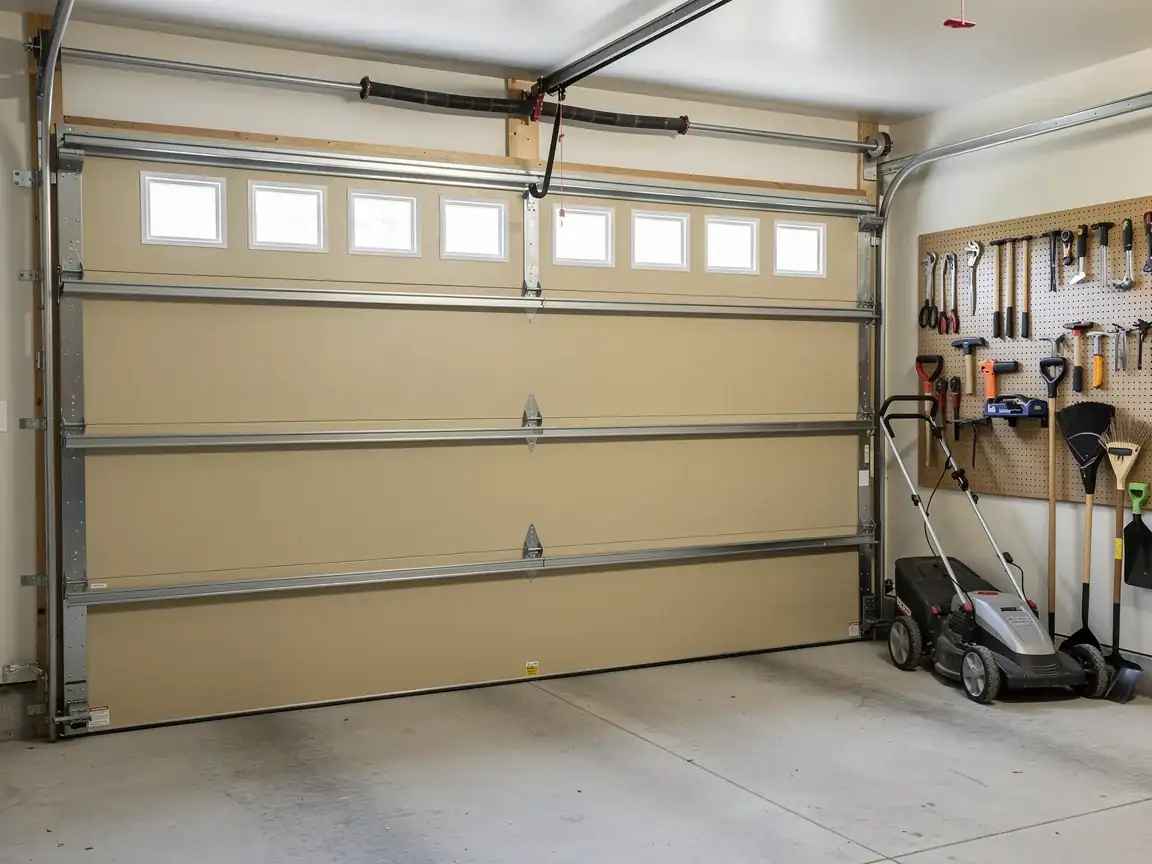
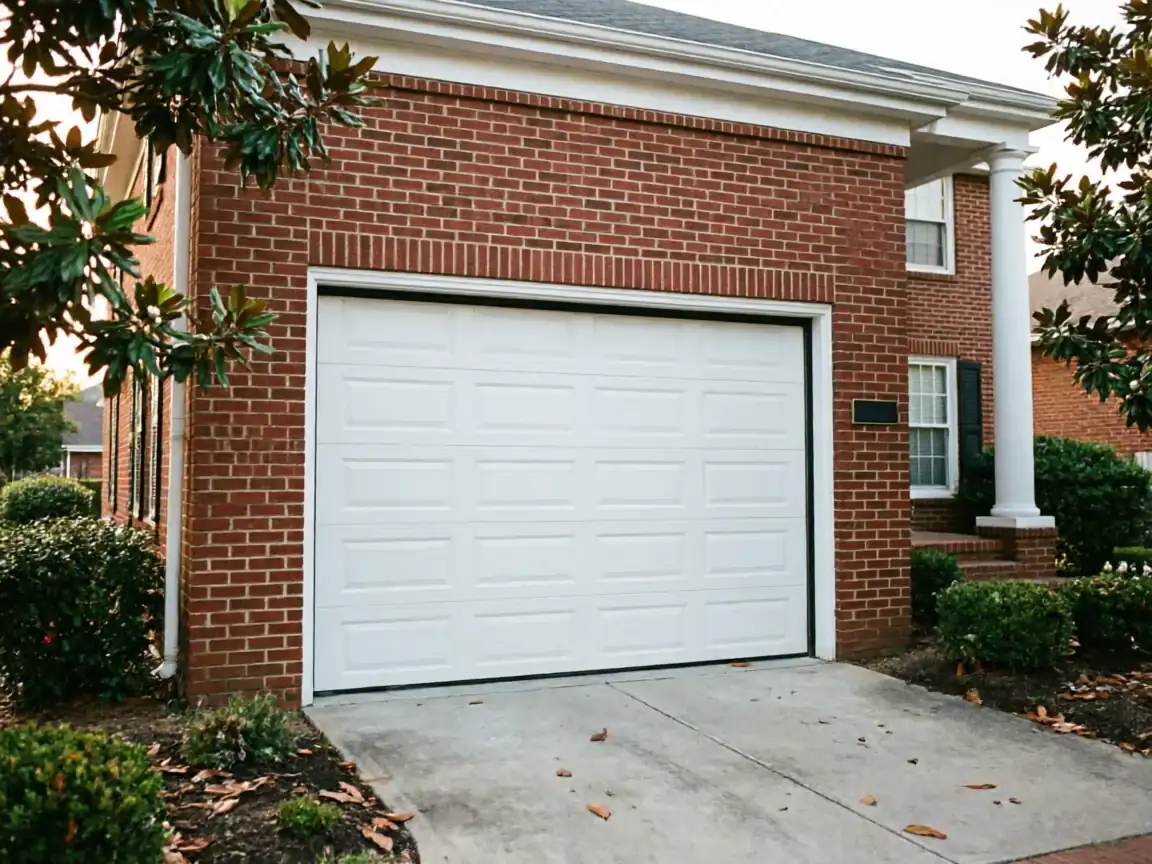
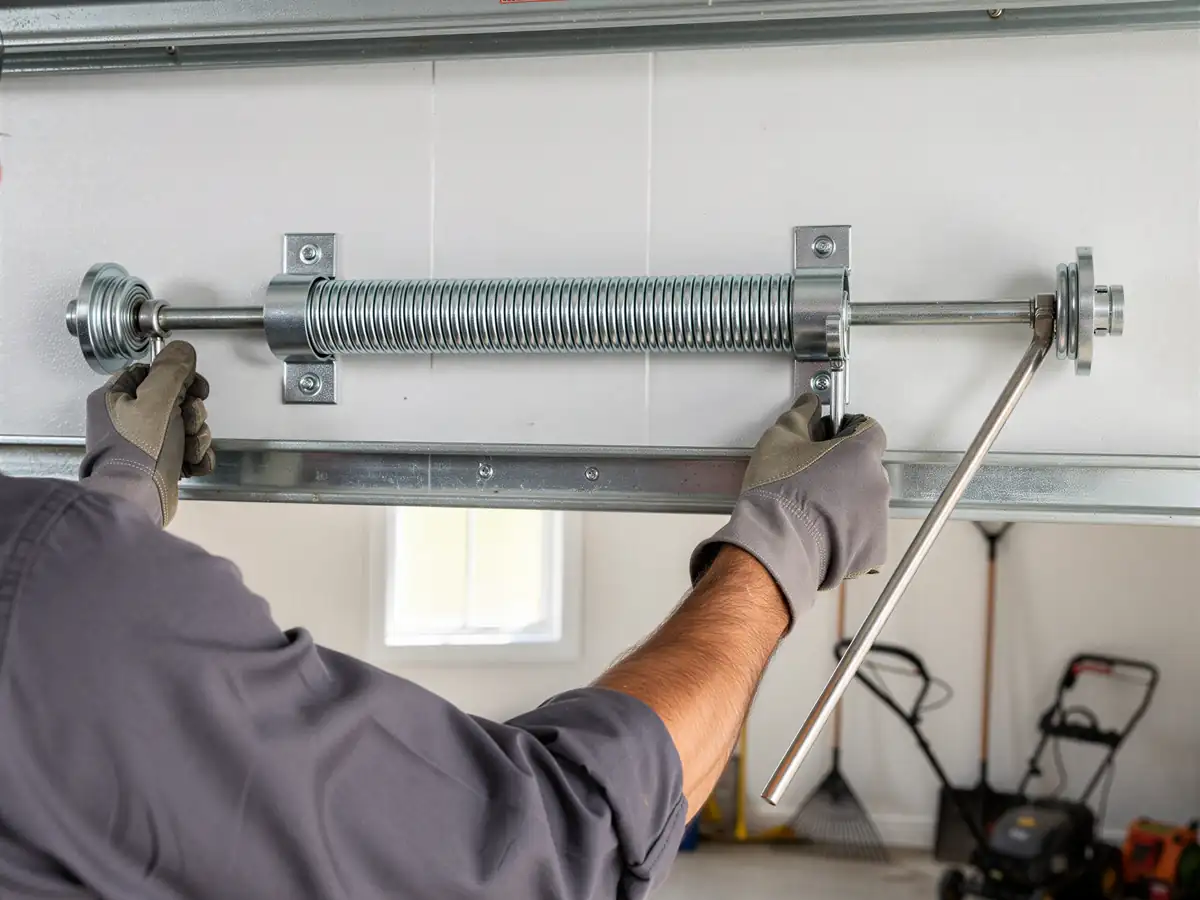
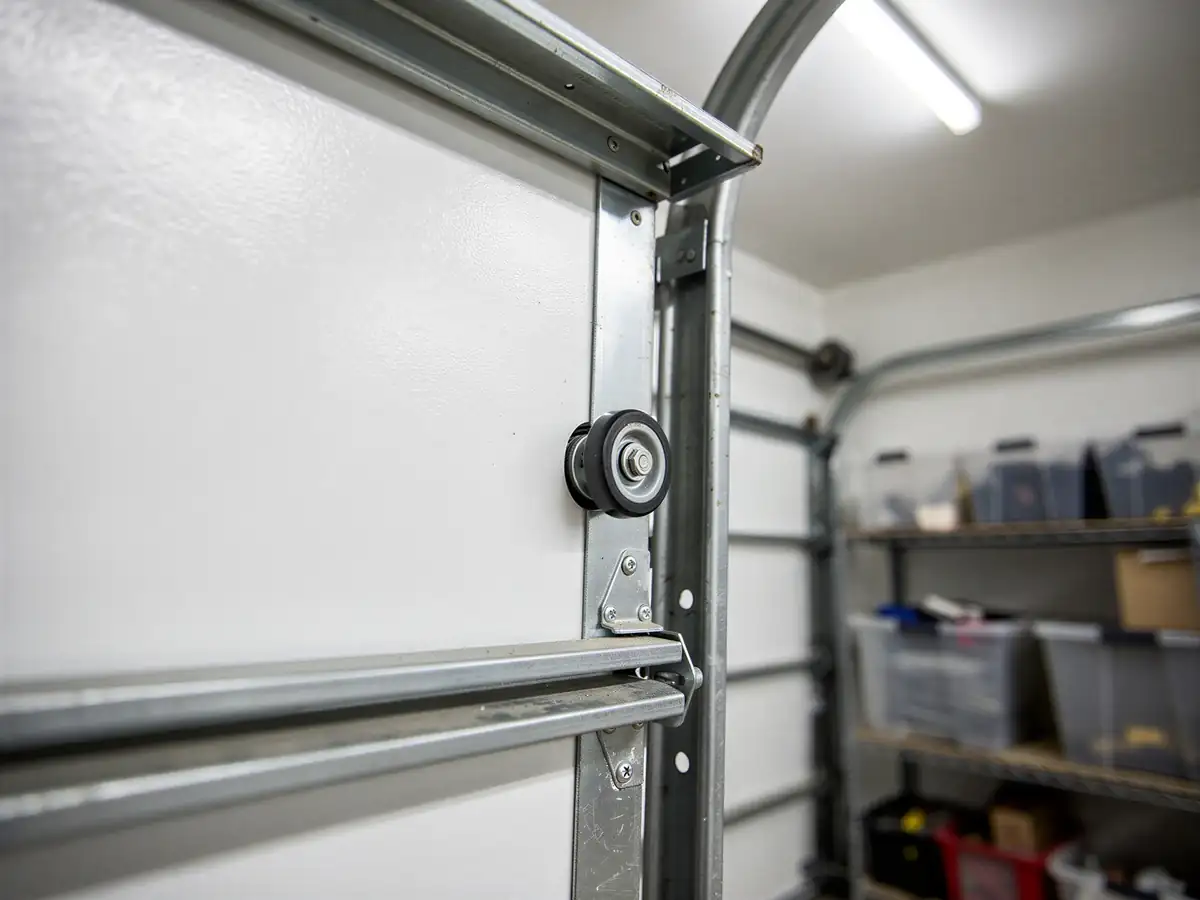
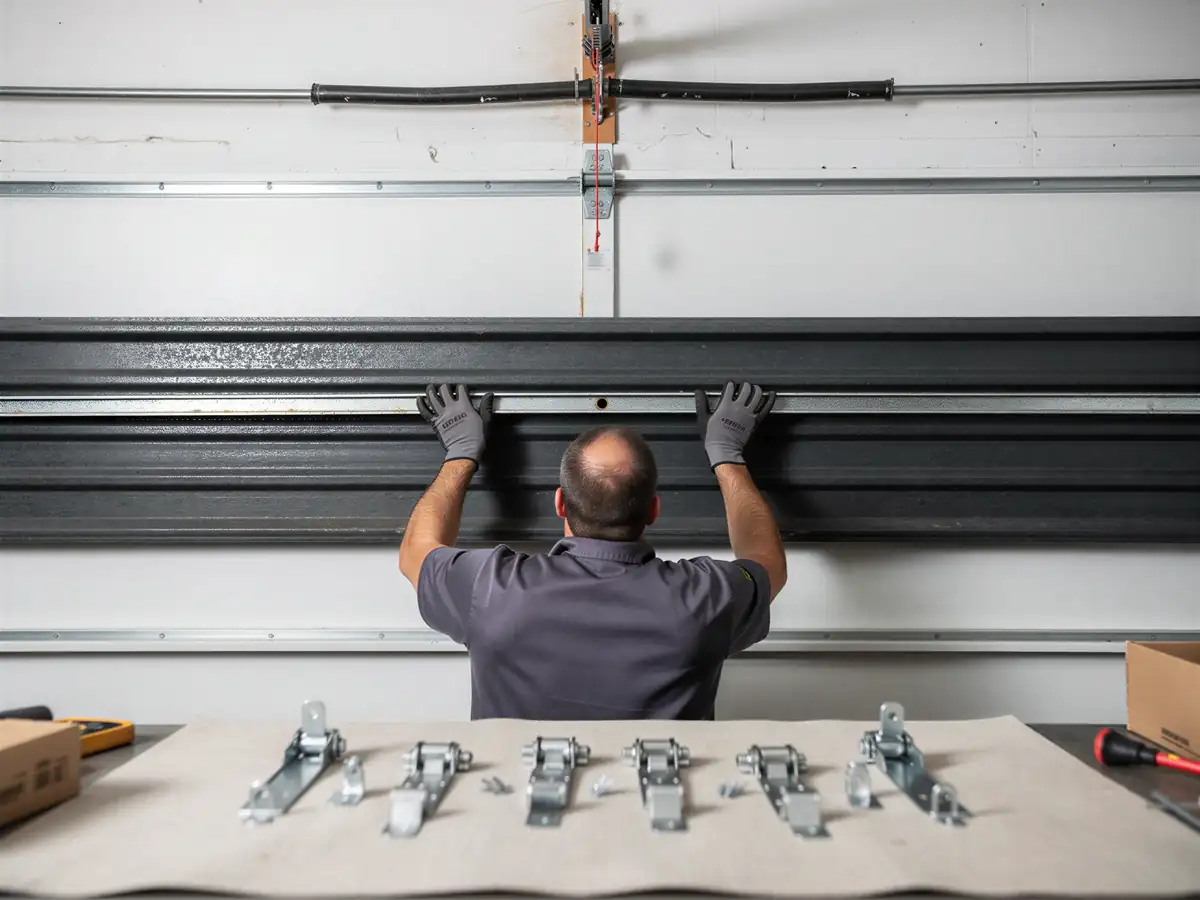
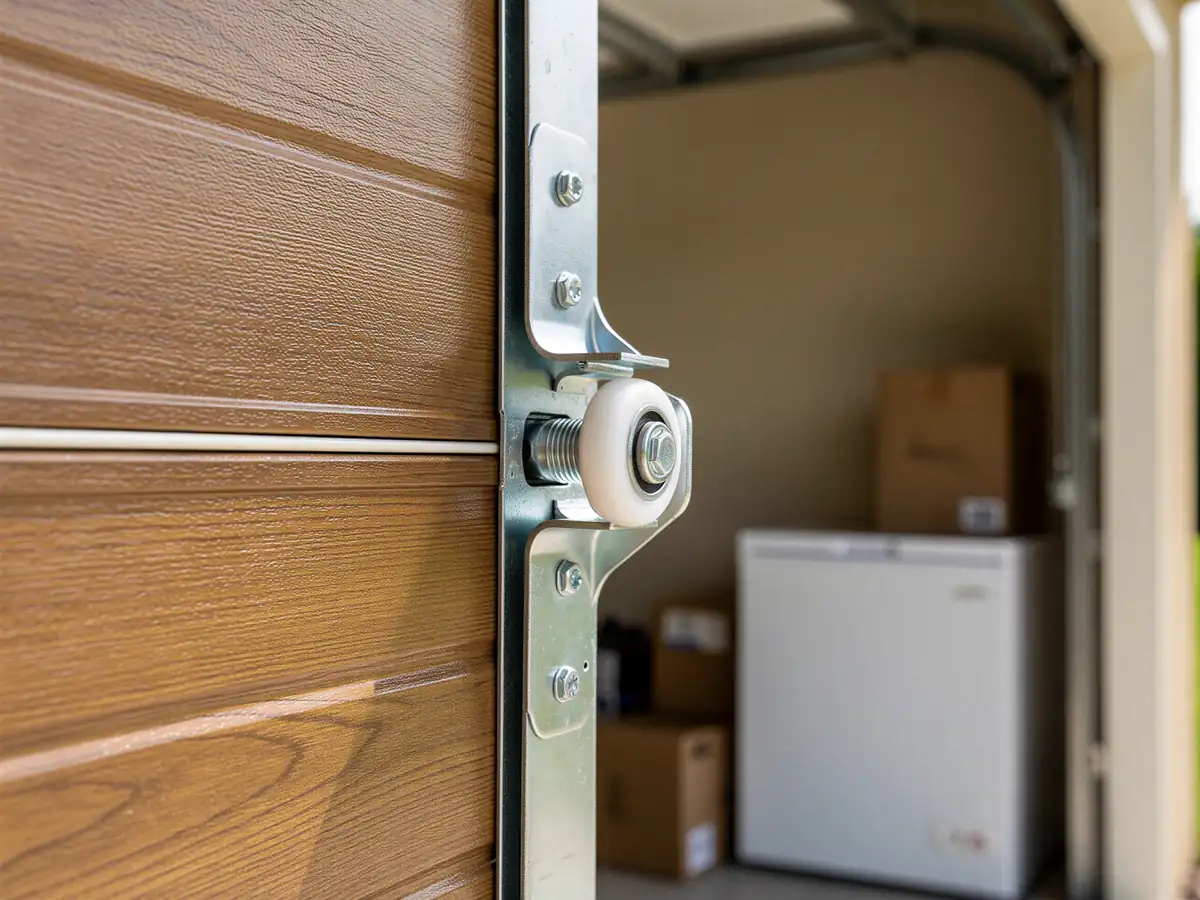
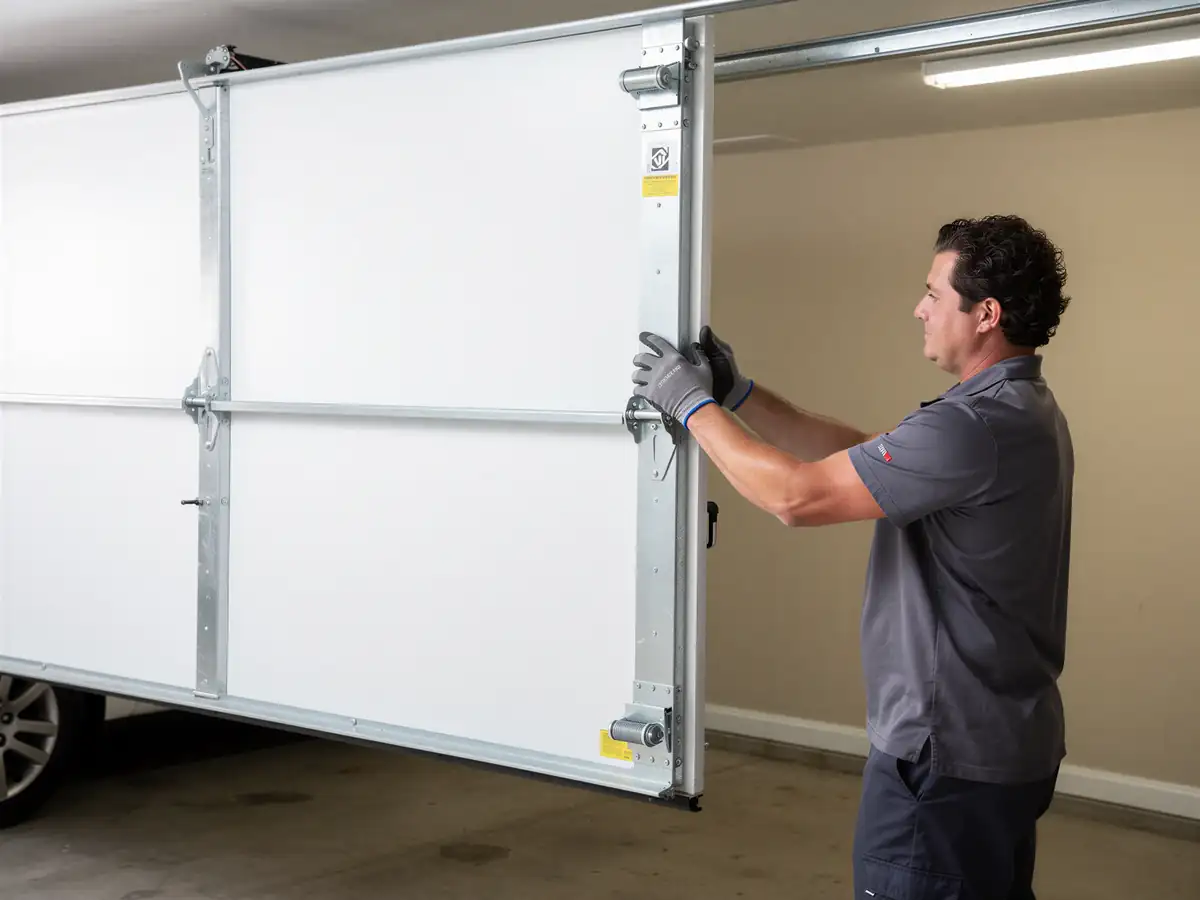
Most of Moyock went up around 2002, which puts it about two decades newer than the typical house back in Chesapeake, where the bulk of the stock dates to the 1980s and 90s. That gap matters for maintenance because it means a lot of the springs, cables, and rollers on Moyock doors are the originals that shipped with the house - nobody has had a reason to touch them yet. We carry torsion springs sized for the openers common on builds from that era, plus the nylon rollers and galvanized cable that tend to be the first things to show wear. We don't stock every obscure bracket from every manufacturer, so if a door has an unusual opener mount or a discontinued track profile, we'll tell you that up front rather than make you wait on a part that isn't coming. For the standard torsion and extension setups that match a 2002-era build, we're usually carrying what the job needs on the truck already.
How Long It Takes
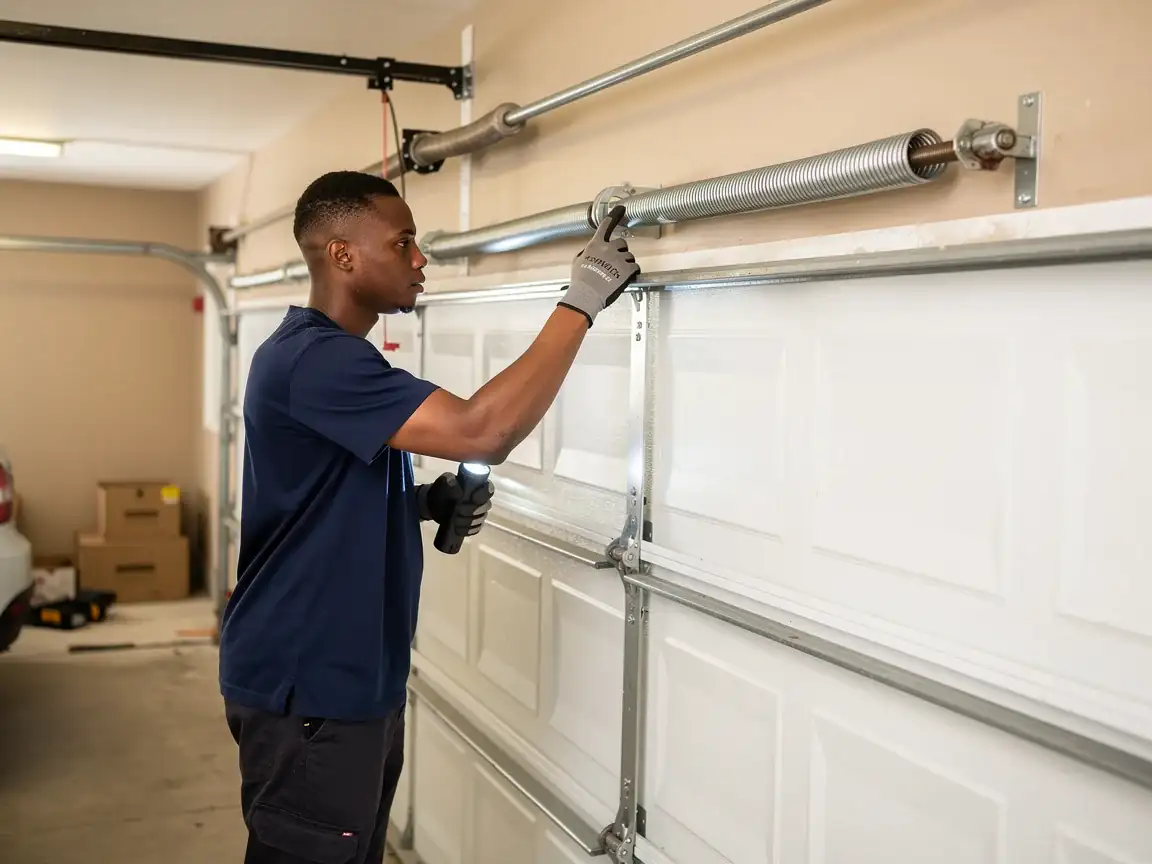
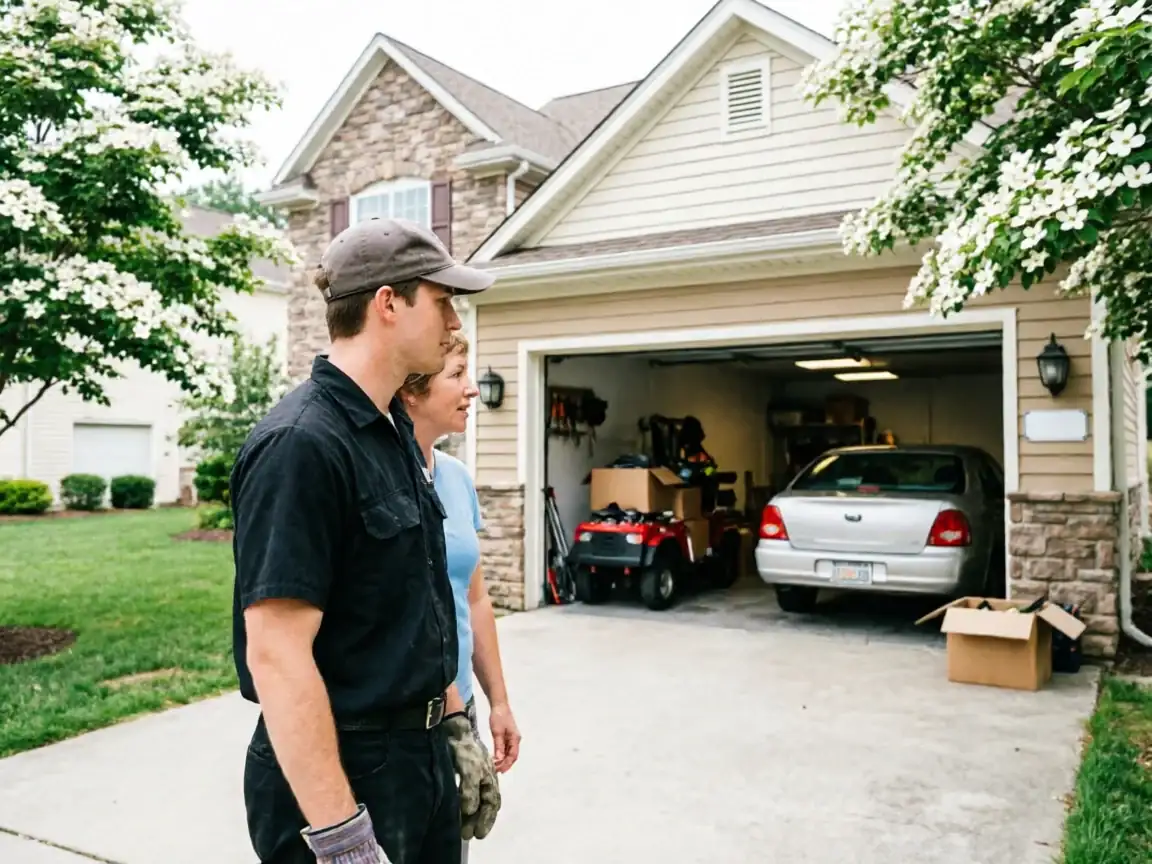
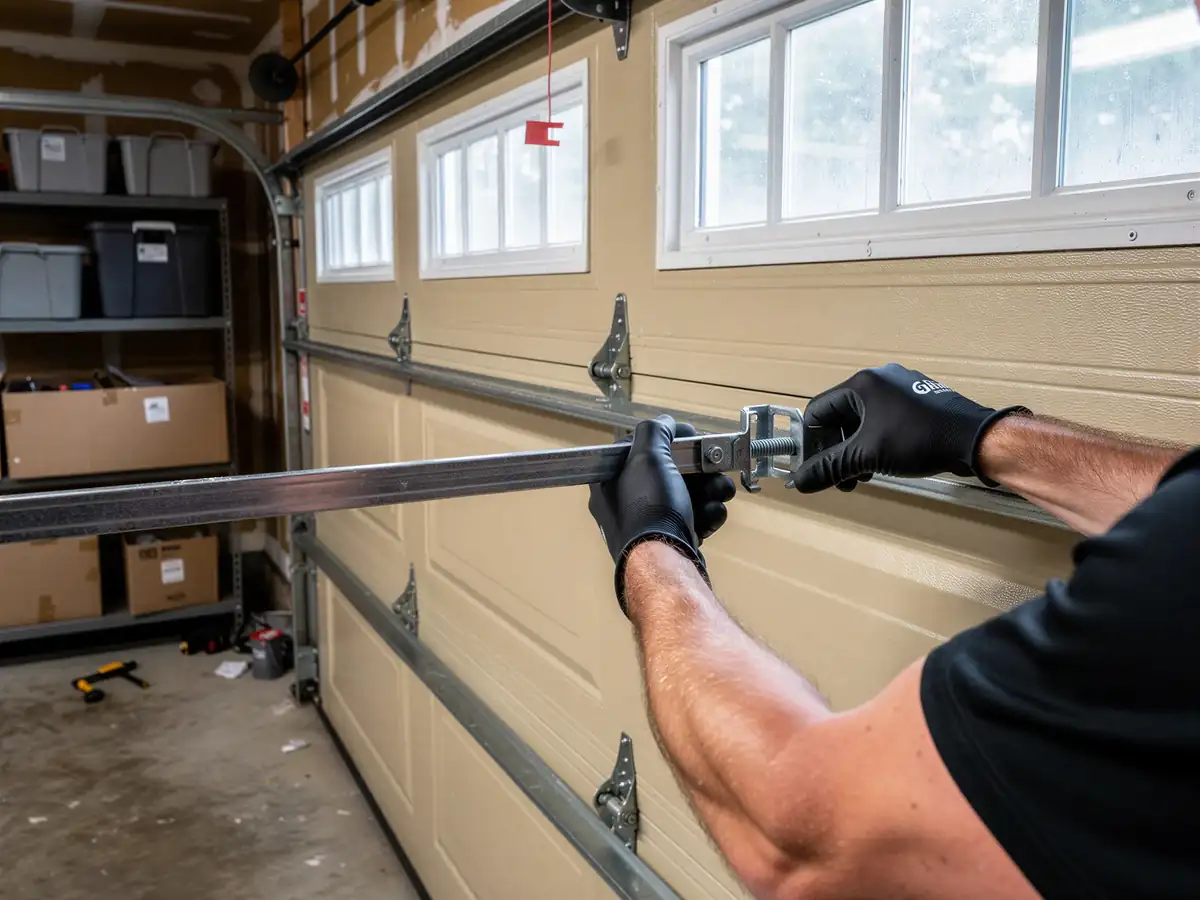
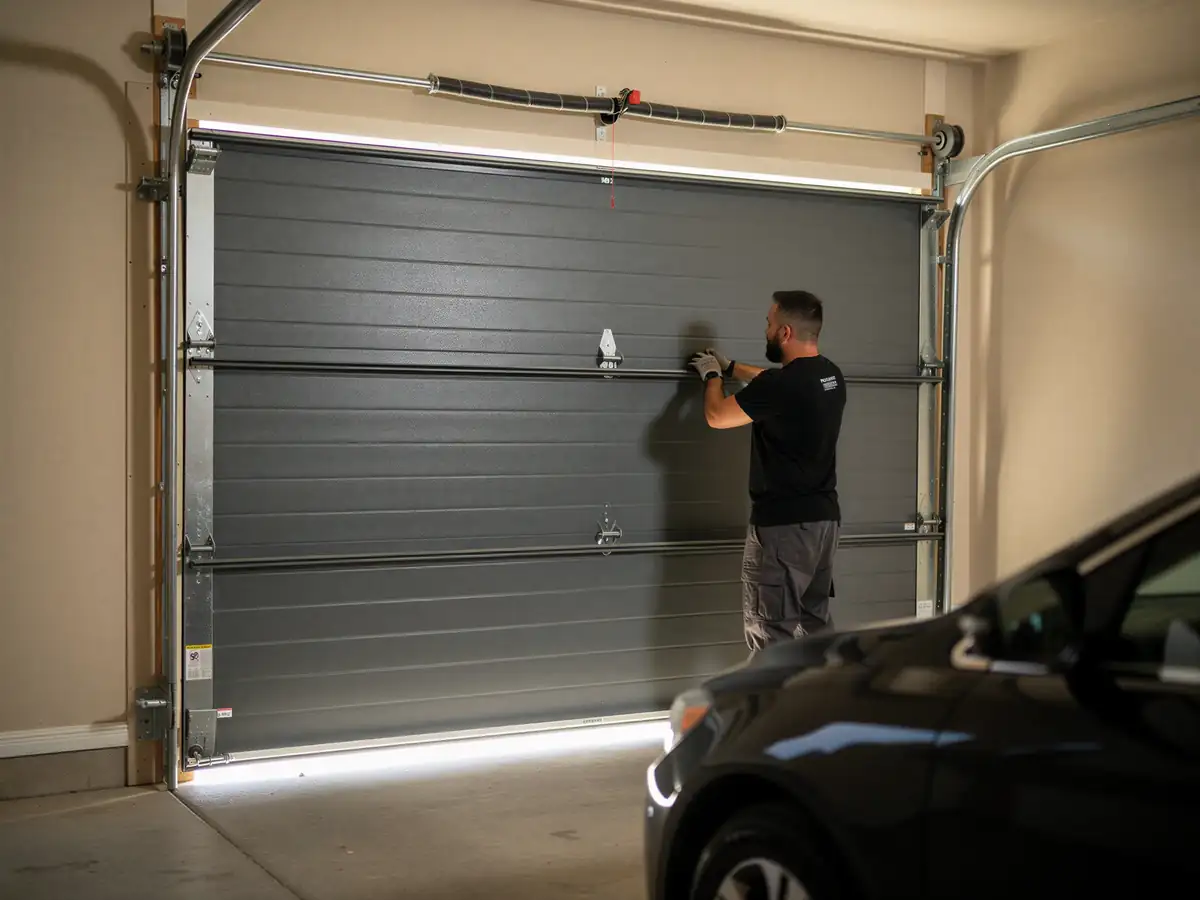
A standard maintenance visit - spring check, track alignment, roller and cable inspection, lubrication, opener safety test - runs the same whether the door is in Moyock or anywhere else we go. What changes is whether we find something extra once we're under the door. On a house built around 2002, we're seeing original hardware at roughly the 20-year mark, which is close to when torsion springs built for a 10,000-cycle rating start showing fatigue even if they haven't failed outright. If the spring's still original and hasn't been swapped, we're often budgeting extra time to replace it as part of the same visit rather than coming back out. We travel the 23 miles from Chesapeake for these calls, so we'd rather catch a tired spring now than get a call back for a snapped one in six months.
Doing It Yourself
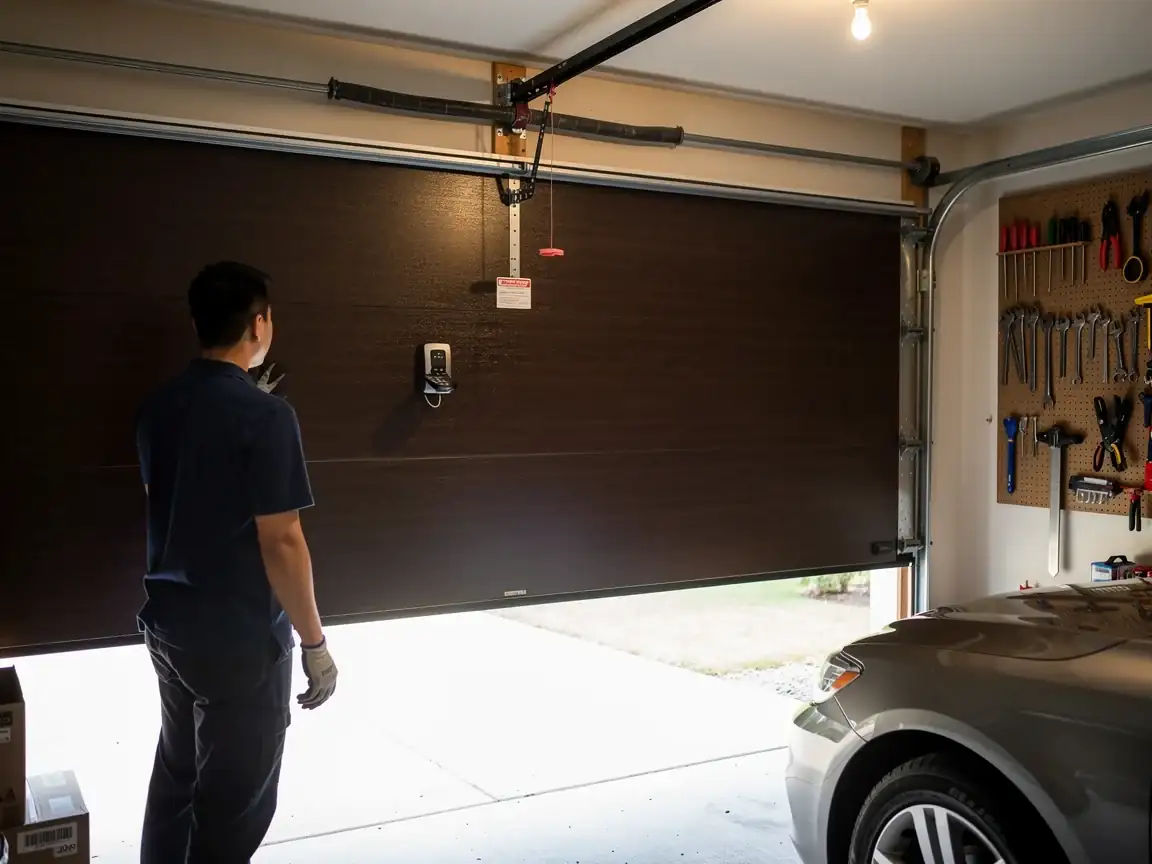
Lubricating hinges and rollers with a garage-door-specific lubricant, checking that the auto-reverse safety feature still stops the door on contact, and visually inspecting cables for fraying are all things an owner can do without a service call. What we'd tell any Moyock homeowner not to do is touch the torsion spring itself. These doors are old enough now that an original 2002 spring has likely cycled tens of thousands of times, and a spring under that much stored tension can cause real injury if it lets go while you're working on it. The region sits in a cold-moderate climate band, which means lubricant that's gotten gummy or dried out over a winter is a common and easy fix - that one's safe to do yourself. Spring tension adjustment and cable replacement are not.
What Causes It Around Here
The cold-moderate climate this area sits in puts real seasonal swing on steel springs and tracks - expansion in warm months, stiffening in cold ones - and over roughly twenty years of that cycle, original hardware from a 2002 build is at the point where fatigue shows up even without a dramatic failure. Moyock's smaller household count, around 2,100 compared to the broader service area's nearly 40,000, means less of this hardware has been through a service call yet; a lot of these doors are still running on what came with the house. That's not a problem until the spring's rating runs out, at which point it fails without much warning. Regular lubrication and a yearly cable and roller check catch most of it before it becomes an emergency.