Parts We Carry
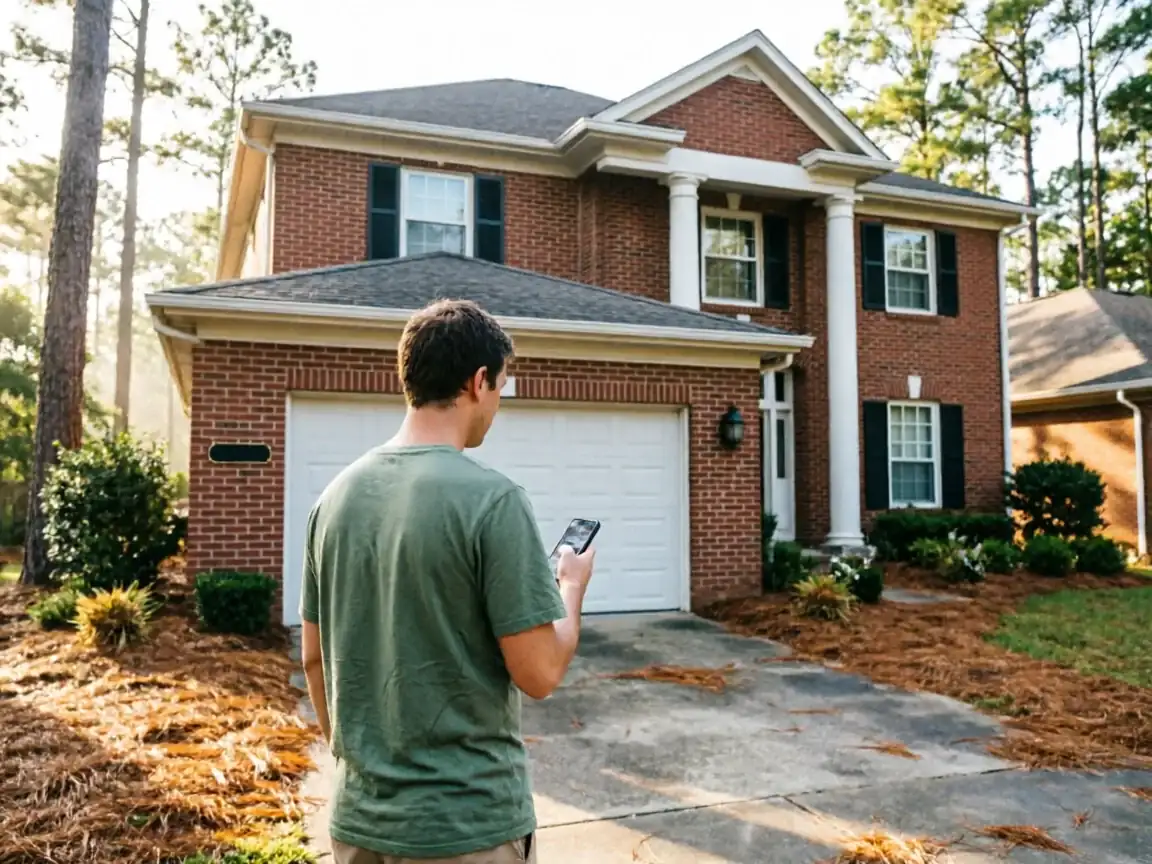
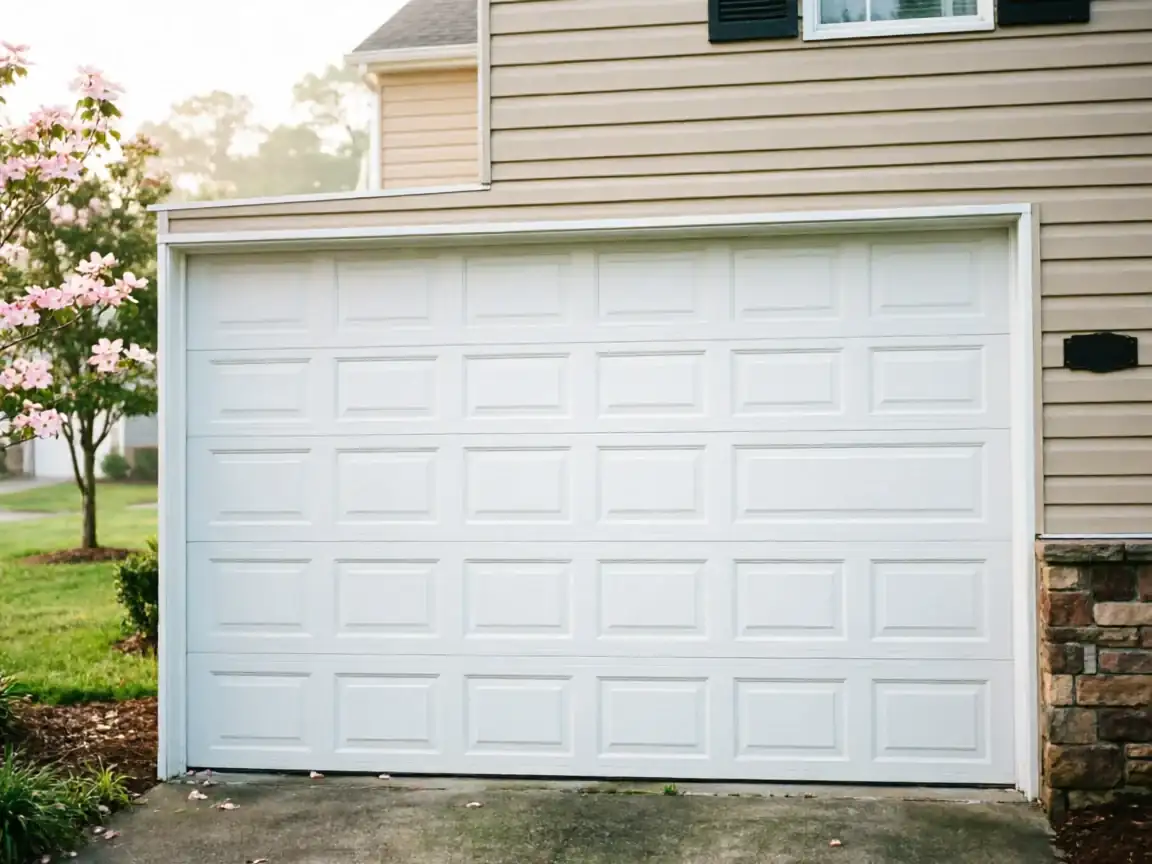
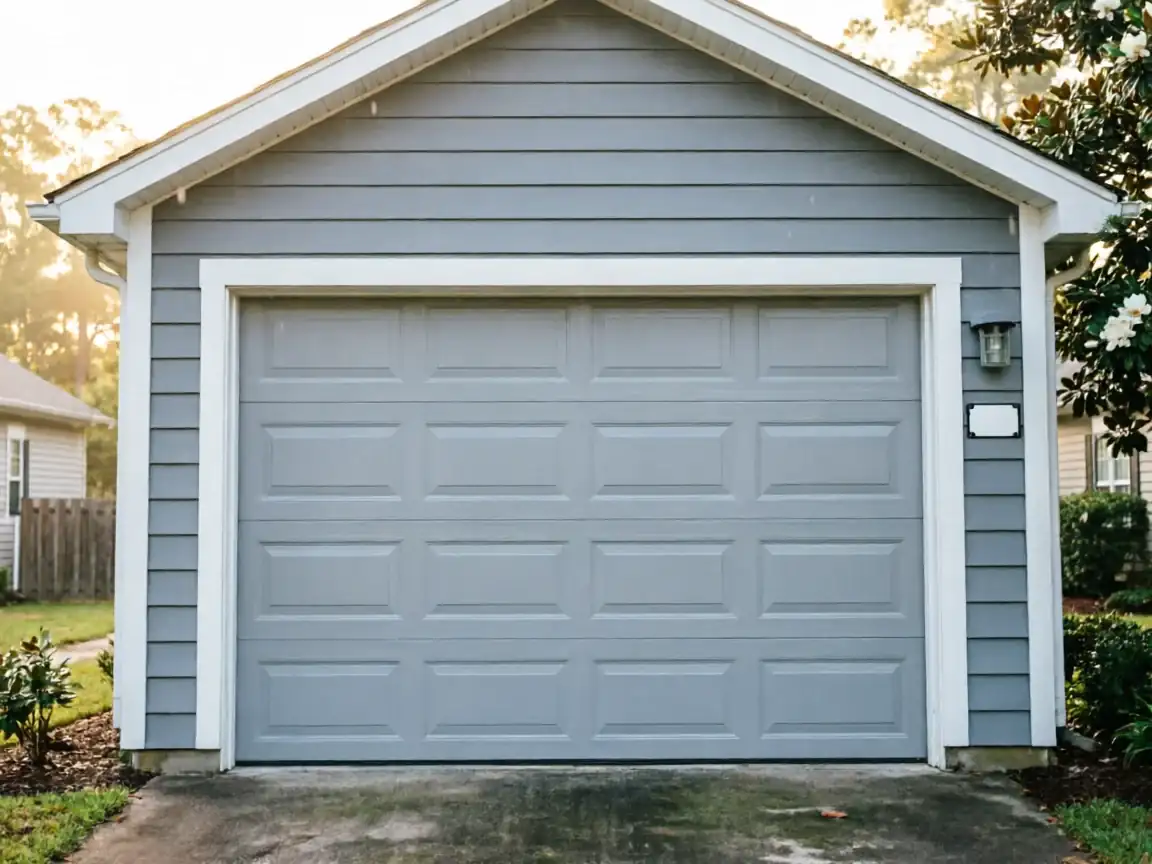
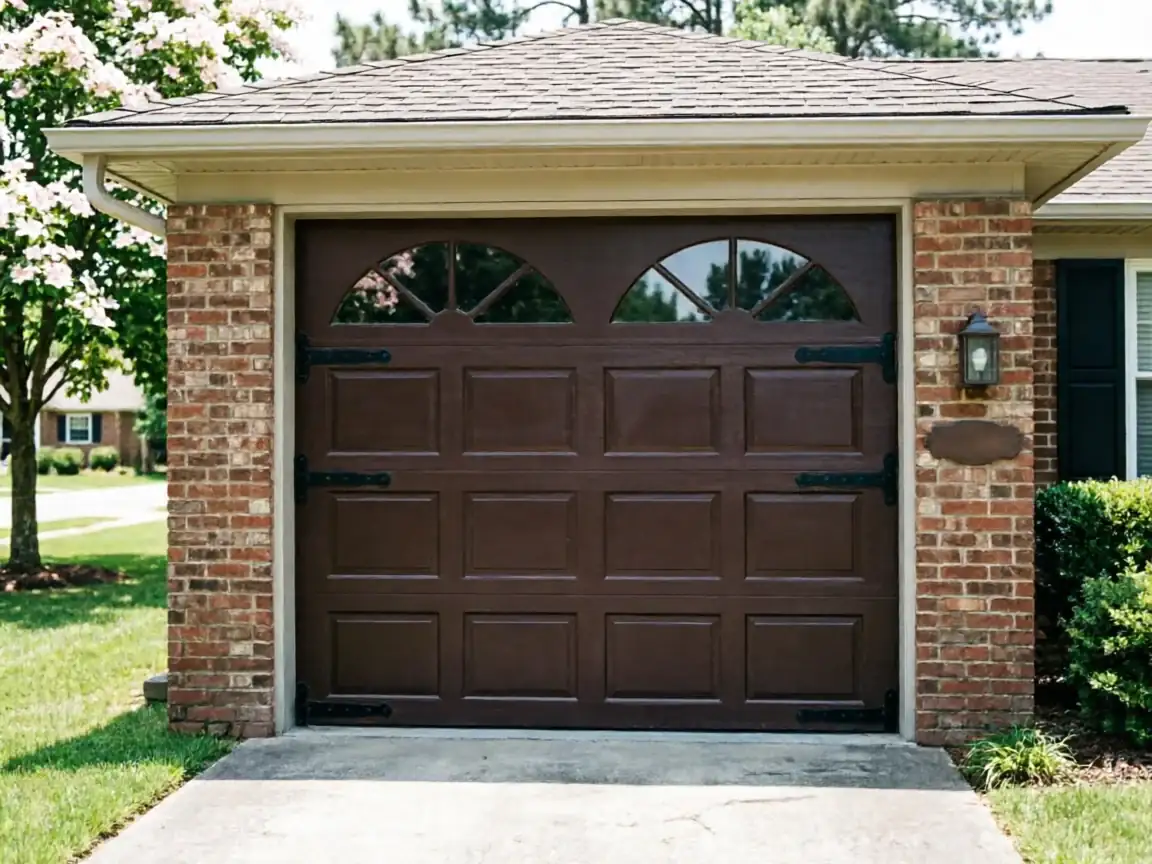
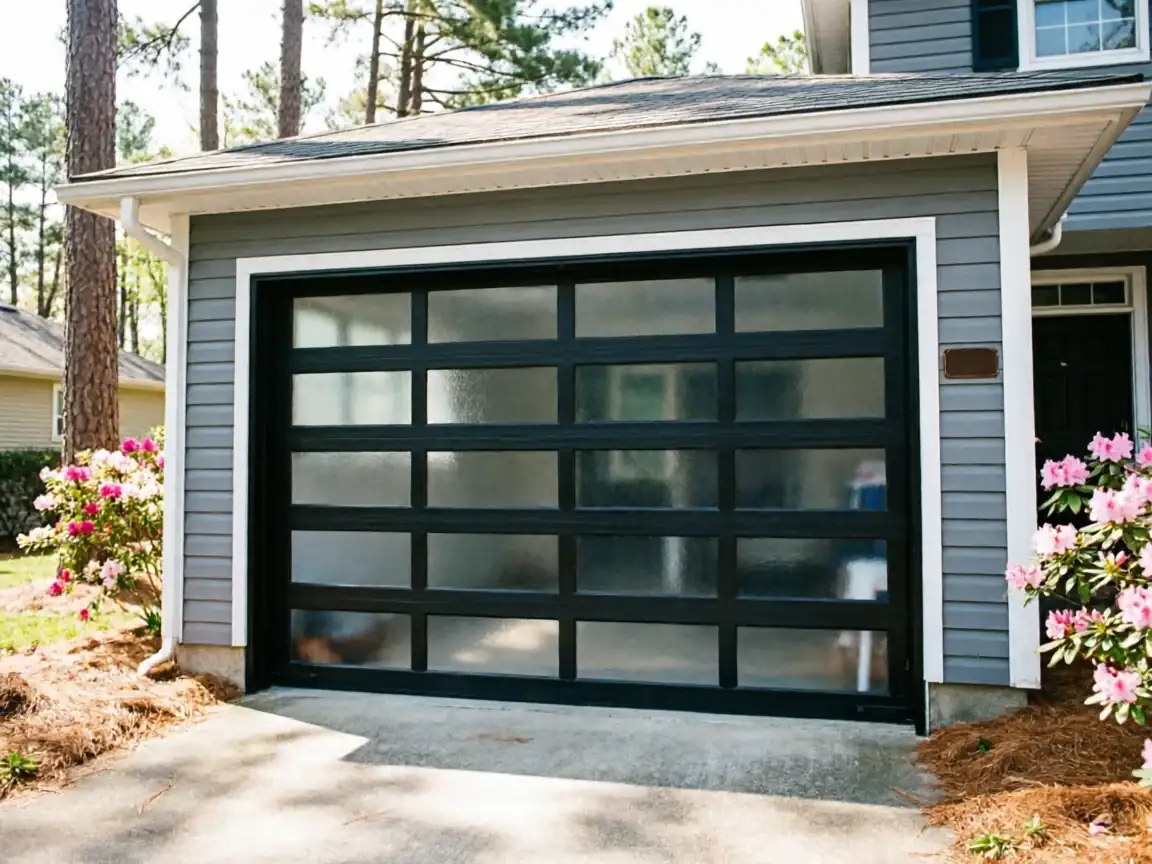
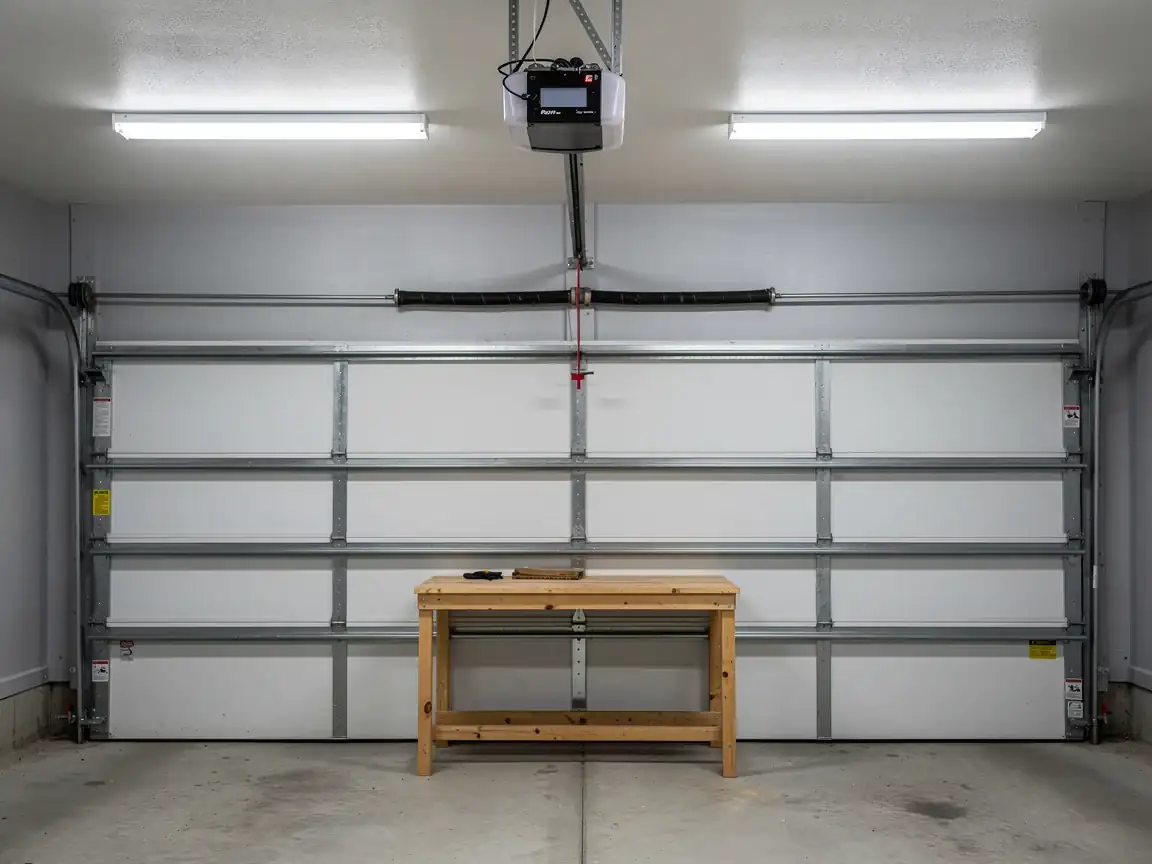
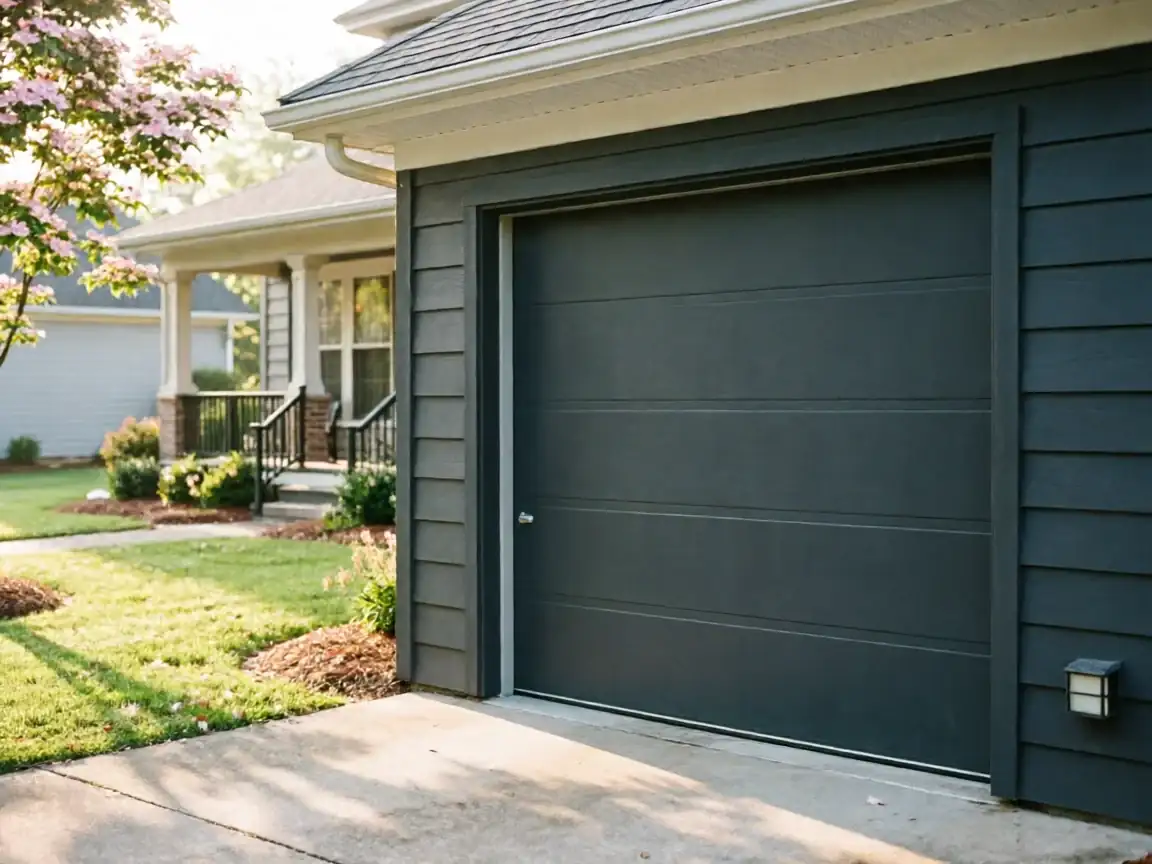
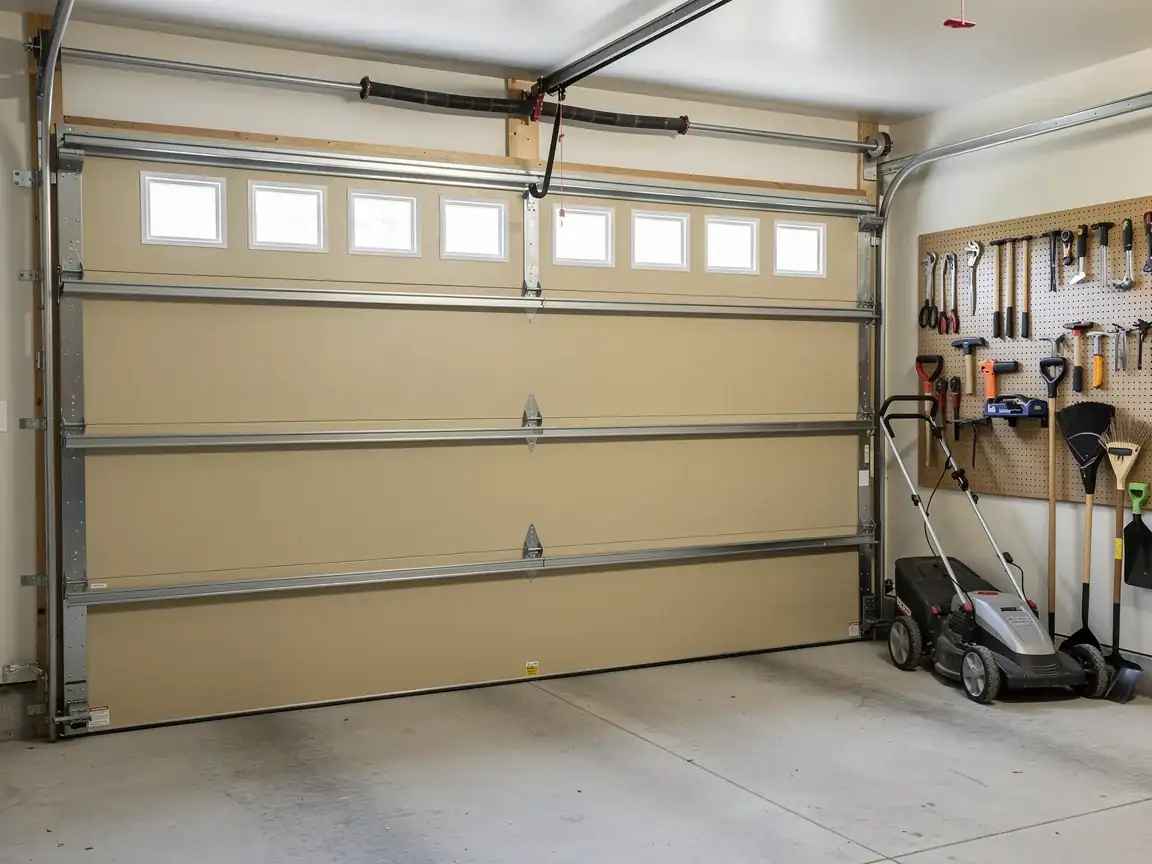
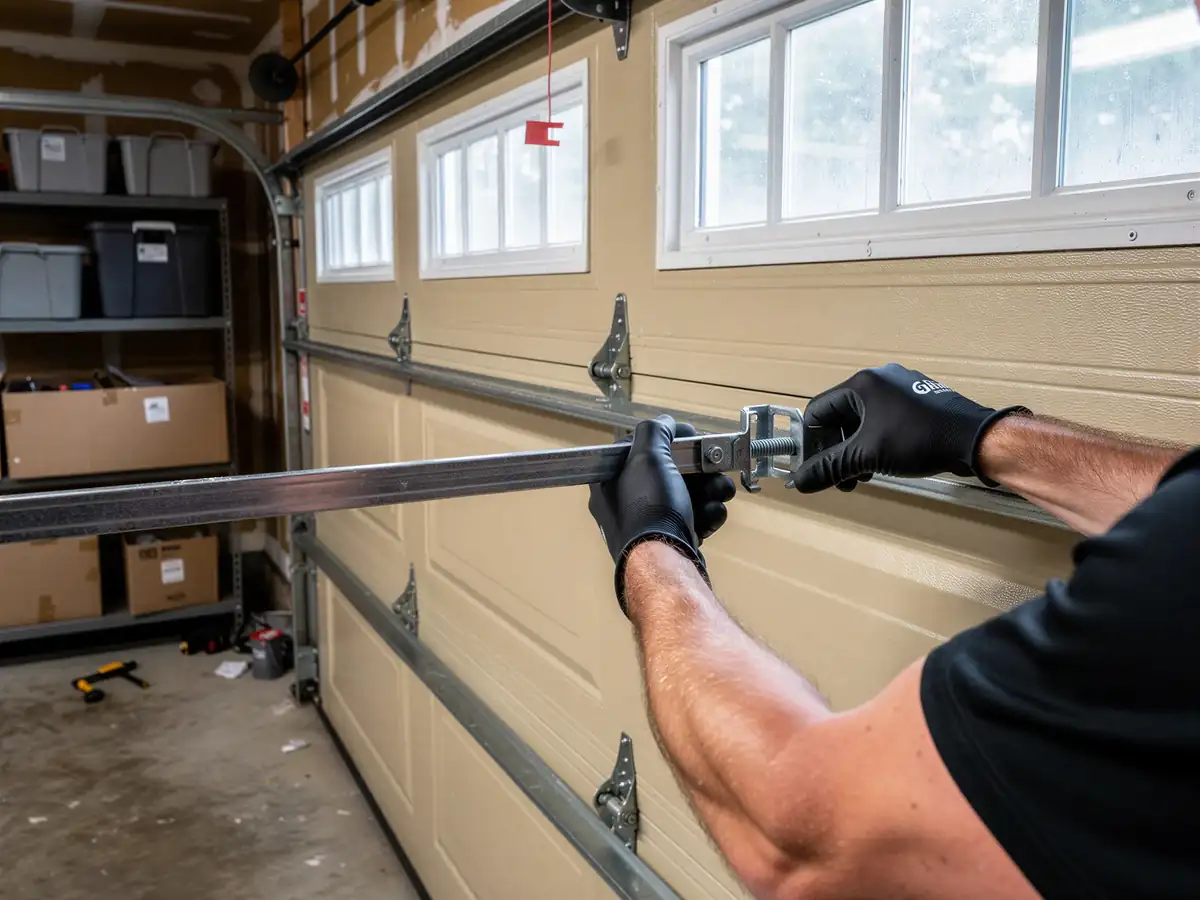
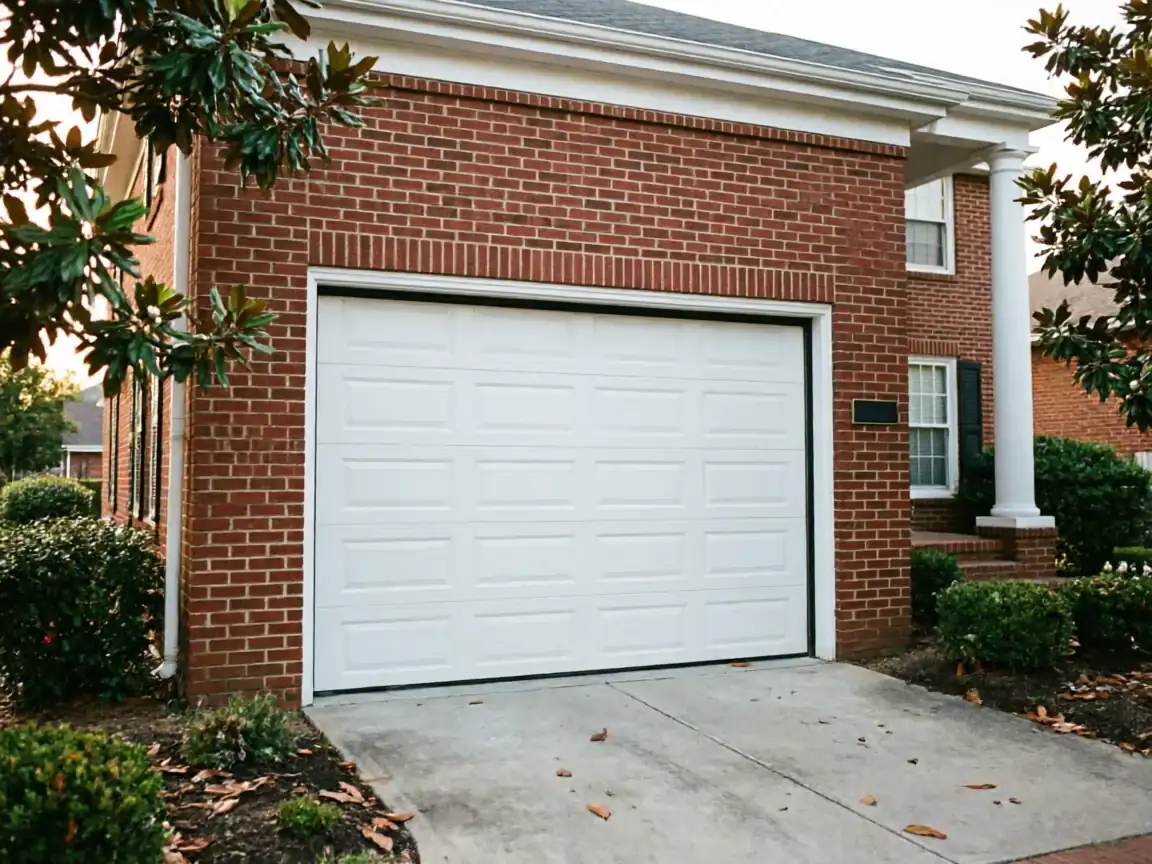
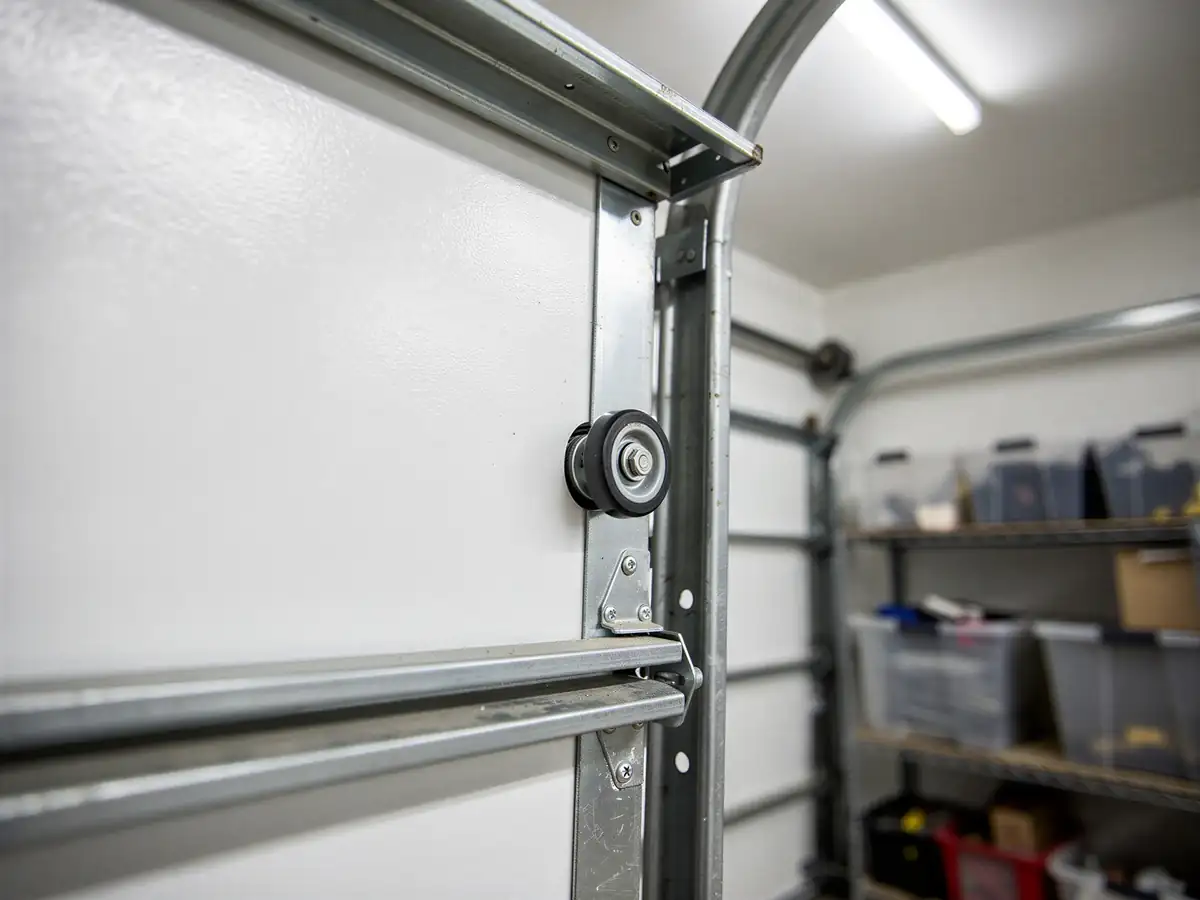
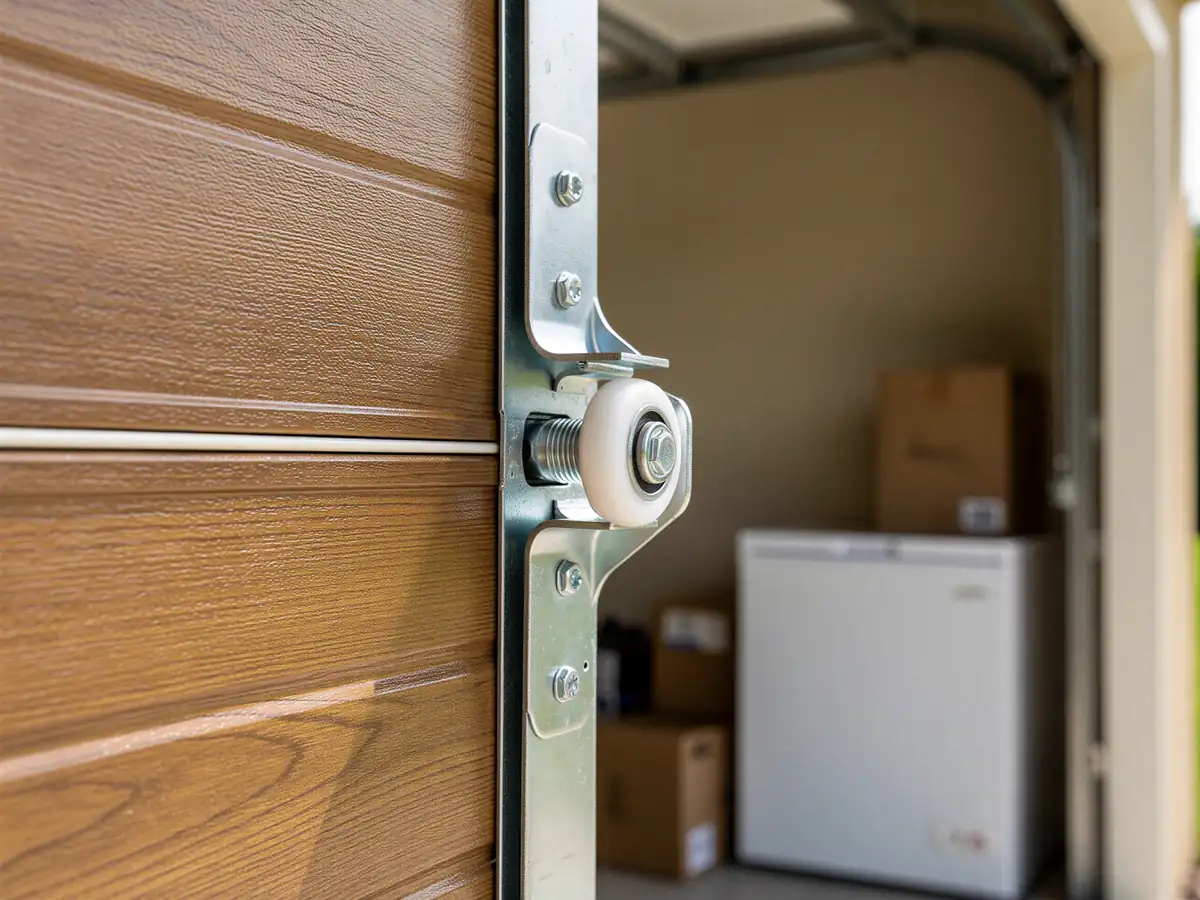
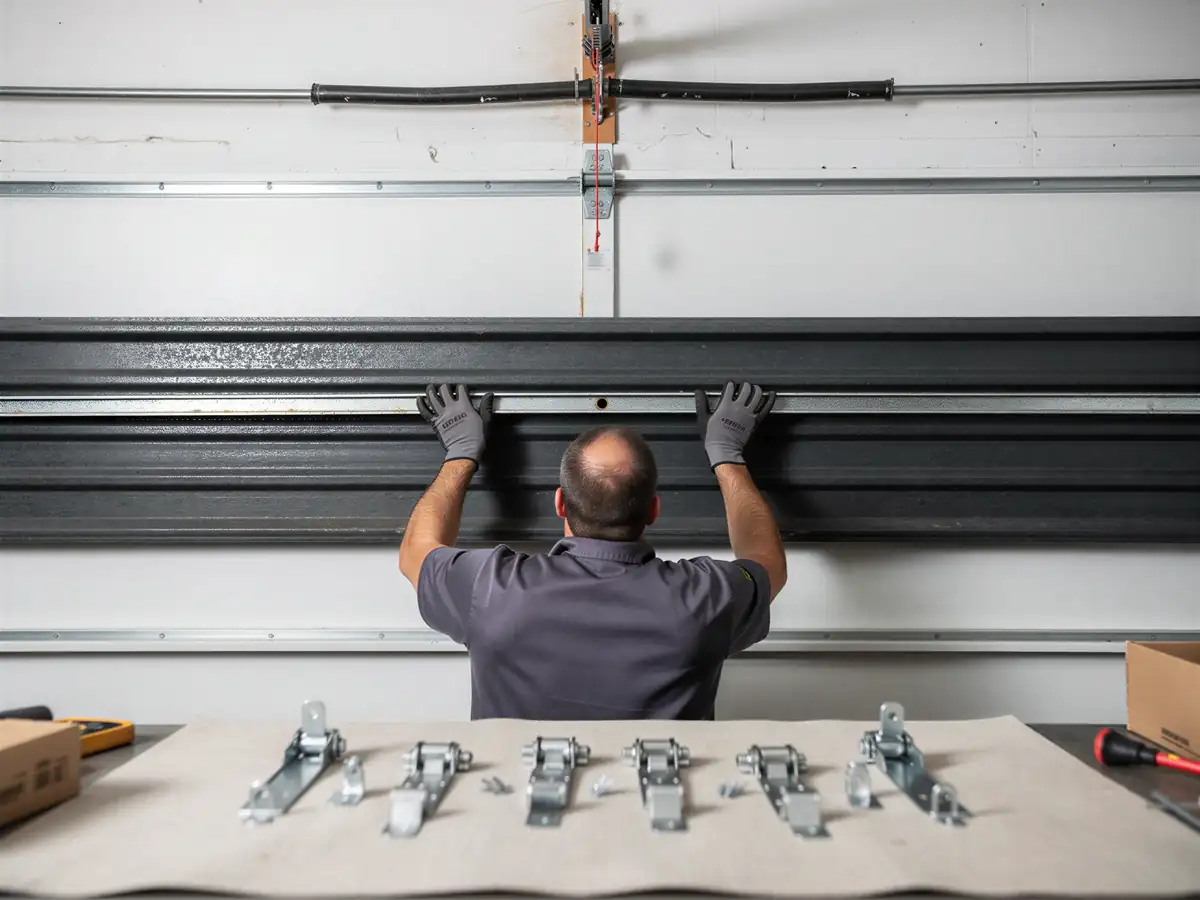
Most garage doors in Moyock went up around 2002, which puts them squarely in the era of roll-formed steel sectional doors with polystyrene or polyurethane insulation sandwiched between two steel skins. That's different from the heavier single-layer steel or the older wood composite panels you'd find on a house built in the 1980s. We stock short panel sections and end stiles sized to the common 2000s sectional profiles - 24-inch and 18-inch panel heights, both raised-panel and flush designs - along with the matching hinges and rollers those doors were built with. What we don't carry on the truck is a match for every discontinued decorative overlay or carriage-house insert that got phased out after a model refresh. If your door has one of those, we'll need the manufacturer and model number before we can promise an exact match, and sometimes the honest answer is a full door rather than a hunt for a panel nobody makes anymore.
How Long It Takes
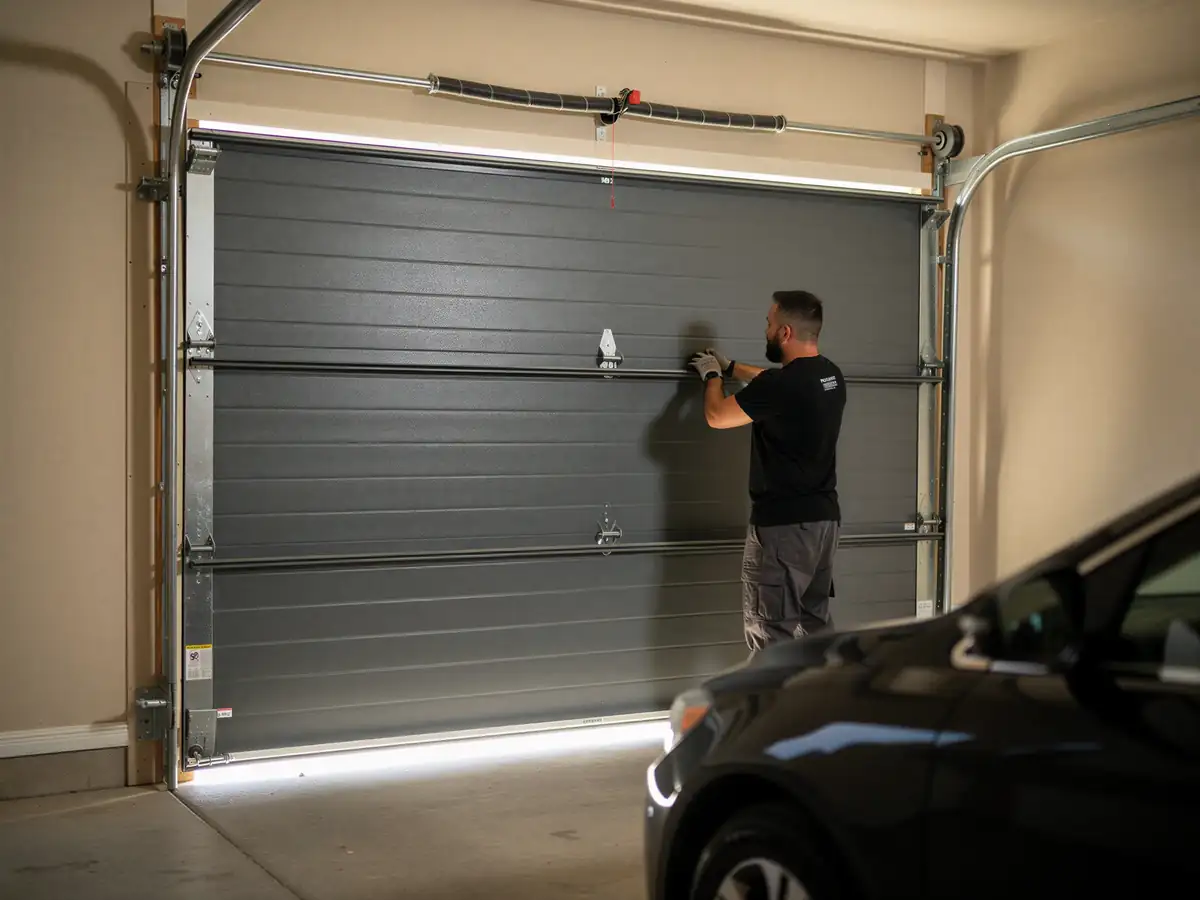
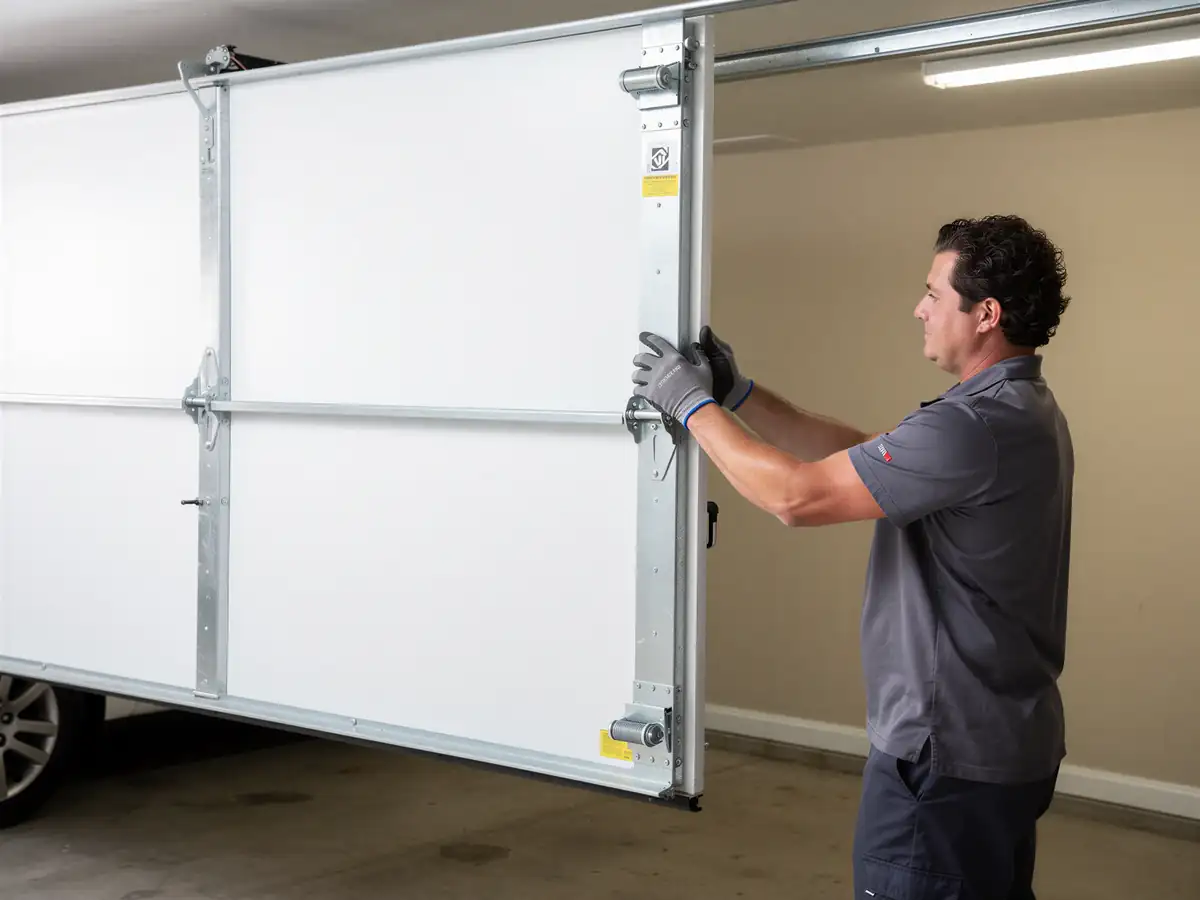
A single-panel swap on a standard steel sectional door is usually a same-visit job once we have the part in hand. The time sink isn't the install - it's sourcing. Because we're coming from Chesapeake, 23 miles out, we try to confirm the exact panel profile and color before we load the truck so we're not making a second trip. If your door needs a special-order insulated panel or a matched window insert, expect the parts lead time to add days before we ever show up, not hours added once we're on site.
Doing It Yourself
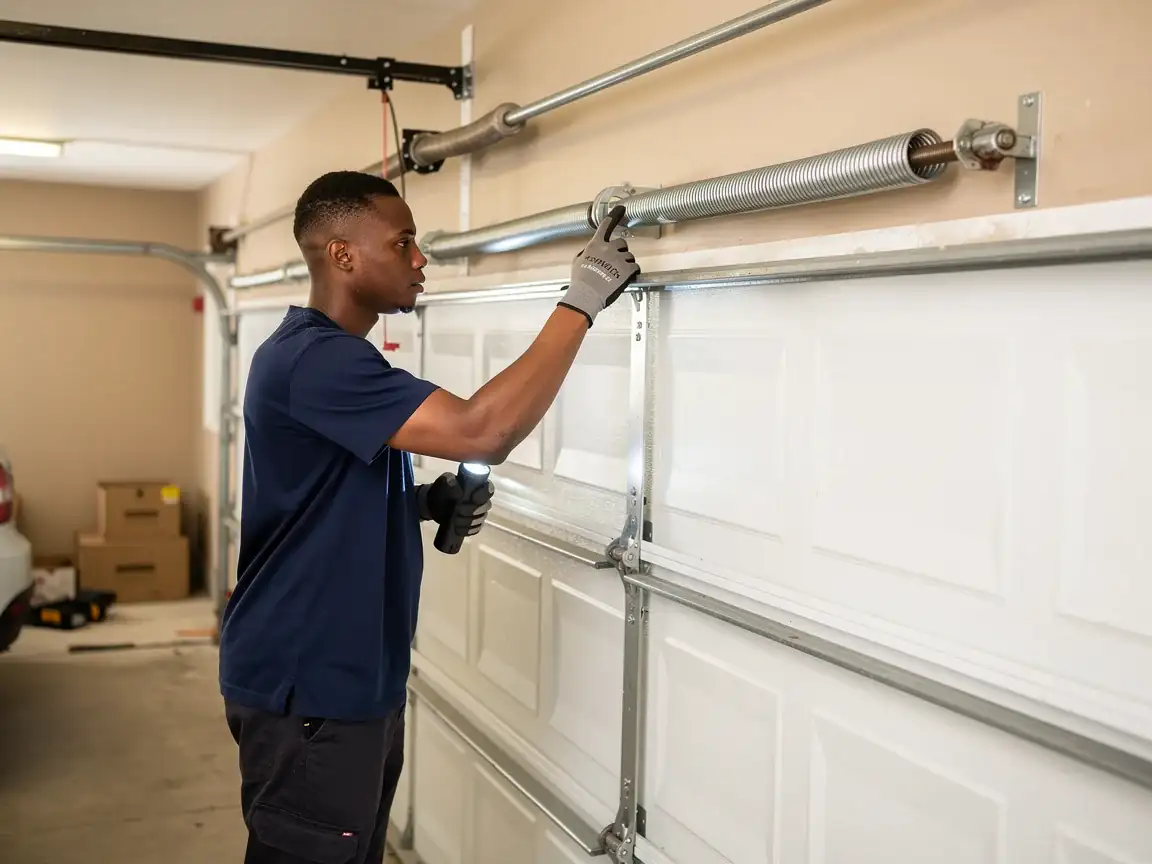
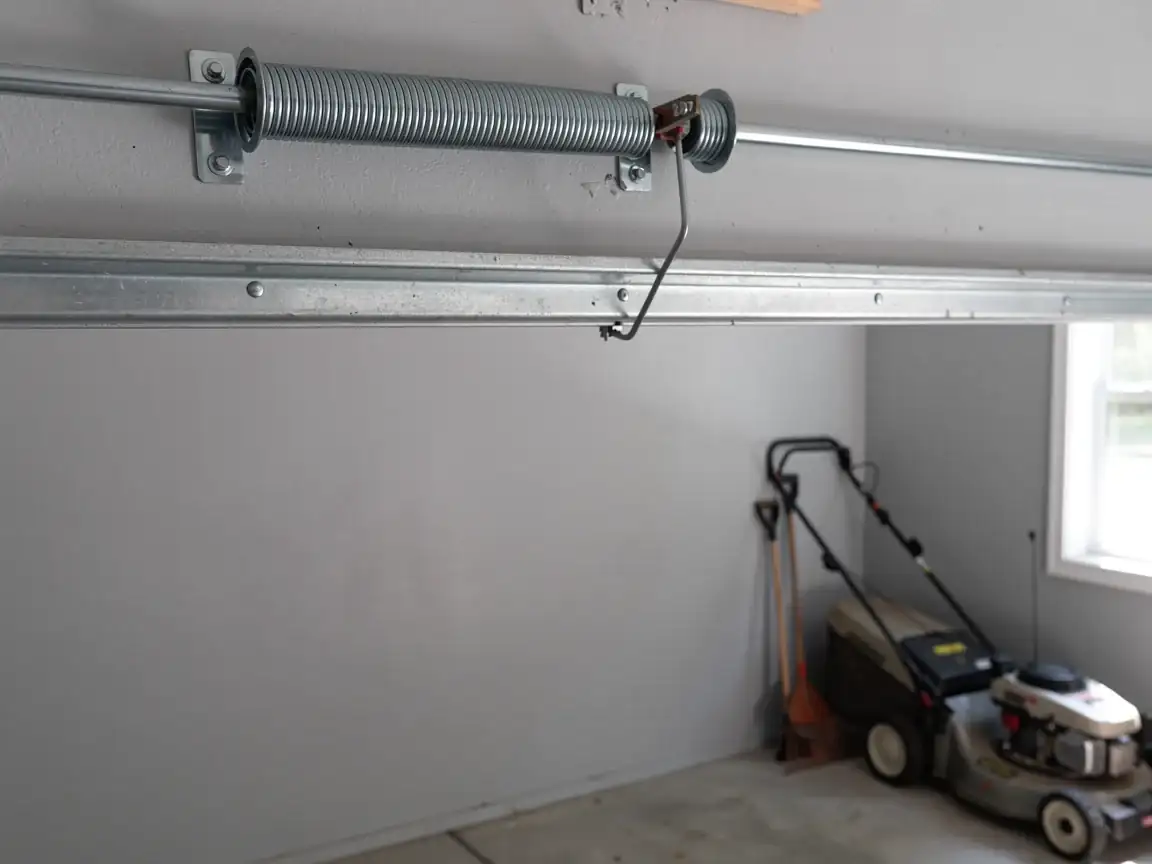
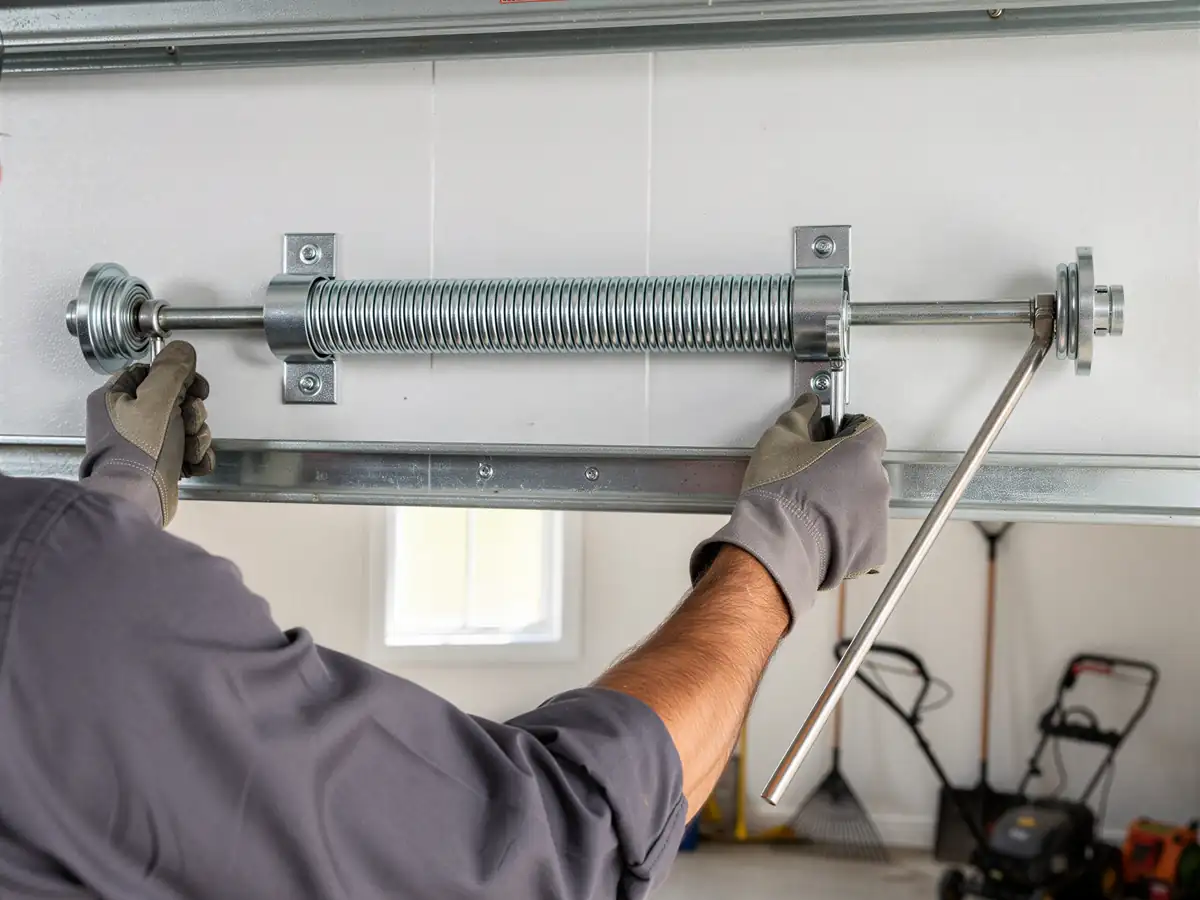
Swapping a single steel panel on a sectional door is one of the more doable DIY jobs in this trade, provided the door is off its springs when you do it and you're not fighting with a torsion system under tension. The part that trips people up with 2002-era doors specifically is the foam-core construction - these panels are glued and pinned in a way that doesn't tolerate much prying before the skin deforms. If you crack the end stile trying to force a mismatched replacement panel into place, you've turned a parts job into a full-section replacement. If you're not confident sizing the panel yourself, that's the point to call rather than guess.
What Causes It Around Here
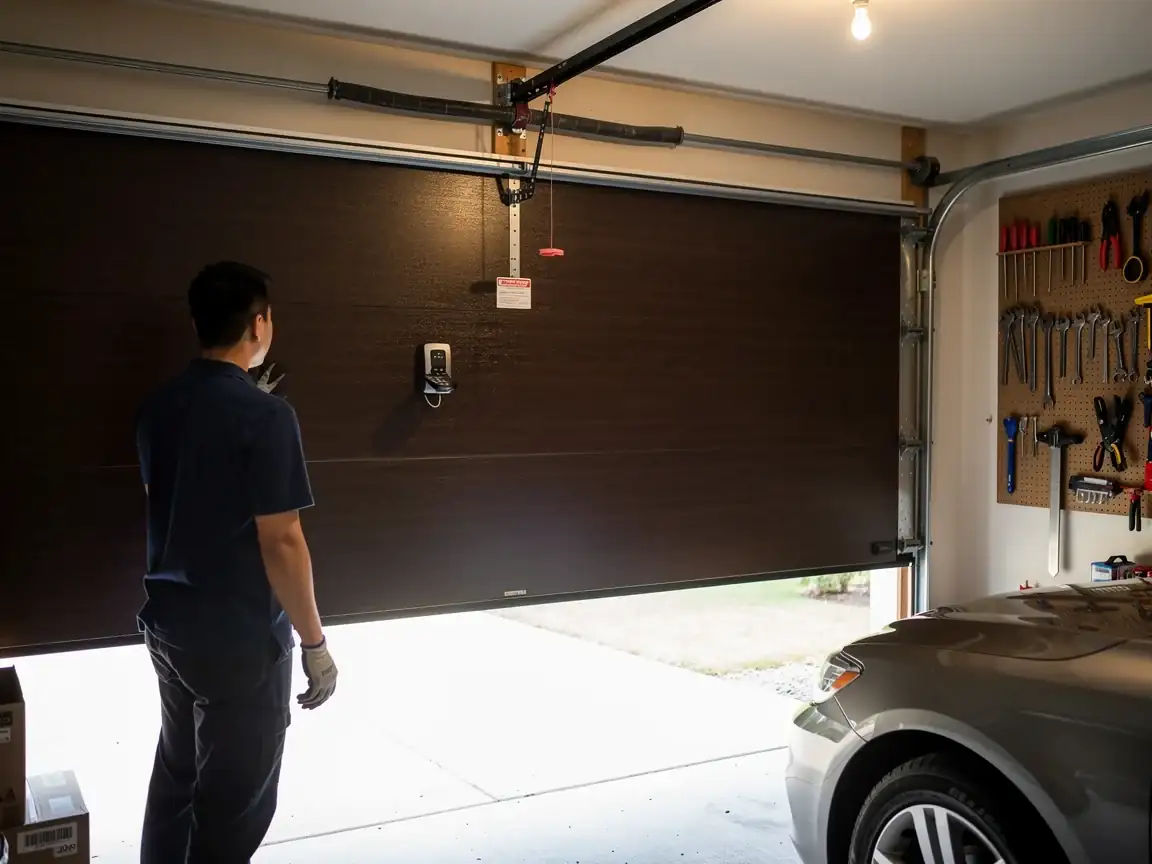
Most of the panel damage we see on these newer-build doors traces back to impact - a car bumper, a bike, a basketball - rather than age-related failure, since the housing stock here is young enough that rust-through and warping aren't yet common the way they are on older doors elsewhere in the service area. With roughly 2,104 households in the area and a housing stock concentrated around the early 2000s, these are still largely first-generation doors on their original hardware, so when a panel fails it's almost always a dent, a crack, or a puncture rather than the slow steel fatigue you'd see on a 1985 door that's been cycling for decades.