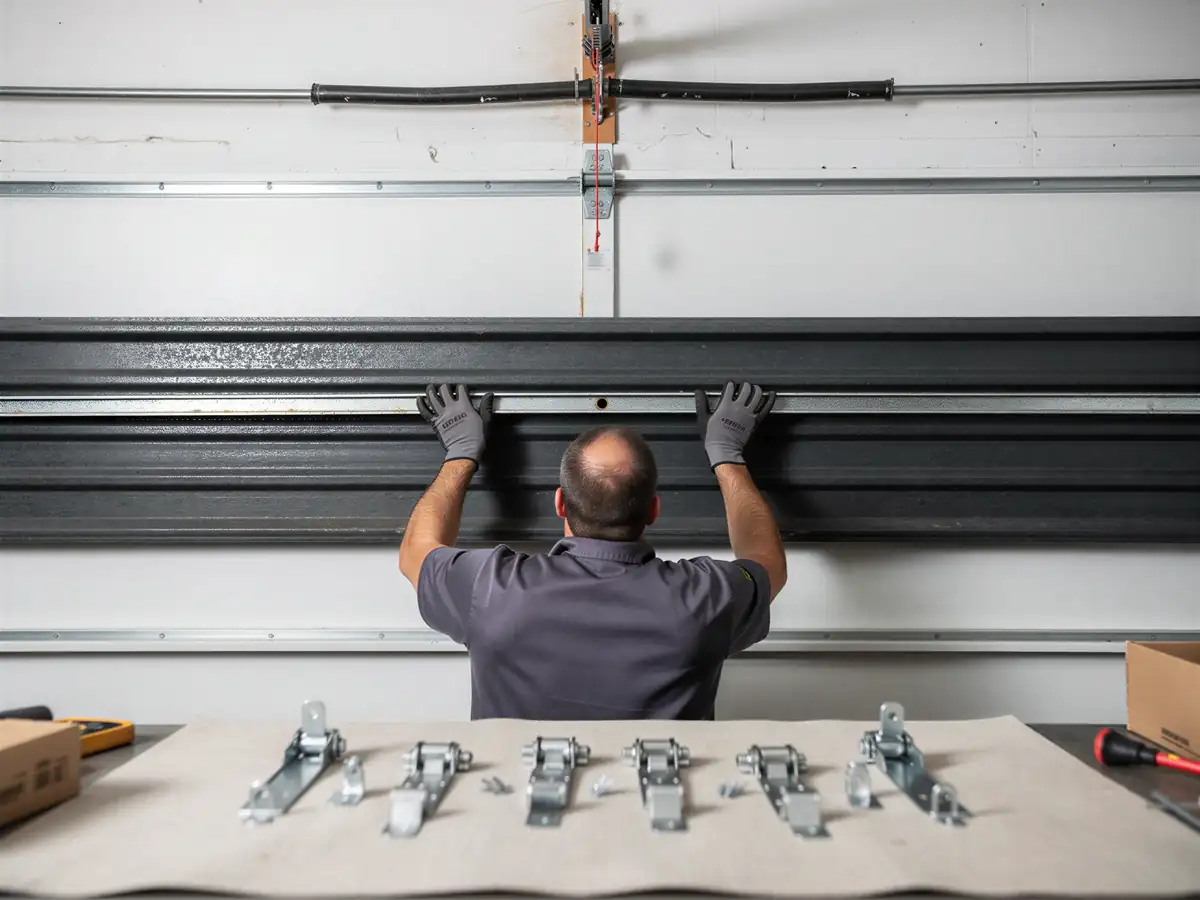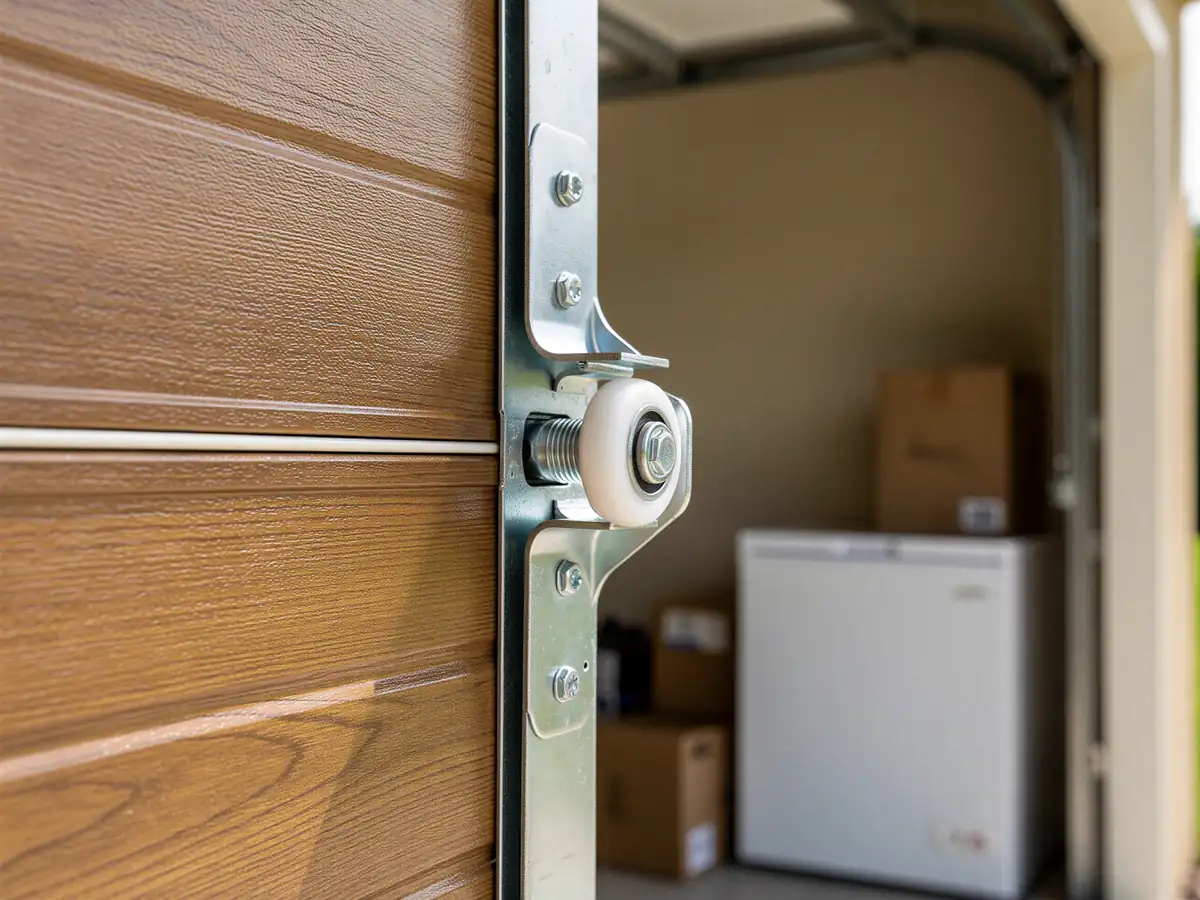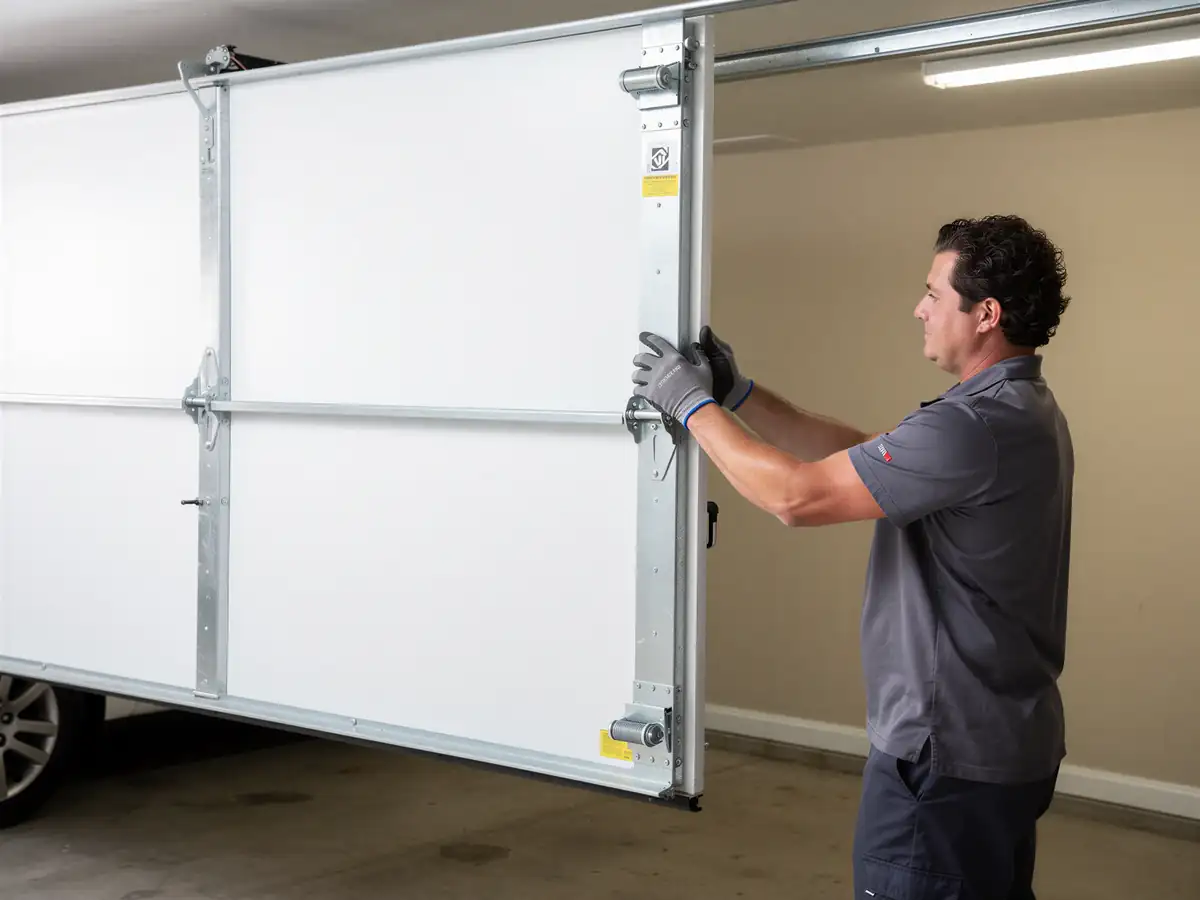
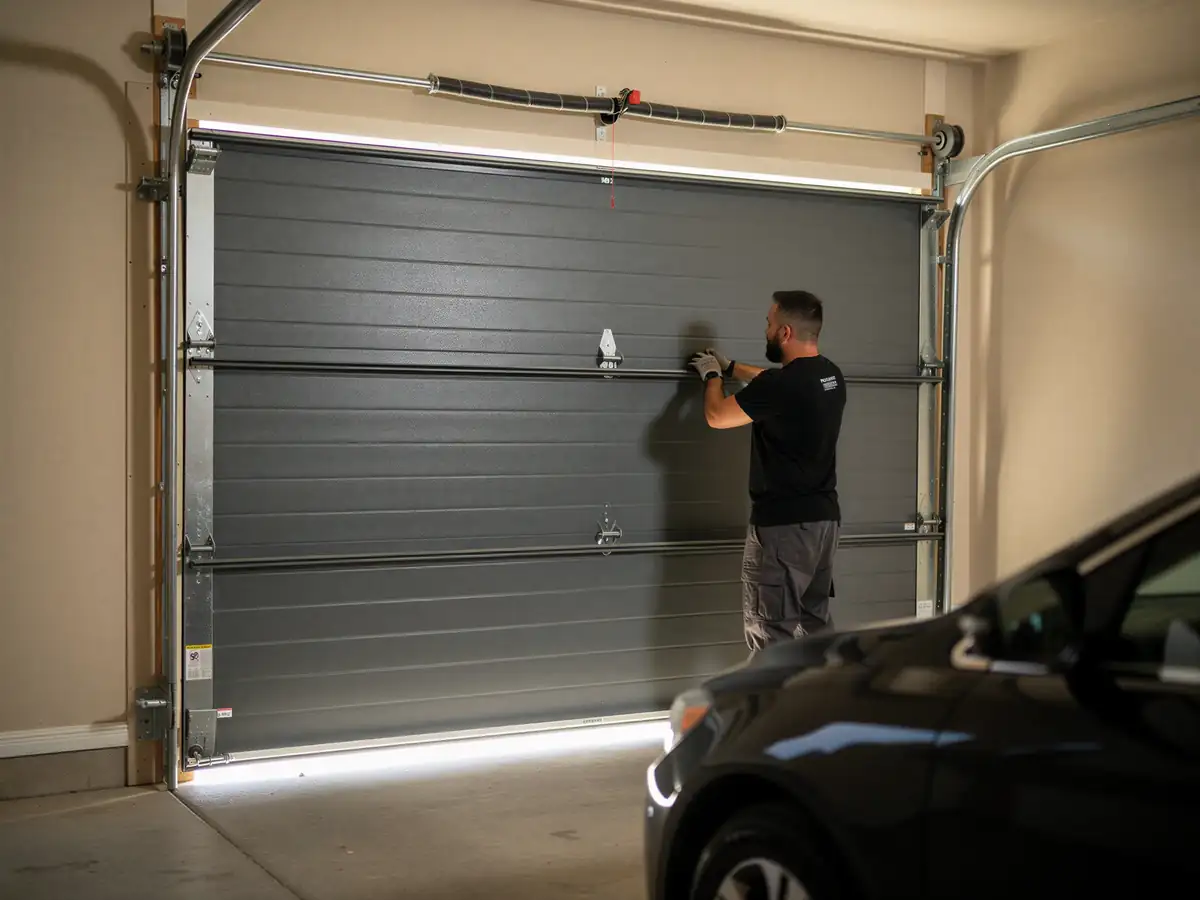
Parts We Carry
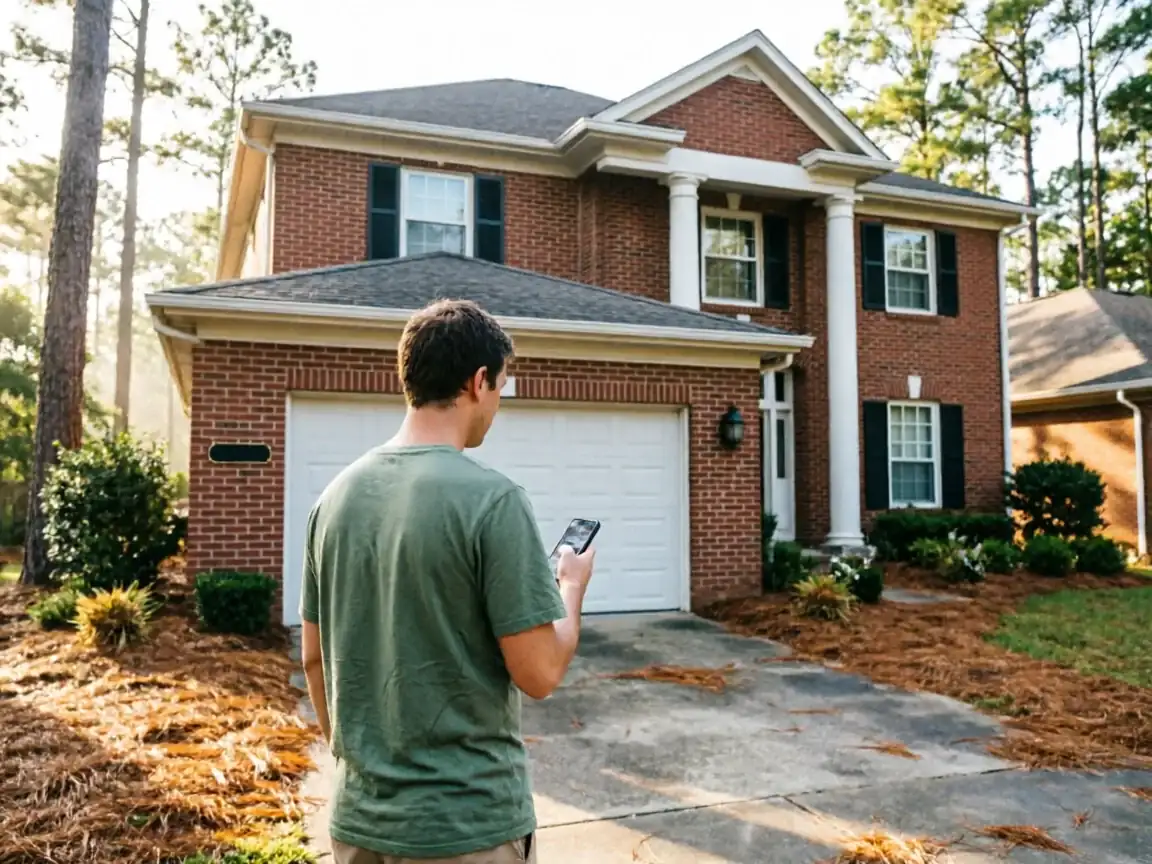
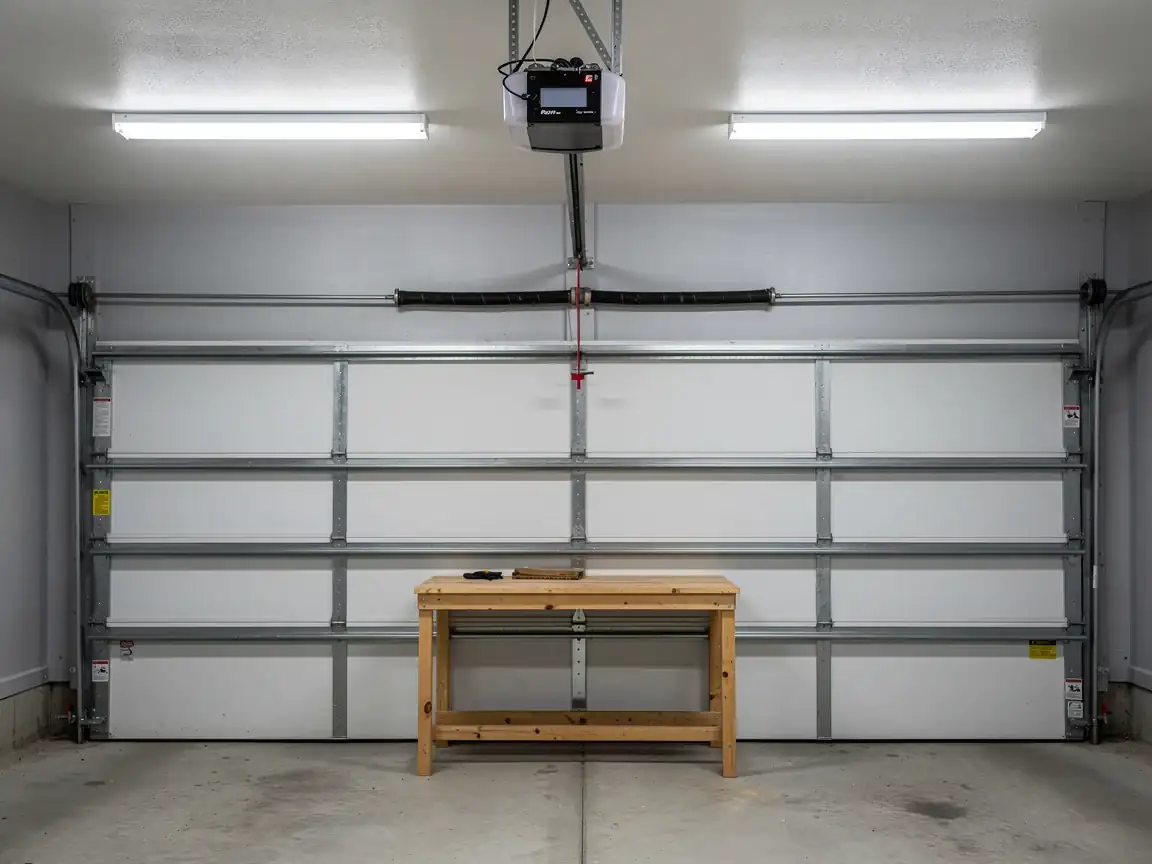
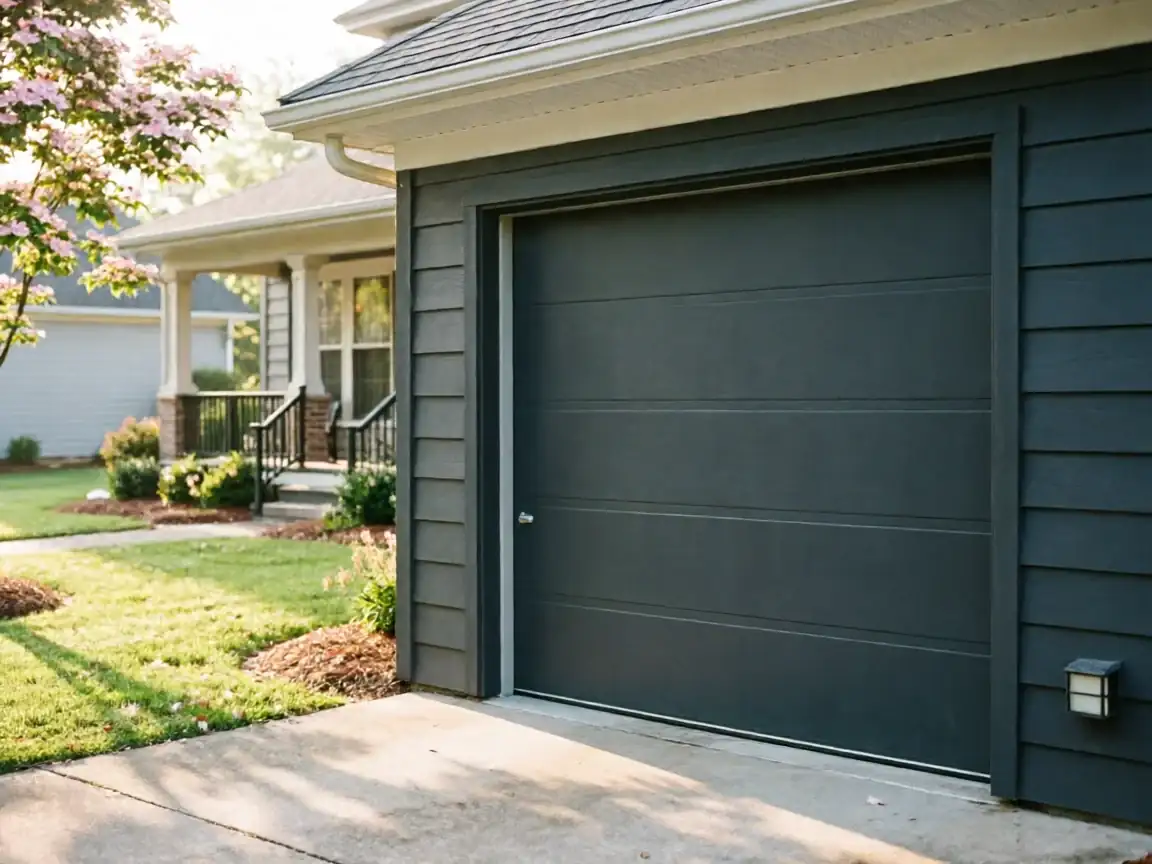
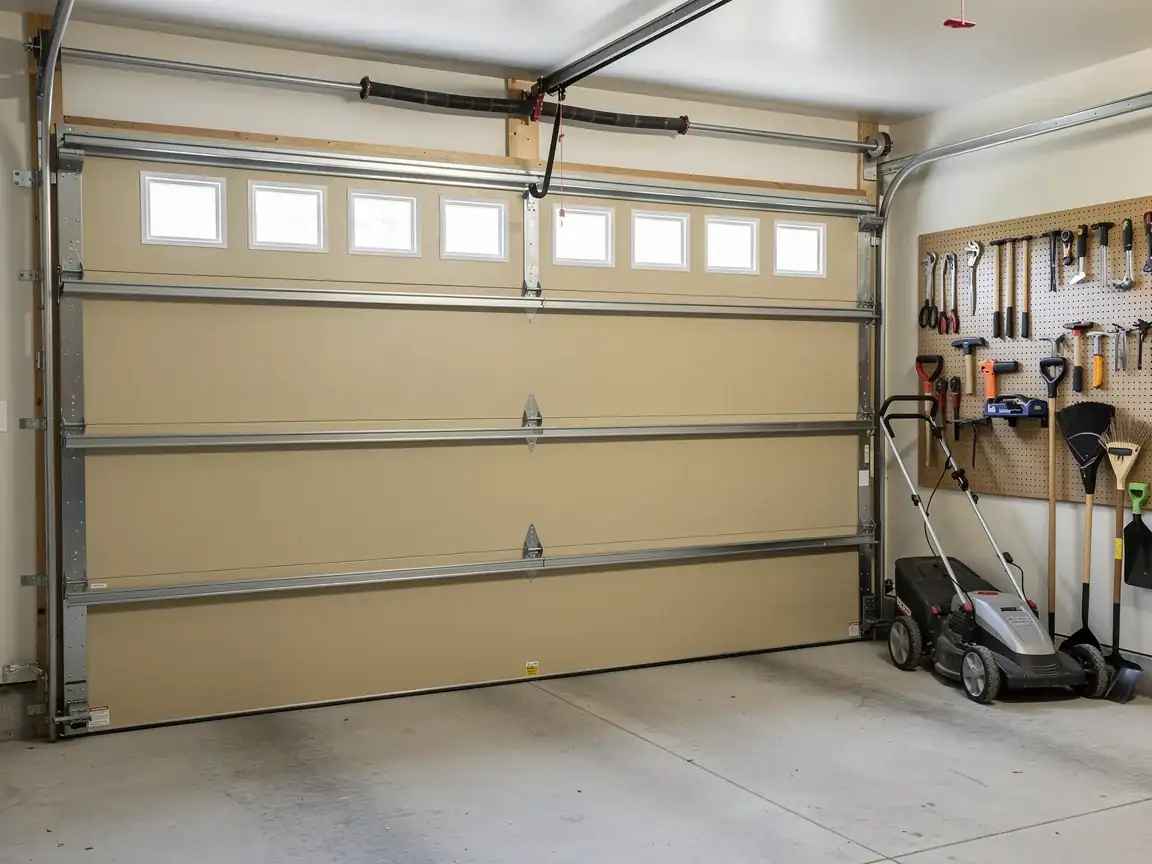
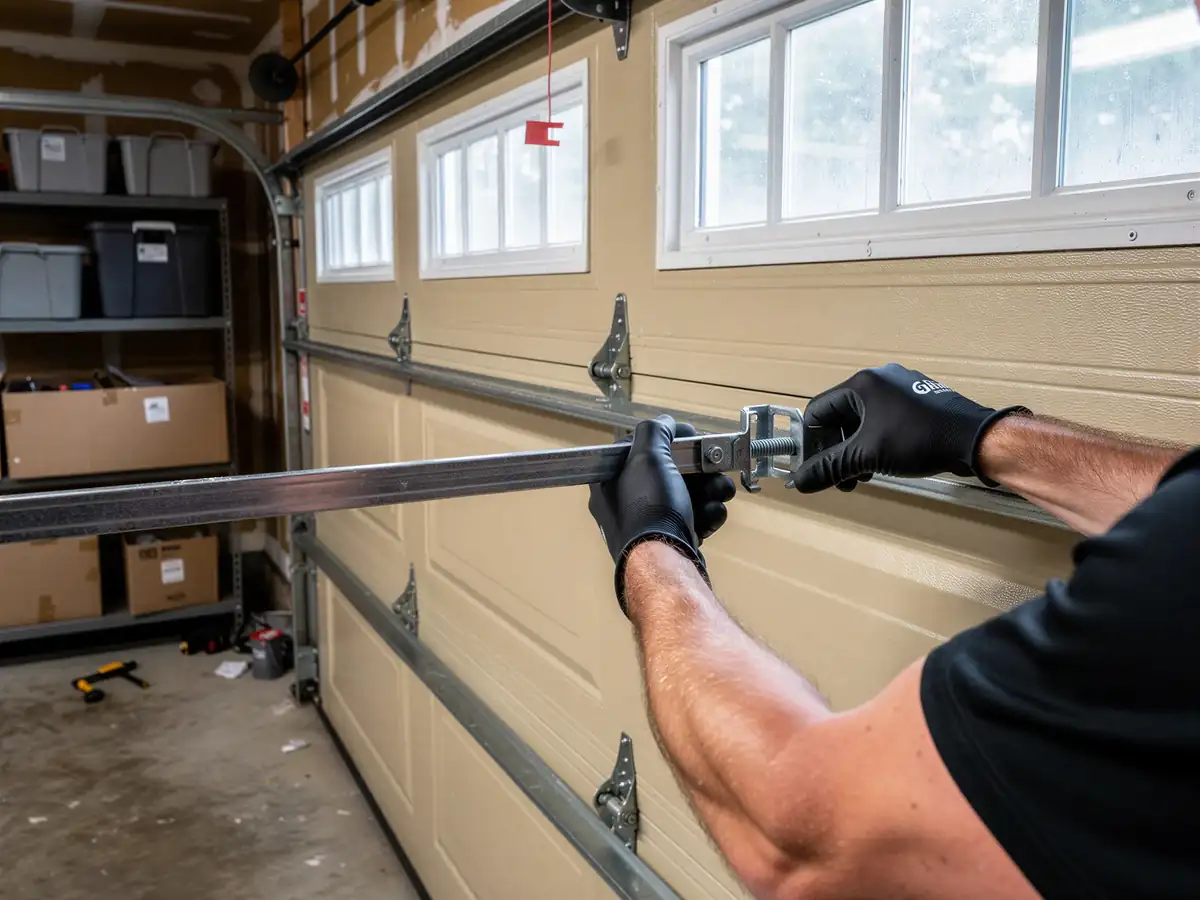
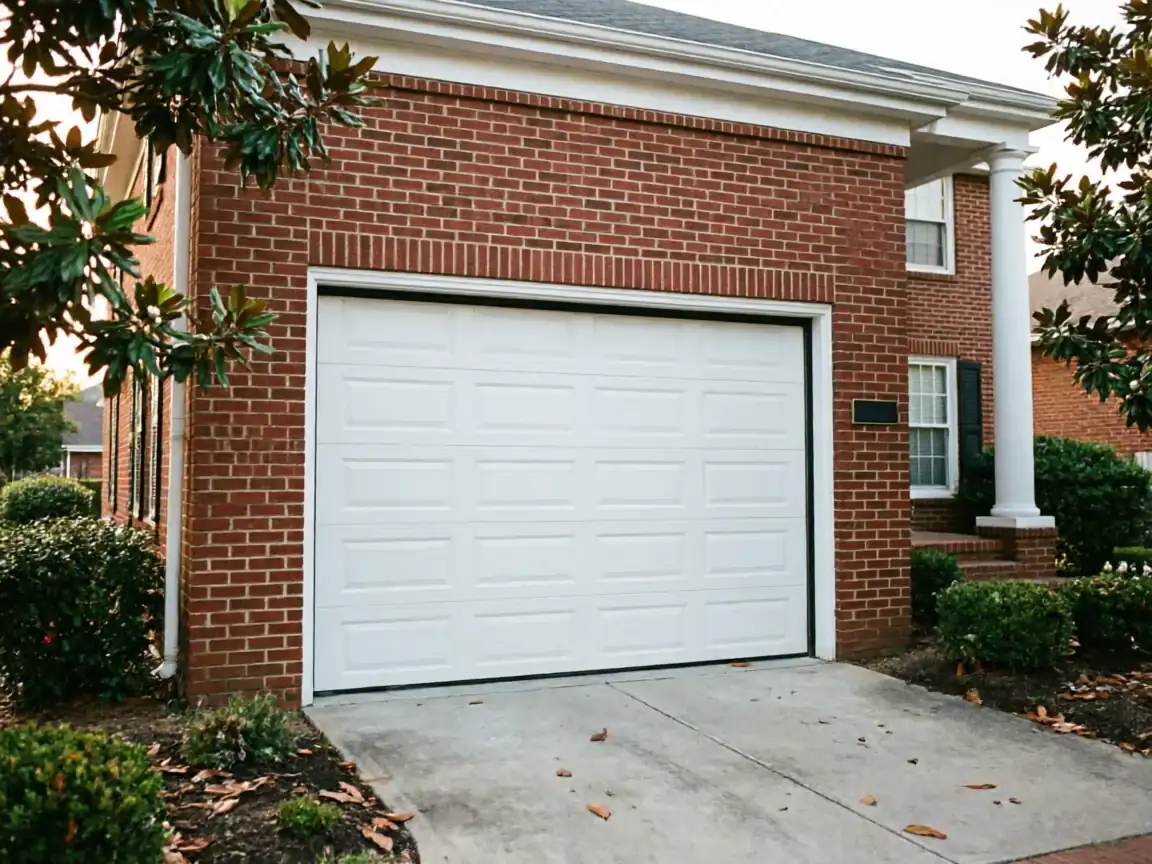
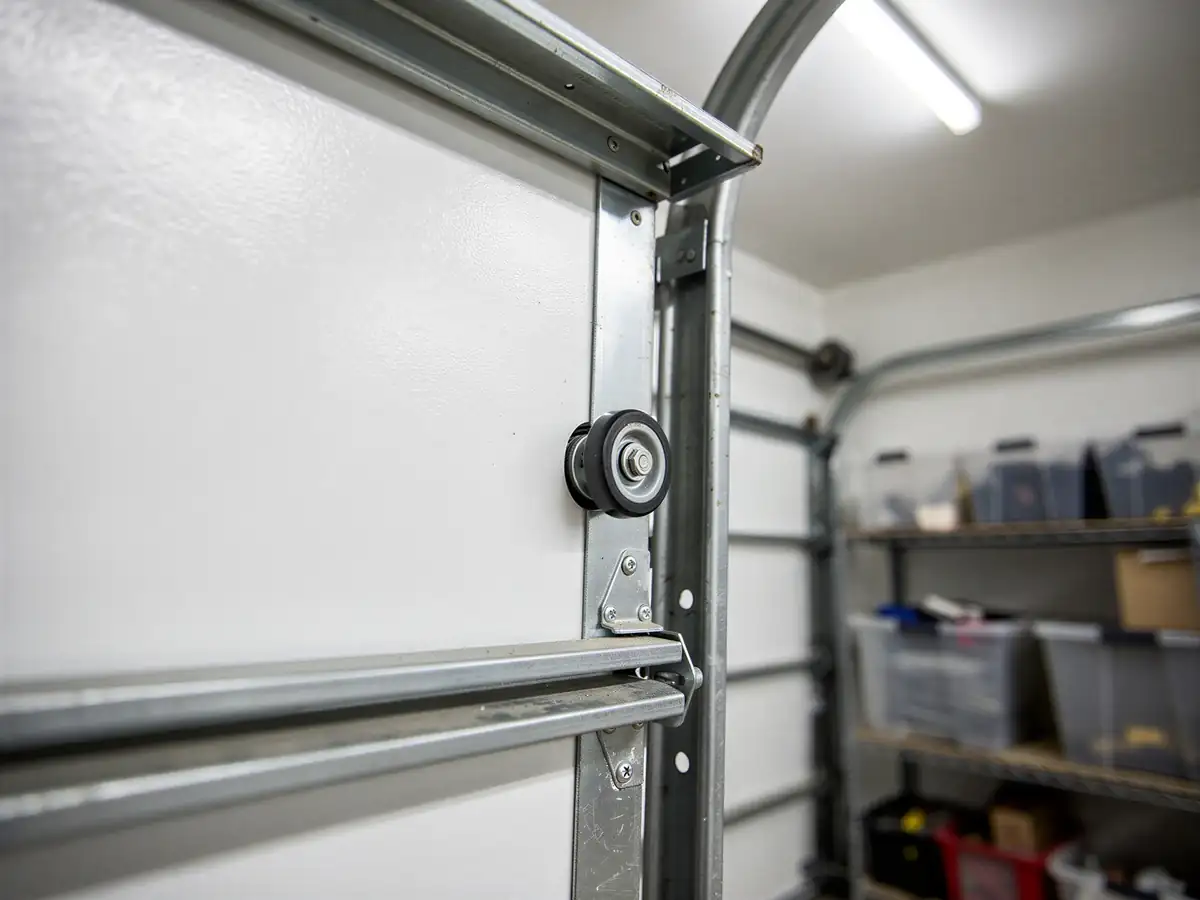
Moyock is different from most of the towns we work in, and it starts with the house itself. Median build year out here runs around 2002, roughly two decades newer than a lot of the stock closer to Chesapeake, which is still mostly 1980s and 90s construction. That matters for installation because a 2002-era house usually already has a steel sectional door and a torsion spring setup on a standard 7-foot opening - we're not fighting an odd-size track or a one-piece door bolted to original hardware from before torsion was standard.
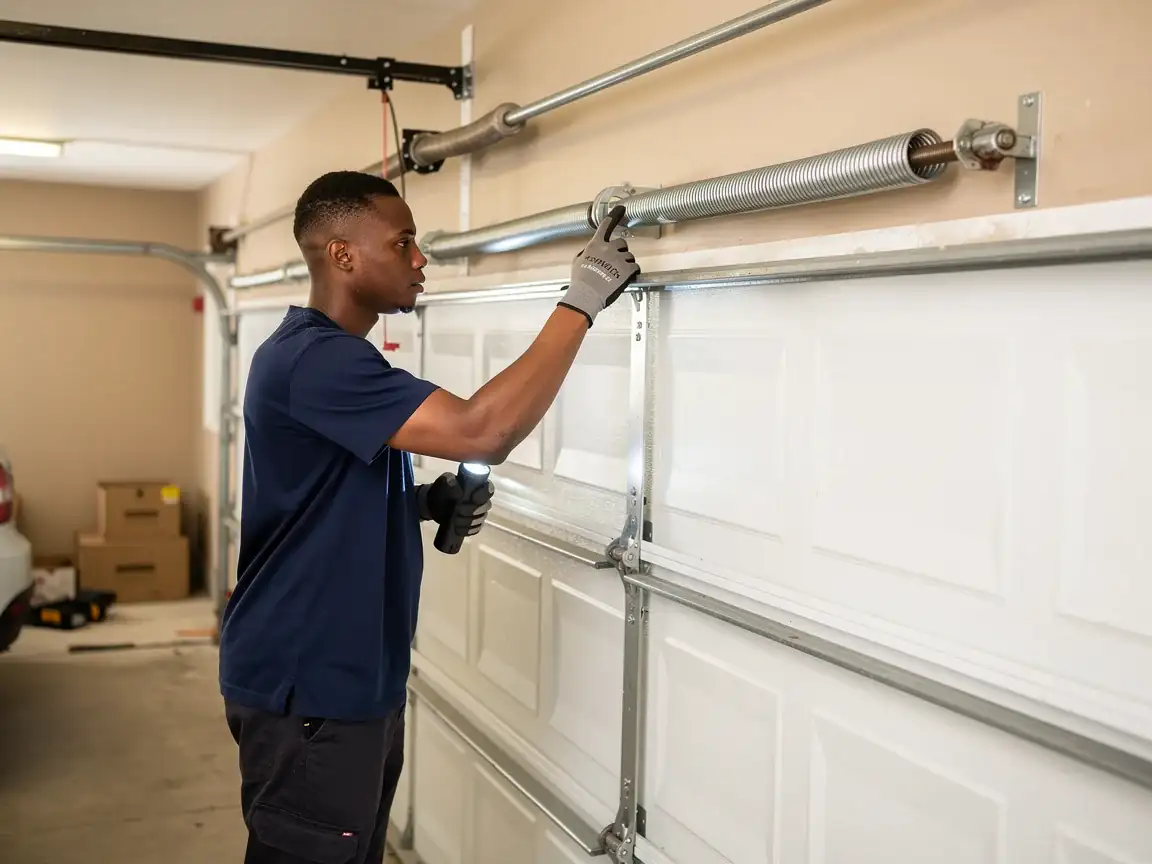
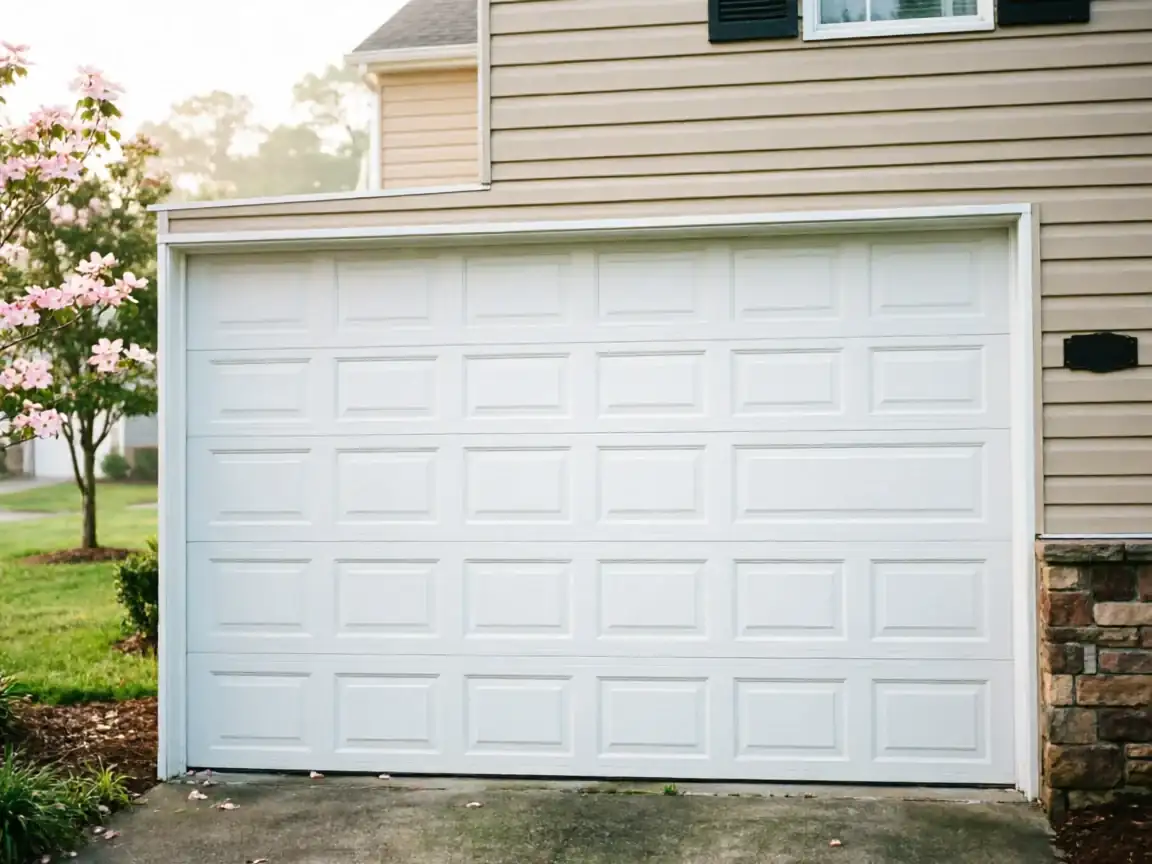
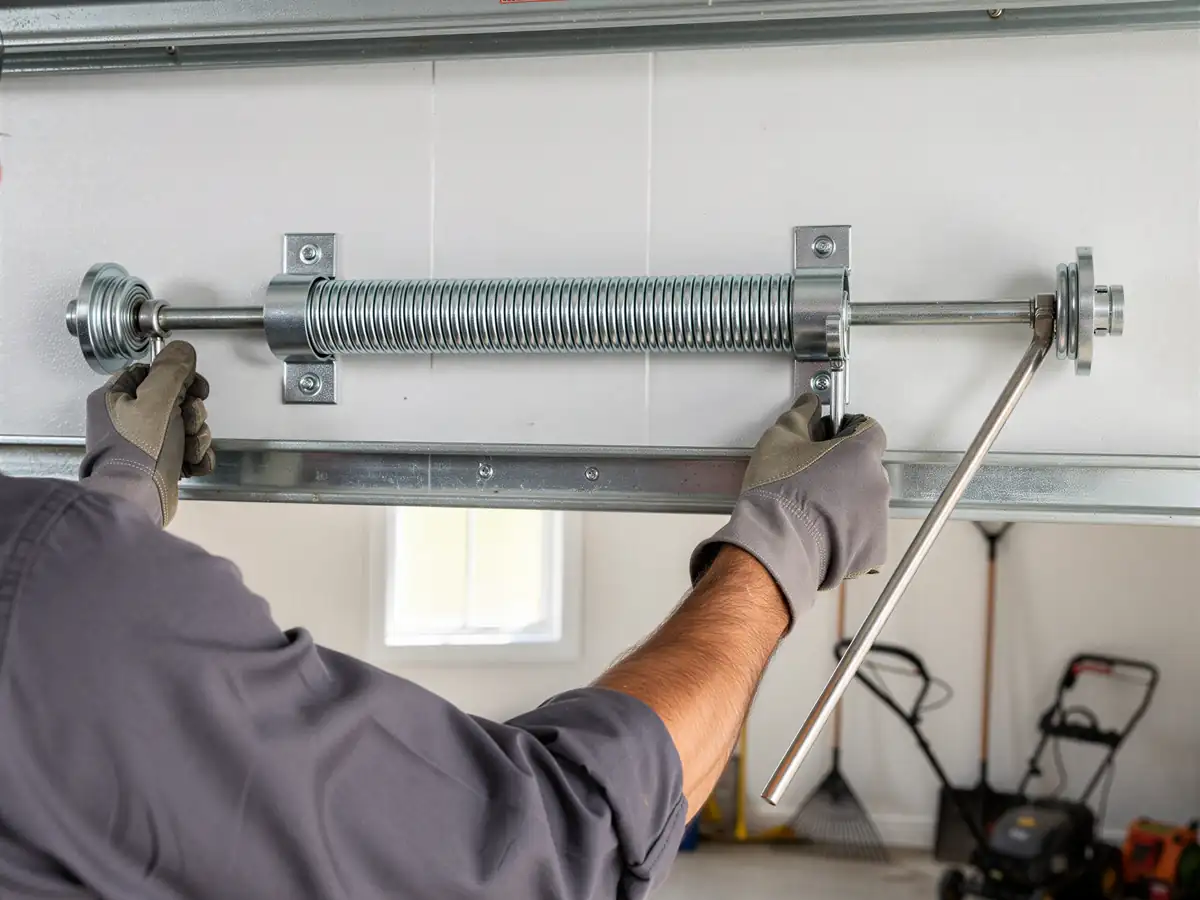
We carry steel and insulated steel sectional doors in the widths that fit these builder-grade openings, plus torsion spring assemblies sized to the door weight and opener horsepower that era of house was built around. Openers are usually belt or chain drive, 1/2 to 3/4 horsepower, with rolling-code safety receivers. If your house still has the original opener from 2002, the safety sensor photo-eyes and the logic board are both getting old enough that a full swap, not a patch, is usually the honest call.
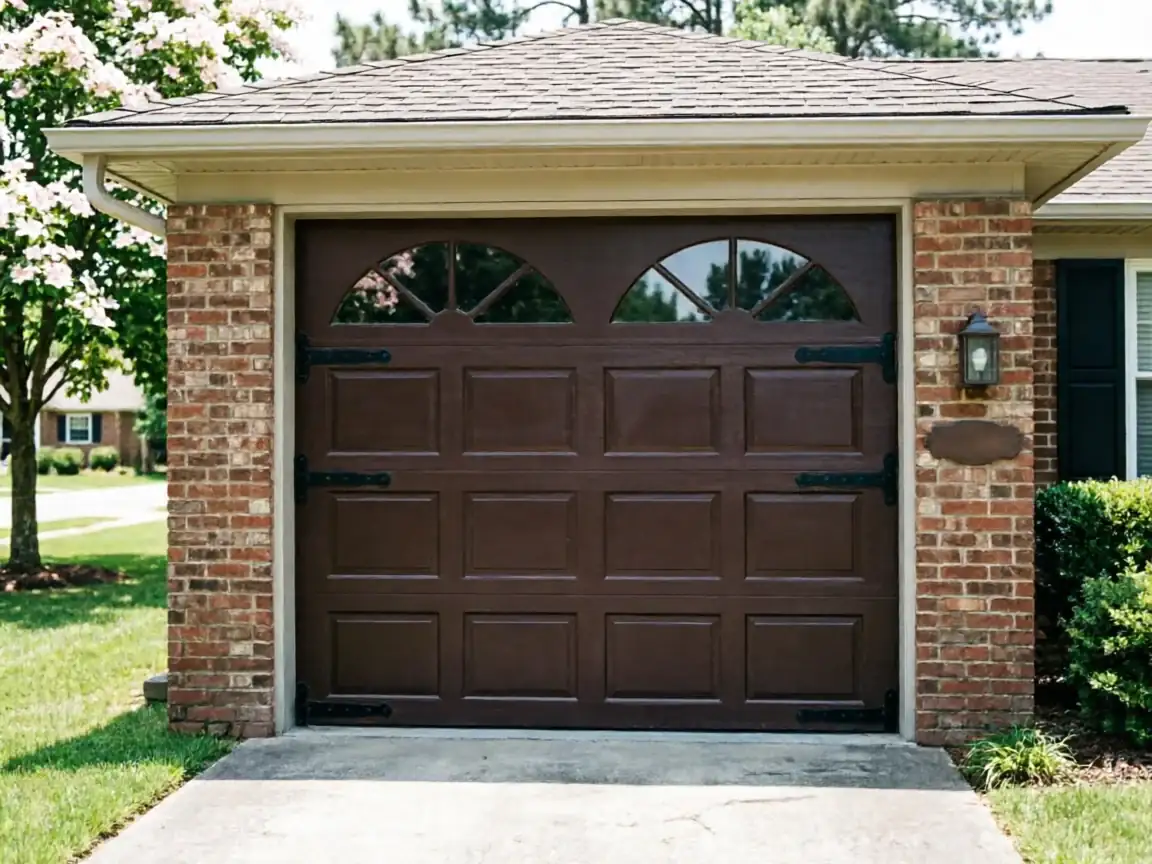
We don't carry custom wood doors or anything outside standard residential sizing, and we won't pretend a nonstandard carriage-house door is a same-day stock item - those are special order, and that affects timeline more than price.
The Cost of This Job
We don't have a published price list for this page
And giving you a number we can't back up would be worse than saying nothing. What we can tell you is what drives the cost on a Moyock job specifically: because the houses here are newer, you're less likely to need the extras that drive up price in older housing - no reframing a sagging header, no replacing rotted jamb wood, no fighting a slab that's settled unevenly over sixty years. Most 2002-era openings are square and sound, which means the bulk of the job is door, spring, track, and opener - not carpentry.
What does add cost here is household income context
Moyock's median household income runs about $109,700, well above the roughly $58,972 average across the rest of the service area we cover from Chesapeake. That doesn't set your price, but it does mean a lot of our Moyock jobs end up on the insulated, higher-R-value end of the door lineup rather than the base steel option, simply because more owners out here are choosing to spend up front.
If you want an actual number, that has to come from a walkthrough or photos of your specific opening
We're not going to guess at a figure we can't stand behind.
How Long It Takes
A straightforward swap - same size opening, same track position, new door and opener - is usually a one-day job once the door itself is on site. The wait is almost never the install; it's the lead time on the door panel, especially if you've picked a color or insulation package that isn't a stock item. Standard white or almond steel doors move faster than anything custom.
Because we're traveling from Chesapeake, about 23 miles each way, we schedule Moyock jobs as a block rather than fitting them between closer calls, so the date we give you is usually firm once it's set, but same-day emergency installs aren't something we offer out here the way we might for closer towns. If your opener dies on a Tuesday, plan for a scheduled appointment, not a same-day truck.
If the opening needs any correction - out-of-square framing, a header that needs reinforcing - that adds a visit, but on 2002-era construction that's the exception, not the rule. Most Moyock openings we've looked at are standard and square, which keeps the job to install time rather than repair-and-install time.
Doing It Yourself
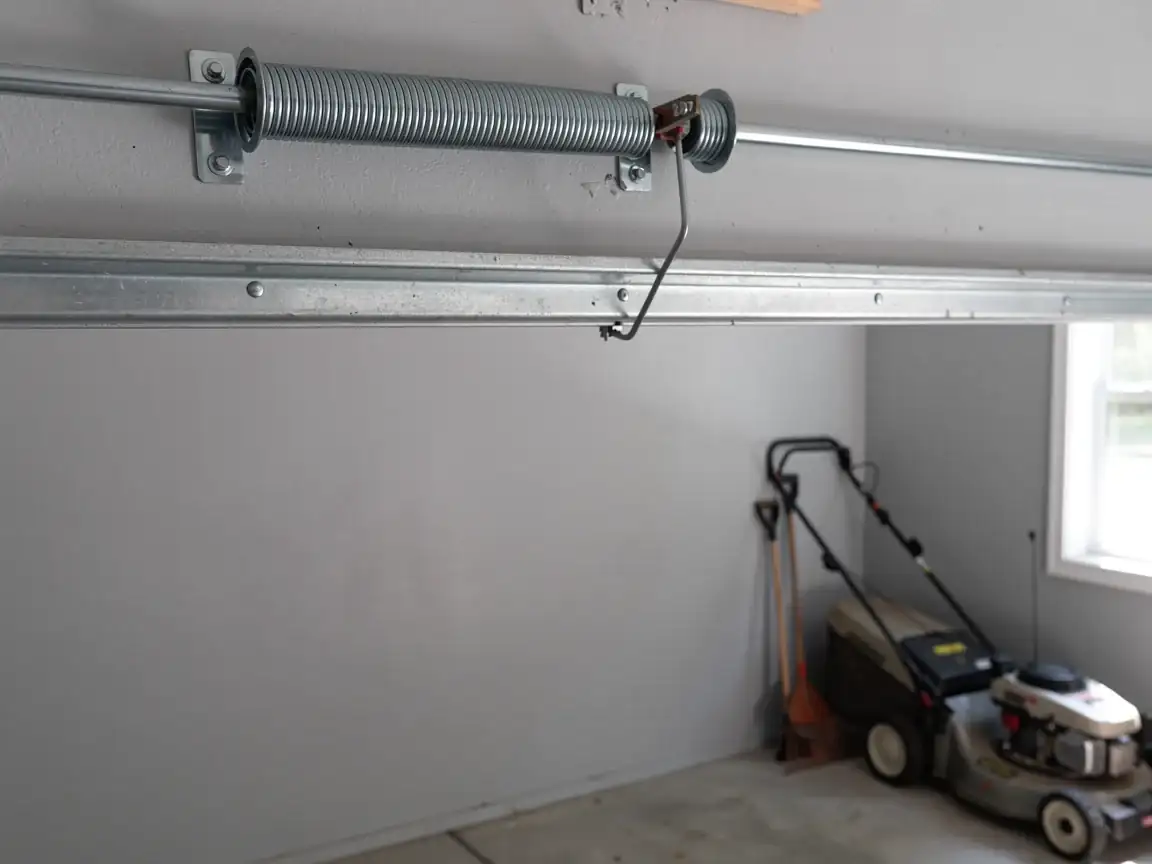
A torsion spring under load can put you in the hospital, and that risk doesn't change because the house is newer. If you're comfortable with tools, swapping a belt-drive opener on an already-sound track is within reach for a lot of homeowners - the opener itself, the wiring, and the safety sensor alignment are the forgiving part of this job.
The door panel and spring system are not. Setting spring tension on a standard 7-foot double door takes the right bars, the right technique, and some feel for when it's wound correctly - too little and the door won't lift, too much and the spring or the bar can let go violently. We'd rather you call for that part and DIY the parts that are actually low-risk, like weatherstripping, lubrication, or sensor cleaning.
One honest limitation: we don't do DIY consulting over the phone for spring work specifically. If you want to do it yourself, that's your call to make, but we're not going to walk you through winding a torsion spring step by step on a call - the liability and the risk to you aren't worth either of us pretending it's simple.
Where This Job Goes Sideways
The most common surprise on a Moyock install isn't the door - it's the opener wiring
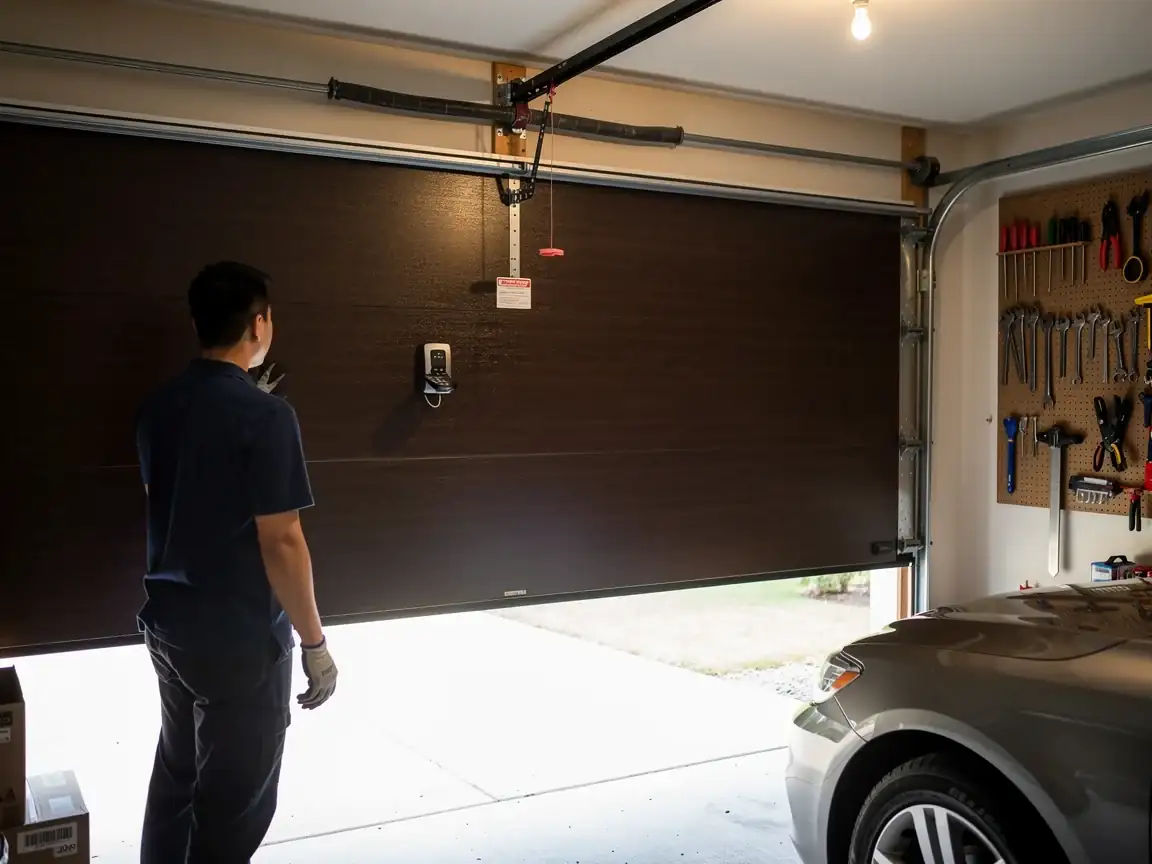
Houses built around 2002 often still have the original opener, and if it's being replaced with a newer model, the wall console and safety sensor wiring sometimes doesn't match current color-coding or terminal layout, which means more time tracing wires than expected.
The second place it goes sideways is sizing
A 2002 opening is almost always a standard 7-foot or 8-foot double, but garage additions and conversions since then sometimes shift that, and if nobody measured carefully before ordering the door, you end up with a panel that's close but not exact - and close doesn't work with sectional doors.
The third is simpler: lead time surprise
If you order a custom color or an insulated package expecting a quick turnaround because the install itself is fast, you can end up waiting on the manufacturer longer than you waited on us. We flag that upfront specifically because Moyock homeowners, with higher median income than most of the service area, more often choose upgraded doors - and upgraded doors ship slower than stock steel.
What Causes It Around Here
The service area sits in a cold-moderate climate band, which means freeze-thaw cycling and humidity swings rather than extreme heat or deep freeze. On a 2002-era house, that mostly shows up as rubber bottom seals hardening and cracking a few years sooner than you'd expect, and steel panels holding moisture at the bottom edge if the seal's already gone.
With roughly 2,104 households in Moyock - a smaller market than most of what we cover from Chesapeake - we see fewer total calls out here, but the pattern is consistent: doors installed in the early 2000s building boom are now 20-plus years old, which is right at the point where torsion springs reach the end of their cycle count and openers reach the end of their safety-sensor service life, even if the door panel itself still looks fine.
What we don't see much of in Moyock, compared to the older housing stock nearer Chesapeake, is original one-piece doors or side-mounted torsion hardware from before 1980 - that's a different fault pattern tied to a different build era, and it's just not common out here.