Parts We Carry
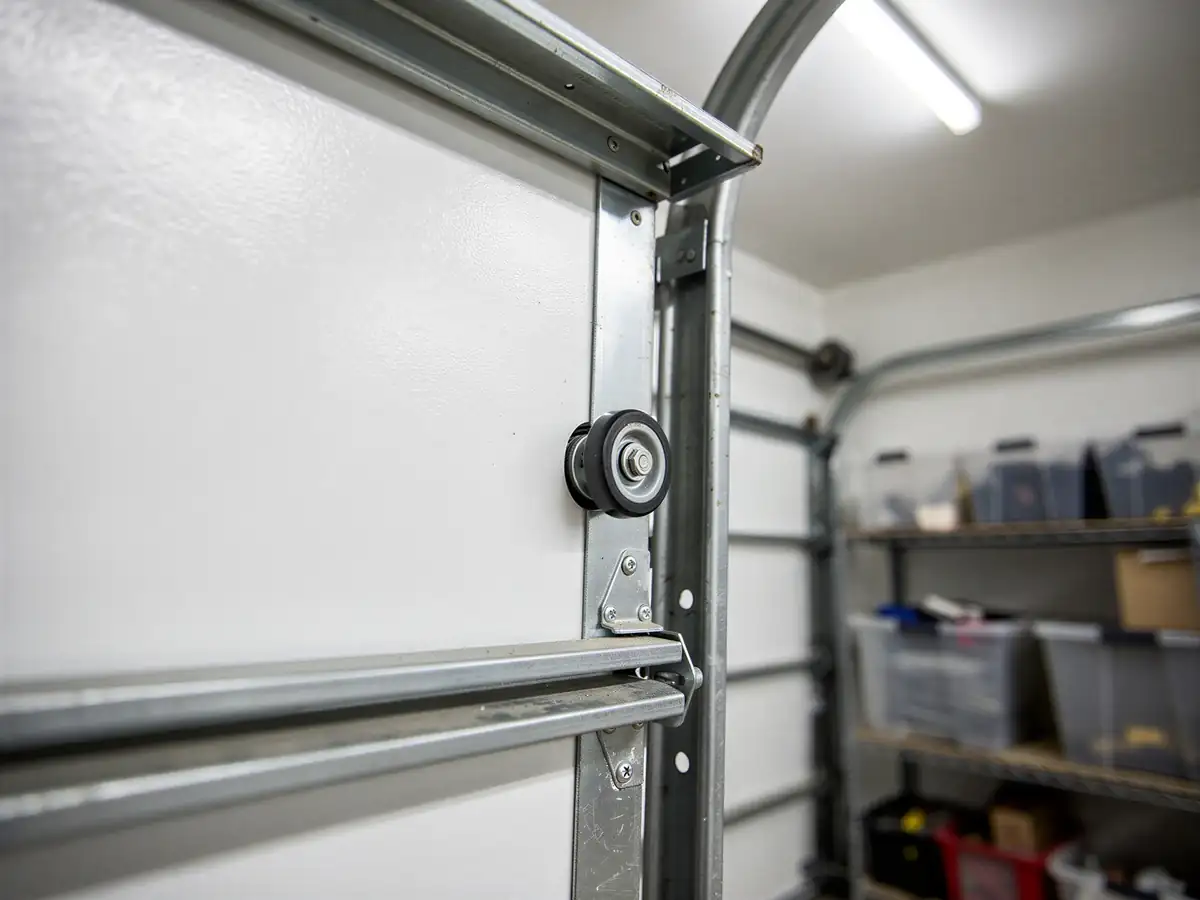
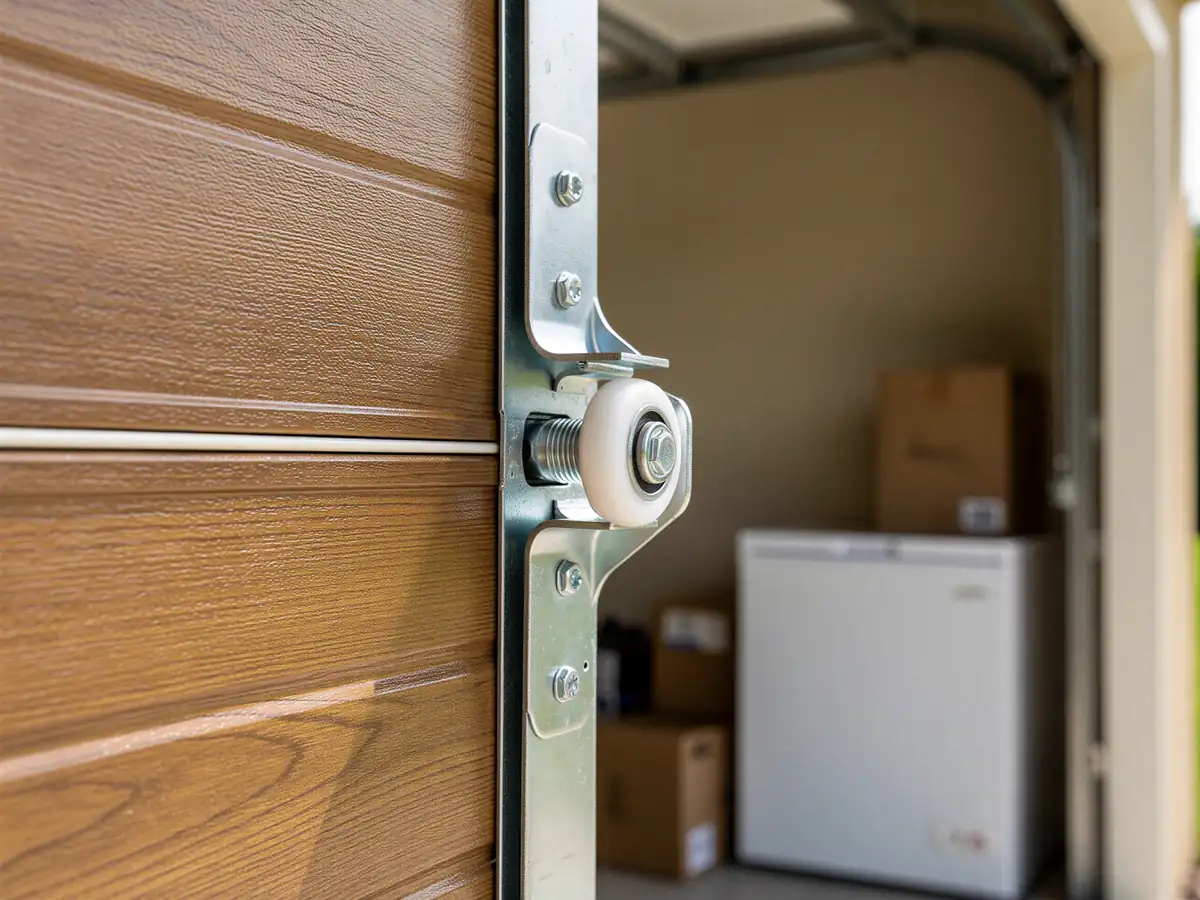
We bring both roller types on the truck because Moyock calls for both. Most houses out here went up around 2002, two decades newer than the typical stock back toward Chesapeake, which means factory steel rollers on nylon-sleeved stems instead of the bare steel wheels you find on older tracks. Those sleeved rollers ride quieter but the nylon sleeve is the part that cracks first, usually years before the steel stem or bearing gives out.
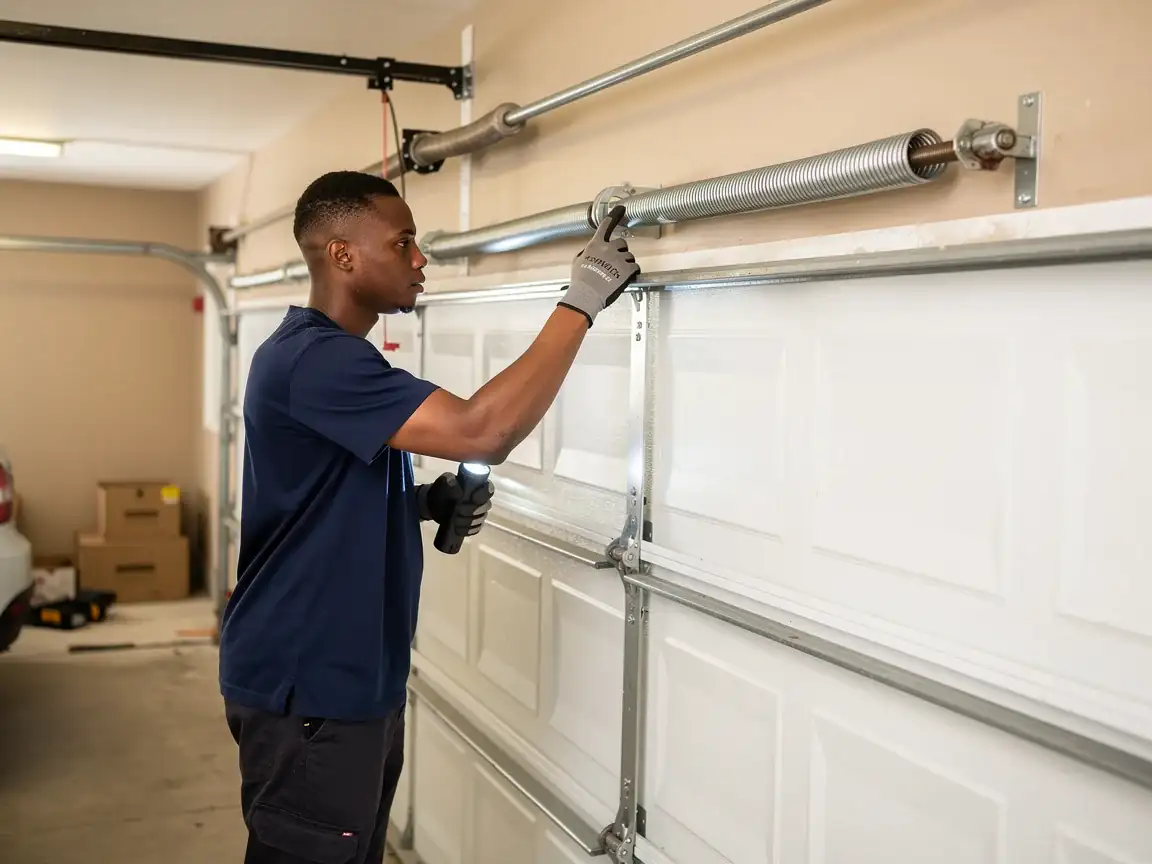
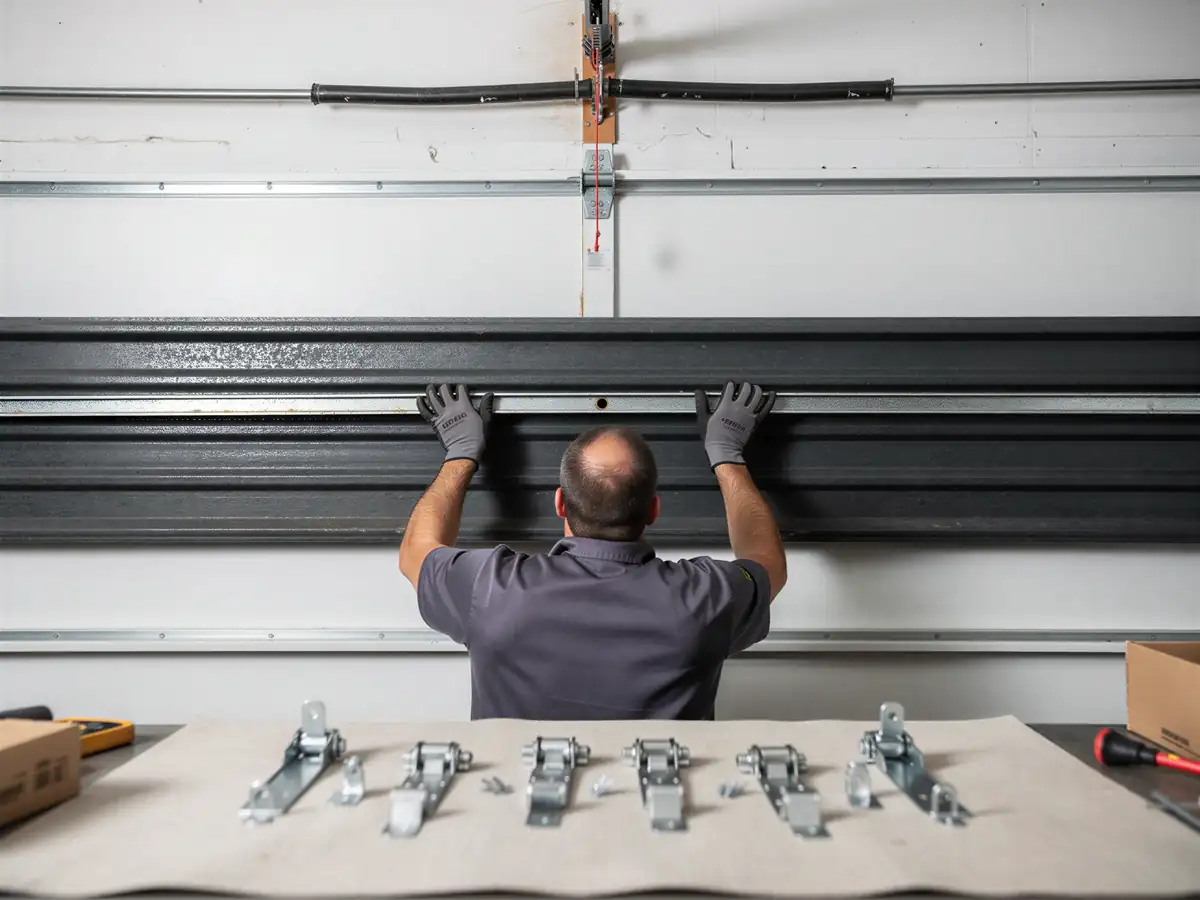
We carry 7-ball and 10-ball sealed bearing steel rollers, nylon rollers in the stem lengths that match 2000s-era track spacing, and the stem clips that go with them. If your door still has the original builder-grade rollers from construction, we'll check the track gauge before swapping anything - some of the lighter-gauge tracks from that era don't take a heavier steel roller without binding.
We don't stock every obscure stem length. If your door uses a discontinued OEM roller from a builder that's since gone under, that's a special-order part, and we'll tell you up front instead of pretending we have it on the shelf.
The Cost of This Job
We're not going to put a number here that isn't accurate for your door
And pricing depends on how many rollers need replacing, whether the track needs adjustment at the same time, and whether you want steel or nylon. What we can tell you is that in a service area where median household income runs higher than it does closer to Chesapeake, we see more owners choose the full steel ball-bearing set over a patch job on one or two rollers - it costs more up front and it's the set most people here end up asking for once they hear the difference in noise.
If you want an exact figure, call and describe what's happening with your door
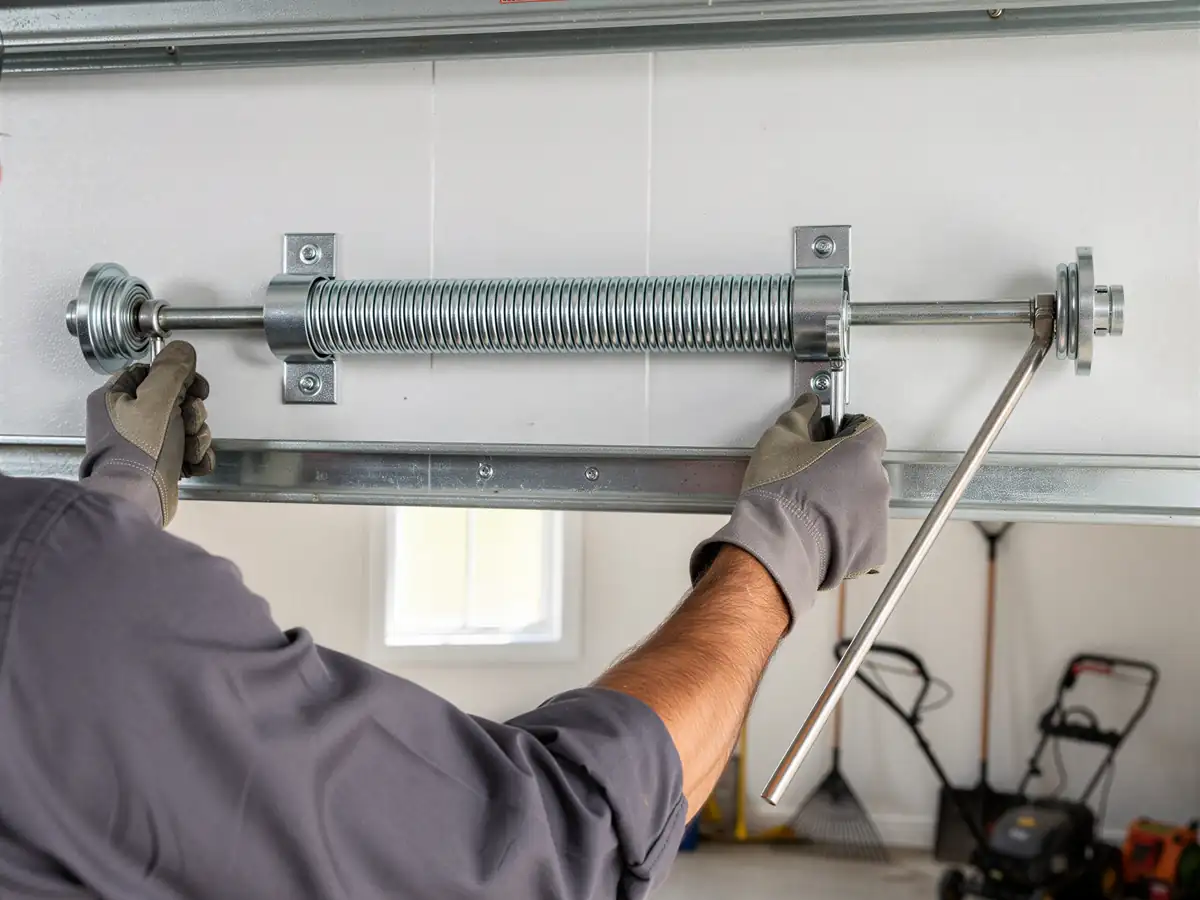
A door that just needs rollers is a different job than one where a bent track or a failing spring is masking itself as a roller problem, and we'd rather quote it after we've seen which one you've got.
How Long It Takes
The roller swap itself is a short job once the truck is on site - most doors take under an hour once we're actually working on them, regardless of where in the service area the house sits. What changes in Moyock is the scheduling around it. The drive from Chesapeake to Moyock runs twenty-three miles, which puts this call on a different slot in the day than jobs closer to the shop, and we build the route around that rather than squeezing it in between closer calls.
With 2,104 households spread through Moyock, this isn't a neighborhood where we're rolling a truck past three other job sites on the way - it's usually a dedicated trip, which is part of why we ask what's wrong with the door before we come, so we're not making that drive twice for a job that turns out to need a different part than expected.
Doing It Yourself
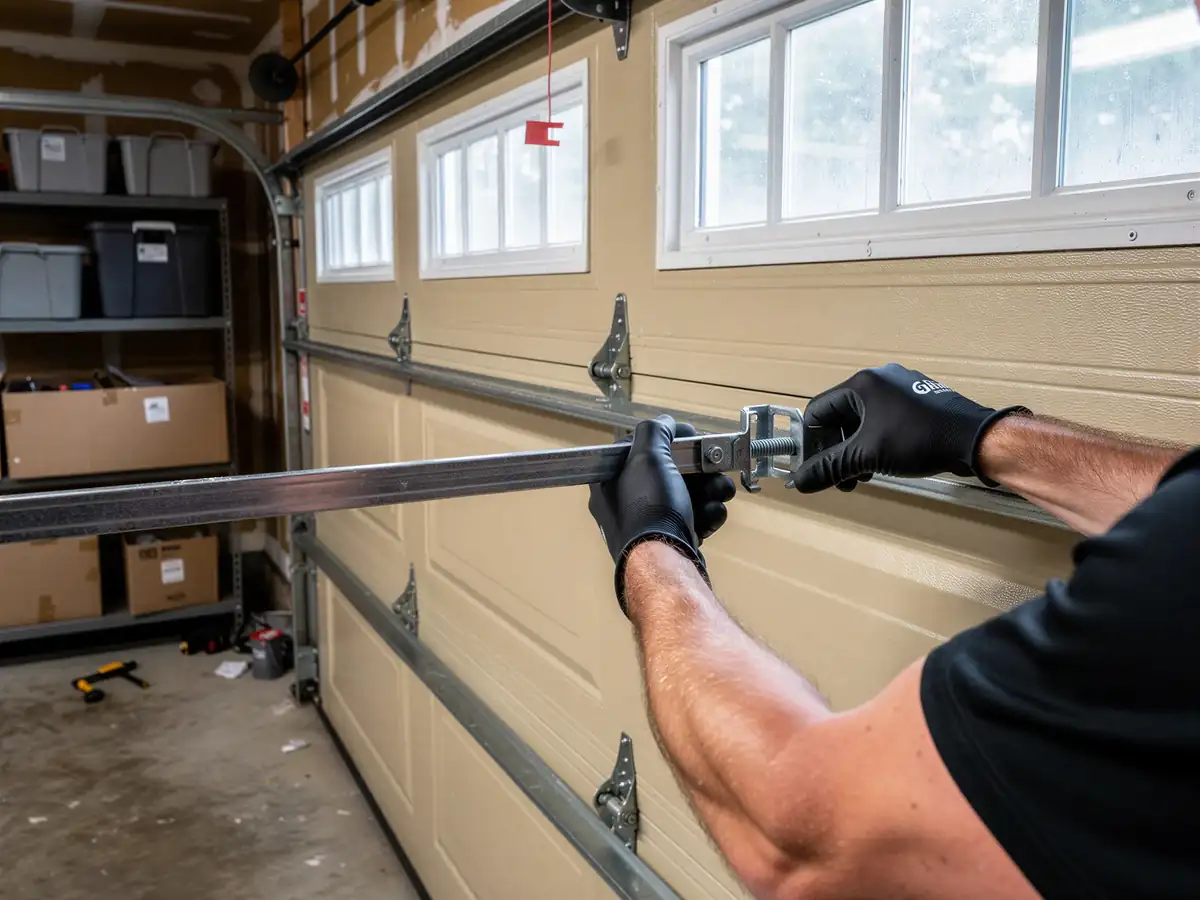
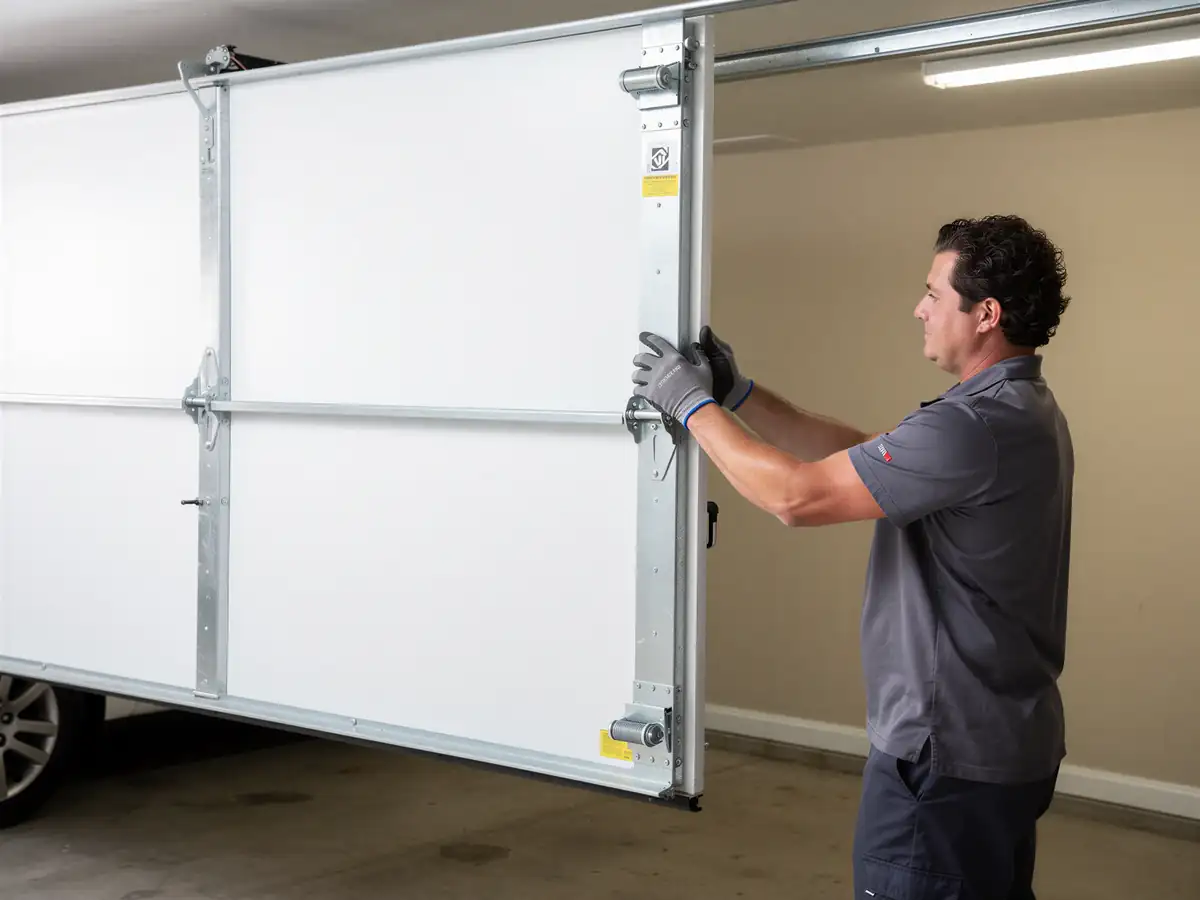
Rollers are one of the more reasonable DIY repairs on a garage door, if you're careful about which rollers and where. The bottom rollers on either side of the door carry less tension and are the safer place to start. The rollers nearest the top of the door run inside the curved section of track, right where the cables and spring system do the most work, and that's where we'd rather you call someone than learn the hard way.
If your door is still on its original rollers from construction - common enough on 2002-era houses that haven't been touched since - expect some resistance pulling the old stem out of the bracket after twenty-plus years. A little penetrating oil and patience usually beats forcing it. If a roller snaps off instead of sliding out, or if the track is visibly bent where the roller rides, that's past a weekend fix.
Where This Job Goes Sideways
The most common mistake we see is someone replacing a worn roller without checking why it wore out
If the track is out of alignment even slightly, a brand new roller will grind itself down the same way the old one did, just faster, because it's riding against a track edge instead of rolling true inside it. Swapping the roller without truing the track just buys a few months.
The second way it goes sideways is a stem that's the wrong length for the bracket
A roller that's slightly too long or too short changes how the door sits in the track, and on a door that's otherwise fine, that's enough to introduce a new noise or a new bind that wasn't there before. We measure before we swap, not after we hear something's wrong.
We'll also say plainly
If you're down to one or two rollers left that haven't failed, replacing the whole set at once is usually the better call rather than coming back out every few months as the rest give out one at a time.
What Causes It Around Here
Moyock sits in a cold-moderate climate band, which means the grease on roller bearings thickens in winter the same way it does across this part of the state, and that stiffness is what cracks a nylon sleeve that's already brittle from UV exposure on a south- or west-facing door. It's not one dramatic event - it's the repeated expansion and contraction through the seasons that finally splits the sleeve or flattens a bearing.
Because most of the housing stock here dates to around 2002, we're also past the point where original builder rollers are holding up well. Twenty-plus years is a reasonable lifespan for a nylon roller under normal use, and a lot of Moyock doors are right at or past that mark. If your door has started making a new rattle or grinding sound on the way up, roller wear this age is a more likely explanation than a dramatic failure - it's the slow kind of wear that finally gets loud enough to notice.